
Is Bok Choy Safe for Acid Reflux?

Medically reviewed by Aneeza Pervez Updated Date: January 2, 2026

Acid reflux is a common condition that can significantly impact daily life, particularly if left unmanaged. Many sufferers turn to dietary changes to alleviate symptoms, and bok choy has gained attention as potentially beneficial food. But is bok choy safe for acid reflux? Let’s dive into the science and nutrition behind this versatile vegetable to uncover its role in managing acid reflux.
Understanding Acid Reflux
What is acid reflux?
Acid reflux, also known as gastroesophageal reflux disease (GERD) when chronic, occurs when stomach acid flows back into the esophagus. This can lead to symptoms like heartburn, regurgitation, and discomfort after eating.
Common triggers of acid reflux
Foods high in fat, caffeine, and acidic content, such as citrus and spicy dishes, are known to trigger reflux symptoms. Lifestyle factors like eating large meals, lying down after eating, and stress can also worsen the condition.
Importance of diet in managing acid reflux
A carefully curated diet can help minimize reflux episodes. Low-fat, low-acid, and nutrient-dense foods are generally recommended. This is where bok choy, with its alkaline nature and nutritional benefits, enters the conversation.
Bok Choy: An Overview
What is bok choy?
Bok choy, also known as Chinese cabbage, is a leafy green vegetable commonly used in Asian cuisines. It has a mild flavor and crunchy texture, making it a versatile addition to various dishes.
Bok choy nutrition facts (100g)
Here’s a snapshot of bok choy’s impressive nutritional profile per 100g:
- Calories: 13
- Protein: 1.5g
- Carbohydrates: 2.2g
- Fiber: 1g
- Vitamin C: 45% of the Daily Value (DV)
- Vitamin A: 89% of the DV
- Calcium: 105mg
- Potassium: 252mg
Historical and culinary uses of bok choy
Bok choy has been a staple in Chinese cuisine for centuries. Its use ranges from stir-fries and soups to fresh salads, offering a wealth of options for culinary exploration.
Related to Read: Are Bok Choy Good for Acid Reflux?
Bok Choy and Acid Reflux
Is bok choy alkaline or acidic?
Bok choy is considered an alkaline food, which makes it suitable for acid reflux sufferers. Its pH level helps neutralize stomach acid, reducing the risk of acid backflow.
Can bok choy help neutralize stomach acid?
Yes, bok choy’s natural alkalinity can help balance stomach acidity, providing relief for those with acid reflux. Moreover, its high water content can soothe the esophagus.
Disadvantages of bok choy for acid reflux sufferers
While bok choy is generally safe, consuming it in large quantities or in raw form may lead to bloating or gas for some individuals, which could exacerbate reflux symptoms.
Benefits of Bok Choy for Acid Reflux
Rich in nutrients that promote digestion
Bok choy is loaded with dietary fiber, which aids digestion and prevents constipation—a common trigger for acid reflux.
How bok choy reduces inflammation in the esophagus?
The antioxidants in bok choy, such as vitamin C and beta-carotene, combat inflammation, which can result from prolonged acid exposure in the esophagus.
Bok choy’s low-fat and low-acid profile
Bok choy is naturally low in fat and acid, aligning perfectly with dietary guidelines for acid reflux management.
Comparing Bok Choy to Other Greens for Acid Reflux
What greens can I eat with acid reflux?
Leafy greens like spinach, kale, and lettuce are also excellent choices. They share bok choy’s low-fat and high-fiber characteristics.
How does bok choy compare to spinach, kale, and lettuce?
Unlike kale, which has a slightly bitter taste, bok choy’s mild flavor makes it easier to digest for those with sensitive stomachs. It also contains fewer oxalates than spinach, reducing the risk of kidney stone formation.
Bok Choy Benefits and Nutrition Insights
Essential vitamins and minerals in bok choy
Bok choy is a powerhouse of essential vitamins and minerals, making it a standout addition to a reflux-friendly diet. It contains significant amounts of vitamin C, which boosts immunity and aids in tissue repair. Additionally, it’s rich in vitamin A, a key player in maintaining eye health and supporting mucosal linings, including the esophagus. Its calcium and potassium content promotes strong bones and optimal heart health. These nutrients work together to enhance overall well-being while minimizing the likelihood of acid reflux flare-ups.
Why bok choy is a superfood for overall health
Bok choy has earned its reputation as a superfood because of its impressive nutrient profile and low-calorie count. Unlike calorie-dense vegetables, bok choy offers a nutrient-dense option that provides energy without burdening the stomach. Its antioxidants, such as selenium, combat oxidative stress, which is linked to chronic conditions, including GERD. Moreover, its high water content ensures hydration and keeps the digestive tract functioning efficiently.
Bok choy benefits for skin and hydration
Bok choy contributes to glowing skin and hydration due to its vitamin C and water-rich content. Vitamin C plays a crucial role in collagen production, which keeps skin supple and resilient. Simultaneously, the moisture from bok choy supports cellular hydration, making it a natural way to maintain a dewy complexion. By reducing oxidative damage, bok choy also helps prevent premature aging, ensuring both inner and outer health benefits.
Bok Choy Benefits and Side Effects
Health benefits beyond acid reflux management
While bok choy is lauded for its acid reflux benefits, its advantages extend far beyond this condition. It supports cardiovascular health by reducing bad cholesterol levels and improving arterial function. The vegetable’s fiber promotes gut health, which is essential for nutrient absorption and immunity. Additionally, its folate content is beneficial for pregnant women as it aids fetal development. Whether you’re seeking better digestion, heart health, or improved immunity, bok choy delivers across the board.
Potential side effects or risks of bok choy consumption
Although bok choy is a nutritional gem, overconsumption or improper preparation can lead to complications. Eating raw bok choy in excess may interfere with thyroid function due to its natural goitrogens, compounds that can suppress thyroid activity. This is especially concerning for individuals with hypothyroidism. Moreover, consuming too much bok choy might cause bloating or gas for people with sensitive digestive systems. Moderation is key to enjoying its benefits without side effects.
Highly Alkaline Foods for Acid Reflux
Acid reflux sufferers can benefit from incorporating highly alkaline foods into their diet. These foods work to neutralize stomach acid, reduce inflammation, and soothe the digestive tract.
- Bok Choy
As one of the most alkaline vegetables, bok choy is gentle on the stomach and helps maintain an ideal pH balance, reducing acid reflux episodes. - Cucumbers
High in water content and low in acidity, cucumbers cool and soothe the esophagus. - Spinach
Packed with vitamins and chlorophyll, spinach has alkaline properties that promote digestion and combat acid build-up. - Celery
Known for its natural antacid properties, celery is an excellent choice to munch on when heartburn strikes. - Broccoli
High in fiber and antioxidants, broccoli not only fights acidity but also supports gut health.
Incorporating these foods into your daily meals can significantly reduce the severity of acid reflux symptoms.
What Foods Neutralize Stomach Acid Immediately?
Certain foods are known for their quick action against acid reflux symptoms, providing immediate relief.
Quick remedies for acid reflux
Foods like bananas, oatmeal, and ginger are excellent for neutralizing stomach acid quickly. Bananas act as a natural antacid, coating the esophagus and soothing irritation. Oatmeal absorbs excess stomach acid, reducing the likelihood of heartburn, while ginger’s anti-inflammatory properties provide instant comfort for an inflamed esophagus.
Including bok choy in a reflux-friendly diet
Bok choy may not work instantly like bananas or oatmeal, but its consistent inclusion in your diet can prevent acid reflux over time. By replacing high-acid vegetables like tomatoes with bok choy, you create a foundation for sustained relief. Cooking bok choy lightly—steaming or stir-frying—enhances its digestibility and nutrient absorption, maximizing its benefits for acid reflux sufferers.
Author Tip: 7 Kinds of Foods to Avoid with GERD
Bok Choy Recipes for Acid Reflux Sufferers
Steamed bok choy recipe
Steaming bok choy is one of the simplest ways to enjoy this vegetable while retaining its nutrients. To prepare, wash the bok choy thoroughly, slice it lengthwise, and steam for 5-7 minutes. Season with a pinch of sea salt and a drizzle of olive oil for a light, reflux-friendly side dish.
Bok choy and chicken soup recipe
Combine bok choy with lean chicken, ginger, and garlic to create a soothing soup. This warm dish is gentle on the stomach and packed with anti-inflammatory ingredients to calm acid reflux symptoms.
Bok choy stir-fry for sensitive stomachs
For a quick meal, stir-fry bok choy with other low-acid vegetables like zucchini and carrots. Use a reflux-friendly oil like avocado oil, and skip spicy sauces to keep the dish stomach-friendly.
Author Tip: 7-Day Meal Plan For Gastritis
What Chinese Food is OK for Acid Reflux?
Chinese cuisine often features dishes with high levels of fat, spice, and acidity, which can trigger reflux. However, with careful choices, you can enjoy a reflux-friendly Chinese meal.
How to modify Chinese recipes to reduce acidity?
Avoid deep-fried dishes and opt for steamed or stir-fried options. Use mild seasonings instead of spicy sauces, and skip heavy ingredients like soy sauce and vinegar. Replace acidic vegetables with bok choy to create gentler dishes.
Bok choy as a staple in reflux-friendly Chinese cuisine
Bok choy is widely used in Chinese recipes and can easily be adapted to reflux-friendly meals. Combine it with lean proteins like tofu or chicken, and avoid high-acid condiments. By doing so, you enjoy authentic Chinese flavors without the discomfort of acid reflux.
Final Thoughts on Bok Choy and Acid Reflux
Bok choy is an excellent addition to the diet for individuals struggling with acid reflux. Its alkaline nature, rich nutritional content, and soothing properties make it a go-to vegetable for managing symptoms. While moderation is crucial, incorporating bok choy into a balanced, reflux-friendly diet can help reduce episodes and promote overall digestive health.
FAQs
- Is bok choy good for acidity?
Yes, bok choy’s alkaline properties can help reduce stomach acidity and manage acid reflux effectively. - Does bok choy have acid?
No, bok choy is naturally alkaline, making it safe and beneficial for acid reflux sufferers. - What greens can I eat with acid reflux?
Leafy greens like bok choy, spinach, kale, and lettuce are all excellent choices. - What Chinese food is OK for acid reflux?
Steamed or stir-fried dishes with bok choy, tofu, or lean meats are reflux-friendly options. - Can bok choy cause any digestive problems?
In rare cases, overconsumption of raw bok choy may lead to gas or bloating due to its fiber content.
Related Posts



Subscribe for New Racipies
Get mental health tips, updates, and resources delivered to your inbox.
Split Pea Soup, Round And Whole And Filling

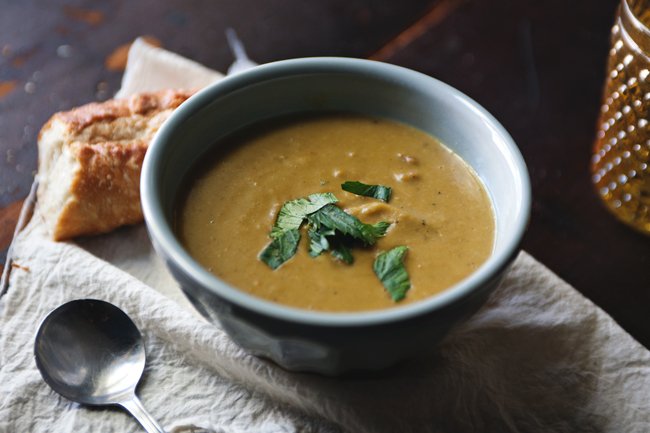
Chris and I split a can of clam chowder the other day. You know, the readymade stuff. I’d forgotten how convenient it was to prepare. You just slap it into a pot and let it come to a boil, and then it’s ready. I’d also forgotten how much I liked it. I hope you’re not shaking your head, shuddering at all the preservatives and chemicals we consumed. Seriously, when you’re in the need for a quick soup fix, canned clam chowder always hits the spot.
And with that, soup season officially began.
After the clam chowder, I immediately found myself craving split pea soup, which I didn’t realize involved tossing a part of a pig into a pot to simmer alongside green split peas and other ingredients. There’s something elusively tantalizing about the smell of smoked meat—it feels round. Round and whole and filling. I think it strikes an instinctual cord in me, the part that huddles as close to a fire as possible until the flames practically lick my hands. No, maybe not that close. I’m a tiny bit afraid of fire.

This soup is a mishmash of legume and vegetables, too. You know what they do? They soften, and sort of melt. The immersion blender finishes the job. The result reminds me of baby food. Green pea puree or something along those lines. Soupy mush in that rare not-quite-yellow, not-quite-green color. Winsome description, I know. But the flavor! I’m not so sure a baby would be able to handle such a taste explosion; it would be too much to process.
I hope you make a huge pot of this soup on a chilly day. You might want to open a couple windows, you’ll be so warmed to the soul.

SPLIT PEA SOUP
Adapted from Bon Appétit
Serves 6
Ingredients:
2 Tbsp butter
1 medium onion
2 cloves garlic
1 cup chopped celery
1 cup chopped peeled carrots
1-1/2 lbs. smoked pork hocks
2 tsp dried marjoram
1 tsp dried oregano
2 cups green split peas
6 cups water
Directions:
Melt butter in heavy large pot or Dutch oven over medium-high heat. Add onion, garlic, celery, and carrots. Sauté until vegetables begin to soften, about 8 minutes. Add pork, marjoram, and oregano; stir 1 minute. Add peas, then water, and bring to boil.
Reduce heat to medium-low. Partially cover pot; simmer soup until pork and vegetables are tender peas are falling apart, stirring often, about 1 hour and 10 minutes.
When ready, remove hocks. Using an immersion blender or regular blender (being careful not to overfill it), puree the soup. Cut pork off bones, dice it, and return to soup. Season with salt and pepper.
Related Posts
Subscribe for New Racipies
Get mental health tips, updates, and resources delivered to your inbox.