
How Much Caffeine Is in Starbucks Frappuccino Bottle? (9.5 oz Nutrition & Safety Guide)

Medically reviewed by Dr. Aris Thorne Updated Date: May 13, 2026
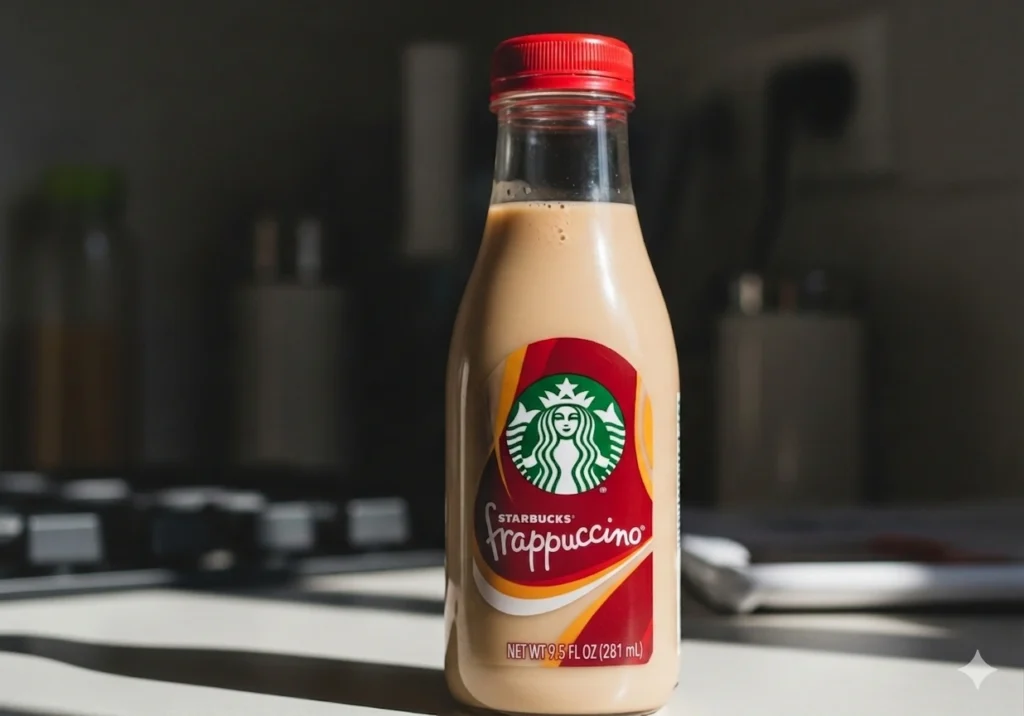
A 9.5 oz bottled Starbucks Frappuccino contains 90–110mg of caffeine in coffee flavors—about one cup of brewed coffee. Cream-based varieties may have less or none. Caffeine content varies by flavor, so check the label. If you’re sensitive or managing health conditions, consult your provider before enjoying these ready-to-drink treats.
As Dr. Amelia Vance, I often see patients in my clinic who rely on bottled coffee drinks to get through busy mornings without realizing how much caffeine and sugar they contain. One of the most frequent questions I hear is how much caffeine is in starbucks frappuccino bottle, especially from individuals who assume these beverages are a mild or “safe” source of energy.
For detailed breakdowns of various beverage caffeine levels, you can also reference our comprehensive Starbucks Frappuccino bottle caffeine guide.
Many patients grab these ready-to-drink coffees from grocery stores without checking the nutrition label, assuming they are no different from a standard cup of coffee. However, the combination of caffeine and added sugar can significantly affect energy levels, mood stability, and metabolic health.
According to the FDA’s caffeine safety guidelines, up to 400 milligrams per day is generally considered safe for most healthy adults, though individual sensitivity varies widely.
Recently, I treated a patient who reported feeling anxious, jittery, and completely drained by midday. After reviewing her daily routine, we traced her symptoms directly back to her morning bottled coffee habit.
Even moderate caffeine intake, when paired with high sugar content, can contribute to energy crashes, increased heart rate, and disrupted sleep patterns, as confirmed by research from the Sleep Foundation.
In this guide, I’ll break down exactly how much caffeine is in a Starbucks Frappuccino bottle, along with its sugar content and potential effects on your daily health, so you can make more informed choices. You can also compare Frappuccinos to other popular options in our caffeine calculator tool.
TL;DR: Quick Overview
- Standard 9.5 oz bottle: ~60–75 mg caffeine—a mild boost compared to home-brewed coffee (~95 mg).
- Flavor matters: Mocha (~75 mg) runs slightly higher than vanilla (~60 mg) due to cocoa content.
- Sugar is the bigger concern: Each bottle contains 30–35 grams of added sugar, which can spike blood glucose and trigger energy crashes.
- Daily safety: One bottle fits well within the FDA’s 400 mg daily caffeine limit for healthy adults.
- Clinical takeaway: Treat bottled Frappuccinos as occasional desserts, not daily staples, to protect metabolic health.
Stimulant Levels in the 9.5 oz Container
If you are looking for a quick and direct answer, we have the exact numbers for you. A standard 9.5 oz glass container typically holds about 60 to 75 milligrams of caffeine. This specific amount actively depends on the exact flavor profile you choose from the shelf, per USDA FoodData Central nutritional databases.
To put this into perspective, a regular cup of home-brewed coffee contains roughly 95 milligrams, according to the Harvard T.H. Chan School of Public Health. Therefore, these chilled glass beverages actually provide a slightly milder morning jolt. Furthermore, they serve as a moderate pick-me-up rather than an intense energy surge.
Consequently, many people easily tolerate one of these chilled beverages without feeling overly anxious. However, you must always account for other stimulant sources you might consume throughout the day. Drinking tea, soda, or eating dark chocolate will quickly add to your overall daily total.
Detailed Breakdown by Popular Flavors
Understanding the exact variations between different flavors helps you manage your daily intake perfectly. Each specific recipe uses slightly different ratios of coffee extract and flavoring ingredients. As a result, the final stimulant numbers fluctuate depending on your taste preferences.
Vanilla Flavor Profile
First of all, the vanilla option remains a massive favorite for many grocery shoppers. This specific variety typically delivers approximately 60 milligrams of the active stimulant per serving.
Because it relies heavily on sweet vanilla flavoring, it needs slightly less coffee extract overall. Therefore, it stands as the mildest option among the standard caffeinated lineup.
Mocha Flavor Profile
In contrast, the mocha variety packs a slightly stronger punch for your morning routine. You can expect roughly 70 to 75 milligrams per glass container when choosing this chocolatey drink.
This increase happens because cocoa naturally contains its own mild levels of stimulating compounds. When you combine chocolate with coffee extract, the total number naturally rises.
Caramel Flavor Profile
Finally, the caramel option sits comfortably right in the middle of the pack. This perfectly balanced beverage usually contains about 65 to 70 milligrams per serving.
It provides a steady, reliable boost without hitting the absolute highest end of the spectrum. Likewise, it perfectly balances sweet dessert flavors with a noticeable energetic lift.
Does the Bottled Version Actually Contain Real Coffee?
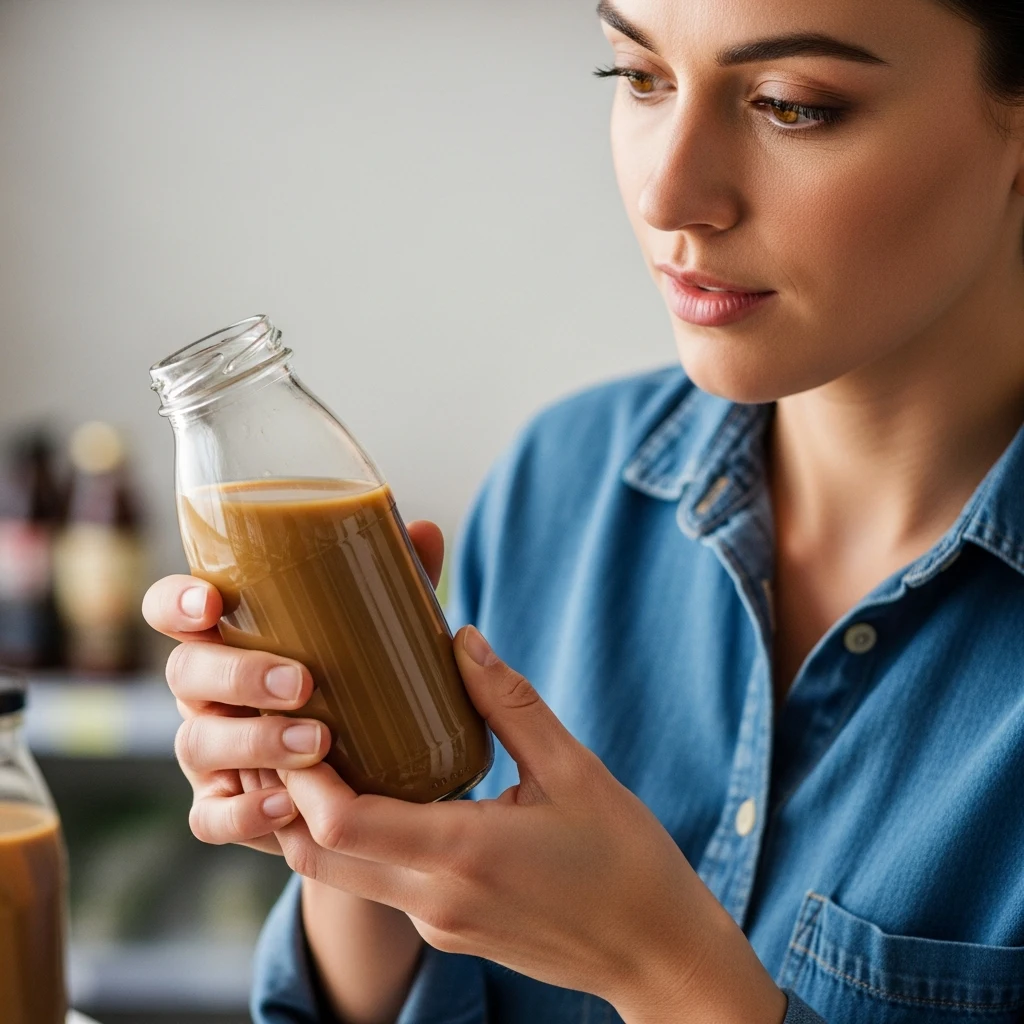
Many of my patients genuinely wonder if these sweet grocery items contain authentic coffee. Yes, the vast majority of these chilled glass options definitely utilize real coffee extract. This rich extract provides the baseline flavor and the active energetic boost you feel.
However, there is one major exception you must carefully watch out for in stores. The purely cream-based varieties usually contain zero coffee and zero stimulating properties.
Therefore, if you want a true morning lift, always double-check the front label. Specifically, look for the words “coffee beverage” to ensure you get what you need.
Comparing the Chilled Glass to the In-Store Grande
A fascinating comparison arises when we look at grocery store options versus cafe orders. Let us compare the 9.5 oz chilled glass to a 16 oz Grande made in-store. The differences in both volume and chemical composition are incredibly striking.
First, the standard 9.5 oz grocery option gives you that reliable 60 to 75 milligrams. Meanwhile, a freshly blended 16 oz Grande from the cafe easily hits 90 to 100+ milligrams, per our Starbucks caffeine content guide.
Consequently, ordering from the barista directly provides a significantly stronger physiological effect. Furthermore, the cafe versions often include extra espresso shots if you specifically request them.
Therefore, the grocery option actually serves as a much safer choice for sensitive individuals. It provides strict portion control and a perfectly standardized recipe every single time.
Understanding the Complete Nutritional Profile
As a medical professional, I always urge people to look beyond just the stimulant numbers. The complete nutritional profile of these 9.5-oz drinks deserves your immediate attention. Let us look closely at what else you ingest when you finish one of these.
A single container routinely packs between 180 and 200 total calories. While this might not seem massive, these are entirely liquid calories that digest incredibly fast. Furthermore, they provide virtually no dietary fiber to keep your stomach feeling full.
Additionally, you will consume roughly 3 to 4 grams of fat per serving. The most alarming metric, however, is the heavy load of added sweeteners. A single serving routinely contains roughly 30 to 35 grams of processed sugar.
Why Sugar is a Bigger Medical Concern
This brings me to a crucial clinical point that I discuss with patients daily. For most people, the massive sugar content is a much bigger health risk than anything else. Consuming 35 grams of liquid sugar instantly spikes your blood glucose levels.
Consequently, your pancreas must work aggressively to pump out insulin to manage this sudden spike. After the initial rush, your blood sugar inevitably crashes, leaving you feeling profoundly exhausted. This exact cycle is why my previously mentioned patient felt completely drained by noon.
Furthermore, routinely consuming this much liquid sugar directly links to severe metabolic health risks. It heavily promotes insulin resistance, unwanted weight gain, and chronic systemic inflammation over time, according to the American Diabetes Association. Therefore, treating these beverages as an occasional dessert is medically much safer than a daily habit.
Daily Safe Limits for Healthy Adults
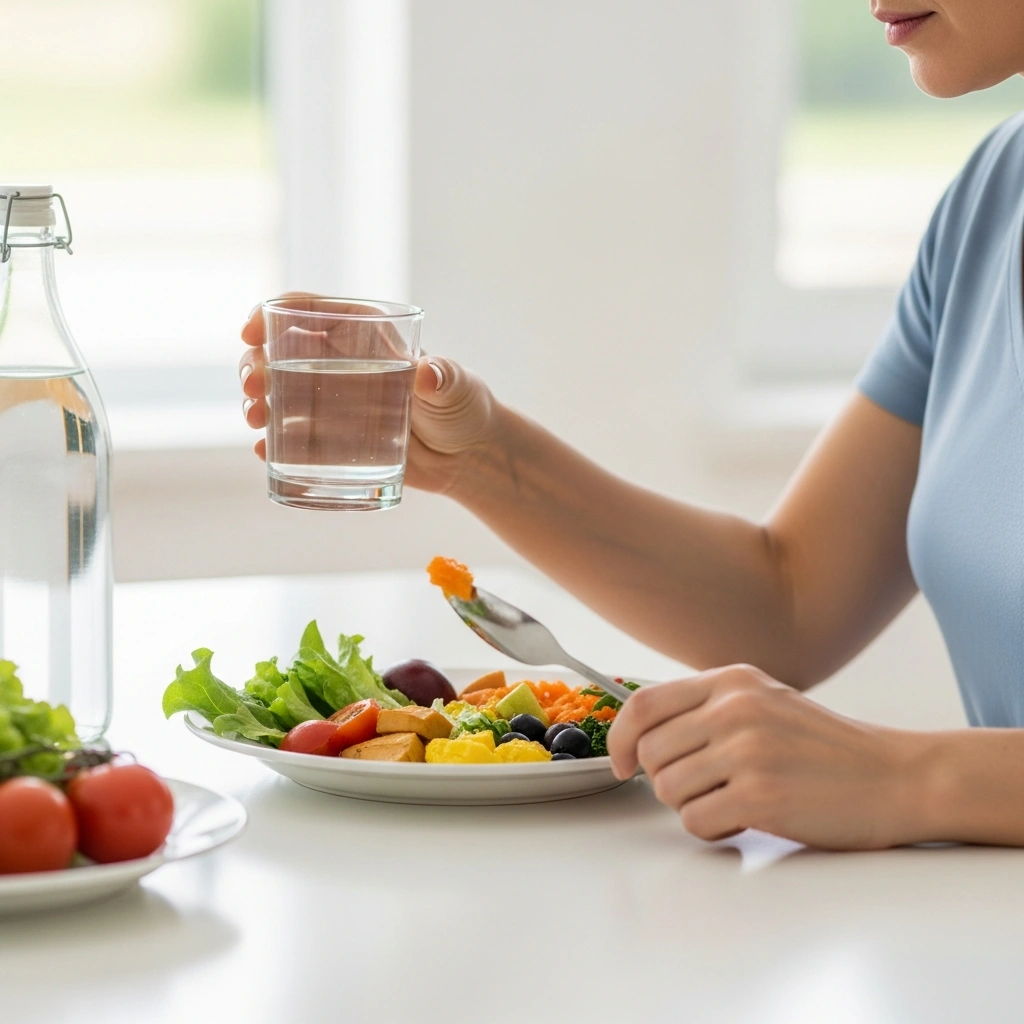
If you genuinely enjoy these beverages, you must understand the established medical safety thresholds. The Food and Drug Administration sets very clear guidelines for healthy adult consumption. Currently, they state that up to 400 milligrams daily is generally safe for most people.
This specific amount translates to roughly four or five cups of standard brewed coffee. Therefore, consuming one 60-milligram glass beverage sits well below the maximum daily threshold.
However, you must remember that individual tolerance varies wildly from person to person. Some individuals genetically metabolize these compounds quickly, while others process them incredibly slowly, per NIH genetic research.
Always listen strictly to your body’s unique physiological feedback. For personalized tracking, try our caffeine calculator by weight and age.
Who Should Strictly Limit Their Intake?
While generally safe for the majority, certain populations must exercise extreme caution. First, pregnant individuals should always heavily restrict their daily consumption. Most professional medical guidelines suggest staying well under 200 milligrams during pregnancy, according to ACOG pregnancy guidelines.
Additionally, people who struggle with clinical anxiety or panic disorders should avoid extra stimulation. These compounds actively trigger the release of adrenaline, which easily mimics a severe panic attack, as noted by the American Heart Association.
Furthermore, patients dealing with chronic insomnia must cut off their intake by early afternoon. Finally, anyone managing severe high blood pressure or cardiac arrhythmias should consult their primary physician immediately.
Recognizing the Side Effects of Overconsumption
Even if you fall below the 400-milligram limit, you might still experience negative side effects. The most common immediate symptom is an uncomfortable feeling of jitteriness or physical shaking.
Similarly, you might notice a suddenly increased or entirely irregular resting heart rate. This cardiovascular response can feel incredibly frightening if you do not expect it.
Moreover, consuming these products too late in the afternoon almost guarantees severe sleep disruption. If you toss and turn all night, your afternoon pick-me-up is likely the primary culprit, per the Mayo Clinic.
Healthier Alternatives for Your Daily Routine
If you want to protect your metabolic health, exploring better alternatives is highly recommended. You do not have to give up your morning energy boost entirely. Instead, you simply need to find options with a significantly better nutritional profile.
First of all, plain black coffee remains an absolute powerhouse for clean, calorie-free energy. If you hate the bitterness, try cold brew, which is naturally much smoother and naturally sweeter. For more on coffee’s properties, see our discussion on whether coffee is acidic.
Furthermore, making your own iced beverages at home gives you complete control over the ingredients. You can easily use unsweetened almond milk and a tiny splash of natural maple syrup. This simple swap saves you dozens of grams of processed sugar every single day.
For patients with acid reflux or GERD concerns, certain caffeinated beverages may exacerbate symptoms. Review our guide on foods to avoid with GERD for personalized dietary strategies.
Frequently Asked Questions
How much caffeine is in a 9.5 oz Starbucks Frappuccino bottle?
A standard 9.5 oz bottled Frappuccino contains roughly 60–75 mg caffeine. That’s slightly less than a home-brewed coffee cup. Flavor matters—mocha tends to run higher.
Always check the label before sipping. Track your total daily intake. Small awareness prevents jitters or sleep trouble. Your body deserves mindful fueling, not guesswork.
Is there caffeine in a Starbucks Vanilla Frappuccino bottle?
Yes—Vanilla Frappuccino bottles contain real coffee extract. You’ll get about 60 mg caffeine per serving. That’s a mild boost, perfect for afternoon sipping. But “mild” doesn’t mean caffeine-free. If you’re sensitive or avoiding stimulants, read labels carefully. Small choices create big comfort. Know what’s in your drink before you sip.
Which bottled Frappuccino flavor has the most caffeine?
Mocha typically leads the lineup with 70–75 mg per bottle. Why? Coffee extract plus cocoa adds up. Other flavors like vanilla or caramel run slightly lower. But differences are small. If you’re watching intake, check the nutrition panel. Flavor shouldn’t cost your calm. Track total daily caffeine across all sources.
Are these bottled beverages safe to drink every single day?
Caffeine-wise? Yes—60–75 mg fits safely within daily limits. But sugar-wise? Not ideal. Many bottles pack 30+ grams of added sugar. Daily consumption may impact weight, blood sugar, or dental health. Enjoy them as occasional treats, not staples. Your long-term health deserves better than liquid dessert. Balance is everything.
Does the caramel version contain real coffee?
Absolutely. Caramel Frappuccino bottles use real coffee extract. Expect roughly 65–70 mg caffeine per serving. That’s a gentle lift—not a jolt. If you love the taste but watch stimulants, this fits moderately.
Just remember: flavor doesn’t change caffeine content. Track your total intake. Small sips add up fast. Mindful choices support steady energy.
Is Starbucks Frappuccino safe during pregnancy?
The American College of Obstetricians and Gynecologists (ACOG) recommends that pregnant individuals limit caffeine to less than 200 mg per day.
Since a standard bottled Frappuccino contains ~60–75 mg, moderate consumption may fit within this threshold—but always consult your OB-GYN first. The high sugar content (30–35g) also warrants caution for gestational diabetes risk.
Conclusion
In summary, taking control of your daily nutrition requires a deep understanding of product labels. Knowing exactly how much caffeine is in a Starbucks Frappuccino bottle empowers you to make smarter choices. As a medical professional, I always encourage my patients to enjoy their favorite treats responsibly.
A 60 to 75 milligram boost is perfectly fine for your morning routine or afternoon slump. However, you must always respect the massive sugar load that comes alongside that energy boost. By treating these sweet beverages as occasional desserts, you protect your long-term metabolic health perfectly.
Always prioritize clean hydration, adequate sleep, and balanced nutrition for your primary energy sources. If you ever feel overly anxious or constantly fatigued, reevaluating your beverage habits is a great first step. Stay mindful, read your labels, and here is to your continued vibrant health!
For ongoing updates on beverage safety and nutrition science, bookmark our food and nutrition resource center. For additional personalized health guidance, consult resources like the National Coffee Association’s health research or speak with your healthcare provider about your individual caffeine tolerance and cardiovascular risk factors.
Evidence-Based References:
- FDA: Caffeine Safety Guidelines. https://www.fda.gov/consumers/consumer-updates/spilling-beans-how-much-caffeine-too-much
- Harvard T.H. Chan School of Public Health: Caffeine & Health. https://nutritionsource.hsph.harvard.edu/caffeine/
- USDA FoodData Central. https://fdc.nal.usda.gov/
- Sleep Foundation: Caffeine & Sleep. https://www.sleepfoundation.org/nutrition/caffeine-and-sleep
- Mayo Clinic: Caffeine Safety Limits. https://www.mayoclinic.org/healthy-lifestyle/nutrition-and-healthy-eating/in-depth/caffeine/art-20045678
- American Heart Association: Energy Drinks & Heart Health. https://www.heart.org/en/news/2019/05/29/energy-drinks-may-provide-jolt-to-heart-function-blood-pressure
- American Diabetes Association: Caffeine & Blood Sugar. https://diabetes.org/health-wellness/fitness/sports-drinks-impact-on-glucose-blood-sugar
- NIH PMC: CYP1A2 Genetic Variability Study. https://pmc.ncbi.nlm.nih.gov/articles/PMC2784188/
- ACOG: Caffeine During Pregnancy. https://www.acog.org/clinical/clinical-guidance/committee-opinion/articles/2010/08/moderate-caffeine-consumption-during-pregnancy
- CDC: Caffeine & Youth Nutrition. https://blogs.cdc.gov/nchs/2014/02/19/2035/
- National Coffee Association: Coffee & Health Research. https://www.ncausa.org/About-Coffee/Coffee-Health-Research
Related Posts
Subscribe for New Racipies
Get mental health tips, updates, and resources delivered to your inbox.
Candy Corn Creme Blondies

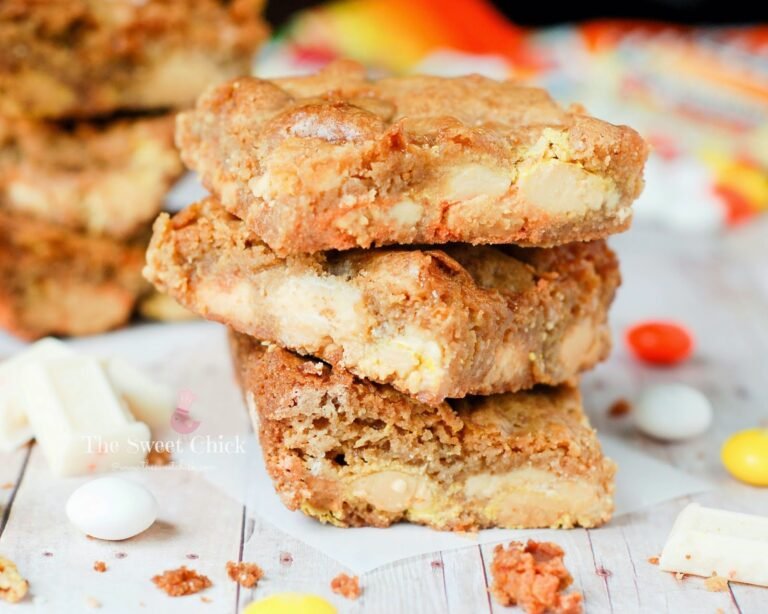

Apparently, I didn’t get rid of all my Halloween candy. I found a bag of Hershey’s Candy Corn Creme bars in the back of the pantry and I still had a bag of Candy Corn M&M’s that I hadn’t opened. The kids already had enough candy, so I needed to use these in some kind of dessert. Blondies came to mind, because I have never made them, not have I ever eaten them. Shocking isn’t it. I’m a chocaholic so I tend to migrate towards chocolaty desserts. These Candy Corn Creme Blondies may change that.

I wasn’t quite sure how these would turn out. I threw some marshmallows in for some extra creaminess.
I also added some extra M&M’s to the top for looks, but then it really didn’t matter when I took it out of the oven. They had all disappeared. They did take a bit longer than expected to cook and I thought I had burnt them. The edges looked like they would be hard, but they actually fell apart as you ate them and had a scrumptious caramel flavor. The middle of the bars are soft and chewy. Holy sugar rush though. I think I felt cavities forming just by taking a bite. But nothing a nice glass of milk or a cup of coffee wouldn’t cure.

Did this dessert turn out the way that I wanted? Nope. Did it look ruined and hideous? Yup. Does it taste super sweet? Absolutely. Could I eat just one piece? No way, Jose. I don’t know what it is about these bars, but they are like crack. The butter and sugar melted together to form a beautiful caramel that blended so well with the white chocolate and candy corn flavors. I normally don’t like things super sweet, but these are the exceptions. The kids loved them, hubby loved them, and the neighbors loved them. So I guess they weren’t ruined after all. I am going to have to make some more.
Candy Corn Creme Blondies
by The Sweet Chick
Prep Time: 15 minutes
Cook Time: 30-35 minutes
Keywords: bake dessert Hershey’s Candy Corn Creme bar Candy Corn M&Ms Halloween blondies bars American fall
Ingredients (9 squares)
- 1/2 cup butter, melted
- 1 cup light brown sugar
- 1 egg, lightly beaten
- 1 teaspoon vanilla extract
- 1/2 teaspoon baking powder
- 1/8 teaspoon baking soda
- pinch of salt
- 1 cup all purpose flour
- 1 cup chopped Hershey’s Candy Corn Creme bars
- 1/2 cup Candy Corn M&Ms
- 1/2 cup mini marshmallows
Instructions
Preheat oven to 350° F.
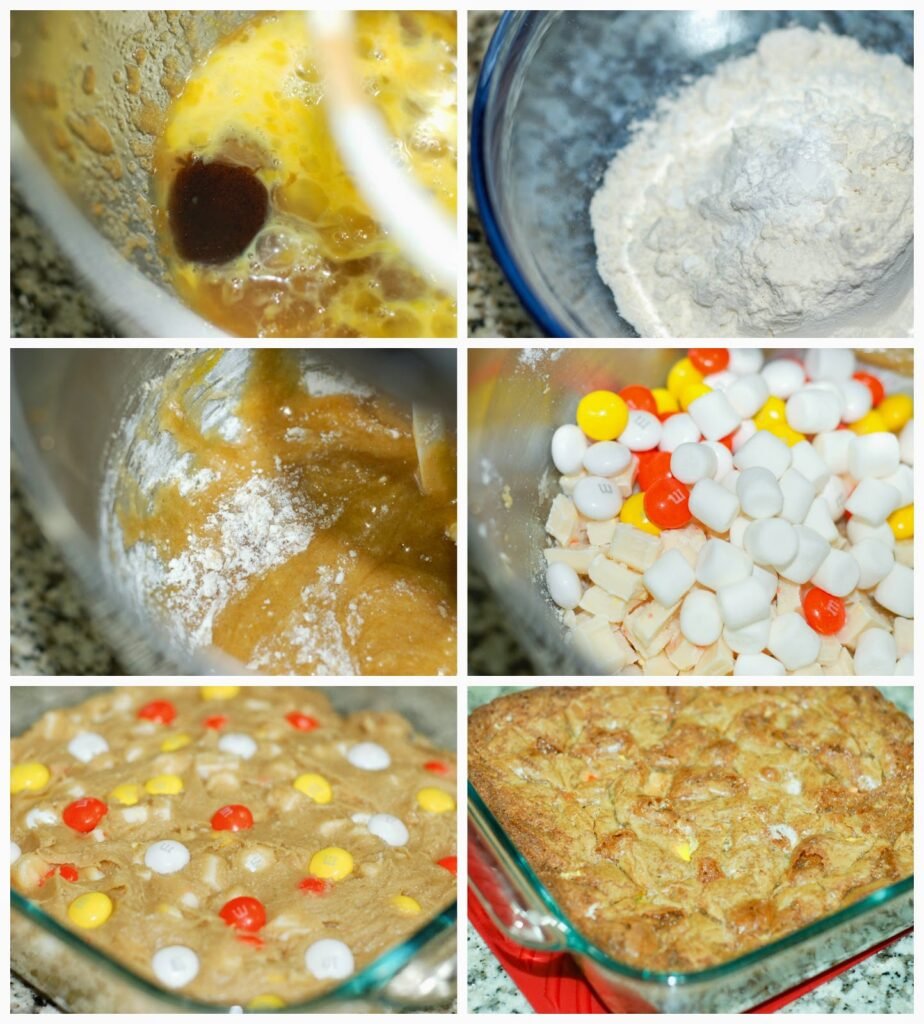
In a stand mixer, mix together the butter and sugar till well blended.
Then add the egg and vanilla. Mix well.
In a small bowl, mix together the baking powder, baking soda, salt and flour.
Add the flour mixture to the butter/sugar mixture and mix until well incorporated, making sure to scrap down the sides of the bowl.
Add in the candies and marshmallows, mixing until well distributed.
Pour mixture into a greased 8 x 8 pan. Smooth out the top with a spatula.
Place in oven and bake at 350°F for 30-35 minutes or until a toothpick inserted in the middle comes out clean.
Cool completely before cutting and serving. Enjoy!
Related Posts

Subscribe for New Racipies
Get mental health tips, updates, and resources delivered to your inbox.