
Caffeine Calculator by Weight and Age (Safe Dose, mg/kg & Sleep Impact Guide)

Medically reviewed by Dr. Aris Thorne Updated Date: May 3, 2026

In my preventive medicine clinic, I regularly see patients struggling with inexplicable anxiety, racing thoughts, and chronic insomnia. Often, they simply consume too many hidden stimulants throughout their busy days without realizing the cumulative biological impact.
They rarely understand how their physical size and developmental stage directly dictate their chemical tolerance. Therefore, using a precise caffeine calculator by weight and age becomes an essential, non-negotiable tool for protecting your personal health.
You must accurately measure your daily intake to prevent exhausting crashes and dangerous cardiovascular stress. By understanding your unique metabolic thresholds, you can finally optimize your physical energy without sacrificing restful nighttime sleep.
Today, we will explore exactly how to measure your safe daily limits using proven clinical formulas. Consequently, you will gain the exact knowledge needed to build a healthier, more balanced daily routine.
TL;DR: Quick Overview
- Most healthy adults can safely consume up to 400 mg of stimulants daily without adverse effects.
- Developing teenagers must strictly limit their total daily intake to 100 mg or less.
- The clinically safe dose generally ranges between 3 and 6 mg per kilogram of body weight.
- The chemical biological half-life lasts approximately 5 to 7 hours inside a healthy human liver.
- You should completely stop consuming all stimulating beverages at least 6 to 8 hours before bedtime.
How a Weight and Age-Based Stimulant Calculator Works
Understanding the fundamental math behind biological processing helps you make significantly smarter dietary choices. A standard chemical calculator uses your total body mass to determine the exact amount your liver can safely filter. Consequently, lighter individuals naturally require much smaller doses to achieve the same exact physical stimulation.
The basic clinical formula simply multiplies your total body weight in kilograms by a specific safe dosage range. Medical professionals typically recommend calculating between 3 and 6 milligrams of active compound per kilogram of total body mass. Therefore, finding your personal sweet spot requires some simple, basic multiplication.
| Body Weight | Low Dose (3 mg/kg) | Upper Range (6 mg/kg) |
| 50 kg | 150 mg | 300 mg |
| 70 kg | 210 mg | 420 mg |
| 90 kg | 270 mg | 540 mg |
Furthermore, you must always remember that calculated upper ranges must still respect established, general safety caps. Even if your body weight suggests a massive dose, you should rarely exceed the standard adult daily maximums.
What is the Safe Daily Limit for Coffee and Energy Drinks?

Establishing firm, evidence-based daily limits actively prevents accidental chemical toxicity and long-term adrenal fatigue. Major global health organizations clearly state that most healthy adults can safely consume up to 400 milligrams daily. This amount roughly equates to four standard cups of home-brewed drip coffee spread throughout your waking hours.
However, pregnant individuals must strictly reduce their total consumption to protect vulnerable fetal development. Obstetric guidelines consistently recommend staying strictly below 200 milligrams per day to prevent dangerous vascular complications. The powerful chemicals easily cross the biological placenta and heavily influence the developing baby’s fragile nervous system.
Similarly, pediatric guidelines strongly discourage any commercial stimulant consumption for young children under twelve years old. Their rapidly growing brains simply lack the necessary metabolic enzymes to process these powerful commercial chemicals effectively. Therefore, parents must vigilantly monitor hidden sources in dark chocolate treats, like dark chocolate cherry M&M cookies, sodas, and sports recovery drinks.
Evaluating Teen Intake: Is 114 mg a Lot for a 13-Year-Old?
Parents frequently ask me during routine pediatric checkups about specific commercial energy drink consumption. If you specifically wonder whether 114 mg of active stimulant is excessive for a 13-year-old, the answer is an absolute yes. Medical guidelines establish a strict, hard ceiling of 100 milligrams daily for all developing adolescents.
Consuming 114 milligrams rapidly overwhelms a young teenager’s immature central nervous system and cardiovascular pathways. This specific chemical overload almost immediately triggers intense physical anxiety, uncontrollable jitters, and severe classroom distraction.
Consequently, the child experiences a massive, unnatural energy spike followed by an exhausting, miserable afternoon crash, especially if paired with sugary snacks like mini hot chocolate donuts.
Furthermore, this excessive dosage heavily disrupts crucial adolescent sleep cycles necessary for proper brain development. Teenagers require deep, restorative sleep to regulate their shifting hormones and consolidate daily academic learning. Therefore, allowing a 13-year-old to consume heavy energy products directly damages their fundamental biological growth.
Understanding Dosing per Kilogram of Body Weight
Calculating your exact chemical dose per kilogram of body weight provides the most accurate clinical safety profile. In my daily practice, I categorize consumption into four highly distinct biological reaction tiers based on precise body mass. Understanding these specific physiological tiers helps you precisely manage your daily mental focus and athletic performance.
- 1 to 3 mg per kg: Consuming this amount creates a very mild, pleasant baseline stimulation. This low-dose tier effectively clears morning brain fog and gently elevates your resting heart rate without causing physical stress. Most casual morning coffee drinkers naturally fall right into this comfortable, easily manageable metabolic zone, perhaps while enjoying their breakfast maple bacon scones.
- 3 to 6 mg per kg: This range represents the optimal zone for enhanced athletic alertness. Sports medicine professionals frequently use this specific dosage to help athletes push through intense, grueling physical training sessions. However, you must carefully hydrate with water when operating in this elevated, highly active chemical tier.
- Approaching 6 mg per kg: This significantly increases your immediate risk of noticeable physical side effects. At this heavy threshold, your adrenal glands aggressively release massive amounts of circulating stress hormones. Consequently, you will likely experience uncomfortable stomach cramps, a rapidly racing heartbeat, and mild hand tremors that can make even holding your morning no-bake mochaccino cookies difficult.
- Exceeding 10 mg per kg: This pushes you directly into the dangerous, high-risk clinical toxicity zone. Your liver simply cannot produce enough specific CYP1A2 metabolic enzymes to clear the powerful chemicals rapidly. Therefore, the toxic compounds build up dangerously inside your bloodstream, requiring immediate medical evaluation.
High Intake Risk Thresholds and Potential Toxicity
Recognizing the specific physical symptoms of escalating chemical toxicity can literally save your life during an emergency. When you bypass your calculated safe limits, your central nervous system rapidly begins to malfunction and misfire. Consequently, you must closely monitor your body for any unexpected, severe physiological warning signs.
| Total Dose Level | Expected Biological Effect |
| 200–400 mg | Generally safe, enhanced focus |
| 400–600 mg | Physical jitters, acute insomnia |
| 600+ mg | Severe anxiety, heart palpitations |
| 1,000+ mg | Potential life-threatening toxicity |
If you accidentally consume over 600 milligrams, you must immediately stop all further stimulant intake and drink pure water. However, if you experience crushing chest pain or severe shortness of breath, you must contact emergency services immediately.
Biological Half-Life and Its Impact on Rest

You cannot properly manage your daily energy without understanding the critical concept of biological chemical half-life. The half-life literally represents the exact time your liver takes to eliminate fifty percent of the consumed substance. For most healthy, active adults, this complex metabolic process requires approximately 5 to 7 full hours.
For example, imagine you drink a strong commercial energy beverage containing 200 milligrams at three in the afternoon. By eight or nine o’clock that evening, a massive 100 milligrams still actively circulates throughout your central nervous system. Consequently, your brain simply cannot initiate the natural, chemical relaxation process required for deep sleep.
Furthermore, certain specific genetic variations can drastically extend this natural biological elimination window. Some of my patients lack the specific liver enzymes required for rapid chemical breakdown, stretching their half-life to ten hours. Therefore, you must carefully observe your own personal sleep patterns and adjust your daily intake accordingly.
Sleep Disruption and Cut-Off Times
Protecting your nocturnal rest requires implementing strict, non-negotiable daytime consumption cut-off schedules. I consistently advise my clinical patients to enforce a strict, absolute stop time at least 6 to 8 hours before their planned bedtime. This generous buffer successfully allows your hard-working liver to clear the vast majority of circulating stimulating compounds.
For instance, if you naturally aim to fall asleep by eleven o’clock at night, you must finish your final coffee by three or four in the afternoon. Any consumption after this critical afternoon window guarantees significant, measurable disruptions to your deep REM sleep cycles. Consequently, you will wake up feeling completely exhausted, forcing you to reach for even more morning stimulants.
Daily Limits Categorized by Body Mass
Quickly referencing a standard mass-based chart helps you make fast, incredibly smart dietary decisions on the go. Here is a simplified clinical breakdown showing how total body weight dictates your safe upper boundaries.
| Your Body Weight | Calculated Safe Daily Range |
| 60 kg | 180–360 mg |
| 75 kg | 225–400 mg |
| 100 kg | 300–400 mg (Max cap applies) |
Always remember that the 400-milligram absolute ceiling firmly applies regardless of how much you weigh. Even heavily muscled bodybuilders must respect this critical cardiovascular boundary to prevent serious arterial damage.
Mechanism of Action: How Stimulants Affect the Brain
Understanding exactly how these popular chemicals physically alter your brain chemistry empowers you to use them wisely. The primary active molecule deliberately mimics a naturally occurring, sleep-inducing chemical called adenosine. Consequently, the stimulant aggressively binds to your brain’s delicate adenosine receptors, physically blocking the natural fatigue signals.
Furthermore, while blocking the sleep signals, the chemical simultaneously triggers an exciting surge of natural dopamine. This sudden dopamine flood creates the highly recognizable feelings of intense motivation, elevated mood, and sharp mental clarity. Therefore, your brain heavily associates the morning beverage with highly positive, rewarding feelings, similar to the comfort of enjoying warm lemon thyme scones with a lemon cream cheese glaze on a Sunday morning.
Additionally, this complex neurological blockade aggressively forces your pituitary gland into a mild state of emergency. The gland signals your adrenal glands to rapidly pump adrenaline directly into your moving bloodstream. As a result, your breathing tubes open wider, your heart pumps faster, and your muscles prepare for immediate physical action.
Common Side Effects of Excessive Consumption
Ignoring your calculated physical limits almost always results in highly uncomfortable, disruptive physiological side effects. The most frequent complaint I treat involves sudden, overwhelming feelings of generalized clinical anxiety and impending panic.
The artificial adrenaline surge frequently tricks your nervous system into believing you face immediate, physical danger. Even seemingly harmless indulgences containing cocoa, like spiced dark chocolate hazelnut cookies, contain trace amounts of stimulants that can contribute to this overload if you aren’t careful.
Furthermore, heavy daily consumption aggressively irritates the delicate, sensitive lining of your entire gastrointestinal tract. Patients frequently suffer from severe acid reflux, sudden painful cramping, and unexpected urgent bowel movements. Therefore, you must heavily moderate your intake if you already suffer from sensitive digestive conditions.
Finally, chronic excessive use forces your beating heart to work substantially harder than nature intended. You may experience terrifying heart palpitations, skipped beats, or dangerously elevated resting blood pressure over time. Consequently, respecting your calculated personal limits protects your vital cardiovascular system from unnecessary daily strain.
Who Should Strictly Limit Their Intake?
Certain vulnerable patient populations must treat these commercial stimulating compounds with extreme, uncompromising caution. Individuals previously diagnosed with generalized anxiety disorders must heavily restrict their exposure to prevent sudden, severe panic attacks. The artificial physical stimulation perfectly mimics and frequently triggers existing psychological anxiety loops.
Additionally, anyone managing a diagnosed cardiac arrhythmia or chronic hypertension must consult their cardiologist immediately. Adding powerful, unregulated commercial stimulants to an already struggling cardiovascular system creates a highly dangerous, unpredictable clinical scenario. Therefore, protecting your damaged heart always takes strict precedence over a temporary afternoon energy boost.
Digital Tracking Apps and Monitoring Tools
Modern digital technology makes tracking your exact daily chemical exposure easier and more accurate than ever before. Many patients utilize convenient mobile tracking apps specifically designed to log every single milligram they consume daily. These smart applications beautifully calculate your personalized decay curves and perfectly predict your ideal nighttime sleep window.
Furthermore, combining a reliable smartphone intake tracker with a biometric wearable sleep ring provides incredible health insights. You can clearly, visibly see exactly how your afternoon tea directly degrades your nighttime heart rate variability. Consequently, this hard, undeniable digital evidence frequently motivates patients to finally change their daily consumption habits permanently.
Frequently Asked Questions
What amount per kilogram is considered completely safe?
Clinical professionals generally consider approximately 3 to 6 milligrams per kilogram of body weight to be highly safe and effective.
This specific calculated range successfully provides noticeable physical alertness without heavily overwhelming your central nervous system. However, you must always accurately track your total daily sum to ensure you avoid dangerous chemical accumulation.
What is the absolute maximum recommended daily limit?
Major health organizations officially establish the absolute maximum daily limit at exactly 400 milligrams for healthy, non-pregnant adults.
You should practically visualize this specific upper boundary as roughly four standard, home-brewed cups of black drip coffee. Exceeding this critical number significantly increases your immediate risk of developing severe anxiety and dangerous cardiovascular stress.
At what point does consumption become dangerously high?
Medical professionals strongly categorize any daily consumption exceeding 600 milligrams as excessively high and potentially dangerous. Pushing your sensitive body past this heavy threshold frequently triggers extreme jitteriness, severe digestive distress, and agonizing insomnia. If you accidentally consume over 1,000 milligrams, you risk entering a life-threatening state of acute chemical toxicity.
How many hours does the chemical remain active inside the body?
The active stimulating compound maintains a biological half-life of approximately 5 to 7 solid hours inside a healthy adult. This means your liver requires that entire duration just to successfully eliminate half of the original consumed dose. Therefore, a massive dose taken late in the afternoon will heavily disrupt your brain’s ability to sleep at night.
Can teenagers safely consume commercial energy products?
Teenagers must strictly limit their total daily intake to no more than exactly 100 milligrams from all possible sources. Their still-developing, highly sensitive nervous systems simply cannot safely process the massive chemical doses found in commercial energy beverages. Consequently, allowing adolescents to heavily consume these powerful products actively damages their sleep, focus, and overall biological development.
Conclusion
Properly managing your daily energy requirements demands a highly logical, mathematically sound approach to your personal health. Using a reliable caffeine calculator by weight and age actively removes the dangerous guesswork from your daily dietary routine. By understanding your exact personal thresholds, you can safely harness the benefits of these compounds without damaging your nervous system.
You must always remember that physical size, age, and liver metabolism heavily dictate how your body processes commercial stimulants. What functions as a perfectly harmless morning pick-me-up for a large adult can severely harm a developing teenager. Therefore, applying strict, mass-based clinical math actively protects your vulnerable cardiovascular system from unnecessary, silent daily damage.
Ultimately, true, sustainable biological energy stems directly from deep sleep, proper hydration, and excellent daily nutrition. You should never use artificial commercial beverages to constantly mask chronic physical exhaustion or a terrible nighttime sleep routine. By strictly respecting your calculated daily limits, you will achieve much better focus, a calmer mind, and significantly deeper rest.
Evidence-Based References:
- Food and Drug Administration — Spilling the Beans: How Much Caffeine is Too Much?
- StatPearls — Caffeine Toxicity
- National Institutes of Health — Energy Drinks
- National Institutes of Health — How Much Caffeine is Too Much for Young Adolescents?
- National Institutes of Health — Intake and Exposure to Caffeine
- American Academy of Pediatrics — Health Effects of Energy Drinks on Children, Adolescents, and Young Adults
- PubMed — Population pharmacokinetics of caffeine in healthy male adults using mixed-effects models
- PubMed — Caffeine Disposition in Obesity
- National Institutes of Health — Exercise and Sport Performance with Low Doses of Caffeine
- Centers for Disease Control and Prevention — The Buzz on Energy Drinks
- MedlinePlus — Caffeine
- American Heart Association — Caffeine and Heart Disease
Related Posts






Subscribe for New Racipies
Get mental health tips, updates, and resources delivered to your inbox.
Are Nature Valley Bars Healthy? Expert Analysis & Nutritional Insights

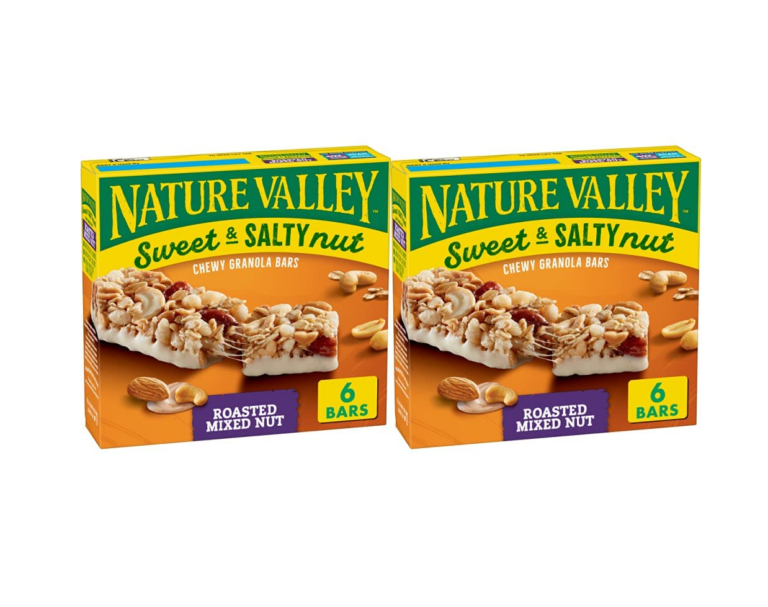
What’s better than a delicious, whole grain-packed snack that you can easily eat on the go?
In the case of Nature Valley bars, it’s easy to think that you’re eating healthy and fueling your body with fiber and vitamins. Why not? These bars have always been advertised as healthy snacks, with their simple ingredient lists and light nutritional values on the side of the box. But are nature valley bars healthy?
Nature Valley bars contain more calories than most candy bars, but they also contain ingredients that aren’t even food! They are often high in sugar and may contain unhealthy ingredients like palm oil. Plus, the bars are often processed and lack the nutritional benefits of whole foods.
Find out why Nature Valley bars may not be as healthy as you think in this article.
Are Nature Valley Bars Healthy?
It’s easy to believe that an item marketed as healthy must be good for you, but that isn’t always the case. Nature Valley bars are among the most popular snack bars on the market, but they may not be as healthy as you think.
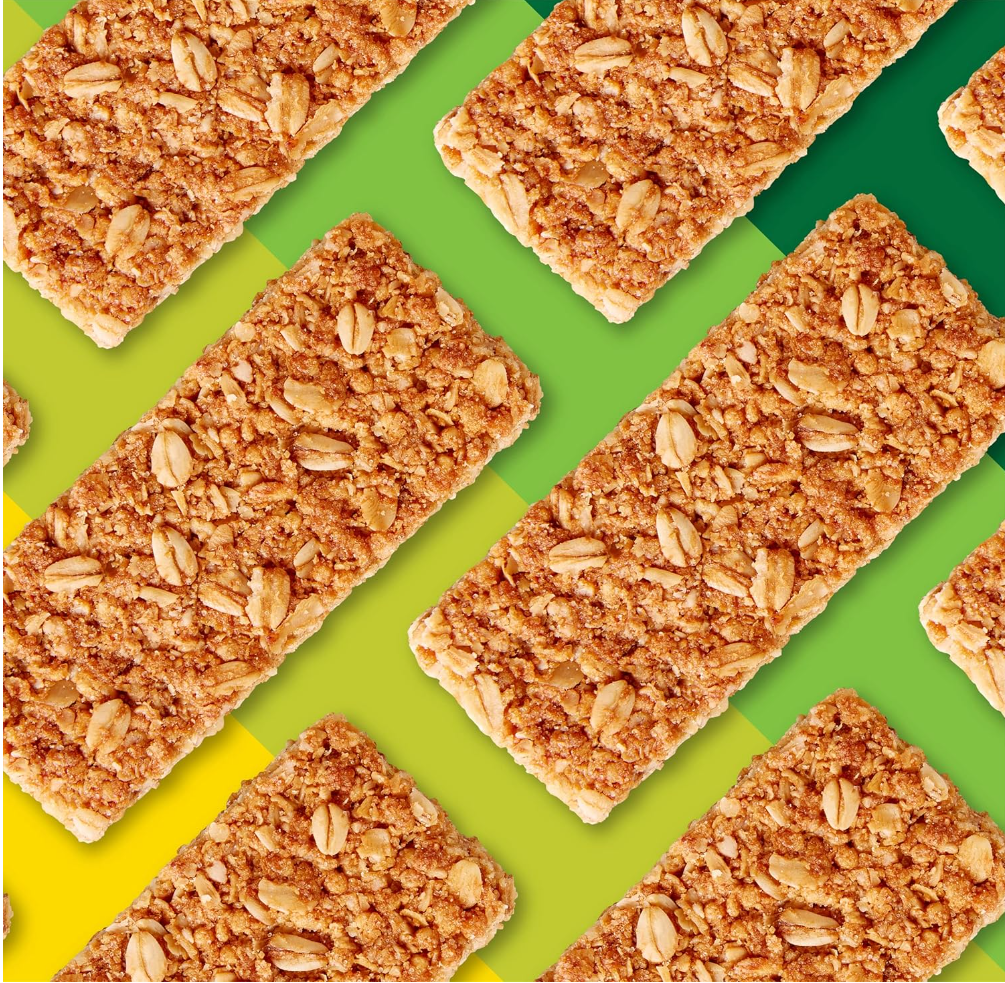
Although they are advertised as being 100% natural and delicious, there are actually numerous ingredients that would seem strange in any other food product. Let’s look at the reasons to avoid these bars.
| Nature Valley Bar | Calories | Fat | Saturated Fat | Sodium | Carbohydrates | Dietary Fiber | Sugars | Protein |
| Oats ‘n Honey Crunchy Granola Bar (2 bars) | 190 | 7g | 2.2g | 140mg | 29g | 3g | 6g | 2g |
| Peanut Butter Crunchy Granola Bar (2 bars) | 190 | 8g | 2g | 140mg | 28g | 3g | 5g | 3g |
| Sweet & Salty Nut Trail Mix Fruit & Nut Bar (2 bars) | 150 | 5g | 1g | 110mg | 25g | 3g | 6g | 2g |
| Almond Butter Crunchy Granola Bar (2 bars) | 180 | 7g | 2g | 140mg | 27g | 2g | 5g | 3g |
| Apple Cinnamon Crunchy Granola Bar (2 bars) | 170 | 7g | 2g | 140mg | 26g | 3g | 6g | 2g |
| Honey Almond Dark Chocolate Trail Mix Fruit & Nut Bar (2 bars) | 160 | 6g | 1g | 110mg | 26g | 3g | 6g | 2g |
High in sugar
While Nature Valley granola bars contain some healthy ingredients like whole grain oats and nuts, they also have a lot of sugar and processed ingredients. Sugar is often found in the form of brown rice syrup, honey, cane juice, corn syrup, chocolate, and fruit puree concentrate.
One bar contains nearly 6-12 grams of sugar, depending on the flavor of the bar. Their Fruit & Nut flavor bar range has comparatively less sugar (6-8 grams) than the Crunchy granola flavored bar range (10-12 grams).
Made From Processed Oil
While the ingredients in Nature Valley bars may be natural, the bars are made with processed oil. It means that the bars are high in unhealthy fats and calories. One of the main ingredients in Nature Valley bars is palm oil.
This oil is highly processed and refined, which means that it can be high in unhealthy saturated fats. Furthermore, some studies have shown that oils like palm oil may lead to higher cholesterol levels in people who eat a lot of it.
No Substantial Amount Of Fiber
Furthermore, Nature Valley bars have no protein or fiber content, making it difficult to control hunger and stabilize blood sugar levels. Fiber is an essential part of a healthy diet and helps keep you feeling full after eating. It means you may not feel satisfied after eating one and could end up snacking more later on.
The highest fiber content is Nature Valley’s variety of XL protein bars, which is 7 grams.
High In Calories
Counting calories? Unfortunately, Nature Valley bars cannot be your best ‘snack’ friend.
Nature Valley bars are often marketed as a healthy snack option, but they can actually be quite high in calories. This is because they are often made with processed ingredients and added sugars.
The most popular flavor, the chewy peanut butter chocolate chip bar, has 210 calories per serving. If you eat two of these bars in one sitting, you’ve consumed 420 calories- the equivalent of a McDonald’s hamburger!
Related Article: Are Nutri Grain Bars Healthy? Expert Insights and Nutrition Analysis
Deconstructing the Ingredients
Nature Valley bars, marketed as a wholesome snack, often list a variety of ingredients on their packaging. Let’s break down these components to better understand what goes into these bars.
1. Common Ingredients and Their Purposes
- Whole Grain Oats: A key ingredient known for its complex carbohydrates and fiber content, providing sustained energy.
- Sugar: Frequently used as a sweetener, it enhances the taste but can contribute to high sugar content.
- Vegetable Oils (Canola or Palm Kernel): These oils add moisture and texture to the bars but may contain saturated fats.
- Rice Flour: Often used for texture and as a binding agent.
- Honey or Syrup: Natural sweeteners that also help bind the ingredients.
- Salt: Used for flavor enhancement and as a preservative.
- Baking Soda: A leavening agent that affects the texture of the bars.
- Natural Flavor: Typically derived from real foods but may be used in small amounts for added taste.
2. Additives, Preservatives, or Artificial Flavorings
Nature Valley bars typically do not contain artificial flavors, colors, or preservatives. However, the “natural flavor” listed in the ingredients may raise questions about the specific sources.
3. Role of Sweeteners
Sweeteners like sugar, honey, or syrup are essential for enhancing the taste of Nature Valley bars. However, they also contribute to the sugar content, which can be a concern for those monitoring their sugar intake. The impact on the nutritional profile varies depending on the specific bar variety.
Is There Anything Good About Nature Valley Bars?
You might be wondering if your favorite brand of bars actually has something good stored in for you or not. Well, yes, nature valley bars have some good stuff in them. But will overweight people have bad sides eating them? Let’s see.
Contain Whole Grains
They contain oats in the form of whole grains. Oats are whole grain, and they’re packed with fiber and nutrients. Studies have shown that oats can help lower cholesterol, stabilize blood sugar levels, and even reduce the risk of heart disease.
While Nature Valley bars have some redeeming qualities, such as being made with whole grains, they also contain a lot of sugar and unhealthy fats. These ingredients can cause weight gain and lead to more serious health problems like diabetes or heart disease.
Contains Nuts
Different types of nature valley bars have different nut varieties. Unless you are not allergic to nuts, you will get a good source of protein, fiber, and healthy fats from them. You may think the presence of nuts can help you lose weight, lower your cholesterol, and reduce your risk of heart disease.
Despite the presence of these healthy ingredients, a single Nature Valley bar contains an unusual amount of calories, added sugar, and other preservatives, which overtakes all these health benefits.
Who Should Avoid Nature Valley Bars
Consuming Nature Valley bars is not harmful to health as long as you eat in moderation (supposedly 1 or 2 bars a week). However, if you fall under this category of people, you should count on how you eat these ‘so-called’ nutritious bars.
People Trying To Eat Healthily
If you are on a healthy diet or working out to lose that extra kilo, Nature valley bars are not for you to snack on.
Nature Valley bars are high in sugar and calories, leading to weight gain. They also contain artificial ingredients and preservatives, which may be harmful to your health. If you’re trying to eat healthily, it’s best to avoid Nature Valley bars.
Vegans Should Avoid
If you are following a vegan lifestyle, you should avoid a certain range of Nature Valley bars.
All the flavors from the Sweet and Salty bars and protein bars range of Nature Valley contain milk; therefore, it is not for vegan diets.
But, nature valley has some options for you in a completely vegan-friendly range which is their Fruit & Nut bars range. Moreover, the Crunchy Granola bar range is somewhat vegan, except for some which contain honey; simply avoid that!
Related Article: Are Waffles Healthy? Exploring Expert Insights for Nutritious Choices
Healthy Alternatives of Nature Valley Bars
While Nature Valley bars may seem like a healthy snack option, they are actually quite high in sugar and calories. If you’re looking for a healthier alternative, try one of these five options:
1. Cliff Bars
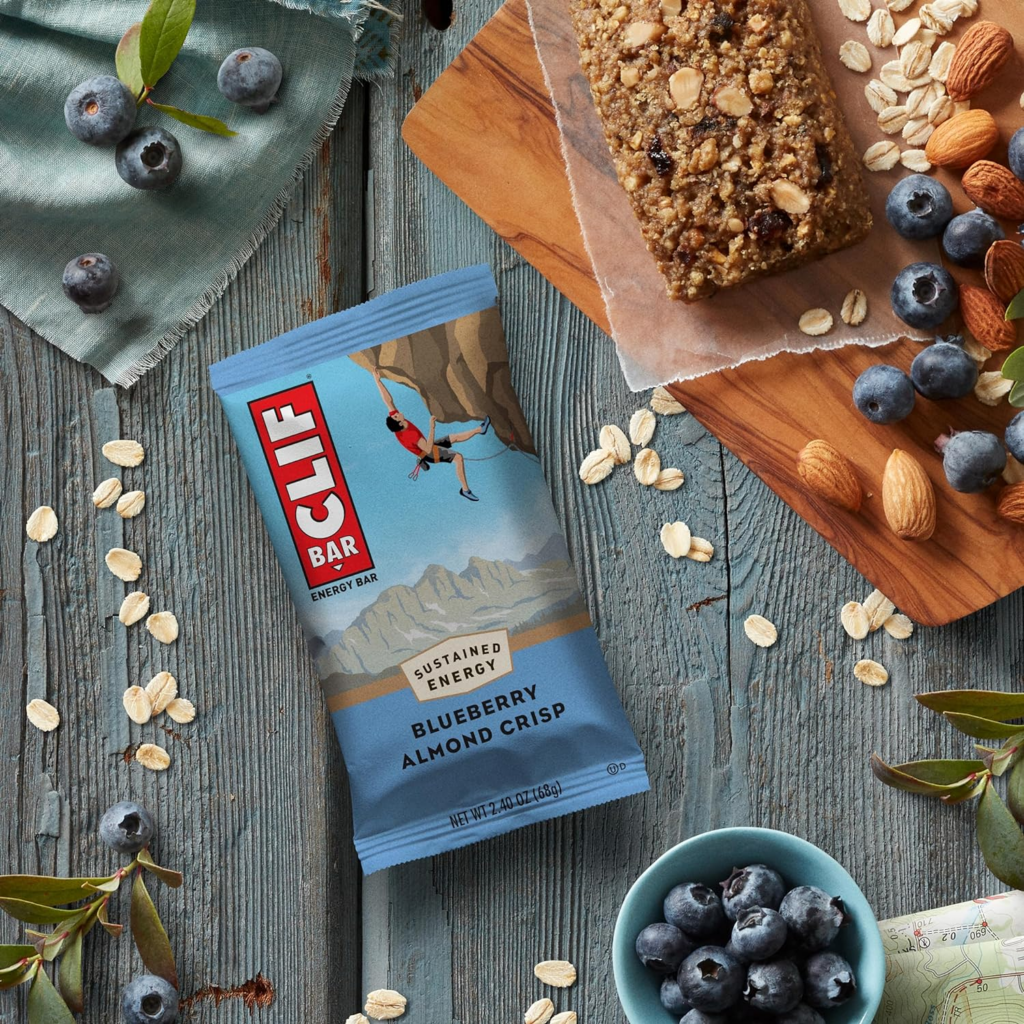
They have more protein and fiber than most nature valley bars. Clif Bars are a popular snack choice known for their higher protein and fiber content compared to most Nature Valley bars. Packed with nutritious ingredients, Clif Bars offer sustained energy and are a satisfying option for those seeking a more substantial and health-conscious snack. Get Clif Bar here.
2. Lara Bars

They have less sugar than most nature valley bars. Lara Bars are a great alternative to Nature Valley bars for those looking to reduce their sugar intake. These bars are known for their minimal ingredient lists, often consisting of just a few simple and natural components. With less sugar content, Lara Bars offer a wholesome and satisfying snack option for health-conscious individuals. Get LaraBar here.
3. KIND Bars
They are not only gluten-free but also vegan and non-GMO. They are made with all-natural ingredients, including nuts, seeds, fruit, and spices.

KIND Bars are a top choice for individuals seeking gluten-free, vegan, and non-GMO snack options. Crafted from a blend of all-natural ingredients like nuts, seeds, fruits, and spices, KIND Bars offer a delicious and health-conscious choice for those with dietary preferences and concerns. Buy KIND from Here.
4. Fruit by the Foot
This healthier option has half the amount of sugar as most nature valley bars. Fruit by the Foot is a healthier alternative to Nature Valley bars, boasting just half the amount of sugar.

These fruity snacks provide a sweet and satisfying treat with reduced sugar content, making them a preferred choice for those looking to enjoy a delightful snack without excessive sugar intake. Get it from here.
5. Homemade Granola Bars
If you’re looking for a homemade alternative to Nature Valley bars, consider homemade granola bars or a simple fruit and nut mix.
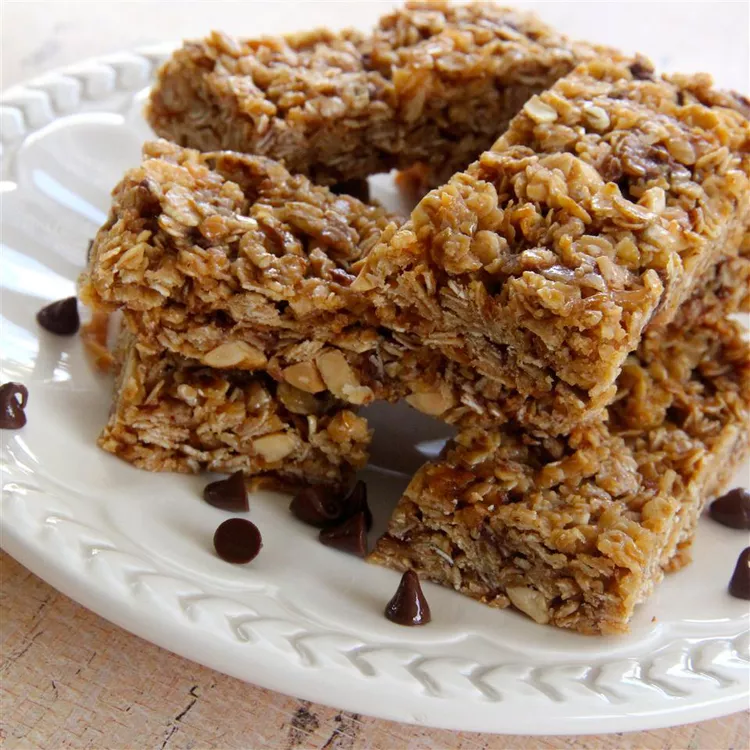
These options will likely be lower in sugar and calories and higher in fiber and nutrients, and of course, the best option than any packaged so-called healthy bars.
FAQs
Are nature valley bars good for weight loss?
While Nature Valley bars contain some healthy ingredients like whole grain and nuts, which might seem helpful in losing weight, they also contain a lot of sugar, calories, and other fattening ingredients. So, if you’re looking to lose weight, you may want to consider other options.
Are nature valley bars gluten-free?
Nature Valley has a whole range of gluten-free bars, where they specifically mention them as gluten-free. However, from that line, nature valley’s other bars are also made from non-glutinous whole grain oats. However, it is always better to read the labels to see if your preferred bars have gluten or not.
Are nature valley bars vegan?
Though Nature Valley markets itself as a health-conscious brand, not all of its products are vegan. In fact, some of its granola bars contain honey, an animal by-product. However, one of their bars- The Crunch and Fruit & Nut, is the most vegan-friendly of all as it seems not to contain any animal-derived ingredient like milk or honey.
Are nature valley bars dairy free?
Not all, but some of the nature valley bars are made for milk-free households. According to their ingredient labeling, the Nature Valley crunchy granola bars, Nature Valley oats & honey bars, and the Nature Valley Crunch and Fruit & Nut bars do not contain any dairy ingredients.
However, if you are completely lactose-intolerant, you may want to reassure yourself by reading the labels.
Final Thought
Are Nature Valley bars healthy? Its depend, while they often contain whole grains and nuts, providing essential nutrients and fiber, they can also be high in added sugars and unhealthy fats.
Nature Valley bars may not be what you’re putting into your body when you eat these supposedly nutritious snacks. Just because nature valley bars are labeled, natural doesn’t necessarily mean it’s healthy. In fact, many natural foods are processed and high in sugar, fat, and calories.
As such, you should always read the label on the bars before eating it to ensure you get the most nutritious version. If possible, head to Nature Valley’s website for more in-depth info about your favorite bars.
Related Posts
Subscribe for New Racipies
Get mental health tips, updates, and resources delivered to your inbox.