
Does Peace Tea Have Caffeine? (Flavor Breakdown, Ingredients & Safety Guide)

Medically reviewed by Dr. Aris Thorne Updated Date: May 4, 2026

In my daily clinic, patients often bring large, colorful beverage cans while waiting for their routine appointments. Just last Tuesday, a teenage patient sat on the exam table holding a massive 23-ounce can adorned with bright peace signs. Her mother immediately looked at me and asked, does peace tea have caffeine?
She was understandably worried about her daughter’s erratic sleep schedule and rising anxiety levels. Many people simply assume these sweet, fruity drinks are just harmless fruit juices, perhaps enjoying them alongside a sweet afternoon slice of olive oil cake. Consequently, they let their teenagers drink them late into the evening without a second thought.
However, as a medical professional, I always emphasize that we must look strictly past the clever marketing. Therefore, we are going to dive deep into this specific beverage today. We will explore the exact stimulant levels, analyze the core ingredients, and discuss how it impacts your overall metabolic health.
TL;DR: Quick Overview
- Yes, most flavors of this popular iced drink contain a mild neuro-stimulant.
- A standard 23-ounce can delivers roughly 23 to 30 milligrams directly to your system.
- Popular variations like Peach, Razzleberry, and Sno Berry all contain this active compound.
- It is absolutely not classified as a highly caffeinated commercial energy drink.
- The overall stimulant levels remain significantly lower than standard sodas or brewed coffee.
Exact Stimulant Amount in These Cans
Patients frequently ask me for precise chemical measurements when we discuss their daily dietary habits. Therefore, I always break down the exact numbers so people can track their intake accurately.
| Can Size | Approximate Amount |
| 23 oz Tall Can | ~23-30 mg |
| 16 oz Standard Can | ~15-20 mg |
| Per 100 ml Serving | ~6-10 mg |
Consequently, the medical community classifies this specific product as a very low-stimulant beverage. Furthermore, it contains much less of the active compound than a standard cup of green tea.
However, because the cans are exceptionally large, the total volume adds up very quickly. Therefore, you must always account for the massive 23-ounce serving size when calculating your daily limits.
Analyzing the Stimulant Presence in This Beverage
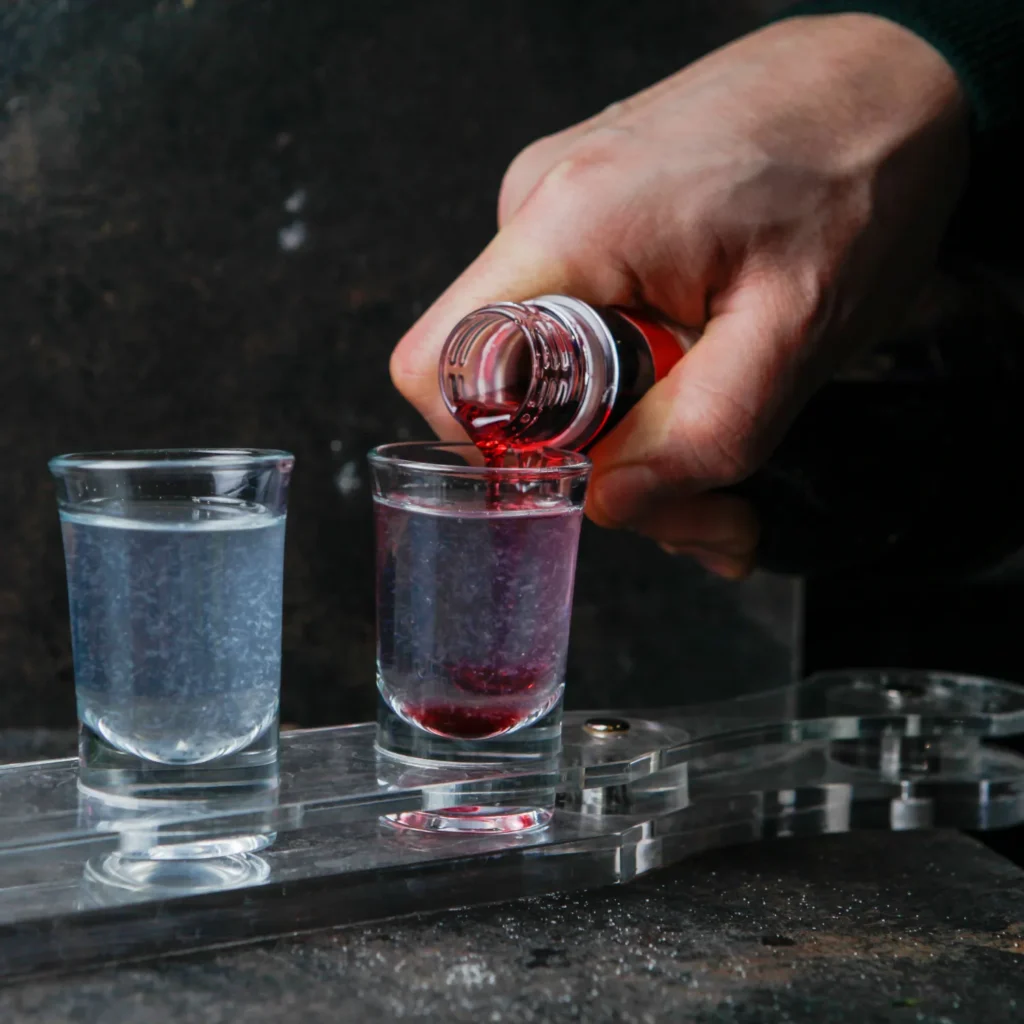
Yes, this sweet beverage absolutely contains a measurable amount of active neuro-stimulants. However, the exact source of this chemical compound is incredibly important for your overall bodily digestion.
The manufacturer does not pump isolated, synthetic chemical powders into the liquid formula. Instead, the compound naturally derives directly from the actual brewed black or green tea leaves used in production.
Consequently, your body metabolizes it slightly differently than the harsh chemicals found in aggressive sports drinks. Furthermore, natural tea provides a much smoother biological uptake without the sudden, violent nervous system spikes.
Comprehensive Flavor Breakdown and Profiles
When evaluating commercial beverages in my medical practice, we must analyze the entire product line. The parent company manufactures several distinct flavor profiles to capture a very wide consumer demographic. Therefore, understanding exactly what constitutes each flavor helps patients make much better nutritional choices. Let us comprehensively explore the primary variations you will typically find on grocery store shelves today.
First of all, the most popular variation is undoubtedly the Razzleberry flavor. This specific formulation utilizes a robust black tea base blended heavily with artificial raspberry flavoring. Consequently, it delivers a very sharp, sweet, and tart experience that heavily appeals to younger teenagers. Furthermore, the dark tea base naturally provides the underlying mild stimulant properties that consumers often fail to notice.
Similarly, the Sno Berry variation represents another massive seller for the beverage brand. This particular drink combines a lighter tea base with a distinct, sugary blueberry and white grape flavor profile. Many of my patients specifically prefer this lighter taste, assuming it is somehow biologically healthier, similar to how they view a homemade bowl of lemon frozen yogurt. However, it still contains the exact same underlying brewed tea extract, thus providing a nearly identical chemical load.
In addition, the Peach variation stands as a classic staple in the modern iced tea market. The manufacturer blends traditional black tea with strong peach aromatics to mimic Southern-style sweet tea. I often warn my diabetic patients that this specific flavor hides its massive sugar content exceptionally well behind the tart peach bite, sometimes packing more sugar than a heavy serving of pumpkin pie spice granola.
Furthermore, we must closely examine the Green Tea variation, which often confuses health-conscious consumers. Because it clearly says “green tea” on the label, shoppers instantly assume it offers profound medical benefits. While green tea leaves do possess natural antioxidants, the commercial brewing and heavy sweetening process significantly degrades these delicate organic compounds. Thus, you are primarily drinking sugar water with a very faint hint of actual green tea extract.
Finally, the Caddy Shack flavor mimics the famous Arnold Palmer half-and-half beverage style. It mixes brewed tea directly with sweet lemonade for a very tart, refreshing summer drink, reminding some of a refreshing glass of gin thyme lemonade. Consequently, the dilution with lemonade slightly alters the overall ratio of the brewed tea base. Nevertheless, it remains a heavily sweetened, mildly stimulating beverage that requires strict portion control in a balanced daily diet.
Stimulant Levels by Specific Variation
Patients often wonder if choosing a different fruit flavor changes their overall daily intake. Therefore, let us break down the exact chemical numbers based on the most popular commercial flavors.
The Razzleberry Profile
This dark berry option consistently delivers approximately 23 to 30 milligrams per massive 23-ounce can. Furthermore, the strong black tea base ensures this number remains relatively stable across different manufacturing batches.
The Sno Berry Profile
Similarly, this lighter blueberry option contains an almost identical range of 20 to 30 milligrams. Consequently, switching from raspberry to blueberry will not noticeably reduce your daily neurological stimulation.
The Peach Profile
This classic Southern-style flavor also utilizes a strong black tea foundation for its core taste. Thus, it predictably provides a moderate dose of roughly 20 to 30 milligrams per large can.
The Sweet Lemon and Caddy Shack Profiles
Because these variations mix tea with heavy lemonade flavoring, the exact ratio shifts very slightly. However, they still consistently contain the active tea-based compound, providing a nearly identical mild energy lift.
Is This Beverage Completely Stimulant-Free?
Many parents specifically look for zero-stimulant options when shopping for their active children. No, the vast majority of these bright, colorful cans are absolutely not stimulant-free.
Because the entire brand relies heavily on real brewed tea extracts, the chemical compound naturally persists. Furthermore, the company rarely manufactures completely decaffeinated versions for the standard consumer market.
Therefore, if you require a strictly zero-chemical beverage for medical reasons, this brand will unfortunately not work. You must carefully seek out herbal alternatives that do not utilize a black or green tea foundation.
Volume Comparison: 16 oz Versus 23 oz Cans
Portion sizes have grown completely out of control in the modern American food industry. Consequently, patients constantly miscalculate their actual liquid intake because they ignore the physical container size.
If you purchase the smaller 16-ounce can, you ingest roughly 15 to 20 milligrams of the active compound. However, the massive 23-ounce tall cans dominate most convenience store refrigerators today.
Therefore, drinking the larger size naturally pushes your total intake closer to 30 milligrams per sitting. You must always read the exact fluid ounces listed at the bottom of the aluminum can.
Analyzing Its Status as an Energy Drink
A concerned mother recently brought a can into my office, genuinely terrified it was a dangerous energy supplement. I immediately reassured her that the medical community absolutely does not classify this as an energy drink.
Traditional commercial energy drinks contain massive doses of synthetic stimulants, often exceeding 200 milligrams per serving. Furthermore, they heavily utilize unregulated chemical additives like taurine, guarana extract, and massive B-vitamin complexes.
This specific tea beverage contains absolutely none of those harsh, synthetic neurological modifiers. Thus, it remains a simple, mildly stimulating sweet tea, far removed from the aggressive energy drink market.
Does This Product Contain Alcohol?
Some of the colorful, psychedelic marketing occasionally confuses older consumers regarding the actual product category. No, this commercially available liquid does not contain any alcohol whatsoever.
It is strictly formulated and legally sold as a standard, non-alcoholic refreshment for general consumers. Furthermore, the brewing process completely halts before any natural fermentation can possibly occur in the vats. Therefore, it is entirely safe for underage consumption regarding strict alcohol laws and biological liver processing.
Examining the Core Ingredient Profile
As a physician, I teach my patients to completely ignore the front label and read the back ingredient list. The primary ingredient in this beverage is simply filtered water mixed directly with brewed tea extract.
However, the second ingredient is almost always a massive dose of standard industrial sugar or high fructose corn syrup. Furthermore, the manufacturer adds heavy citric acid to preserve the liquid and provide a sharp, tart bite.
Consequently, natural fruit juices account for an incredibly tiny, almost negligible percentage of the total volume. You are essentially drinking heavily sweetened, slightly flavored water with a very mild tea base, which is nutritionally very different from treating yourself to homemade apple pie donut holes.
Is This Beverage Bad for Your Health? (MD Review)
When analyzing the safety profile of this specific product, we must focus intensely on the macronutrients. The mild neuro-stimulant content is absolutely not the primary medical danger here.
The real clinical concern lies squarely in the massive, overwhelming sugar content found inside every single can. Many popular flavors contain between 30 and 60 grams of highly processed sugar per 23-ounce serving.
Consequently, drinking just one can forcefully spikes your blood glucose levels and severely taxes your pancreas. Over time, this massive daily sugar load significantly increases your risk for systemic inflammation and metabolic syndrome.
Furthermore, liquid calories bypass your body’s natural physical satiety cues entirely. Thus, you can easily consume hundreds of empty calories without ever feeling biologically full or satisfied, unlike eating a hearty, warm bowl of tomato soup.
While the hydration aspect provides a minor, basic biological benefit, pure water is infinitely superior. Therefore, I strongly advise my patients to treat this beverage as a rare dessert, not a daily hydration source.
Safe Daily Medical Intake Guidelines
Understanding your exact biological limits helps prevent chronic anxiety and severe, frustrating sleep disruptions. The FDA strictly states that healthy adults can safely consume up to 400 milligrams of neuro-stimulants daily.
Therefore, drinking one 30-milligram can barely registers against an adult’s maximum daily medical allowance. However, developing teenagers possess much more sensitive, highly reactive central nervous systems.
Medical guidelines strictly advise that adolescents should never exceed 100 milligrams in a single 24-hour period. Consequently, while one can is technically safe, multiple cans will quickly disrupt a teenager’s delicate natural sleep architecture.
How Tea-Based Stimulants Function Biologically

The specific chemicals found in natural tea interact with your human nervous system in a very unique manner. Unlike the harsh, rapid spike provided by synthetic powders, tea naturally contains a distinct amino acid called L-theanine.
Furthermore, L-theanine biologically binds with the active stimulants during the human digestive process. This specific biological pairing drastically slows the chemical absorption rate across your highly protective blood-brain barrier.
Consequently, you experience a much smoother, sustained mental alertness without the aggressive, shaking jitters. Therefore, tea-based beverages rarely trigger the severe, sudden afternoon energy crashes associated with harsh commercial sodas.
Corporate Ownership Information
Understanding the massive corporate structures behind our daily food helps explain certain marketing and formulation choices. The Coca-Cola Company completely owns and aggressively distributes this specific iced tea brand globally.
Consequently, they leverage their massive global supply chain to place these brightly colored cans in almost every store. Furthermore, this deep corporate backing ensures strict, highly consistent manufacturing standards across all their bottling facilities.
Retail Availability
Because a massive global distributor handles the logistics, you can locate this product almost anywhere. It universally populates the refrigerated sections of major grocery chains and tiny local convenience stores alike.
Furthermore, massive online retailers readily ship heavy, bulk cases directly to residential homes. Therefore, consumers enjoy incredibly easy, uninterrupted access to these heavily sweetened beverages year-round, making it harder to stick to whole foods and healthy snacks like baked sweet potato fries.
Frequently Asked Questions
Does the beverage contain active chemical stimulants?
Yes, most flavors naturally contain roughly 20 to 30 milligrams of the active compound per large can.
Is the product completely stimulant-free for sensitive individuals?
No, the standard commercial formulation relies on real brewed tea, which naturally provides a mild chemical lift.
How much of the compound exists in the popular Razzleberry variation?
The Razzleberry profile specifically delivers approximately 23 to 30 milligrams inside a massive 23-ounce container.
Does this commercial beverage contain any hidden alcohol?
No, it is strictly formulated and legally sold as a completely non-alcoholic, safe consumer refreshment.
Is this biologically considered a traditional, aggressive energy drink?
No, it entirely lacks the massive chemical doses and synthetic additives found in modern commercial energy drinks.
Conclusion
Navigating the modern beverage aisle requires a strong, foundational understanding of basic nutritional science. Companies deliberately use bright colors and wholesome words to mask heavily processed, sugar-laden liquids.
As a healthcare professional, my primary goal is providing you with total, unfiltered transparency regarding your diet. Understanding exactly how these liquids impact your cellular biology empowers you to make drastically better daily choices.
We have thoroughly analyzed the exact chemical profile of this popular, brightly packaged iced tea product. It absolutely provides a very mild, tea-based energy lift that remains well below standard medical danger zones.
Furthermore, its natural L-theanine content ensures this mild stimulation feels smooth rather than harsh or aggressive. However, you must remain incredibly vigilant regarding the massive, dangerous carbohydrate load hiding inside these large aluminum cans.
Consuming 60 grams of liquid sugar in one sitting will inevitably damage your long-term metabolic health. If you regularly struggle with weight management, chronic fatigue, or systemic inflammation, you must audit your liquid intake.
Simply replacing these sweet teas with pure, filtered water often resolves mild metabolic issues entirely. I always advise my clinic patients to prioritize clean hydration above all else. I sincerely hope this detailed medical breakdown clearly answers your pressing question regarding does peace tea have caffeine.
Evidence-Based References:
- Food and Drug Administration (FDA) — Spilling the Beans: How Much Caffeine is Too Much?
- National Center for Biotechnology Information (NCBI) — Adenosine, Adenosine Receptors and the Actions of Caffeine
- World Health Organization (WHO) — Use of Non-Sugar Sweeteners: WHO Guideline
- Mayo Clinic — Caffeine Content for Coffee, Tea, Soda and More
- Harvard T.H. Chan School of Public Health — Caffeine
- World Health Organization — Sugars intake for adults and children
- American Heart Association — Added Sugars
- The American College of Obstetricians and Gynecologists — Moderate Caffeine Consumption During Pregnancy
- Nutrients — Caffeine as a Factor Influencing the Functioning of the Human Body—Friend or Foe?
- Frontiers in Psychiatry — The Safety of Ingested Caffeine: A Comprehensive Review
Related Posts


Subscribe for New Racipies
Get mental health tips, updates, and resources delivered to your inbox.
My Little Cupcake

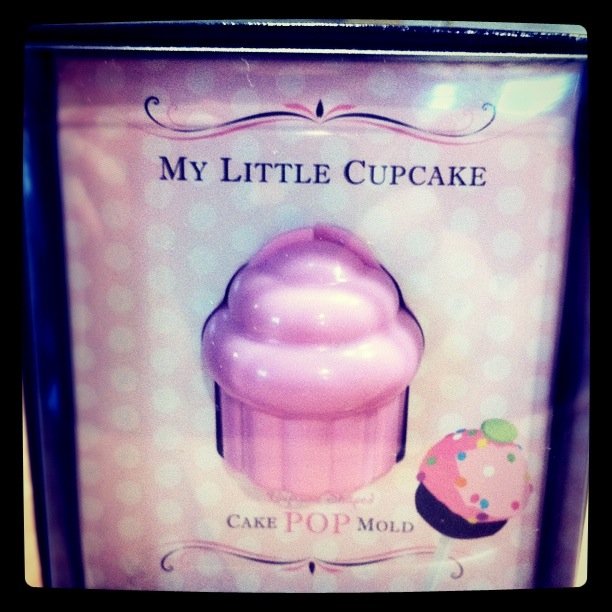
My friend bought me this cute little mold a while ago and I have been meaning to try it out. It’s to make cupcake pops like. It’s supposed to be super easy. I chopped up a package of Oreos in the food processor and mixed it with 8 oz of cream cheese. Then I took the batter and placed it in the mold and squeezed it together. Voila!
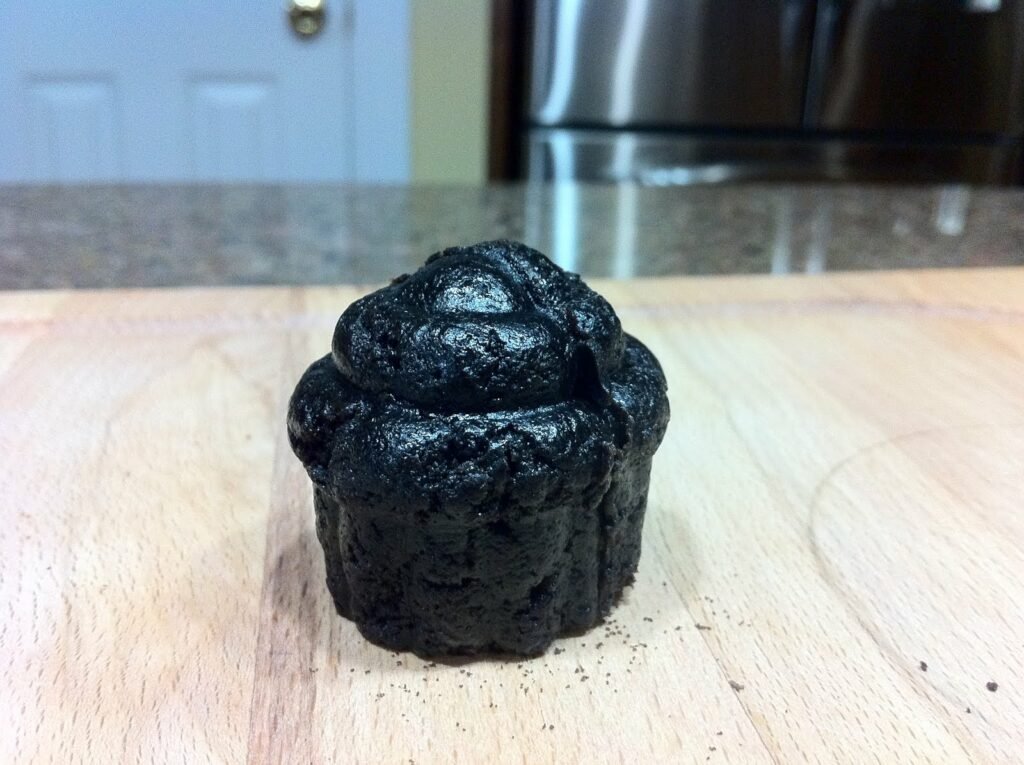
Looks good so far. I put the batch in the freezer overnight. Tomorrow I will work on dipping them in candy melt and decorating them.
Related Posts


Subscribe for New Racipies
Get mental health tips, updates, and resources delivered to your inbox.