
Are Falafels Healthy? Tasty & Nutritious Chickpea Bites!

Falafels? Or do you call it vegan kebab patties?
Well, whatever you debate over the scrumptious flavorful Middle Eastern delicacy is worth drooling over. All these vegan patties contain chickpeas/ fava beans, some flour, garlic, onion, and spices.
Still, the question may arise- are falafels healthy?
Falafels are rich in unsaturated (good) fat but low in saturated (bad) fat and have zero cholesterol as a vegan option. The chickpeas/ fava beans in falafel are rich in protein, iron, copper, folate, manganese, and fiber. But, falafel patties are deep-fried, which may increase their calorie count.
Since this Middle Eastern street food has been increasingly gaining popularity as a main dish or starter in Europe and North American cuisines, it is essential to know its positive and negative effects on health.
Nutritional Chart of 1 Falafel Patty
One falafel patty, or 20 grams of falafel, contains the following nutritional value.
| Nutrients | Amount | % Daily Value* (DV) |
| Calories | 83 | |
| Total Fat | 7.3 g | 9% of DV |
| Saturated Fat | 0.5g | 2% of DV |
| Cholesterol | 0 g | 0 % of DV |
| Sodium | 30 mg | 1% of DV |
| Total carbs | 3.7 g | 1% of DV |
| Dietary Fiber | 0.9g | 3% of DV |
| Protein | 1.1 g | |
| Potassium | 39.3 mg | 1% of DV |
| Iron | 1% | |
| Manganese | 6% | |
| Copper | 5% | |
| Folate | 5% of DV | |
| Vitamin B6 | 18% of DV | |
| Vitamin C. | 2.3% of DV |
One of the best things about falafel is the predominance of monounsaturated fat vs saturated fat. This ratio and zero cholesterol make it an excellent vegan option for active but health-conscious individuals.
High protein and complex carbs make it an energy-boosting food for almost any activity. Iron, manganese, copper, folate, Vitamin B6, and C are bonuses for stronger immunity, brain function, and metabolism. The only concern is the high sodium that may trigger issues like high blood pressure.
Related Article: Are Honey Bunches of Oats Healthy? Truth Revealed!
Are Falafels Healthy? 4 Factors Make Them Healthy
If you are an avid lover of meatballs, I would suggest you give up on that and introduce falafels to your plate. Here are some ways falafels are healthy; that will make it love more.
Fact 1 of 4: Easy on Your Stomach
Falafels are delicious, healthy, and filling. Since their primary ingredient is chickpeas or fava beans, you get a substantial amount of fiber from them. And we all know how important fiber is for better digestion and easy bowel movement!
You can keep constipation at bay by including falafel in your meal. Besides, a study suggested that regular consumption of chickpeas can promote intestinal health.
Is Falafel Good For Weight Loss?
Yes, falafel can be a good option for weight loss when consumed as part of a well-balanced diet and in moderation. Falafel is typically made from ground chickpeas or fava beans, which are high in protein and fiber, and can help keep you feeling full and satisfied, which may aid in weight loss efforts.
However, it’s important to note that the way falafel is prepared and consumed can greatly impact its healthiness for weight loss. Traditional deep-fried falafel can be high in calories and fat, which can contribute to weight gain if consumed in excess. To make falafel a healthier option for weight loss, consider baking or air-frying them instead of deep frying to reduce the amount of added fat.
Fact 2 of 4: Rich in Unsaturated Fats than Saturated Fat
Falafels are rich in monounsaturated and polyunsaturated fats, which benefit cardiovascular health. All thanks to the chickpeas used here.
Is Falafel Good For Cholesterol?
Unsaturated fats in falafels help to increase good cholesterol and lower bad cholesterol. As a result, you can avoid any potential heart disease. Plus, the amount of unhealthy fat is significantly lower than the good ones, preventing weight gain.
Fact 3 of 4: Get All Your Protein Here
Chickpeas and fava beans are rich sources of protein, plus you aren’t getting any fat or cholesterol in return- unlike meats.
Is Falafel High In Protein?
Falafels are one of the most healthy protein-based snacks. A single patty of falafel has 1.2 grams of protein. So if you have one serving of it (4-5 patties), you get 25% of your daily protein requirement. How cool is that?
Also, adding fava beans to your falafel gives you a massive iron boost. Iron is an important micronutrient for our immunity that we often overlook.
Fact 4 of 4: Filling Snack with Low Calories
If you are feeling hungry in the middle of the day, falafels can be the snack to fill you up without adding many calories. The rich protein and fiber can keep you filled till dinner.
If you are watching your weight, you can try keeping a few patties of falafels in your evening snack regime.
Related Article: Are Quesadillas Healthy? [5 Surprising Reasons]
Is Falafel or Chicken Healthier?
If you’re following a plant-based diet, falafel would be a healthier choice. On the other hand, skinless grilled or baked chicken may be a better choice if you’re looking for a low-carb, high-protein option.
Let’s compare some general nutritional aspects of falafel and chicken to understand their health benefits better.
Falafel
- Vegetarian/vegan-friendly
- Made from chickpeas or fava beans, which are high in fiber and protein
- Provides essential vitamins and minerals such as iron, folate, and magnesium
- Often deep-fried, which increases fat and calorie content
Chicken (specifically skinless, grilled or baked)
- High in lean protein, which helps build and repair muscle tissue
- Contains essential vitamins and minerals such as B vitamins, selenium, and phosphorus
- Low in saturated fat and calories when compared to fried or processed versions
What Makes Falafels Unhealthy?
Traditionally, falafels are deep-fried in oil, which makes them unhealthy. Eating them at restaurants or on the streets is more likely unhealthy because they are fried in hydrogenated oil high in saturated fats and cholesterol. Despite being made from healthy ingredients- it is what makes them unhealthy.
As a result, falafel lovers across the globe suffer from gastric, heartburn, or constipation as short-term issues. Whereas eating every day can lead to the buildup of unhealthy fats in the body leading to high cholesterol and weight gain.
So, if you wish to eat falafels every day as a meal, make them at home. Whereas consuming them outside should be an occasional thing.
Related Article: Are Burgers Healthy? 6 Tips to Turn Burgers Healthier
Healthier Ways to Make Falafel
Since falafels are deep-fried, you can make them more nutritious by baking them on a baking sheet lined with parchment paper or foil. A falafel patty has 83 calories, whereas oil contributes about 17 calories.
So, if you bake them instead of deep drying them, you can cut down a lot of unhealthy fats and calories from the falafel. Also, they’ll taste great without a lot of fat.
Airfrying falafel will give you a similar healthy outcome by reducing the calories. There will be no additional oil in the air fryer, so you don’t have to worry about weight gain or cholesterol.
Or, if you want to keep up with the traditional method of deep frying, substitute regular frying oil with cooking oils like coconut, olive, or avocado oil.
Traditionally, falafels are made with ground chickpeas and fava beans bound with flour and mixed with spices and herbs. So, there isn’t any ‘unhealthy’ ingredient to swap.
But if you want to add an extra protein punch, try adding some lentils. Instead of flour, you can add corn starch for gluten-free and a low-carb binder.
Also, if chickpeas irritate your stomach, you can replace them with cauliflower. Cauliflower has a similar texture when ground and provides additional nutrients like vitamins C, K, and folate.
Related Article: Are Fish Sticks Healthy – 10 Healthy And Unhealthy Facts
Healthy Ways to Eat Falafels: When & How To Eat
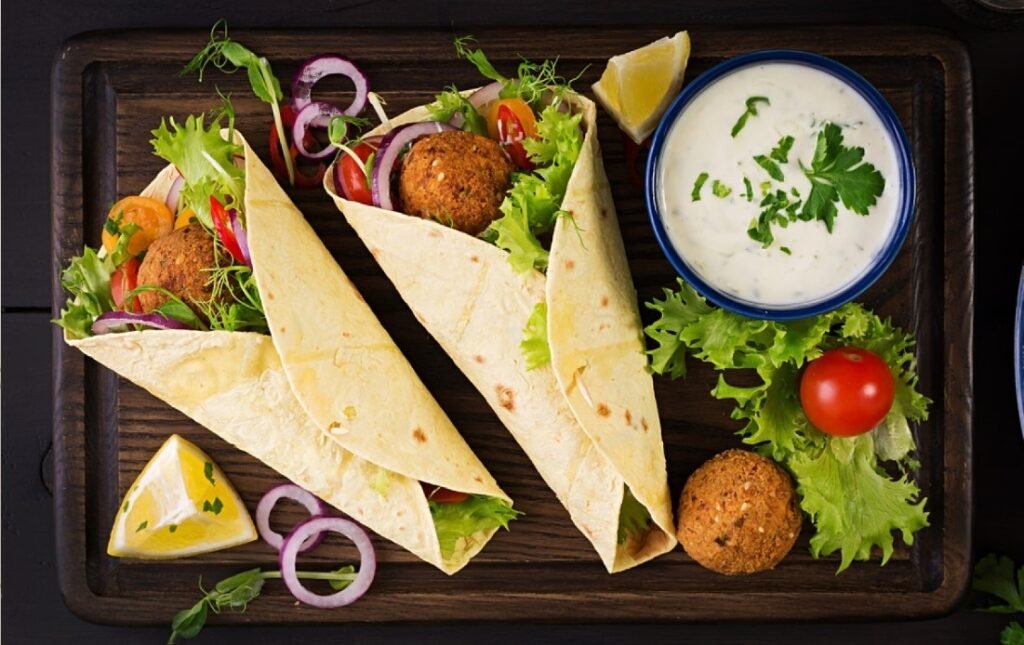
Falafels are delicious little balls of fried goodness that can be stuffed into pitas, eaten as sandwiches, used in salads, or added to rice dishes. You can have them as an appetizer or snack or as the main ingredient in wraps and burgers, an alternative to unhealthy meat fillings.
If you enjoy falafels in restaurants, limit yourself to 2 to 3 patties occasionally. However, if it’s homemade or, even better, baked, you might be able to get away with 1 or 2 more because they’ll be less greasy than fried ones.
Ensure you avoid eating them late at night. When you’re hungry and want something quick to eat, falafels can be a bad choice. Although they are packed with good-for-you fats, calories can add up when you have too many at a time leading to weight gain and other problems.
Related Article: Are Burritos Healthy? [Benefits and Risks]
Who Should Avoid Falafels
However, falafel is healthy for most; several people may consider it second.
Keto dieters
You may wonder what the harmless falafels have to do with keto dieters. If you ask, “are falafels keto” the answer is no, it’s not. One of the main ingredients in falafels is white flour, used as a binder, providing most of the carb content of the delicacy.
Also, legumes like chickpeas and fava beans used in falafels are a rich source of carbs, which is a big no-no for keto dieters.
Irritable Bowel Syndrome
If you have IBS (irritable bowel syndrome), legumes like chickpeas can further trigger the digestive condition.
Related Article: Are Crackers Healthy? Should you avoid or eat crackers
FAQs
Is Falafel Healthy for Weight Loss?
Falafel can be a healthy option for weight loss when consumed as part of a well-balanced diet and in moderation. While falafels are typically made from ground chickpeas or fava beans, which are high in protein and fiber, they are also usually deep-fried, which can increase their calorie and fat content.
To make falafel healthier for weight loss, consider baking or air-frying them instead of deep frying. Additionally, portion control is important, as eating too many falafels, even if they are baked, can still contribute to weight gain. Pairing falafels with plenty of vegetables and choosing whole grain options for wraps or pita bread can also make them a more nutritious choice.
Are Baked Falafels Healthy?
Yes, baked falafels can be a healthy option. Baking falafels reduces the amount of added fat compared to deep frying, making them lower in calories and fat. They are still a good source of plant-based protein and fiber from chickpeas or fava beans. Pairing baked falafels with plenty of vegetables and whole grains can make them a nutritious choice for a balanced meal.
Can I eat falafel everyday?
While falafel can be a delicious and nutritious addition to a balanced diet, it’s not recommended to eat falafel every day. Falafels are typically fried or baked patties made from ground chickpeas or fava beans, which can be high in calories and fat. Eating falafels in moderation as part of a well-rounded meal plan is recommended.
Are falafels healthier than meat?
Falafels can be a healthier alternative to meat for those who follow a plant-based or vegetarian diet. They are generally lower in saturated fat and cholesterol compared to meat-based options. However, it’s important to note that the nutritional content of falafels can vary depending on how they are prepared and cooked.
Is falafel high in carbs?
Yes, falafel can be relatively high in carbs due to its main ingredient, chickpeas or fava beans, which are naturally high in carbohydrates. However, the specific amount of carbs in falafel can vary depending on the recipe and serving size. It’s important to consider portion sizes and balance it with other foods in your diet if you are watching your carbohydrate intake.
Is falafel a Superfood?
Falafel is not typically considered a superfood. While it can be a good source of plant-based protein, fiber, and various vitamins and minerals, it doesn’t have the same nutrient density as some other superfoods like kale, spinach, or quinoa. It’s important to consume a variety of foods as part of a balanced diet for overall health and well-being.
Final Thought – So Are Falafels healthy?
Well, you can make falafel a part of your meal, considering you are making them at home at self-inspection. These little patty balls are much healthier than much so-called healthy food. The best part is that they are filled with more good than bad, positively impacting your overall health.
However, try avoiding the store-bought deep-fried ones and opt for a healthier version – homemade or baked to get the full benefits.
Related Posts




Subscribe for New Racipies
Get mental health tips, updates, and resources delivered to your inbox.
Butternut Squash Banana Muffins



I hope everyone had a delightful New Year. Mine was pretty adventurous. My husband, our two kids, and I drove up 14.5 hours to Connecticut to visit our families, then I took the kids on another 6.5 hour ride to Canada to see my grandma, aunts, uncles, and cousins. Thankfully the kids were terrific on both trips and they loved seeing everyone. The weather, on the other hand, was not so terrific. I had forgotten how cold it gets up there. But now I am back home, keeping warm with a cup of coffee and these Butternut Squash Banana Muffins.
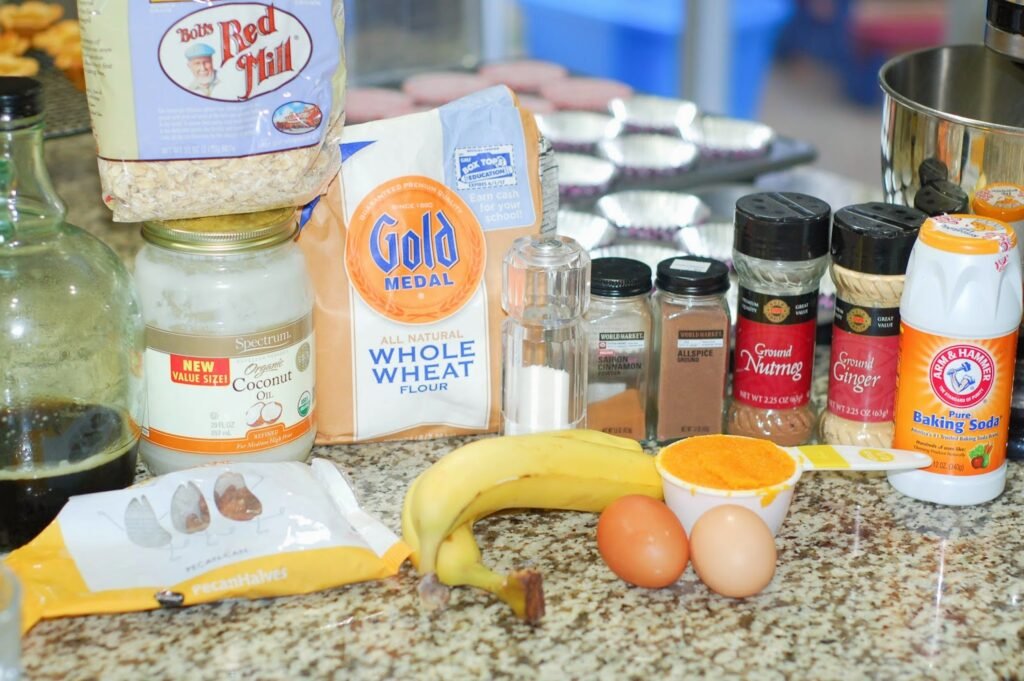
I like to have muffins on hand at all times. They make a great snack or quick breakfast on the run. And these have so many healthy ingredients like bananas, butternut squash, coconut oil, and rolled oats. They can also be easily frozen and defrosted, without losing any flavor. If you need help making butternut squash puree, just click here or here.

These Butternut Squash Banana Muffins came out quite fluffy and with lots of flavor. Another favorite to add to my list of muffins.

For more great muffin flavors, just check out the links below.

Strawberry Coconut Banana Muffins


Maple Strawberry Banana Muffins

Butternut Squash Banana Muffins
by The Sweet Chick
Prep Time: 15 minutes
Cook Time: 15- 18 minutes
Keywords: bake bread breakfast dessert snack healthy butternut squash banana maple syrup coconut oil bread muffins American fall winter
Ingredients (20 muffins)
- 1/2 cup pure maple syrup
- 1/2 cup coconut oil
- 2 eggs, room temperature
- 1/2 cup butternut squash puree
- 2 medium bananas, mashed
- 1 cup whole wheat flour
- 2/3 cup all purpose flour
- 1/2 teaspoon ground cinnamon
- 1/4 teaspoon ground ginger
- 1/8 teaspoon ground nutmeg
- 1/8 teaspoon all spice
- 1 teaspoon baking soda
- 1/2 teaspoon salt
- 3/4 cup rolled oats
- 1/2 cup chopped pecans
Instructions
Preheat oven to 375ºF.
Place solid coconut oil in a microwave safe bowl and microwave for about 20 seconds until melted.
In a stand mixer bowl add maple syrup, oil, eggs, mashed bananas, and squash puree. Mix on low speed until well blended and smooth.
Then add the flours, spices, baking soda, and salt. Mix on low until completely incorporated.
Next, add the rolled oats and pecans, mixing until they are evenly distributed.
Spoon batter into greased/lined muffin tins until about 3/4 full.
Bake at 375ºF for 15-18 minutes or until toothpick inserted in center comes out clean.
Remove from oven and enjoy warm with a dollop of butter or place on cooling rack and eat later.
Notes
You can replace spiced with 1 teaspoon pumpkin pie spice.
If you want to make them look prettier, you can sprinkle the tops of the batter with a bit of rolled oats before baking.
These muffins are freezer friendly. I just defrost them at room temperature and keep them in an airtight container.
Related Posts


Subscribe for New Racipies
Get mental health tips, updates, and resources delivered to your inbox.