
Are Pumpkin Soups Safe for Acid Reflux?

Medically reviewed by Aneeza Pervez Updated Date: January 5, 2026

Acid reflux, often referred to as heartburn, can be a frustrating condition. The burning sensation, bloating, and discomfort are often linked to what we eat. For those dealing with acid reflux, finding soothing, low-acid foods is essential to keeping symptoms at bay. Enter pumpkin soup: a creamy, comforting dish that many people enjoy, especially during the colder months. But is pumpkin soup safe for acid reflux sufferers?
Pumpkin is known for its mild flavor and impressive nutrient profile. Unlike acidic fruits and vegetables, pumpkin has a low acidity level, making it a potentially good choice for people with reflux. However, as with any dish, how it’s prepared and what ingredients are used can make a significant difference. Let’s explore whether pumpkin soup can be a reflux-friendly option.
Nutritional Profile of Pumpkin
Vitamins and Minerals in Pumpkin
Pumpkin is a powerhouse of essential nutrients. It’s rich in vitamin A, which supports eye health, and contains ample vitamin C and E, which are known for their antioxidant properties. Additionally, pumpkin provides potassium, magnesium, and a small amount of iron, all of which contribute to overall well-being.
Low Acidity Levels of Pumpkin
Unlike citrus fruits or tomatoes, research suggest that pumpkin has a naturally low acidity level. This makes it an ideal base for a soup that is gentle on the stomach. Its pH level ranges from 5 to 6, which is closer to neutral than acidic.
Pumpkin’s Digestive Benefits
Pumpkin is high in soluble fiber, which can aid digestion by promoting regular bowel movements and reducing the likelihood of bloating and discomfort. For reflux sufferers, this can mean less strain on the digestive system.
Related to Read: Is Pumpkin Puree Acidic?
Are Pumpkin Puree Safe for Acid Reflux?
How Pumpkin Soup Affects Acid Reflux?
Alkalinity of Pumpkin and Its Role in Soothing Reflux
The mildly alkaline nature of pumpkin can help balance stomach acid levels, which is a key factor in managing reflux symptoms. This makes pumpkin soup a soothing choice, especially when prepared with low-acid ingredients.
Impact of Pumpkin Soup’s Texture on Digestion
The smooth, creamy texture of pumpkin soup is easy to digest and less likely to irritate the esophagus or stomach lining. Unlike chunky or spicy soups, its consistency makes it a gentle option for those with sensitive stomachs.
Ingredients to Watch for in Pumpkin Soup
The safety of pumpkin soup for acid reflux depends heavily on the ingredients used. Cream, butter, and high-fat components can worsen reflux symptoms by relaxing the lower esophageal sphincter (LES). Similarly, spices like chili, garlic, or black pepper can be irritants. Choosing simple, reflux-friendly ingredients is essential for making the soup safe.
Author Tip: Is Pumpkin Soup Acidic?
Benefits of Including Pumpkin Soup in a Reflux-Friendly Diet
High Fiber Content and Digestive Health
Fiber in pumpkin helps promote healthy digestion, which is particularly important for reflux sufferers. Soluble fiber absorbs water and forms a gel-like substance in the stomach, aiding in smooth digestion and reducing acid buildup.
Nutrient-Dense but Low-Calorie Option
Pumpkin soup provides a wealth of nutrients without being calorie-dense. This makes it a satisfying yet light meal, helping to avoid overeating—a common reflux trigger.
Hydration and Its Importance in Reflux Management
Soups in general contribute to hydration, and pumpkin soup is no exception. Staying hydrated is crucial for maintaining optimal digestion and preventing acid buildup in the stomach.
Making Reflux-Friendly Pumpkin Soup
Choosing the Right Ingredients
Start with fresh or canned pumpkin (without added sugar or spices). Use low-fat milk, almond milk, or broth as the base to keep the soup light and reflux-friendly.
Avoiding High-Fat or Spicy Additions
Skip heavy cream, butter, or spicy seasonings. Instead, enhance the flavor with mild herbs like parsley, thyme, or a pinch of nutmeg for a soothing and delicious dish.
Recipe Ideas for a Gentle Pumpkin Soup
A simple recipe might include pumpkin puree, low-sodium chicken or vegetable broth, a splash of almond milk, and a sprinkle of cinnamon or nutmeg. Blend it for a smooth texture and serve warm, not piping hot, to avoid irritating the stomach.
Pumpkin Recipes: Maple Pumpkin Rice Krispie Treats
Pumpkin Spice Crepes with a Cinnamon Mascarpone Filling
Biscoff Pumpkin Cupcakes with Marshmallow Fluff Frosting
Foods to Pair with Pumpkin Soup for Reflux Sufferers
Whole-Grain Bread or Crackers
Pairing pumpkin soup with whole-grain bread or crackers can make the meal more filling while adding fiber. Whole grains help stabilize digestion and prevent acid reflux by keeping the stomach from becoming overly acidic.
Leafy Green Side Salads
A side salad with gentle greens like spinach, arugula, or kale complements pumpkin soup well. Avoid adding acidic dressings like vinegar or lemon; opt for a light olive oil drizzle instead.
Author Tip: Are Salads Healthy?
Mild Herbal Teas
Drinking mild, caffeine-free herbal teas like chamomile or ginger tea alongside your pumpkin soup can aid digestion. These teas are known for their soothing properties, which may help alleviate reflux symptoms.
Common Mistakes to Avoid When Eating Pumpkin Soup for Acid Reflux
Adding Too Much Cream or Butter
Heavy cream and butter are common ingredients in traditional pumpkin soup recipes, but their high-fat content can trigger reflux by relaxing the lower esophageal sphincter (LES). Using non-dairy milk or low-fat substitutes keeps the dish reflux-friendly.
Using High-Acid Toppings Like Tomatoes
Adding acidic ingredients like tomatoes or tomato-based sauces can make pumpkin soup less suitable for reflux sufferers. Stick to low-acid flavor enhancers like herbs and mild spices.
Overeating or Consuming Soup Too Hot
Large portions or extremely hot soup can irritate the esophagus and exacerbate reflux. To prevent this, eat smaller servings and allow the soup to cool slightly before consuming.
Pumpkin Soup vs. Other Soups for Acid Reflux
Comparison with Tomato Soup
Unlike pumpkin soup, tomato soup is highly acidic due to its base ingredient. Tomato soup is a common trigger for acid reflux and is best avoided if you’re prone to heartburn. Pumpkin soup is a milder, safer alternative.
How Pumpkin Soup Compares to Broth-Based Soups
Broth-based soups, especially those made with chicken or vegetables, are generally low in fat and easier on the stomach. While pumpkin soup can be just as gentle, its creamy texture makes it more satisfying for a hearty meal.
Creamy Soups and Reflux Risks
Other creamy soups, like those made with heavy cream or cheese, often have a higher fat content than pumpkin soup. These options are more likely to trigger reflux, making pumpkin soup a safer creamy alternative.
Alternatives to Pumpkin Soup for Reflux Sufferers
Sweet Potato Soup
Sweet potato soup shares similar benefits with pumpkin soup. It’s rich in fiber, vitamins, and has a naturally sweet, low-acid profile, making it another excellent option for those with acid reflux.
Carrot and Ginger Soup
Carrots are low in acidity and rich in nutrients, while ginger is known for its anti-inflammatory properties that can help with digestion. Together, they create a soothing soup ideal for reflux management.
Zucchini-Based Soups
Zucchini is an alkaline vegetable that works well in soups. Its mild flavor and high water content make it easy to digest and a good alternative to pumpkin soup.
Expert Tips for Managing Acid Reflux Through Diet
Importance of Portion Control
Overeating is a common trigger for acid reflux, even when consuming low-acid foods like pumpkin soup. Eating smaller portions and savoring your meal can help prevent discomfort.
Identifying Personal Food Triggers
Each person’s triggers for acid reflux may vary. While pumpkin soup is generally safe, it’s essential to pay attention to your body’s reactions and adjust your diet as needed.
Role of Consistent Meal Timings
Irregular meal timings can disrupt digestion and increase the risk of acid reflux. Eating your meals at consistent times each day can improve digestion and reduce symptoms.
FAQs About Pumpkin Soup and Acid Reflux
- Can pumpkin soup trigger acid reflux?
- Pumpkin soup is unlikely to trigger acid reflux if prepared with low-fat and low-acid ingredients. However, personal tolerances may vary.
- Is canned pumpkin safe for reflux-friendly soups?
- Yes, canned pumpkin is safe as long as it doesn’t contain added sugars, spices, or preservatives.
- How often can you eat pumpkin soup with acid reflux?
- You can include pumpkin soup in your diet several times a week, provided you prepare it with reflux-friendly ingredients.
- Are spicy pumpkin soups suitable for reflux sufferers?
- Spicy soups can irritate the stomach and trigger reflux symptoms. Stick to mild seasonings and avoid hot spices like chili or cayenne pepper.
- What are other soothing ingredients to add to pumpkin soup?
- Gentle ingredients like ginger, cinnamon, nutmeg, or coconut milk can enhance the flavor of pumpkin soup without increasing acidity.
Conclusion
Pumpkin soup can be a safe and delicious option for acid reflux sufferers when prepared with care. Its low acidity, nutrient density, and smooth texture make it a gentle and satisfying meal. By avoiding high-fat and spicy ingredients, and by consuming the soup in moderation, you can enjoy this comforting dish without worrying about triggering reflux symptoms.
So, the next time you’re craving a warm bowl of soup, give pumpkin soup a try—your stomach might just thank you!
Related Posts





Subscribe for New Racipies
Get mental health tips, updates, and resources delivered to your inbox.
Are Watermelons Healthy? Nutrition Facts and Health Benefits


Watermelon is a delicious and refreshing fruit that is also very healthy. It is packed with nutrients, including vitamins A and C, potassium, and magnesium.
Watermelon also contains lycopene and citrulline, two plant compounds that may have health benefits. Yet, the question lingers: Are watermelons truly healthy?
Join us on a journey through the nutrition facts and health benefits of this beloved fruit to uncover the delicious truth. Read on!
Are Watermelon Healthy?
Yes, watermelon is a healthy fruit. It is low in calories and fat, and it is a good source of vitamins A and C, as well as potassium and magnesium. Watermelon also contains antioxidants, which can help protect the body from damage.
1 Cup Diced Watermelon nutritional content (157 grams):
| Nutrient | Amount | Percent Daily Value (%DV) |
| Calories | 46 | 2% |
| Fat | 0.2 g | <1% |
| Saturated fat | 0 g | 0% |
| Polyunsaturated fat | 0.1 g | <1% |
| Monounsaturated fat | 0.1 g | <1% |
| Cholesterol | 0 mg | 0% |
| Sodium | 1.5 mg | <1% |
| Potassium | 170 mg | 5% |
| Carbohydrates | 11 g | 4% |
| Dietary fiber | 0.6 g | 2% |
| Sugars | 9.4 g | |
| Protein | 0.9 g | 2% |
| Vitamin A | 865 IU | 17% |
| Vitamin C | 12 mg | 20% |
| Calcium | 11 mg | 1% |
| Iron | 0.4 mg | 2% |
| Magnesium | 15 mg | 4% |
Watermelon is a good choice for people who are trying to lose weight or maintain a healthy weight. It is also a good choice for people with diabetes or other dietary restrictions.
Top 5 Health Benefits of Watermelon
Watermelon has long been considered a nutritious, healthy fruit that’s both delicious and fun to eat- but are there real health benefits to adding it to your diet? It turns out that the answer is yes.
While most people associate watermelon with hot summer days and picnics, this fruit actually has several nutritional benefits that make it an excellent addition to your diet year-round.
Here are some of the many benefits of watermelon that will have you eat it daily! (in no particular order)
Good for Weight Loss
You must be wondering how watermelon is good for weight loss.
Watermelon is low in calories but high in water content, making it an excellent food for weight loss. The high water content can help you feel full and eat less overall, and the nutrients in watermelon may help boost your metabolism.
Besides, the fiber content increases too, which can help you feel full longer, making you less likely to overeat later.
Prevents Growth of Cancer Cells
In addition to being loaded with vitamins and nutrients, watermelon also contains lycopene, an antioxidant known to lower the risk of developing certain types of cancer by protecting cells from damage, for example, prostate cancer and other cancers.
Keeps You Hydrated
Watermelons are high in water content. So, it makes them an excellent way to stay hydrated while providing several essential nutrients.
Improves Hair Growth
People often say that consuming a lot of watermelons is suitable for your hair because it provides the essential hydration needed to keep strands and follicles healthy. While this may be true, there are other ways to care for your hair.
Anti-inflammatory Properties
Recent research has shown that watermelon may have anti-inflammatory properties. These properties help reduce the body’s inflammatory responses and improve symptoms of allergies, asthma, inflammatory bowel disease, rheumatoid arthritis, and type 2 diabetes.
Watermelon Side Effects Due To Overeating
Did you know that consuming too much watermelon can cause health problems?
It might seem counterintuitive, but there are three health risks of consuming watermelon (that you didn’t know about). Here they are. You’ll never look at the popular summer fruit the same way again.
Risks Of Too Much Vitamin A
Too much vitamin A can be dangerous as it can increase the risk of osteoporosis and cancer. For pregnant women, too much vitamin A can cause congenital disabilities.
There is also a chance that some people will experience allergic reactions to eating watermelon due to the fact that they are allergic to melon or cucumber, both of which are in the same family as watermelons.
Risks Of Too Much Lycopene
Lycopene is what gives watermelon its rich red color. It has been thought to protect against cancer, heart disease, and macular degeneration. However, too much lycopene can also be harmful to some people with diabetes or kidney problems.
Also, eating large amounts of lycopene-rich foods may result in diarrhea, stomach cramps, nausea, vomiting, and dizziness.
Risk of too much fructose
Watermelon is a high fructose (fruit sugar) fruit. According to the USDA, 100 grams of watermelon has 6 grams of fruit sugar. Studies have also shown that overconsumption of high-fructose fruits has been linked to increased body weight, belly fat, and triglycerides.
Risks Of Too Much Oxalic Acid
Oxalic acid is the compound that makes many fruits and vegetables taste sour, apples, oranges, and rhubarb. It also has a mild laxative effect, so people who eat a lot of these foods will sometimes get an upset stomach or diarrhea.
Although the concentration of oxalic acid in watermelon is less than 0.5%, it is still there. And consuming too much oxalic acid can lead to oxalate kidney stones or gout.
Risk Of Too Much Citric Acid
Because the fruit contains an acid called citric acid, which is present in high concentrations when the watermelon is under-ripe, this could be bad for tooth enamel. Usually, a cup of watermelon contains around 12 milligrams of vitamin C, which can be easily overconsumed if you do not control the portion.
Watermelon vs Watermelon Juice- Which One is Healthy?
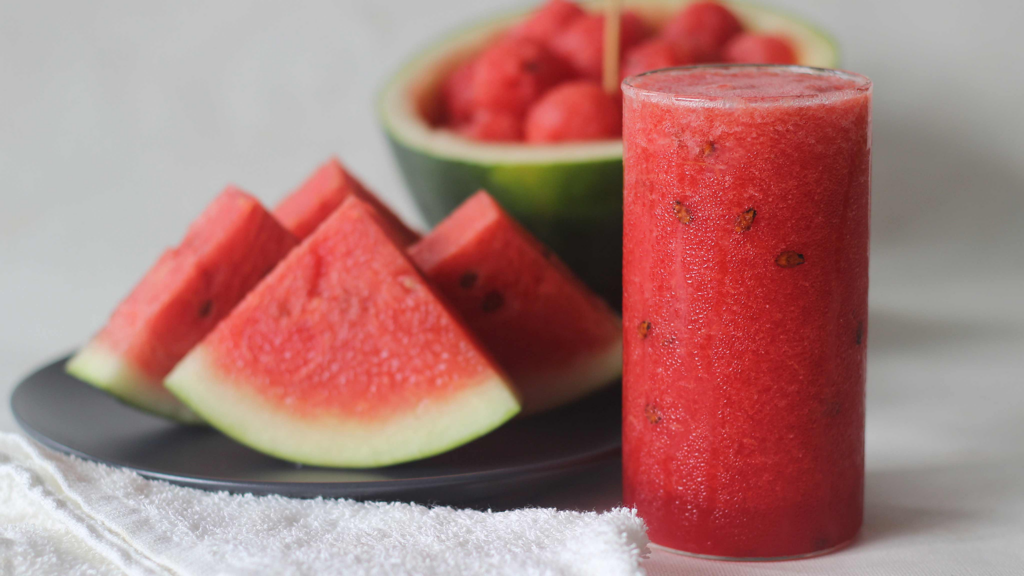
Watermelon is delicious, but in order to reap the maximum benefits, it should be consumed as whole fruit, not in juice form.
The first problem with watermelon juice is that it lacks the fiber that comes from the skin and pulp of fresh watermelon. A cup of watermelon contains around two to three grams of fiber, while only trace amounts are found in one cup of watermelon juice.
Consuming less than 20 grams of fiber daily can lead to constipation and other digestive problems. This is definitely something to consider if you’re relying on watermelon juice for your daily dose.

Is Watermelon Water Good For You?
Although you will get the same amount of hydration from watermelon juice as you would with consuming the fruit, you risk consuming additional sugar through the juice.
It is evident that fruit juices contain added sugar. So, when the added sugar in the juice is combined with the natural fructose of watermelon, you tend to consume a lot of sugar at once.
Therefore, consuming whole watermelon fruit instead of juice is a healthy option.
How many watermelons Should I Consume Every Day?
Watermelon has high amounts of lycopene and even more significant benefits when combined with selenium, zinc, and copper. It contains other nutrients like beta-carotene (vitamin A), lutein, potassium, folate, and vitamin C.
That said, some caveats can come with overeating watermelon. Eating excessive watermelon over a short time can harm one’s health, as you have seen above.
You might have yet to realize this, but the amount of watermelon a person should consume varies. Some people will be able to have a little more than others and still stay within the recommended daily serving size. Consuming a maximum of one or two cups of watermelon won’t do any harm to a healthy individual.
If you are too concerned about how much is right for you, speak with your doctor or calculate the nutritional information from the chart above.
FAQs
Are watermelons healthy for diabetics?
For people with diabetes, the sugar in watermelons can be problematic if consumption is not controlled. Watermelons have natural sugars called fructose, which can trigger the condition when consumed too much at a time.
Are watermelons healthy for pregnancy?
Watermelon is one of the healthiest fruits to consume during pregnancy. Pregnant women suffer from constipation, so the high fiber content in watermelon helps ease it.
This fruit also keeps their body hydrated and nourished. Also, the numerous healthy vitamins and minerals in the fruit are good for fetal development.
Is watermelon good for diarrhea?
Diarrhea means excessive loss of water from the body. Since watermelon is rich in water, consuming it when you are suffering from diarrhea can help your body with hydration.
In this case, consuming watermelon juice is better to avoid the fiber intake, as drinking too much fiber during diarrhea can increase the condition.
Are watermelons good for gastritis?
Watermelon is a safe fruit to eat even if you have gastritis. It won’t trigger or worsen the condition because watermelon is a low-acidic or alkaline fruit.
A fully ripe watermelon has a pH level of 9. It helps to neutralize the acid produced in gastritis.
Final Thought
Are watermelons healthy? Yes, watermelons are healthy fruit as mother nature has instilled many good things in them; we all know that. But excess of anything has an adverse effect, and that’s what I was trying to show you.
You might have been stuffing your tummy with watermelon, thinking it won’t affect your health negatively. Although it won’t harm you in a single day or two, you should stop immediately if you continue doing it for the entire summer season.
Related Posts






Subscribe for New Racipies
Get mental health tips, updates, and resources delivered to your inbox.