
Is Lemonade Good for You? Learn All About It Here!

Medically reviewed by Christiana George Updated Date: January 2, 2026
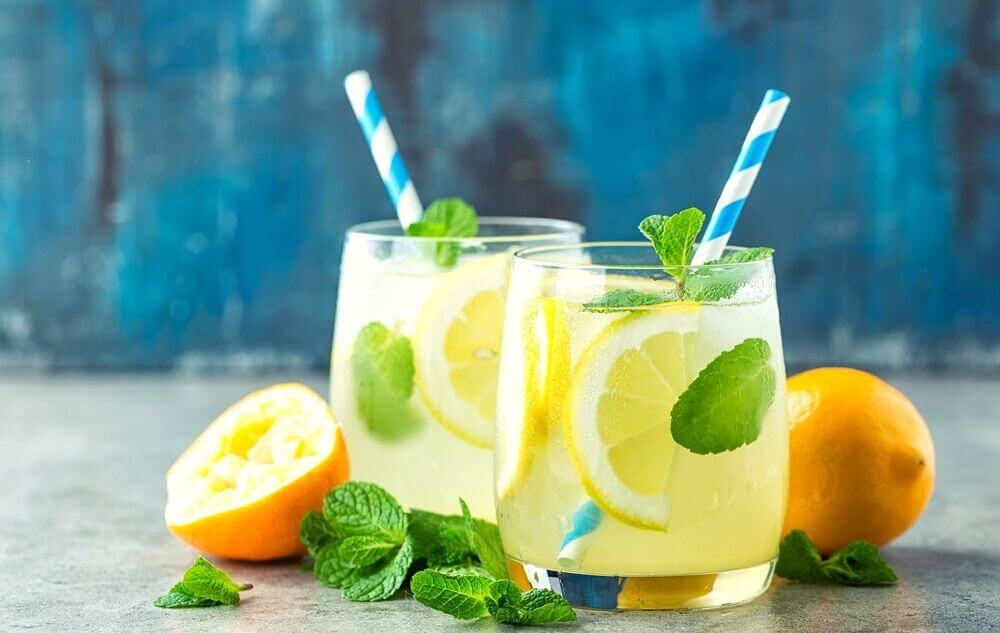
Lemonade is one of the most popular drinks out there all around the world. And the credit for that goes to its refreshing flavor, hydrating sensation, and convenience of making. After a long and exhausting day, a cold glass of lemonade can feel like the best thing in the world. But even though it is good to your tongue, there is still one question that arises; Is Lemonade Good for You?
Lemonade is healthy because it is an excellent source of Vitamin C, which has antioxidizing properties. These antioxidants also make the immunity super strong to fight off pathogens. Lemonade increases the metabolism rate as well, which helps burn unwanted calories and aids in weight loss. Drinking lemonade daily also helps reduce stress, lower the risk of kidney stones, avoid anemia, and prevent severe dehydration.
And today you will about know all the good and the small number of bad about lemonades.
Is Lemonade Good for You?

In short, yes—lemonades can be excellent for you. It is not only a tasty drink, but it can also come with a lot of advantages and benefits. All these make the drink one of the bests out there.
Vitamin C:
The lemons in the lemonade can be an extraordinary source of vitamin C. It is one of the most important vitamins for your body that you do not want to miss out on. But since your body cannot store it, it should be consumed regularly. And lemonades are a tasty and healthy way to do just that.
The vitamin C in lemonades is extremely important for the proper growth and development of all the tissue of your body. It can help in the healing of wounds and keeping bones and teeth healthy.
It also plays a great role in developing your immune system, which increases your body’s capability to absorb certain minerals. For instance, vitamin C plays a significant role in absorbing Iron. It has also shown great results in intestinal calcium absorption.
Vitamin C also has anti-aging properties by the means of collagen formation. It can also help in the prevention of the common cold. On top of all these, it can even decrease the risk of having a stroke.
Amplifies Immune System:
The lemons in lemonade can be a great booster of your immune system. This gives you an upper hand in fighting diseases that you might already have—along with preventing the ones coming.
A stronger immune system can also stop any cell change that could have occurred in your body making you sick. On top of that, it will fight for your body against harmful germs and other foreign substances.
Antioxidants:
Lemons are extremely rich in antioxidants. They play a great role in the protection of cells. By doing so, it contributes to reducing the risk of many diseases. Some mentionable diseases are cancer, diabetes, heart disease, and obesity.
Antioxidants also help in the clearance of free radicals in the body, which could cause a lot of damage to the body led by oxidative stress.
May Aid in Weight Loss:
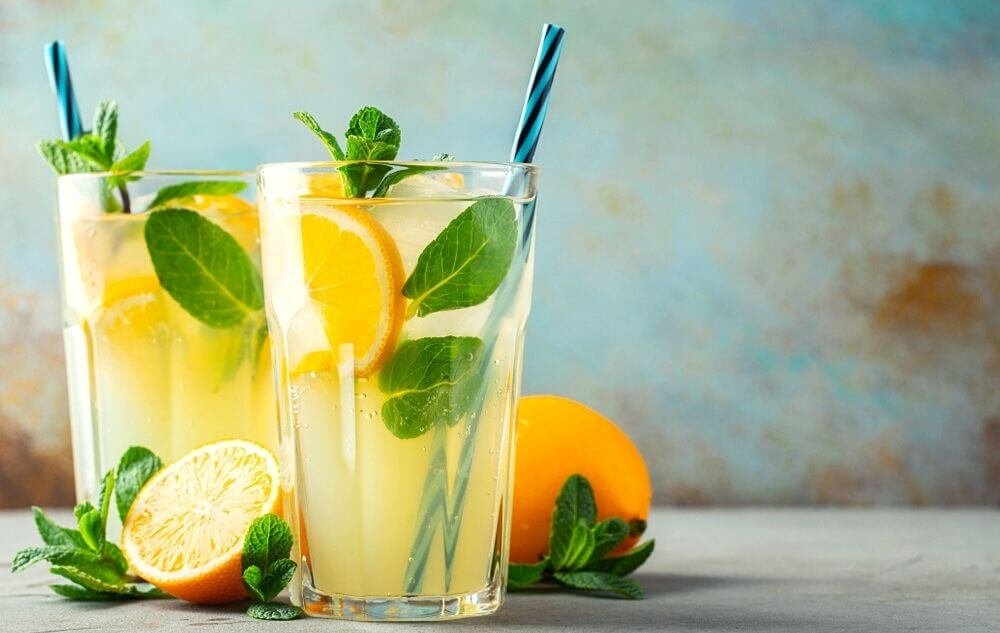
Lemonade can boost your metabolism, thanks to the perks of lemons. And the faster the metabolism, the faster is the body’s ability to use fat as an energy source. This leads to more fat loss.
If no additional condiments are added, it is pretty low in calories. So, you can have a chilling and refreshing drink with no fear of intaking excessive calories. It is a win-win situation.
Having a glass of lemonade can also keep you filled for a longer period of time. This will ultimately make it way easier for you to not supplement the drink with any other food.
So, overall, the calorie intake can be lowered, which will inevitably result in weight loss.
Hydrating Properties:
Lemonades are extremely hydrating. Researchers even found them to have thirst-quenching properties.
As mentioned before, lemonades are filling and can keep hunger away for some time. And this is especially helpful if you can’t distinguish between the feeling of hunger and thirst.
Lemonades will help you rejuvenate and hydrate while keeping you full at the same time. And it flushes out dangerous toxins from your body. The detoxification element is done mainly by the peels.
There is a compound in the peel which promotes the enzyme in the liver to throw out the waste and toxins. In some instances, it is seen to assist in bowel movement if you are having trouble with that.
Now lemonade is already a fantastic drink by itself. But that does not mean that it can be made better.
How to Make Lemonade Better?
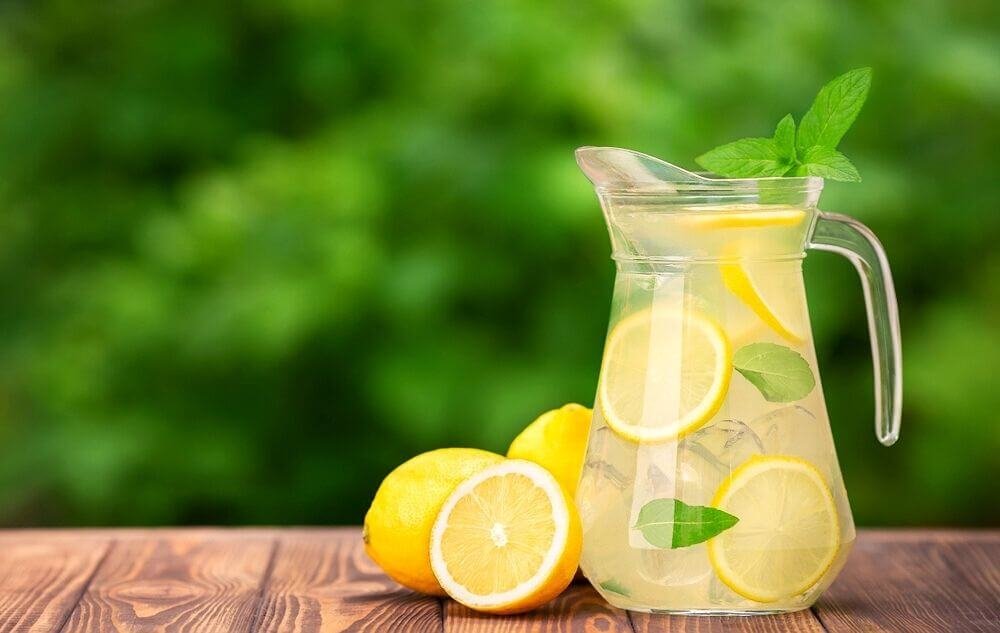
Today we will take a look at a couple of ways to make lemonade healthier and even tastier. Let us get right into it.
Lemonade with Green Tea:
The nutritional value of lemonade can be boosted by many times by adding green tea. This will allow you to get the goodness of both lemonade and green tea simultaneously.
Green tea contains virtually no calories—plus they are amazing antioxidants for your body. They also have multiple weight loss-aiding properties. Besides this, green tea has the potential to prevent cancer, heart attack, and diabetes.
Adding Fruits to Lemonade:
It probably does not need any further explanation—adding fruits to anything makes it healthier. And unsurprisingly, lemonade is no exception to that. But apart from making it so much healthier, it also makes the drink so much tastier.
Some suitable fruits could be oranges, strawberries, blueberries, watermelons, etc. If you already haven’t tried it, you should the next time you make lemonade. And it’s safe to say that you are in for a treat.
These are some ways lemonades can be improved. But there are also some ways the drink can worse. Let’s get to know a little more about that.
How Can Lemonade Be Bad for You?
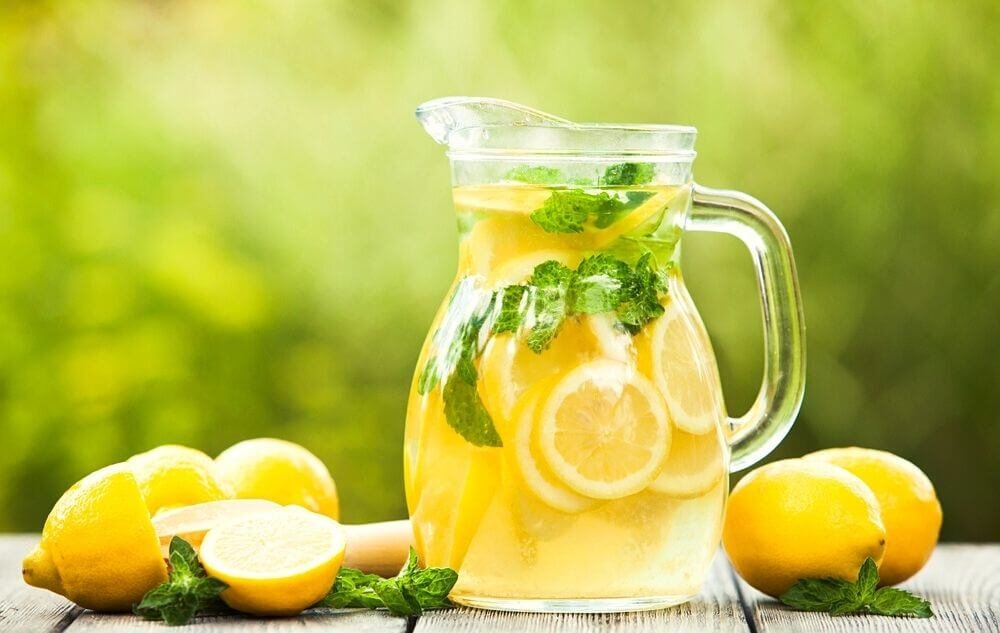
As healthy as it is, it is really easy to make it lose some of its positive attributes. So, you should be extra careful to not do these yourself.
Adding too Much Sugar:
Sugar is often referred to as the white poison—and that is for good reasons. If an excessive amount of sugar is added to the lemonade, the number of calories will plummet.
One of the main perks of lemonades is the low amount of calories in the drink. So, the addition of sugar is counterproductive in that sense. But on top of these, sugar may even lead to many diseases.
Sugar increases the possibility of you getting Type-2 Diabetes and leads you to obesity. It can also have a negative impact on your liver. Even your immunity system can be immobilized due to excessive intake of sugar.
So before adding more sugar just to sweeten the drink, you should think about the consequences. But a lot of people use artificial sweeteners instead, which may lead to a different set of problems.
Artificial Sweeteners:
A lot of people, instead of using sugar, sweeten their lemonades with artificial sweeteners. Even though they might have significantly fewer calories, that doesn’t mean they are absolutely safe to consume.
As per the tests done on the animals, they are confirmed to cause many hazardous diseases like brain tumors and bladder cancer. So, you should be very careful using any artificial sweeteners in their lemonades, especially if you are consuming them regularly.
Ready to Mix Lemonades:
These powdered lemonades might taste really good, but they probably do because of their sugar content. So even though they’re so much sugary and sweeter, they are no better than other soft drinks in the market.
You may also like: Is Beef Jerky Healthy for Weight Loss?
Frequently Asked Questions (FAQs)
Does lemonade detox your body?
No, it doesn’t. There’s no evidence of lemonade detoxing your body.
Is lemon good for cholesterol?
Some academic researches indicate that lemonade may be able to lower cholesterol levels.
How much lemonade should I drink a day?
According to Datta and Dr. Sood, you should drink juice squeezed from 2 lemons every day to keep you hydrated.
Conclusion
So, is lemonade good for you? Yes, lemonades, if they are made healthily, are amazing drinks and can be consumed regularly. They pack numerous nutrients, taste amazing, and leave you with a satisfying sensation. All these make the drink good for your body, mind, and palate.
Related Posts





Subscribe for New Racipies
Get mental health tips, updates, and resources delivered to your inbox.
11 Effective Homemade Drinks That Burn Fat While Sleeping

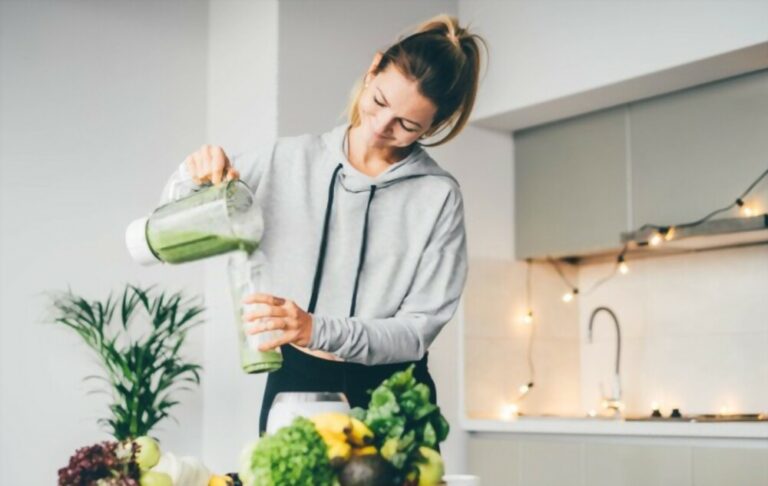
Indeed, there are a number of fat-burning supplements and beverages that are supposed to aid weight loss overnight, but most of them hardly help in melting those extra pounds. However, homemade drinks that burn fat while sleeping are safe and more effective than market fat-burning beverages.
So, what are the strongest, best, and miracle weight loss drink recipes?
Normally, there are some naturally occurring herbs, spices, fruits, and foods that act as fat burners, for instance, apple, cinnamon, lemon, chia seeds, and green veggies have significant anti-inflammatory and weight loss properties.
Using these ingredients in your natural homemade fat-burn drinks helps in reducing the fat even when you are doing nothing (sleeping or at rest).
Here we have compiled the 11 best and most effective homemade weight loss beverage recipes for faster and healthier weight management.
Homemade Drinks That Burn Fat While Sleeping
| Drink Name | Ingredients | No of Calorie | Best time to take |
| Chamomile And Cinnamon Tea | Chamomile flowers, cinnamon stick or powder, water, and honey | 0 | Throughout the day (preferably between the meals), Before bedtime |
| Protein Water | Water + Protein powder | 70 calories per 16-ounce | Anytime in the day, and night, post-workout |
| Greek Yogurt Protein Shake | Greek yogurt, milk, banana, peanut butter, leafy green veggies (optional), ice cubes | 140 | On the empty stomach (in the morning), before bedtime |
| Ginger, Lemon, Green Smoothie | Ginger, lemon juice, parsley, apple cider vinegar, cinnamon | Inputs vary depending on the recipe | On the empty stomach (in the morning), before bedtime |
| Hot Water With Lemon And Honey | Water, lemon, and honey | 16 | Between the meals, at night (after last meal) |
| Lemon Ginger Fat-Burning Drink | Lemon grin, lemon juice, ginger, water, honey, pepper (optional) | 4 | Bedtime tea |
| Apple Cider Vinegar Drink | ACV, water, honey (for better taste) | 3 | Between meals, before going to sleep |
| Cucumber, Lemon, And Mint Detox Water | Cucumber slices, lemon or lime slices, mint leaves, water | 2 | Throughout the day and night |
| DIY Fat Burning Drink | Cucumber, green apple, ginger, spinach, lemon juice, water | 110 | In the morning on an empty stomach, at night |
| Chia Lemonade | Chia seeds, lemon, water, honey (for flavor) | 40 | Before bedtime |
| Green tea with mint and lemon | Green tea leaves, mint , lemon and water | 2 | Throughout the day |
1. Chamomile and Cinnamon Tea
Chamomile and cinnamon-infused tea or plain herbal tea are superb detox drinks for fat burning. It is generally high in powerful antioxidants, flavonoids, essential minerals, and nutrients that are beneficially helpful for weight loss and maintaining overall health.
Cinnamon extract is naturally high in antioxidants, microbicidal, and anti-inflammatory properties which make it an excellent drink to boost the metabolism and generate heat from the stubborn fat areas.

Moreover, chamomile tea helps remove the toxin chemicals and excess water cells. Drinking it before bedtime improves sleep quality, and you lose weight.
How to Make?
For making cinnamon chamomile tea, add 3 to 4 chamomile flowers or 1 tea bag in boiling water. Add 1 cinnamon stick or 1 tablespoon of cinnamon powder to the kettle.
Let it steep for 15 minutes. Next, strain the tea, add honey and drink it hot before bedtime.
2. Protein Water ( Simple Homemade Drinks to Lose Belly Fat in a Week)
Unlike sparkling and detox water, drinking protein water helps greatly in getting a flat tummy. As it is incredibly rich in protein content which promotes muscle building while trimming the extra fat, therefore, it helps greatly in getting a lean body within weeks.
How To Make?
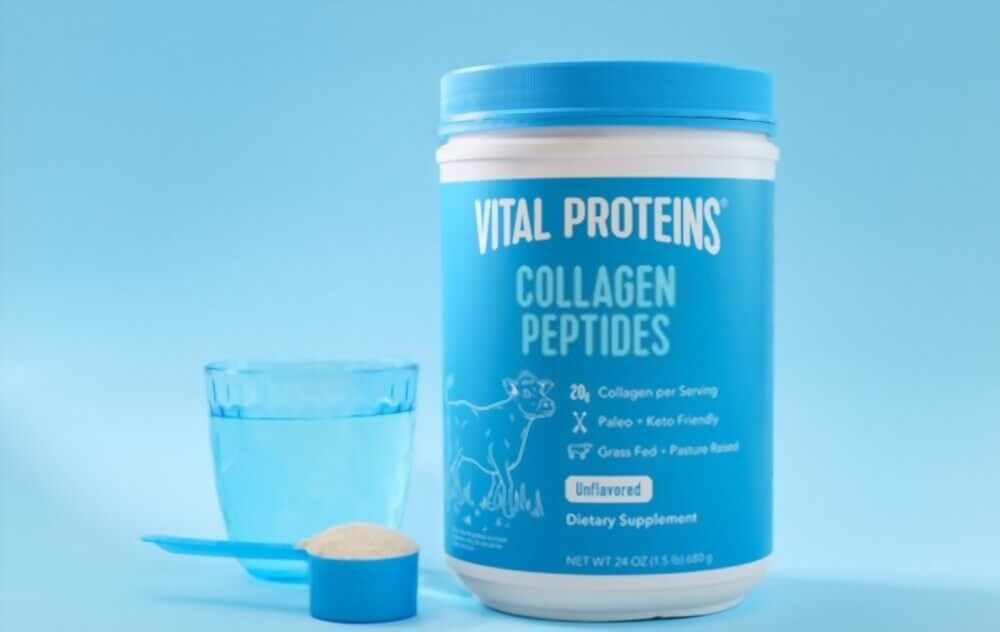
Mostly you can find protein water in the superstores, however, most of them contain stimulants, additives, or additional sugar which may hinder you from losing weight. It may also cause some side effects.
To make protein water at home, you can mix your favorite natural protein powder in mineral water and mix it finely. You can use collagen, whey, or any other available protein powder best for lean muscles.
3. Greek Yogurt Protein Shake
Greek yogurt protein shake is another best bedtime drink to lose belly fat overnight. This tasty smoothie beverage helps in the building and recovery of muscle protein.
Consequently, it helps in the continuous burning of calories which leads to fat burning while you are doing nothing.
Greek yogurt protein shakes provide you with a steady and effective dose of amino acids, which constantly burn fat from problematic areas.

How to Make?
For making a Greek yogurt protein smoothie, add ½ cup of plant-based milk (preferably almond milk) ½ cup of Greek yogurt, 1 banana, 1 tablespoon of peanut butter (or other nut butter of your choice), 1 cup of leafy green veggies (optional), and 6 to 7 ice cubes in the blender.
Blend the puree until the shakes smoothen fine, that is your energy booster miracle shake recipe for weight loss. For extra fat-burning results, add chia seeds or flaxseeds to your shake.
4. Ginger, Lemon, Green Smoothie (Drink to Reduce Belly Fat in 4 Days)
Belly fat is indeed one of the stubborn and most problematic to lose. However, with the high metabolic and antioxidant ingredients, it can be lost efficiently within a short time. Here is one of the best homemade drinks to trim belly fat in just 4 days.

How to Make?
Take half a cup of lemon juice, ½ cup of ginger pieces, half a cup of parsley leaves, 1 cup of apple cider vinegar, 1 cup of water, and 1 tablespoon of cinnamon powder. Add all these ingredients to a blender and blend it until smooth. After fine blending, strain the water and drink it twice a day.
You should drink it in the morning on an empty stomach and before bed, it helps in maximum heating of abdominal fat cells.
5. Hot Water With Lemon and Honey
Homemade hot water with lemon and honey is the best way to lose belly fat in a few weeks. Drinking it in the morning and at night specifically targets belly fat.
It boosts metabolism, aids digestion, supports detoxification, and encourages weight loss. This homemade drink is simple and convenient and can be used throughout the day for smooth body function.

How To Make?
Cut the lemon into slices, squeeze its juice, and add the lemon content to the boiling water. Let it set for some time then add honey. Drink it on an empty stomach to facilitate belly fat reduction.
6. Lemon Ginger Fat-Burning Drink
Ginger and lemon are highly researched and science-backed to help weight loss. These are the two most powerful and exceptionally efficient weight loss and fat melting agents.
Adding lemon juice and ginger to tea or juice helps in losing weight and shedding extra fat masses while strengthening your immunity and boosting your metabolism.
How to Make?
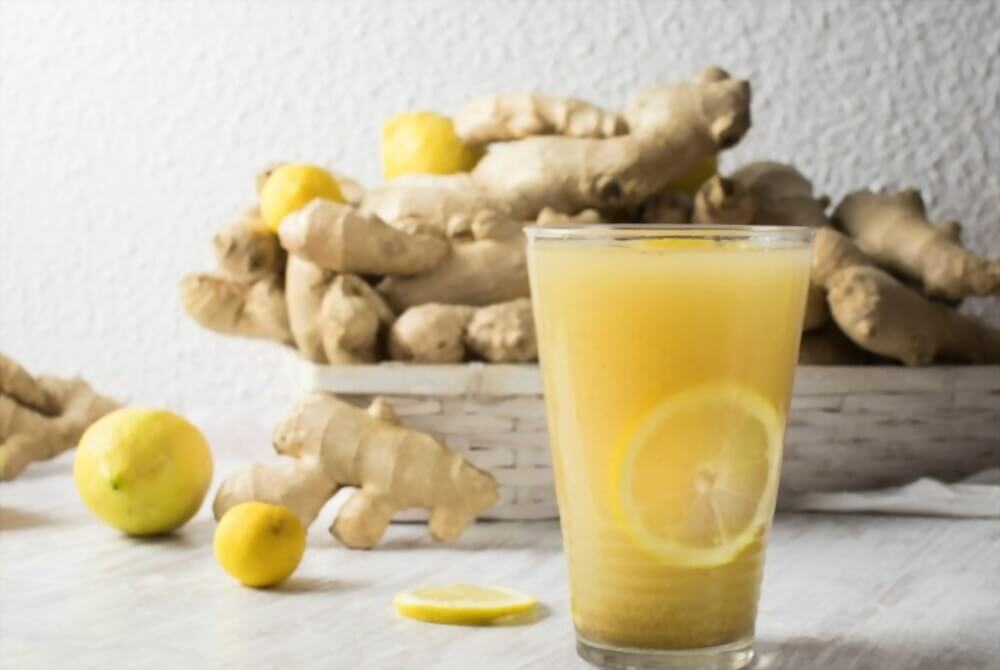
There are two ways of making lemon ginger fat-burning drink, one is detox water and the other is hot tea. For making the lemon ginger drink, take 1 liter of water, and add two lemon grinds, lemon juice, and 1-inch ginger to the water.
Also, you can add 1 tablespoon of pepper for an enhanced flavor. Bring it to a boil, until everything softens, after that strain the lemon ginger water, and let it cool down. Enjoy drinking it with honey or more lemon juice.
Moreover, you can also drink it hot as a fat burner bedtime tea.
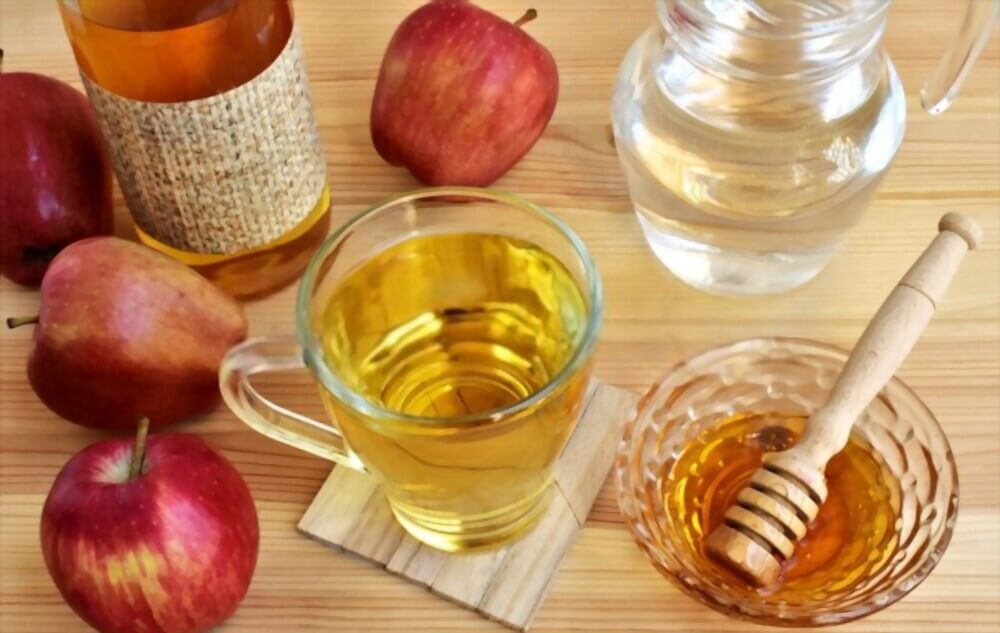
7. Apple Cider Vinegar Drink
Drinking ACV mixture is the simplest and highly successful weight loss home remedy. It has powerful antioxidants which give an incredible boost to the metabolism and accelerate the fat-burning process efficiently.
How to Make?
You can’t drink apple cider vinegar directly, due to its strong taste and pungent smell. For weight loss, mix 1 tablespoon of ACV in a cup of water. For better taste and health benefits you can also add some honey.
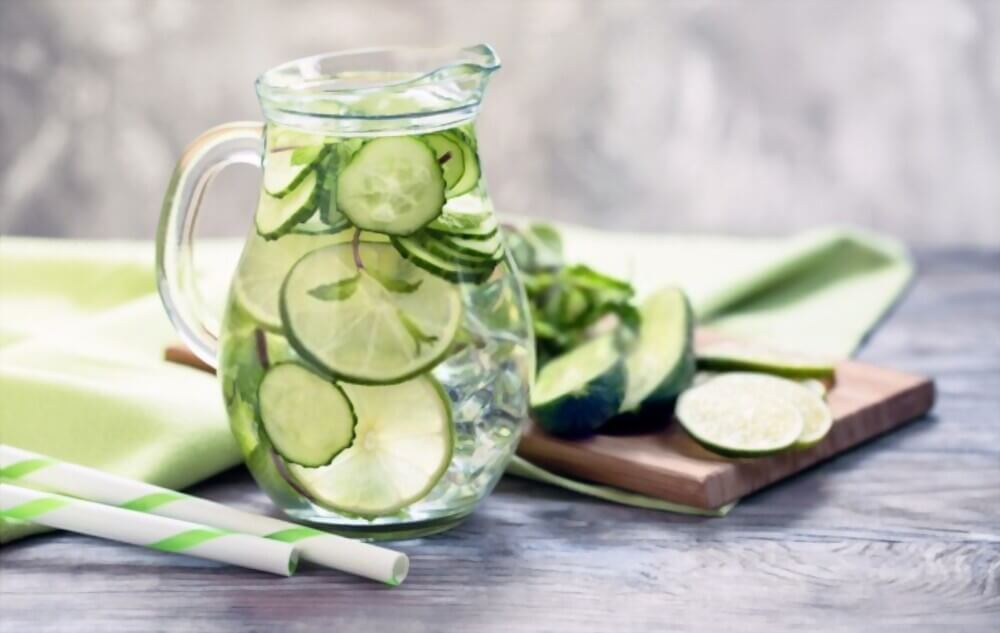
8. Cucumber, Lemon, and Mint Detox Water
Cucumber, lemon, and mint-infused water are the best detox drinks out there. Besides detoxifying the body, it is exceptionally hydrating. Drinking this detox water aids in natural weight loss, improves skin texture, promotes digestion, and boosts immunity.
It is one of the best nighttime drinks to lose belly fat faster.
How to Make?
Finely slice the fresh lemons and cucumber. Add these slices to a jug of water with some mint leaves, and add some ice cubes for refreshes. Drink this throughout the day and night.
9. DIY Fat Burning Drink (Strongest Belly Fat Burner Drink Loses 10 KG in 10 Days)
It is not normally possible to lose 10 kg of weight in 10 days; it may be possible with a low-calorie diet, intense workouts, and some medical procedures, but losing 1 kilogram each day is not medically suggested. In fact, a healthy weight loss should be 1 to 1.5 pounds every week.
We’ve created the most potent fat-burning DIY drink recipe to help you lose weight faster. It consists of all-natural and effective substances that are backed by nutritionists to help with fat loss even from problematic places.
How to Make a Powerful Fat Burning DIY Drink?
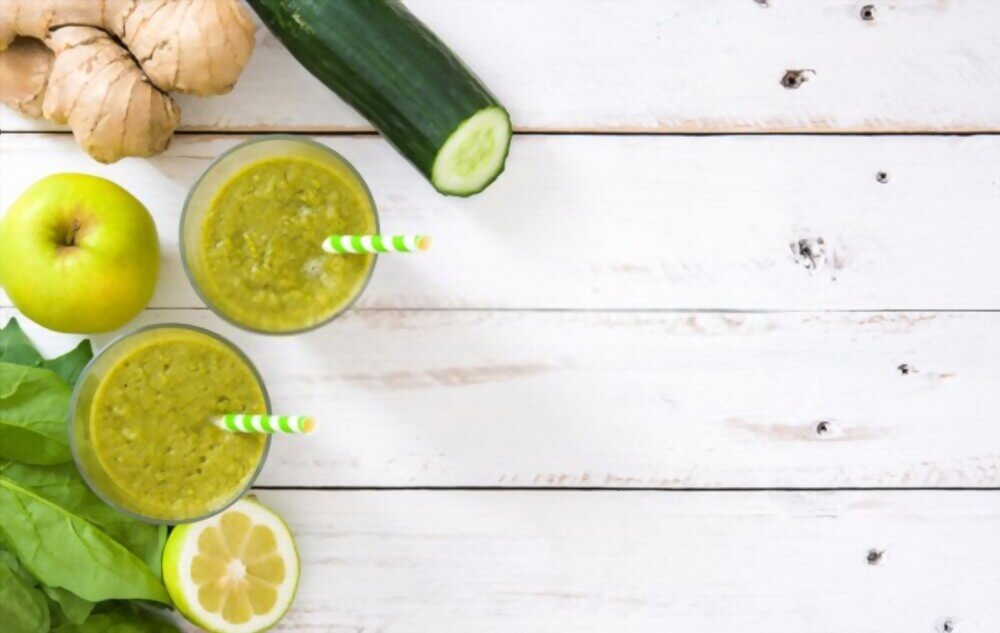
For making the strongest fat-burning drink, take 2 finely sliced cucumbers, 2 green apples sliced with skin, 1-inch ginger peeled and sliced, lemon or lime juice, 2 cups of fresh spinach, and 3 to 4 cups of water. Add all the ingredients to a blender and blend until smooth. Add some lime juice and serve.
Ideally, drink this twice a day, preferably in the morning on an empty stomach and before bed, and see the results!
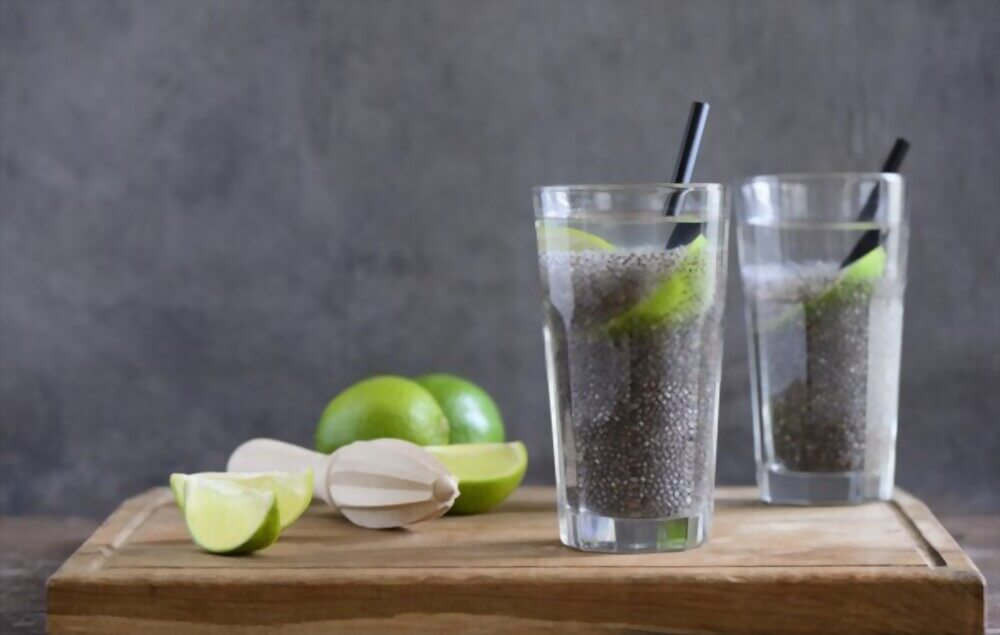
10. Chia Lemonade
One of the magical rapid weight loss drinks is chia lemonade. It aids in weight loss, stomach health, heart health, inflammation relief, obesity reversal, and muscle strength enhancement.
Drinking chia lemonade on a daily basis will help you lose weight steadily and permanently.
How to Make?
To make chia lemonade at home, take 2 tablespoons of chia seeds, 1 lemon or lime, honey for flavor, and water. Add all these ingredients to a jar and give it a good mix. Drink this detox and refreshing drink before bedtime to lose weight and improve your health while you sleep.
11. Green Tea With Mint and Lemon
You may get shocked that you can get an incredible weight loss with green tea. Yes, green tea is the most active ingredient for rapid fat burning. Here is our exclusive miracle weight loss drink recipe:

Ingredients
- 1 tea bag or 2 tablespoons of green tea leaves
- Juice of 1 whole lemon or lime
- 6 to 7 mint
- 1.5 cups of water
How to Make?
In a saucepan, combine the water, mint leaves, and green tea. Stir continuously until the water level decreases, then let it steep finely. After 5 minutes, strain the mixture and add the lemon juice. Drink it hot to see immediate weight loss results.
What Can I Drink Before Bed to Lose Belly Fat?
Below are a few highly efficient drinks you can drink before bed to lose belly fat:
- Raw vegetable juices
- Whole fruit juices
- Soaked fenugreek water
- Chamomile tea
- Turmeric milk
- Cinnamon tea
- Aloe Vera juice
- Cucumber-parsley juice
- Celery juice
- Kefir
- Kombucha
- Ginger tea
- Oolong tea
- Green tea
- Plenty of water
- Black tea
- Coffee
- Psyllium husk
- Pineapple juice
- Lemon juice
- Sparkling water
Author Tips: Delicious “Red Cocktail” Juice Melts Off 3 lbs Every 4 Days✔️
FAQs
Below are a few frequently asked questions regarding “homemade drinks that burn fat while sleeping”.
What Drink Burns Belly Fat While You Sleep?
Drinking fenugreek seeds water before bed helps in melting the fat overnight. It has strong anti-inflammatory and antacid effects, which help in generating heat which speeds up fat burning while you sleep.
Is There a Way to Burn Fat While Sleeping?
Making your body calorie deficient allows you to burn fat for energy while sleeping. Therefore, it is recommended to take low caloric and carbs throughout the day and especially before bedtime.
What Drink Burns Fat Overnight?
Drinking turmeric milk, chamomile tea, cinnamon tea, green tea, protein shake, green veg smoothies, and fiber-rich juice helps you burn significant fat overnight.
Author Tips: Fizzy juice “eats through” 62 lbs of stubborn fat✔️
What Burns Fat While Sleeping?
Taking lemon in water, tea, juice, or drinks helps greatly in burning the fat while sleeping. Since it has a strong alkalizing effect on the body, therefore it helps digestion, colon cleansing, and metabolism-boosting, which in return helps fat burn while you sleep.
What Can I Drink to Make My Stomach Flat?
Green tea, peppermint tea, ACV drink, pineapple juice, hot water with lemon, and mint are effective at burning belly fat.
Final Recommendation
Before bedtime, it is generally not good to drink high-calorie, carbonated, and sugar drinks as it can lead to unhealthy fat buildup.
Instead, it is good to make homemade drinks that burn fat while sleeping. Besides fat burner beverages, you can do exercise and diet to faster the weight loss results.
Related Posts
Subscribe for New Racipies
Get mental health tips, updates, and resources delivered to your inbox.