
7-Day Meal Plan For Gastritis: Balancing Nutrition and Gastritis

Medically reviewed by Christiana George Updated Date: August 22, 2023

Do you often experience gnawing and burning sensations in your abdomen, particularly in the upper stomach portion? This could be a visible sign of gastritis.
Many people consider taking antibiotics, antacids, painkillers, or traditional home remedies for gastritis, but it usually won’t go with that or have short-term relief.
The problem here differs from the treatment method you’re using to cope with your condition; the problem is your eating plans and dietary choices. For instance, you take your antacids properly on time, but what if you drink soda with it, sugar tea, or junk food? These food choices will increase your stomach distress and raise the inflammation of the stomach lining, which could further cause gastritis symptoms, no matter if you were on gastritis medicine.
So, careful dietary choices and food options are needed for gastritis treatment. It is usually recommended to include high fiber, high protein, and healthy fats, and avoid junk, spicy, high fat, and fried foods for gastritis.
Here we come up with a 7 day meal plan for gastritis which you can combine with your improved healthy lifestyle and medication (in case you’re on gastritis medicines) and get rid of this life-disturbing condition for a long time.
7-Day Meal Plan For Gastritis
The Gastritis diet plan and food choices should be very gentle on the stomach, which allows better digestion and does not erode the stomach’s lining. Below is the 7 days diet plan, which includes the meals option well-tolerated and effective for gastritis patients.
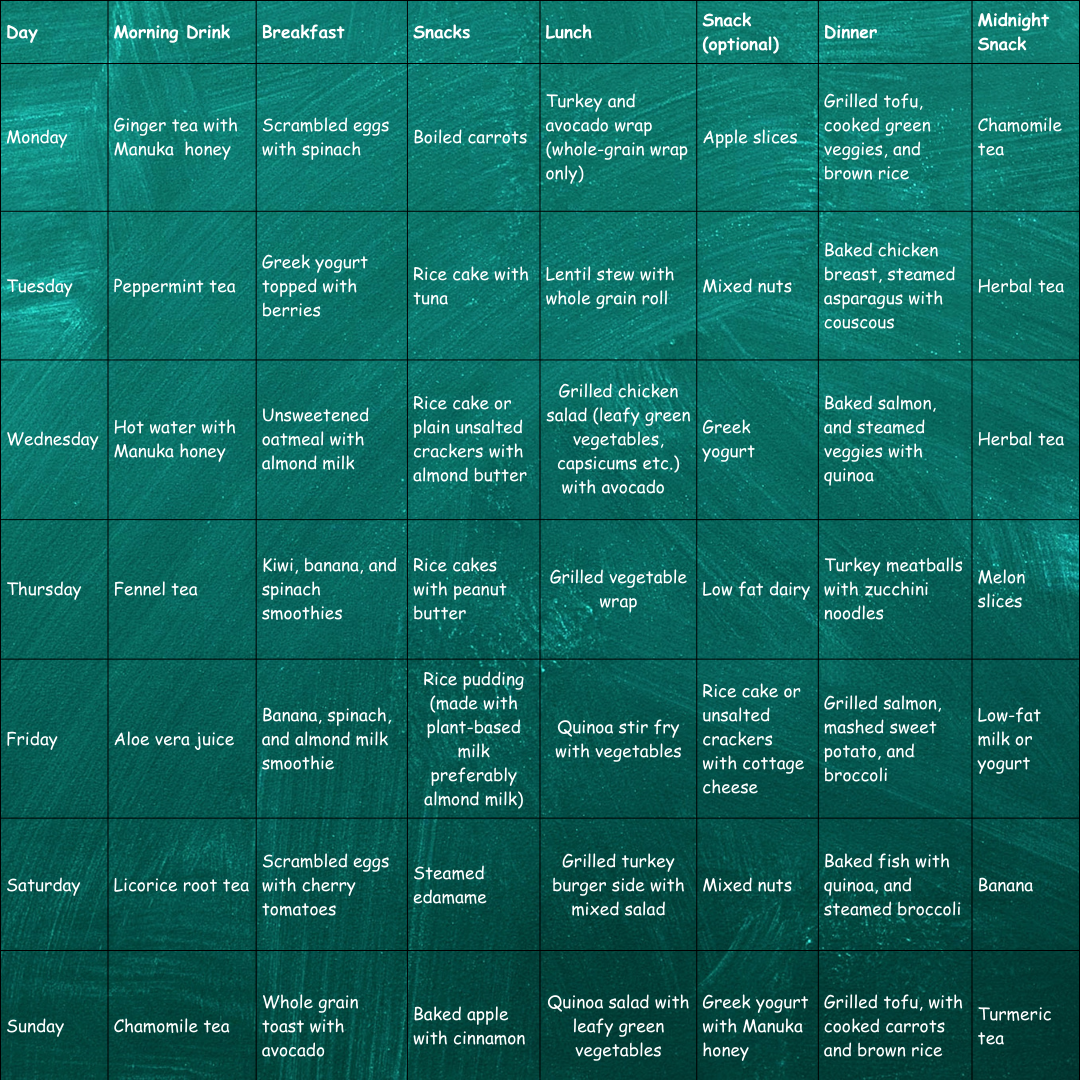
This gastritis diet plan is very simple and effective for upset stomach conditions. However, ensure not to eat too much, make your portion small, eat slowly, and stay hydrated to help your condition. Find relief with our comprehensive 7 day meal plan for gastritis, expertly crafted to balance nutrition and soothe symptoms effectively.
Day 1 (Monday)
Morning Drink: Ginger tea with Manuka honey
Breakfast: Scrambled eggs with spinach
Noon Snacking: Boiled carrots
Lunch: Turkey and avocado wrap (whole-grain wrap only)
Evening Snack: Apple slices
Dinner: Grilled tofu, cooked green veggies, and brown rice
Mid-Night Snack: Chamomile tea
Day 2 (Tuesday)
Morning Drink: Peppermint tea
Breakfast: Greek yogurt topped with berries
Noon Snacking: Rice cake with tuna
Lunch: Lentil stew with whole grain roll
Evening Snack: Mixed nuts
Dinner: Baked chicken breast, steamed asparagus with couscous
Mid-Night Snack: Herbal tea
Day 3 (Wednesday)
Morning Drink: Hot water with Manuka honey
Breakfast: Unsweetened oatmeal with almond milk
Noon Snacking: Rice cake or plain unsalted crackers with almond butter
Lunch: Grilled chicken salad (leafy green vegetables, capsicums, etc.) with avocado
Evening Snack: Greek yogurt
Dinner: Baked salmon and steamed veggies with quinoa
Mid-Night Snack: Herbal tea
Day 4 (Thursday)
Morning Drink: Fennel tea
Breakfast: Kiwi, banana, and spinach smoothies
Noon Snacking: Rice cakes with peanut butter
Lunch: Grilled vegetable wrap
Evening Snack: Low-fat dairy
Dinner: Turkey meatballs with zucchini noodles
Mid-Night Snack: Melon slices
Day 5 (Friday)
Morning Drink: Aloe vera juice
Breakfast: Banana, spinach, and almond milk smoothie
Noon Snacking: Rice pudding (made with plant-based milk, preferably almond milk)
Lunch: Quinoa stir fry with vegetables
Evening Snack: Rice cake or unsalted crackers with cottage cheese
Dinner: Grilled salmon, mashed sweet potato, and broccoli
Mid-Night Snack: Low-fat milk or yogurt
Day 6 (Saturday)
Morning Drink: Licorice root tea
Breakfast: Scrambled eggs with cherry tomatoes
Noon Snacking: Steamed edamame
Lunch: Grilled turkey burger side with mixed salad
Evening Snack: Mixed nuts
Dinner: Baked fish with quinoa, and steamed broccoli
Mid-Night Snack: Banana
Day 7 (Sunday)
Morning Drink: Chamomile tea
Breakfast: Whole grain toast with avocado
Noon Snacking: Baked apple with cinnamon
Lunch: Quinoa salad with leafy green vegetables
Evening Snack: Greek yogurt with Manuka honey
Dinner: Grilled tofu with cooked carrots and brown rice
Mid-Night Snack: Turmeric tea
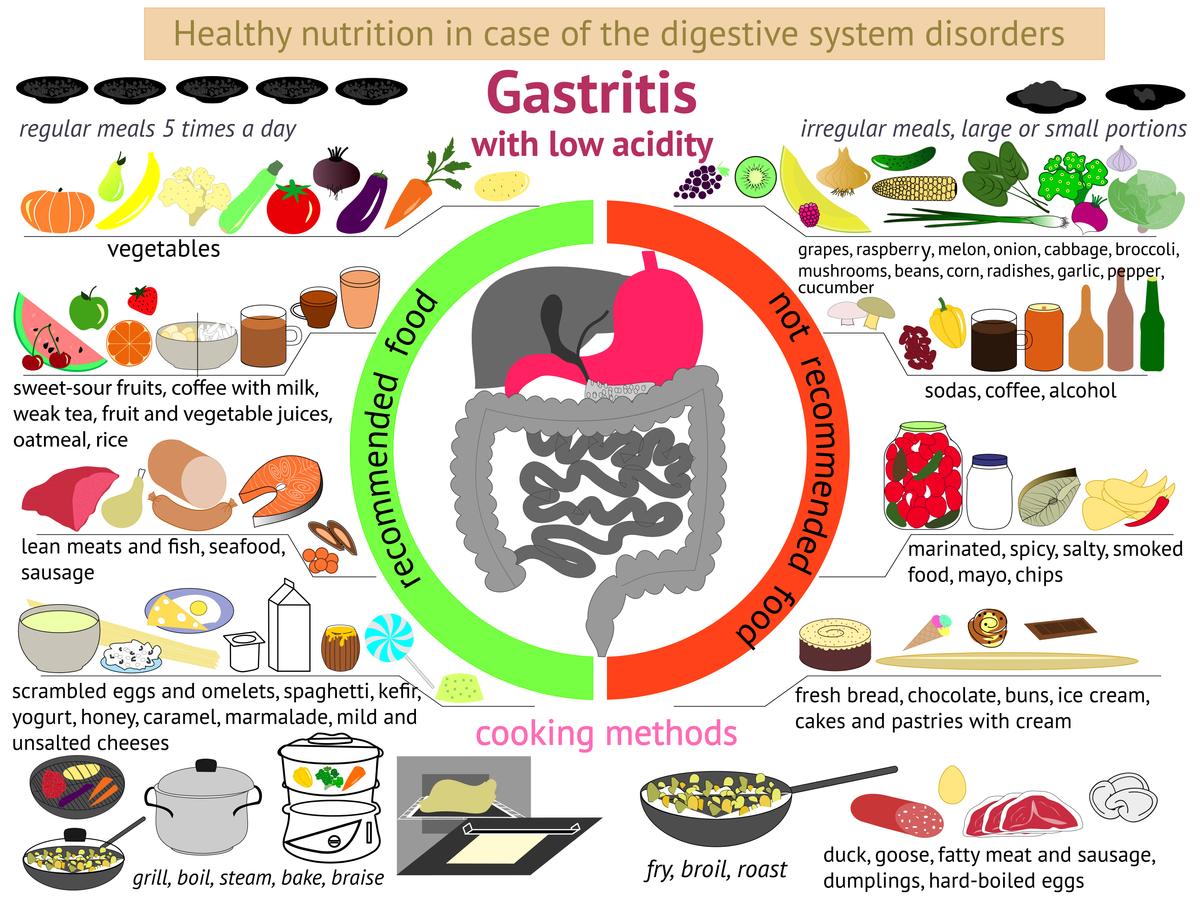
Gastritis Foods with Low Acidity
High acidity foods are more likely to trigger gastritis and worsen its symptoms. So you should include food with low acidity in your diet plans.
Anyhow, What Is Gastritis?
Gastritis is a medical condition categorized by the damage or inflammation of gastric mucosa (stomach lining). In this condition, your stomach lining may have some sores, thinning, redness, or swelling at some points, which causes a great deal of discomfort and digestive problems. If left untreated, this condition can become chronic or erosive.
Symptoms of Gastritis
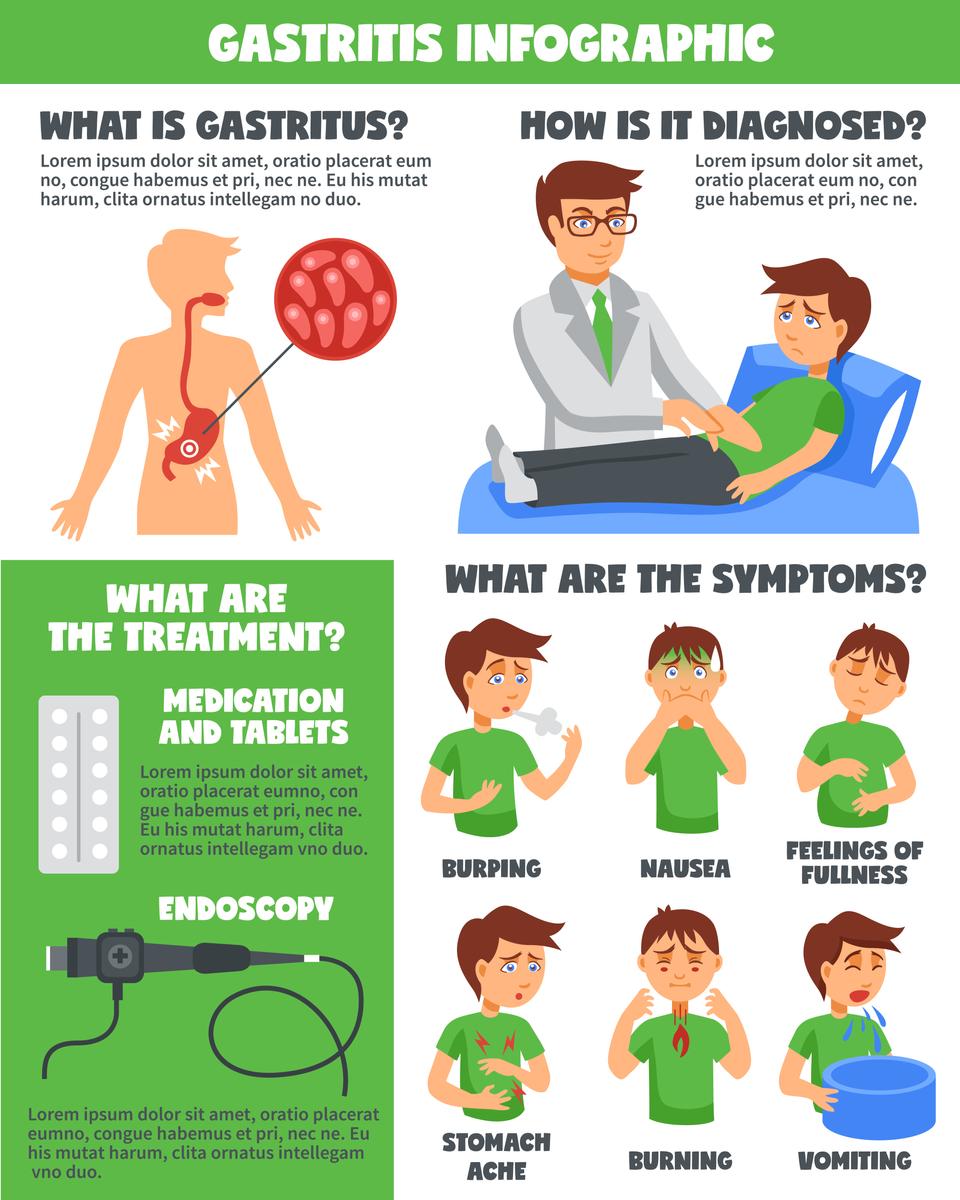
Gastritis symptoms are generally manageable and aside on their own. Still, if you’re suffering from chronic or erosive gastritis (ulcer in the stomach or bleeding inside the stomach), it can manifest as bleeding in the stools or vomiting and severe pain. This condition needs immediate diagnosis and treatment.
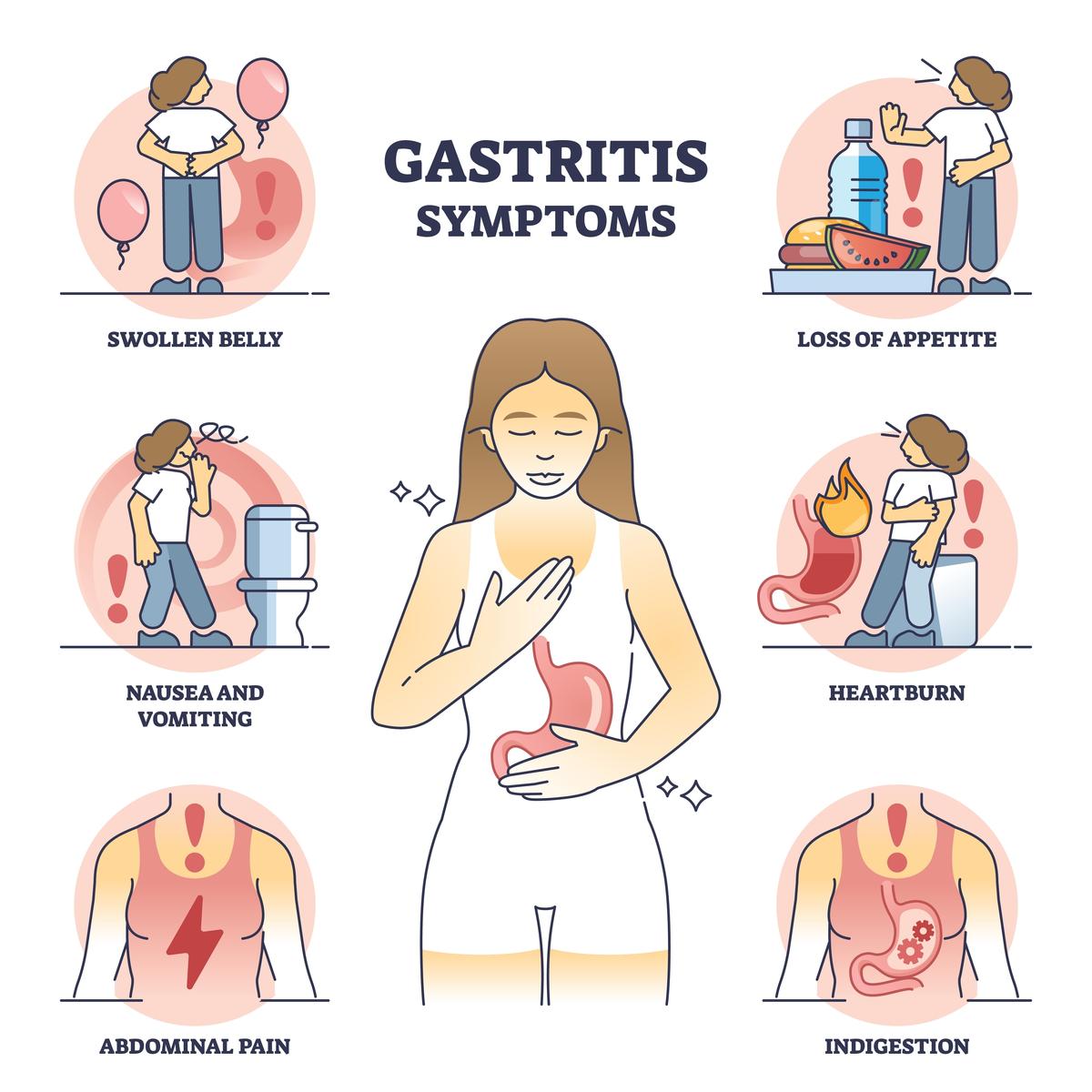
Following are some signs which help a doctor to indicate gastritis condition:
- Belching
- Hiccups
- Constant feeling of sickness
- Stomach pain
- Chest pain
- Burning sensation in the stomach
- Black or bright red blood in the vomit
- Bloody, stinky, and sticky poop
- Nausea
- Bloating
- Loss of appetite or feeling full without eating anything
- Indigestion
Anyhow, gastritis symptoms may vary from person to person, so it is very important to consult a gastroenterologist expert.
Cause of Gastritis
Gastritis is generally caused by harmful agents which interfere with and tear the lining of the stomach walls leading to inflammation and irritation.
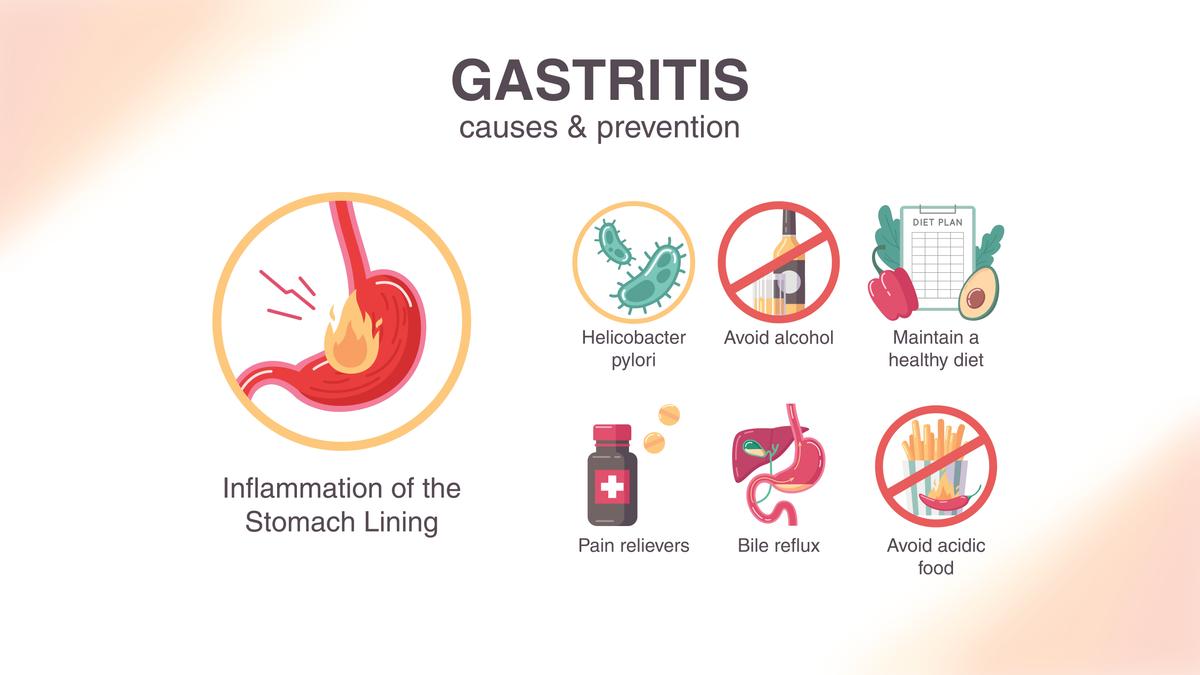
It is usually triggered by smoking, alcohol, medication, and junk eating. Gastritis is also caused by bacterial infection (Helicobacter Pylori) and internal injury. Moreover, the high use of NSAIDs, potassium supplements, antibiotics, and chemicals are other irritants of the stomach lining which contribute to gastritis and stomach ulcer.
Aging and stress can also worsen gastritis; as we age, our stomach muscles become fragile and prone to more devastating damage. However, gastritis in kids and young are mostly caused due to unhealthy eating habits such as high intake of fatty and fried stuff, highly acidic foods, late-night eating, and no physical movement after eating.
What Diet Is Best for a Gastritis Condition?
Most doctors prescribe antacids or antibiotics (depending on the cause of the problem), but acute conditions can be cured with some dietary changes.
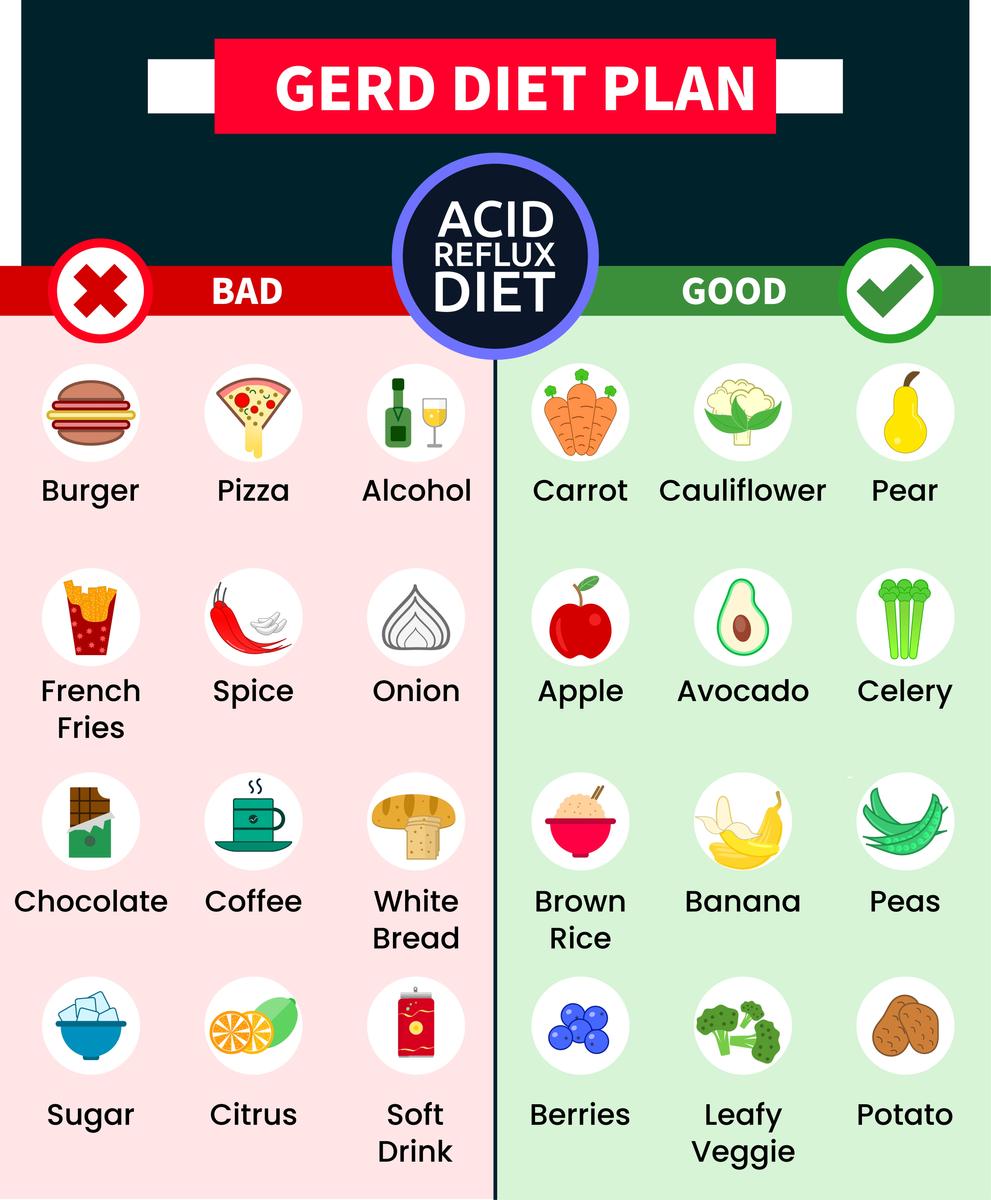
Here are some tips on diets for gastritis:
- Increase your fiber intake because it is easier for digestion and helps reduce inflammation.
- Increase your protein intake, sourced from plants (tofu, legumes, beans) or lean meats such as chicken breast, lean turkey, or seafood. These agents help in cell regeneration and alleviate gastritis symptoms.
- Include foods enriched with healthy fats such as olive oil, seafood, fatty fish, and nuts; it helps to lessen the gastritis pain and symptoms.
- Steamed or cooked vegetables such as leafy greens, zucchini, cucumber, sweet potatoes, and carrots are gentle on the stomach and good for gastritis.
- When you have gastritis, avoid eating citrus fruits such as lemon or orange but intake non-citrus fruits such as bananas, apples, etc. Citrus fruits have high acid content, making them more likely to interact with the stomach lining and trigger gastritis.
- Avoid high-fat milk; opt for almond milk or low-fat milk for gastritis.
- Drink herbal tea (turmeric, chamomile, ginger, or green tea) once daily because they have anti-inflammatory and soothing properties.
- Avoid alcohol, spicy foods, acidic food, high caffeine, fried and bakery goods.
- Avoid artificial sweeteners, processed foods, spicy condiments, and carbonated beverages; these items are bad for stomach health.
- Moreover, keep your meal in smaller portions to avoid stress on your stomach; you may have frequent meals.
Conclusion
Dietary moderation has a significant influence on the symptoms of gastritis. However, unfortunately, this doesn’t get much attention from medical experts, and they still consider antacids and other treatment options for this condition. Nevertheless, you should consult a healthcare expert before adding any meal plan to your gastritis diet.
FAQs
What Can I Drink in the Morning for Gastritis?
You can have green tea, chamomile, or turmeric tea with raw honey for gastritis. These teas have strong anti-inflammatory, soothing, and healing properties, which help treat gastritis.
What Foods Are Anti-inflammatory for Gastritis?
Leafy green vegetables, fatty fish, berries, green tea, avocado, mushrooms, olive oil, bell pepper, grapes, turmeric, cruciferous veggies, nuts, and seeds are highly anti-inflammatory and efficient for gastritis.
What Is a Good Lunch for Gastritis?
A suitable lunch for gastritis can be a salad with grilled chicken, leafy green vegetables, cucumber, bell peppers, and cooked quinoa. Moreover, avoid anything spicy, greasy, high-acidic, and junk food.
Is Milk Good for Gastritis?
Dairy milk may help temporarily relieve gastritis discomfort but can’t help its cure. Dairy milk has high acids, fats, and antibodies which can increase stomach acidity and act as irritants for stomach walls. However, you can opt for low-fat milk such as almond milk.
What Can I Eat on a Bland Diet for Gastritis?
On a bland diet for gastritis, you can eat plain rice, boiled potatoes, cooked vegetables, lean protein, non-citrus fruits, low-fat dairy, fresh fruits, and vegetable juices.
What Are Vegetarian Foods Good for Gastritis?
Vegetarians have a wide range of food items that can help gastritis and reverse its symptoms, such as oatmeal, quinoa, steamed vegetables, tofu, tempeh, non-citrus fruits, cruciferous vegetables, vegetable oils, lentils, beans, and plant-based milk.
Related Posts


Subscribe for New Racipies
Get mental health tips, updates, and resources delivered to your inbox.
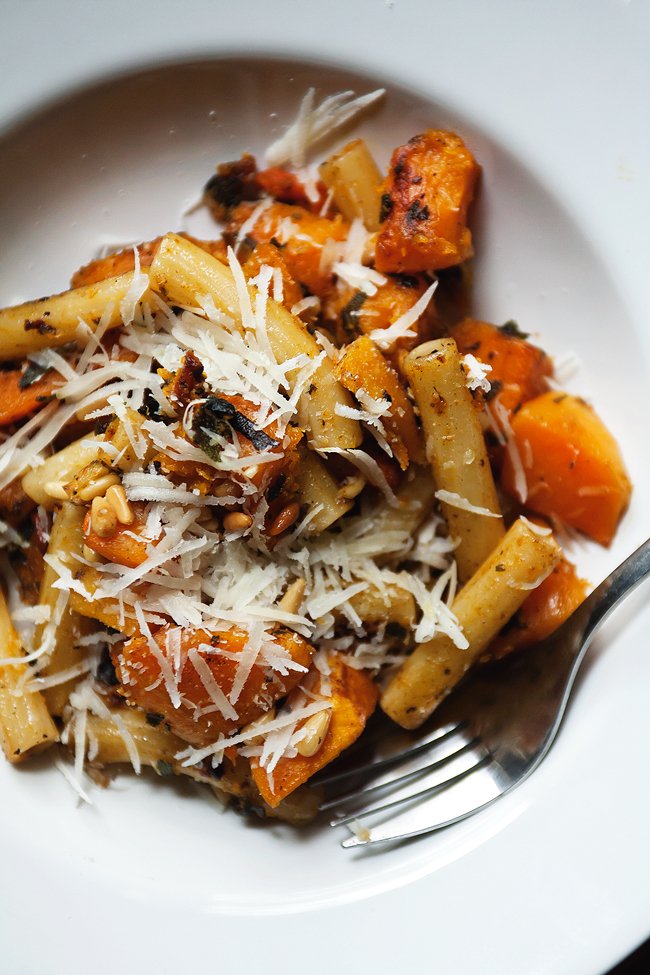
Pasta With Butternut Squash, Sage, And Pine Nuts



As I write this, the branches outside are swirling, restless, dry leaves rustling together furiously. And then they stop. It’s kind of eerie. The whole day has been strange. We went to the supermarket in the morning to pick up emergency supplies, only to find that the entire neighborhood had turned out with the same idea. Lines curved haphazardly around the front of the store and the people working the cash registers were hustling like I’ve never seen them hustle before.
This Hurricane Sandy business is serious stuff. To be honest, since I don’t keep up with the news at all (like at all. I just found out on Wednesday that the Giants had made it to the World Series—and were playing their first game that night!), I had no idea that the forecasted stretch of rain I’d noticed on my weather app was going to turn into anything serious. And then the entire world, all at once, started flinging the fact in my face.
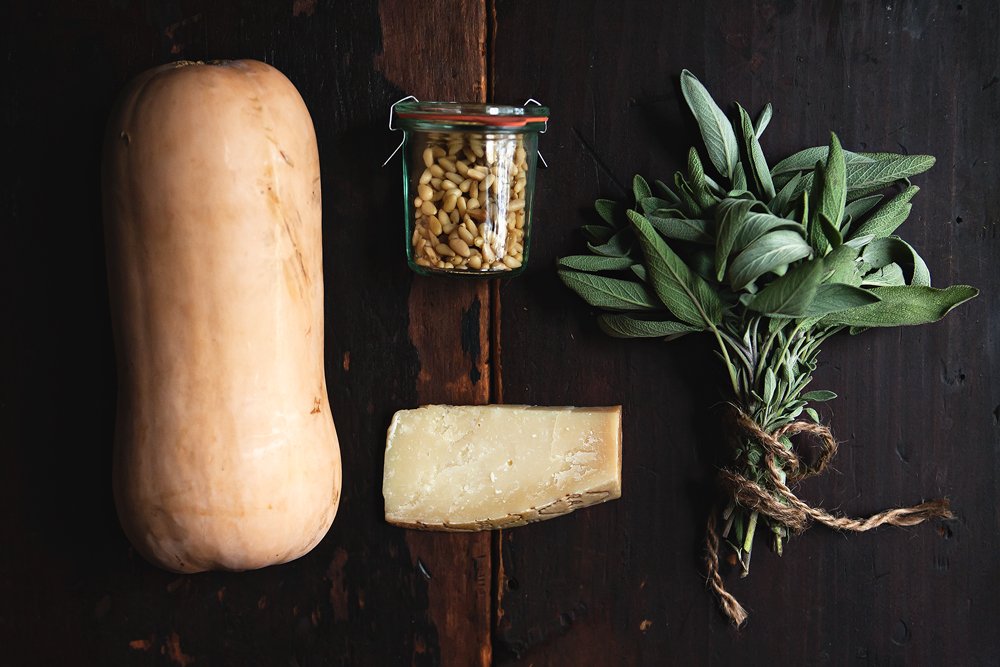

I decided to make pasta with a butternut squash that had been sitting around for a few weeks. With the unseasonably warm weather we’ve been having, it hadn’t quite felt like the right time to crack it open. But I figure, if we’re about to be blown to Oz, I might as well have something hearty prepared.
And so, in the eerie light of an afternoon going on night, I photographed the dish. You might not be able to tell, but the light is all askew. It’s dim and oblique, uncooperative. It’s alright though. The city’s about to go into lockdown!
Let’s call this Eye of the Storm rigatoni, an oasis in the form of baked butternut squash, toasted pine nuts, velvety sage, and heaps of freshly-shaven parmesan. It even gets a quick toss in a cast-iron so that the pasta crisps, and the squash chars. Is healthy comfort food an oxymoron?
PASTA WITH BUTTERNUT SQUASH, SAGE, AND PINE NUTS
Adapted from The Kitchn
Serves 4
Ingredients:
1 butternut squash, about 2 pounds
1 small onion, peeled and diced
3 cloves garlic, minced
olive oil
salt
pepper
1/2 cup fresh sage leaves
Enough rigatoni for 4 people (about 12 oz.)
1/3 – 1/2 cup toasted pine nuts
Freshly-grated parmesan
Directions:
Heat oven to 375 degrees F. Cut, peel, and seed the squash, then cut it into 1-inch cubes. Toss with the onion, garlic, a drizzle of olive oil and salt and pepper. Mince about half of the fresh sage leaves and toss with the squash. Spread the mixture evenly on a large baking sheet and bake for about 50 minutes, or until squash is soft. Rotate the pan halfway through.
About halfway through baking, make the pasta. Once it’s ready, drain thoroughly and set aside.
A few minutes before taking the squash out of the oven, heat a couple Tbsp of olive oil in a large skillet. When the oil is hot, lay in the sage leaves and heat them until they become crisp, about a minute. Remove them with a slotted spoon, lightly salt them, and crush them.
Once the squash is ready, pour the pasta and squash mixture into the skillet and cook for a few minutes, until the pasta begins to crisp. Stir in the crumbled sage and pine nuts. Serve with parmesan on the side.
Related Posts

Subscribe for New Racipies
Get mental health tips, updates, and resources delivered to your inbox.