
Is Cantaloupe Acidic? Insights for Acid Reflux Sufferers

Medically reviewed by Aneeza Pervez Updated Date: January 7, 2026
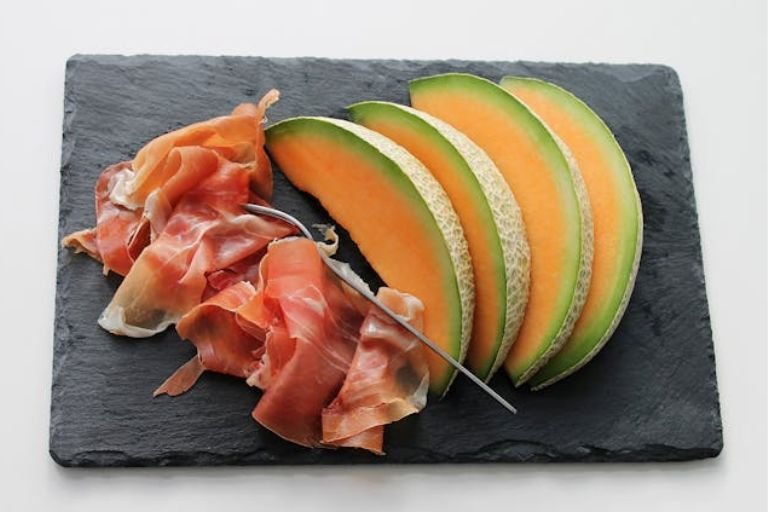
Fruits are a cornerstone of a healthy diet, offering essential vitamins, minerals, and hydration. But for those managing conditions like acid reflux, choosing the right fruits is critical. Acidity in fruits can influence digestion, impacting symptoms like heartburn or discomfort.
Cantaloupe—a juicy and refreshing fruit—is often touted as a nutritious option. But how does it stack up in terms of acidity? Could it be a safe choice for those dealing with acid reflux or hyperacidity? Understanding the acidity of cantaloupe and its effects can guide smarter dietary decisions, ensuring your health stays on track without sacrificing flavor.
What Does It Mean for a Fruit to Be Acidic?
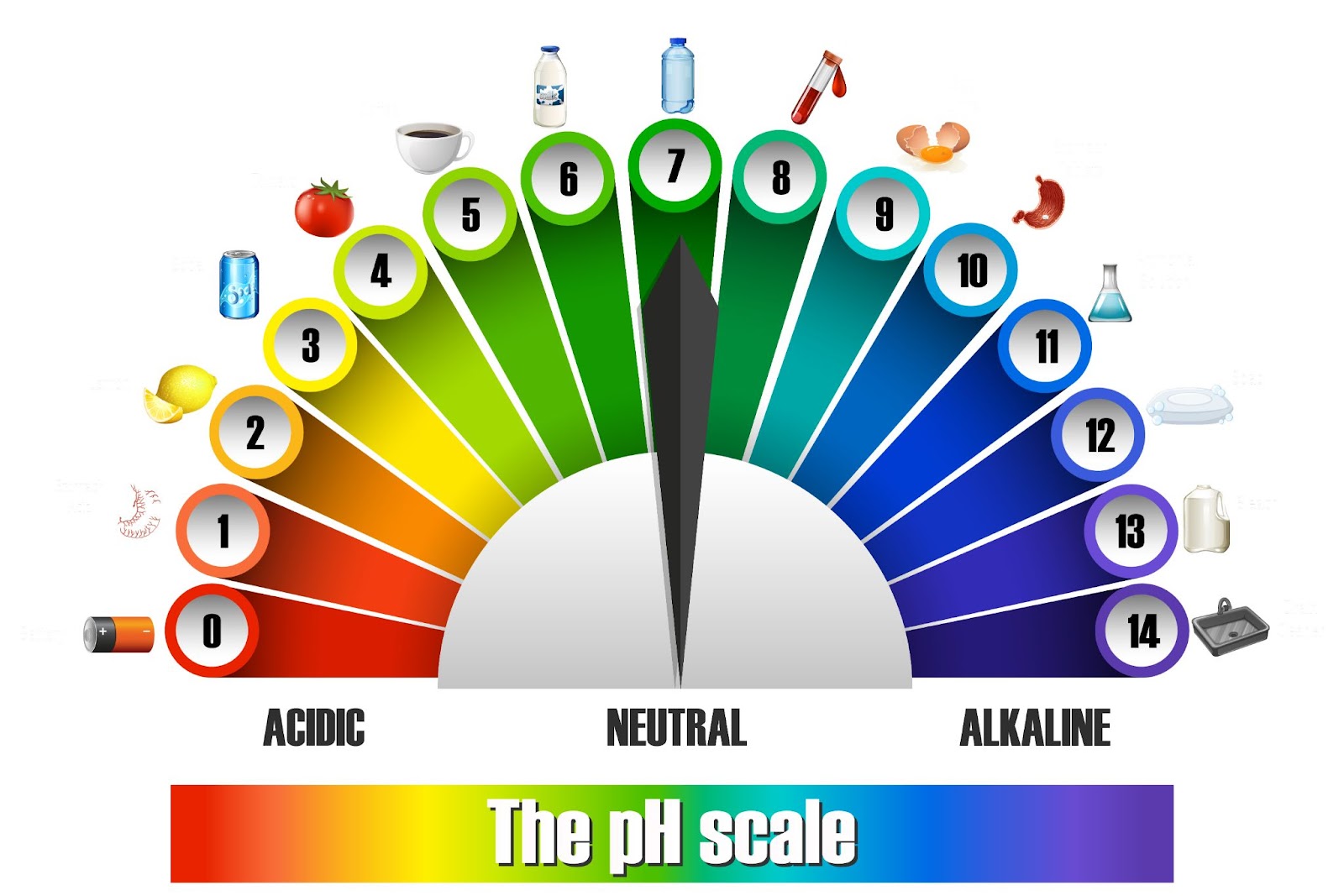
To grasp cantaloupe’s acidity, we first need to understand what it means for a fruit to be acidic. Acidity in foods is measured on the pH scale, which ranges from 0 (highly acidic) to 14 (highly alkaline), with 7 being neutral.
Fruits like lemons and oranges are highly acidic, scoring between 2 and 4 on the pH scale. Cantaloupe, by contrast, lies closer to the neutral zone, which makes it a gentler option for sensitive stomachs.
Why Does Acidity Matter?
Acidity plays a significant role in digestion. While a certain level of stomach acid is necessary to break down food, excessive acidity can irritate the esophagus, triggering acid reflux symptoms.
People prone to hyperacidity often struggle with acidic fruits, as these can exacerbate their condition. Low-acid fruits, like cantaloupe, can be a soothing alternative, offering hydration and nutrients without aggravating the stomach.
Is Cantaloupe Acidic?
Cantaloupe is classified as a low-acid fruit, with a pH level ranging from 6.1 to 6.5. This places it just shy of being neutral, meaning it’s far less acidic than citrus fruits like lemons or grapefruits.
How Does Cantaloupe Compare?
- Citrus Fruits: Highly acidic, with pH values between 2 and 4.
- Apples: Moderate acidity, pH of 3.3 to 4.0.
- Cantaloupe: Mild acidity, making it a friendlier option for sensitive stomachs.
Cantaloupe’s pH balance not only minimizes its potential to trigger reflux but also provides a refreshing and hydrating experience, especially during warm weather. Its low acidity and high water content make it a favored choice for those managing their digestive health.
Can I Eat Cantaloupe with Acid Reflux?
If you suffer from acid reflux, the idea of eating fruit might seem daunting. However, cantaloupe’s low acidity makes it one of the more tolerable options for many individuals.
Why Cantaloupe Might Be Suitable
- Low Acidity: Its mild pH level reduces the likelihood of triggering acid reflux symptoms.
- High Water Content: Helps neutralize stomach acid naturally, providing relief from discomfort.
- Rich Nutritional Profile: Cantaloupe is packed with vitamins A and C, antioxidants, and fiber, all of which promote overall digestive health.
Individual Tolerance Matters
Despite its benefits, it’s essential to remember that everyone’s digestive system is unique. Some individuals might find cantaloupe aggravates their symptoms, while others may experience no issues at all.
Tip: Start with small portions of cantaloupe and monitor your body’s response. If you experience discomfort, it’s best to consult a doctor or nutritionist for personalized advice.
Is Cantaloupe an Antacid?
While cantaloupe is soothing for many acid reflux sufferers, it’s important to clarify that it is not an antacid. Antacids are substances specifically formulated to neutralize stomach acid.
Cantaloupe’s Role in Digestive Health
Although it doesn’t act as an antacid, cantaloupe provides:
- Hydration: Its water-rich content helps dilute stomach acid.
- Natural Soothing Properties: Its mild pH level can help alleviate discomfort associated with hyperacidity.
- Balanced Nutrition: Vitamins and minerals in cantaloupe support a healthy gut lining and overall well-being.
Rather than directly counteracting stomach acid, cantaloupe helps by being gentle on the stomach and reducing the risk of irritation—a perfect example of how the right food choices can complement digestive health.
How Does Cantaloupe Compare to Other Fruits for Acid Reflux?
When dealing with acid reflux, choosing the right fruits is crucial. Certain fruits can soothe the stomach and help manage symptoms, while others may worsen discomfort due to their high acidity. Cantaloupe, with its low acidity, stands out as one of the best options for acid reflux sufferers.
Fruits That Are Good for Acid Reflux
- Bananas
Bananas are a powerhouse for acid reflux management. Their natural pH of about 5.0 to 5.3 makes them mildly acidic, but their texture and nutrient content create a protective layer in the stomach, reducing irritation in the esophagus. - Melons (Including Cantaloupe)
Melons like honeydew, cantaloupe, and watermelon are excellent choices due to their high water content and near-neutral pH levels. They hydrate the body and dilute stomach acid, providing natural relief. - Papaya
This tropical fruit contains papain, an enzyme that aids digestion and can help alleviate acid reflux symptoms. Its pH levels hover around 5.5 to 5.9, making it a low-acid choice. - Apples (Sweet Varieties)
While tart apples can trigger acid reflux, sweeter varieties like Fuji or Gala apples have a more neutral pH and offer fiber to promote digestive health.
Fruits to Avoid Due to High Acidity
Not all fruits are friendly to those with acid reflux. Here are some common culprits that can trigger symptoms:
- Citrus Fruits
Oranges, grapefruits, lemons, and limes have pH levels ranging from 2.0 to 4.0, making them highly acidic. These fruits can irritate the esophagus and worsen acid reflux. - Pineapples
Though delicious, pineapples are acidic (pH 3.0 to 4.0) and can be harsh on a sensitive stomach. - Tomatoes
Technically a fruit, tomatoes and their products (like ketchup or marinara sauce) are highly acidic, often leading to heartburn. - Berries (Certain Types)
While berries like blueberries and strawberries are nutrient-rich, they have moderate acidity and can cause reflux in sensitive individuals.
Other Foods That Help Manage Acid Reflux
Besides fruits, research suggests that incorporating certain foods into your diet can help neutralize stomach acid and reduce acid reflux symptoms.
Foods That Neutralize Stomach Acid Immediately
- Oatmeal
Oatmeal is a low-acid, high-fiber food that absorbs stomach acid and provides long-lasting energy. It’s a perfect choice for breakfast to start the day symptom-free. - Ginger
Known for its anti-inflammatory properties, ginger helps soothe the digestive system. It can be consumed as tea, added to soups, or even eaten raw in small quantities. - Chamomile Tea
Chamomile tea reduces stomach acidity and calms inflammation, providing relief from heartburn. - Leafy Greens
Spinach, kale, and broccoli are alkaline foods that help balance stomach acidity and prevent reflux. - Almonds and Almond Milk
Almonds are alkaline nuts that neutralize stomach acid, while almond milk is a soothing, low-acid alternative to dairy milk.
Tips for Managing Acid Reflux with Meals
- Eat Smaller, Frequent Meals: Overeating puts pressure on the stomach, pushing acid into the esophagus. Stick to smaller portions spread throughout the day.
- Chew Thoroughly: Proper chewing aids digestion, reducing the chance of acid reflux.
- Avoid Late-Night Snacking: Eating close to bedtime increases the risk of reflux as the body lies flat, making it easier for acid to travel upward.
Foods to Avoid for Acid Reflux
Knowing what to avoid is as crucial as knowing what to include. Many common foods and beverages can exacerbate acid reflux symptoms.
Author Tips: 7 Kinds of Foods to Avoid with GERD
The Ten Worst Foods for Acid Reflux
- Spicy Foods
Chili peppers, hot sauces, and spicy seasonings can irritate the stomach lining and trigger reflux. - Fried Foods
Greasy and fried foods slow digestion and relax the lower esophageal sphincter (LES), allowing acid to escape. - Caffeinated Drinks
Coffee, tea, and energy drinks stimulate acid production, increasing the likelihood of heartburn. - Chocolate
While tempting, chocolate contains caffeine and theobromine, both of which can relax the LES and worsen symptoms. - Carbonated Beverages
Soda and sparkling water can cause bloating, putting pressure on the LES and allowing acid to escape. - Alcohol
Alcoholic beverages irritate the stomach lining and relax the LES, making reflux more likely. - Citrus Juices
Orange, lemon, and grapefruit juices are highly acidic and should be avoided. - Onions and Garlic
These flavor enhancers can trigger heartburn in sensitive individuals. - Processed Foods
Packaged snacks and fast food often contain preservatives and additives that can aggravate reflux. - High-Fat Dairy Products
Cheese, butter, and cream are hard to digest and can increase acid production.
FAQs
Are watermelons and bananas good for curing acidity?
Yes, both watermelons and bananas are excellent for managing acidity. Watermelons have high water content and a neutral pH, while bananas are rich in natural antacids that soothe the stomach.
What fruit is good for people with acid reflux?
Low-acid fruits like melons, bananas, papayas, and sweet apples are the best choices for acid reflux sufferers. These fruits are gentle on the stomach and help neutralize acid.
Are cantaloupes acidic?
Cantaloupe is slightly acidic with a pH between 6.1 and 6.5, making it a near-neutral fruit suitable for acid reflux management.
Which fruits are good for acidity and heartburn?
Cantaloupe, watermelon, bananas, and papayas are excellent for combating acidity and heartburn. They are low-acid and nutrient-rich, supporting digestive health.
How can I include cantaloupe in my diet for acid reflux?
Enjoy cantaloupe as a snack, blend it into a smoothie, or add it to a fruit salad. Just be mindful of portion sizes to prevent overeating, which can trigger reflux.
Conclusion
Cantaloupe stands out as a refreshing, low-acid fruit that is highly beneficial for managing acid reflux. Its near-neutral pH, high water content, and rich nutritional profile make it a soothing option for those with sensitive stomachs.
By incorporating cantaloupe and other low-acid foods into your diet while avoiding known reflux triggers, you can take proactive steps toward better digestive health. Remember, consulting a healthcare provider for tailored advice is always a smart move when managing chronic conditions.
Related Posts


Subscribe for New Racipies
Get mental health tips, updates, and resources delivered to your inbox.
Monkey Bread


Chris and I went to Montauk for the long weekend, and when we arrived home, we found out that our Internet modem was “out of signal” and the earliest that Time Warner can send a repairman is Friday. FRIDAY. That translates to about 5,000 years by web standards.
The sad fact is, I am hopelessly reliant on the Internet. Without it within finger’s reach, a lot of my daily processes have come to a screeching halt. Like blogging. And emailing. Pinning. Uploading. Researching. Entertaining. I mean, what do we not do using the Internet these days?
No matter. Life must go on.
About my weekend, here’s my two cents: unless you’re prepared to eat at the same two restaurants for six meals in a row, don’t go to tourist spots during off season. Montauk was dead. And cold. And, we decided to take the Hampton Jitney, thinking it would be way more economical than renting a car, and ended up spending an exorbitant amount on taxi rides because apparently, everything’s not walkable like I’d previously thought.
Again, no matter. It was fun despite everything, and we got our fill of seafood (the seafood bruschetta at Harvest on Fort Pond is REALLY good—highly recommended). But once again, we were hit by the fact that, out here, the seasons are a serious force to contend with. In California, where the weather is about the same year round, there’s no reason not to take a break from reality and drive out to some middle-of-nowhere town at any time in the year. And that’s exactly what Chris and I would do, often.

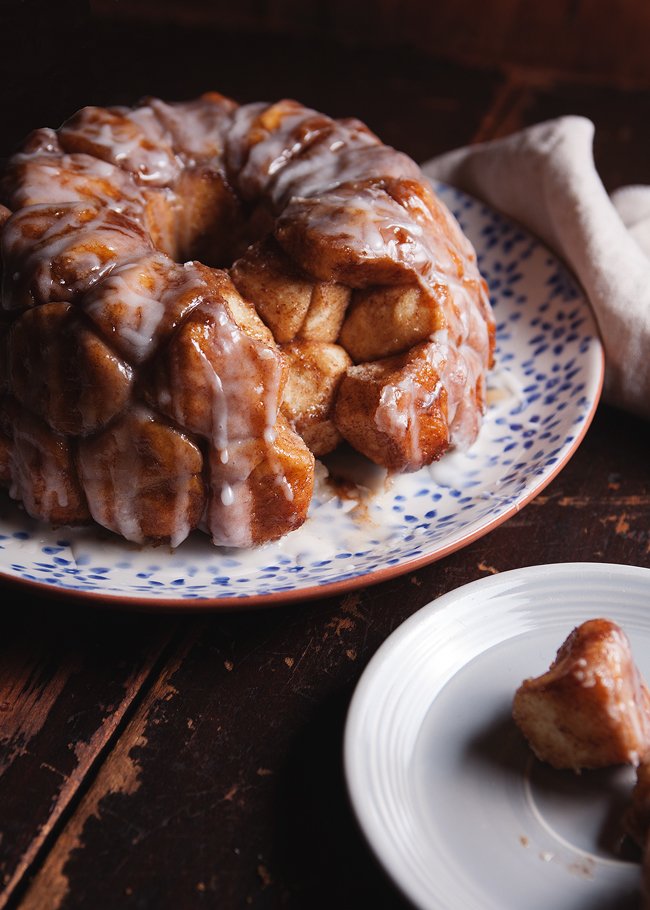
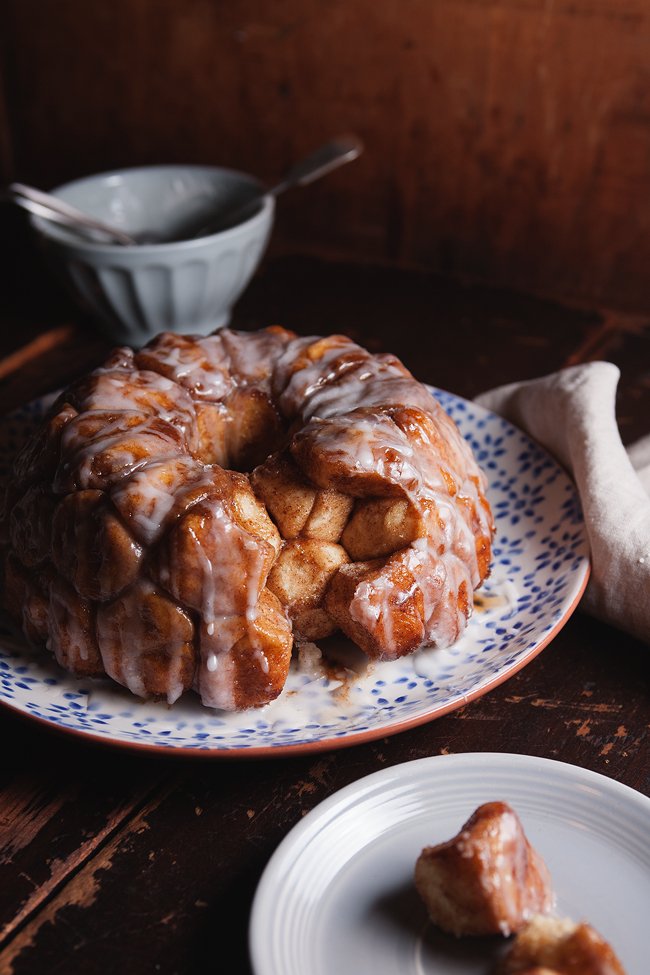
I made this monkey bread in preparation for the trip. Chris perked up like a little boy when I took it out of the oven, although the smells emanating from the kitchen had already set off a Pavlovian response far earlier.
Come to think of it, who wouldn’t perk up at the sight of monkey bread? It’s part cinnamon roll, part donut hole, and baked in a Bundt pan so it looks pretty to boot. Chris ooh’d and aah’d when I tipped it out of the pan, and hovered nearby as I drizzled the glaze over the top. And when I pulled a piece off to demonstrate how fun it was to eat, he eagerly joined in. I think monkey bread brings the inner child out of all of us.
With the glaze, it’s quite decadent, but I liked it for that fact. I don’t give myself the opportunity to indulge in sugary breakfasts often, so I’ll take whatever excuses I can get.
We enjoyed it the last few mornings with coffee (luckily, we were able to find one cafe in town that was open. Don’t know how I would’ve coped without the precious liquid), plucking pieces off in their perfect bite-sized units.
And outside, the howling wind whipped our little finger of land, heaving snow dust everywhere and freezing the ocean surf.
MONKEY BREAD
Adapted from Cook’s Illustrated via Mel’s Kitchen Cafe
Fills one 10-inch Bundt pan
Ingredients:
2 Tbsp melted butter, plus softened butter for buttering pan
1 cup milk, warm (about 110 degrees)
1/3 cup water, warm (about 110 degrees)
1/4 cup granulated sugar
2 1/4 tsp instant yeast
3 1/4 cups all-purpose flour, plus extra for work surface
2 tsp salt
Brown sugar coating:
1 cup packed light brown sugar
2 tsp ground cinnamon
8 Tbsp butter (1 stick), melted
Glaze:
1 cup confectioner’s sugar
3 Tbsp milk
Directions:
Butter a Bundt pan liberally with softened butter. Set aside.
In a large measuring cup, mix together the melted butter, milk, water, sugar, and yeast. Mix the flour and salt together in a standing mixer fitted with dough hook. Turn the machine to low and slowly add the milk mixture. After the dough comes together, increase the speed to medium and mix until the dough is shiny and smooth, 6 to 7 minutes. If you think the dough is too wet (i.e. having a hard time forming a cohesive mass), add 2 Tbsp flour at a time and mix until the dough comes together (it should still be on the sticky side, just not overly wet). Coat a large bowl with nonstick cooking spray. Place the dough in the bowl and turn to coat lightly with the cooking spray. Cover the bowl with plastic wrap and let the dough rise until doubled, 1-2 hours.
For the sugar coating, while the dough is rising, mix the brown sugar and cinnamon together in a bowl. Place the melted butter in a second bowl or shallow pie plate. Set aside.
To form the bread, gently remove the dough from the bowl and press it into a rough 8-inch square. Using a bench scraper or knife, cut the dough into 64 pieces.
Roll each dough piece into a ball (it doesn’t have to be perfect, just get it into a rough ball-shape). Working one at a time, dip the balls in melted butter, allowing excess butter to drip back into the bowl or pie plate. Roll the dipped dough ball in the brown sugar mixture, then layer the balls in the Bundt pan, staggering the seams where the dough balls meet as you build layers.
Cover the Bundt pan tightly with plastic wrap and let the monkey bread rise until puffy, 1-2 hours.
Heat the oven to 350 degrees F. Unwrap the pan and bake until the top is deep brown and caramel begins to bubble around edges, 30 to 35 minutes. Cool the monkey bread in the pan for 5 minutes (any longer and the bread will be too sticky and hard to remove!), then turn out on a platter or large plate and allow to cool slightly, about 10 minutes.
For the glaze, while the bread cools, whisk the confectioner’s sugar and milk together in a small bowl until the mixture is smooth. Using a spoon, drizzle the glaze over the warm monkey bread, letting it run over the top and sides of the bread. Serve warm.
Related Posts





Subscribe for New Racipies
Get mental health tips, updates, and resources delivered to your inbox.