
Is Tempeh Safe for Acid Reflux? A Comprehensive Guide

Medically reviewed by Aneeza Pervez Updated Date: January 2, 2026
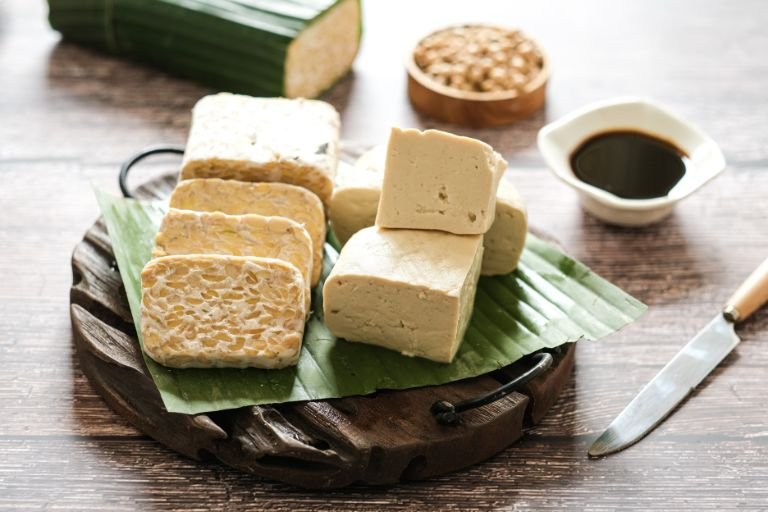
Living with acid reflux can feel like navigating a dietary minefield. With every meal, the looming question arises: Will this food make my symptoms worse? If you’re managing acid reflux, you likely know the frustration of cutting out foods you love to avoid discomfort. Amid the growing popularity of plant-based eating, many people wonder whether tempeh—a protein-packed, fermented soybean product—can safely fit into their diet.
Tempeh, a staple in Indonesian cuisine, is celebrated for its rich flavor, high nutritional value, and numerous health benefits. However, its suitability for individuals with acid reflux is a topic that demands careful exploration. Can tempeh help soothe symptoms, or does its fermentation process make it a potential trigger?
In this article, we’ll dive deep into the science behind acid reflux and its dietary triggers. We’ll explore the nutritional benefits of tempeh, its potential impact on acid reflux, and provide actionable tips for incorporating it into a reflux-friendly diet. Whether you’re a long-time tempeh fan or just curious about plant-based protein options, this comprehensive guide will equip you with the knowledge to make informed dietary choices.
Understanding Acid Reflux and Diet
Diet and Its Role in Managing Acid Reflux
Acid reflux, a condition where stomach acid flows back into the esophagus, can be influenced by several factors, including diet, lifestyle, and individual sensitivities. Among these, diet plays a pivotal role. Certain foods are well-known triggers, with spicy dishes, citrus fruits, and high-fat meals often topping the list of culprits. These foods can irritate the esophagus, relax the lower esophageal sphincter (LES)—the valve that prevents acid from escaping—and increase stomach acid production, intensifying symptoms.
Author Tip: Is Lemon Juice Acidic?
Why Diet Matters for Acid Reflux?
A thoughtful approach to eating is essential for managing acid reflux. Here’s why:
- Relaxation of the LES: Fatty or acidic foods can weaken the LES, allowing stomach acid to escape into the esophagus and cause discomfort.
- Increased Stomach Acid Production: Certain trigger foods stimulate excess acid, which can aggravate symptoms.
- Reducing Esophageal Irritation: Choosing alkaline or neutral foods can help soothe the esophagus and prevent irritation.
For those managing acid reflux, adopting a low-acid, easily digestible diet is often the first line of defense. This is where tempeh—a fermented soybean product—enters the picture. Known for its impressive nutritional profile and versatility, tempeh is increasingly popular among health-conscious eaters. But is it safe for individuals with acid reflux? Let’s find out.
What Is Tempeh?
Tempeh is traditional Indonesian food made from fermented soybeans. Unlike tofu, which is smooth and soft, tempeh is firm, nutty, and has a grainy texture. It is often praised for its high protein content, rich nutrient profile, and potential gut health benefits.
Nutritional Profile of Tempeh
- Protein: Contains all nine essential amino acids, making it a complete protein.
- Fiber: Supports digestion and gut health.
- Vitamins and Minerals: Rich in B vitamins, calcium, magnesium, and iron.
- Probiotics: Contains beneficial bacteria from fermentation, which may improve gut health.
Given its nutritional benefits, tempeh is considered a healthy addition to many diets. But how does it affect those with acid reflux?
Is Tempeh Safe for Acid Reflux?
The Good News
For most people, tempeh is a safe and beneficial food for managing acid reflux. Here’s why:
- Low Fat Content: Tempeh is naturally low in unhealthy fats, reducing the likelihood of relaxing the LES.
- Rich in Protein: Protein can help repair esophageal tissue damaged by acid reflux.
- Alkalizing Effect: Tempeh’s pH is close to neutral, making it a less acidic food option.
Potential Concerns
While tempeh is generally safe, it may not suit everyone with acid reflux. Here are some factors to consider:
- Individual Sensitivities: Some people may find fermented foods like tempeh to be mildly acidic or triggering.
- Preparation Methods: Fried or heavily seasoned tempeh can increase fat and spice levels, worsening reflux.
- Overeating: Large portions of any food, including tempeh, can put pressure on the LES.
Scientific Evidence Supporting Tempeh for Acid Reflux
- Fermentation Benefits
Studies suggest fermented foods like tempeh can improve gut health by promoting a balanced microbiome. A healthy gut may reduce inflammation and support better digestion, alleviating acid reflux symptoms (Marco et al., 2017). - Rich in Isoflavones
Isoflavones in soy products have antioxidant and anti-inflammatory properties, which may soothe the esophagus and reduce reflux episodes (Zhou et al., 2014). - Probiotic Support
Probiotics in tempeh may enhance gut barrier function and reduce reflux-related symptoms, as highlighted in studies on fermented foods and gastrointestinal health (Floch et al., 2011).
How to Include Tempeh in an Acid Reflux-Friendly Diet?
Cooking Tips
- Avoid Frying: Opt for steaming, baking, or grilling to minimize added fats.
- Use Mild Seasonings: Stick to herbs like basil or parsley instead of spicy ingredients like chili powder.
- Pair with Low-Acid Foods: Combine tempeh with alkaline vegetables like spinach, zucchini, or sweet potatoes.
Acid Reflux-Friendly Tempeh Recipes
- Steamed Tempeh with Quinoa and Vegetables
A light, nutritious dish that is easy on the stomach. - Tempeh Stir-Fry with Ginger
Use low-sodium soy sauce and gentle spices for a reflux-friendly version. - Tempeh Salad Bowl
Pair sliced tempeh with leafy greens, cucumber, and avocado for a filling meal.
Foods to Avoid When Eating Tempeh
To maximize the benefits of tempeh, avoid combining it with these reflux-triggering foods:
- Citrus Fruits: Lemons, oranges, and grapefruit.
- Tomato-Based Sauces: High in acid and can irritate the esophagus.
- Spicy Ingredients: Can increase stomach acid production.
- Fatty Toppings: Avoid mayonnaise or creamy dressings.
Author Tip: 7 Kinds of Foods to Avoid with Gerd
Other Plant-Based Proteins for Acid Reflux
If tempeh doesn’t suit your diet, consider these alternatives:
- Tofu: Soft and mild, ideal for soups and stir-fries.
- Lentils: High in protein and fiber, easy to digest when cooked thoroughly.
- Chickpeas: Versatile and great for salads or hummus.
- Seitan: A wheat-based protein that is low in fat but should be consumed in moderation.
Balancing Gut Health and Acid Reflux
Gut health plays a critical role in managing acid reflux. Fermented foods like tempeh support beneficial gut bacteria, which can help:
- Reduce inflammation in the digestive tract.
- Enhance nutrient absorption.
- Regulate stomach acid production.
When to Consult a Doctor?
If you’re unsure about adding tempeh to your diet, consult a healthcare provider, especially if you:
- Have severe acid reflux or GERD.
- Experience worsening symptoms after eating tempeh.
- Are managing other digestive conditions like IBS or gastritis.
Conclusion
Tempeh can be a safe and nutritious choice for individuals managing acid reflux, provided it is prepared in a reflux-friendly manner. Its high protein content, probiotics, and neutral pH make it an excellent addition to a balanced diet. However, as with any food, individual responses may vary. Incorporate tempeh mindfully, pair it with alkaline foods, and monitor your symptoms to determine if it works for you.
By making informed dietary choices, you can enjoy the benefits of tempeh while keeping acid reflux at bay.
Related Posts



Subscribe for New Racipies
Get mental health tips, updates, and resources delivered to your inbox.
Pumpkin Spice Marshmallow Puffs



I was watching the Pillsbury Bake-off Contest 2013 all weekend via Instagram. There were a lot of my favorite bloggers in attendance. The whole event looked a lot of fun from their media perspective, but I couldn’t imagine how much pressure the contestants were feeling trying to win $1 million dollars. That’s just crazy. I don’t think I could perform under that kind of pressure. But I would love to know how it feels to win. Perhaps someday I will enter. In the meantime, I was inspired to whip up these little treats for the family this weekend.
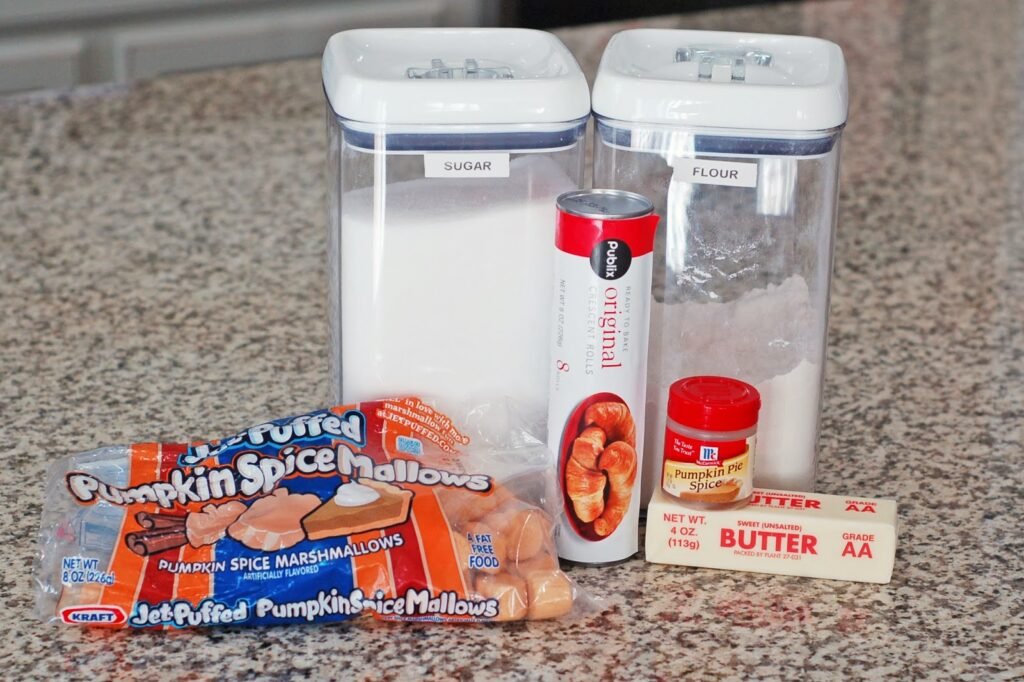
This recipe is adapted from the 1969 Pillsbury Bake-Off Contest winning recipe, the Magic Marshmallow Crescent Puffs. I had some leftover Jet-Puffed Pumpkin Spice Mallows in the pantry and didn’t want them to go to waste. I actually never made the marshmallow puffs before.

My daughter had a blast helping out. They are easy enough for a 7 year old to put them together.

Just dip the marshmallows in the butter and in the sugar mixture. Then roll them up in the crescent. Since the Pumpkin Spice Mallows are smaller than a regular marshmallow, I used two. And I rolled them up from the wide end of the crescent instead of the narrow end. I just folded the sides in over the marshmallows and then rolled them up.

Then you need to make sure all the edges are sealed. I just pinched them a little with my fingers.

Don’t forget to dip the bottoms in the remaining butter. This helps a lot if the crescents leak and makes a sticky mess.

I did have a couple of the puffs leak out a little filling, but since I had greased my pan well and with the added butter, they came out of the pan easily.
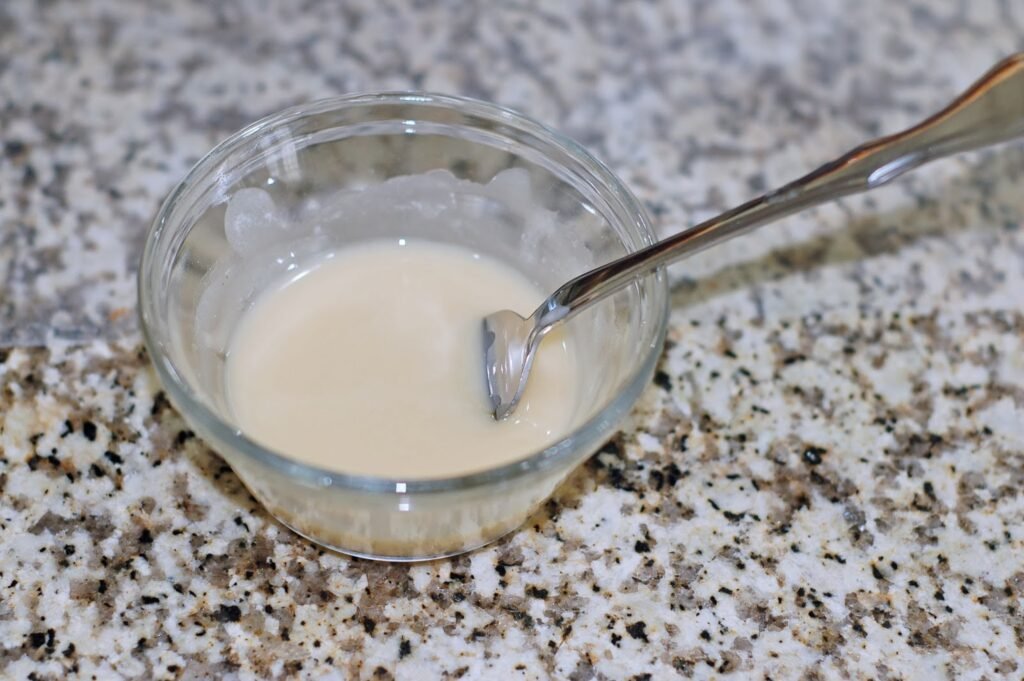
I added a little maple syrup to the glaze for a some extra flavor. And for fun, I added some sprinkles. I like how the marshmallows melt away and leave behind a sweet, gooey filling. The maple glaze topped it off just right.
hese are a great after school treat for the kids or you can double up the recipe for a party. Enjoy!
Pumpkin Spice Marshmallow Puffs

by The Sweet Chick
Prep Time: 15-20 minutes
Cook Time: 12-15 minutes
Keywords: bake dessert snack crescent rolls pumpkin spice pumpkin spice marshmallows maple syrup crescent rolls American fall
Ingredients (8 servings)
For the puffs
- 2 tablespoons sugar
- 1 tablespoon all purpose flour
- 1/2 teaspoon pumpkin pie spice
- 1 can (8 oz.) ready to bake crescent rolls
- 16 Jet-Puffed Pumpkin Spice Mallows
- 2 tablespoons butter, melted
For the glaze
- 1/4 cup powdered sugar
- 1 teaspoon pure maple syrup
- 1 tablespoon milk
Optional toppings
- sprinkles
Instructions
For the puffs
Preheat oven to 375º F.
In a small bowl, mix together the sugar, flour and spice.
Separate crescent rolls into 8 triangles and lay on a flat surface.
First dip each marshmallow in the melted butter, then dip each in the sugar mixture and coat evenly.
Place 2 marshmallows side by side at the widest end of the crescent roll. Wrap the side inwards over the marshmallows then roll until marshmallows are completely covered.
Pinch all seam with fingers to make sure they are sealed. Repeat process for all marshmallows until all crescent rolls are filled.
Dip bottoms of each filled crescent roll in the remaining butter and place buttered side down into a greased muffin pan. You may place muffin pan on a cookie sheet in case of spillage.
Bake at 375ºF for 12-15 minutes or until tops are golden.
Remove from oven and let the crescent puffs cool for 1-2 minutes.
Then remove them from the pan and place them on a cooling rack with a wax paper underneath and prepare the glaze.
For the glaze
in a small bowl mix together the sugar, syrup, and milk until smooth.
Then drizzle evenly over the crescent rolls with a spoon and let the glaze set.
For the toppings
If you want to add sprinkles, add them before the glaze sets.
You can serve these warm or at room temperature. Either way they are just as tasty. And they still taste good the second day if placed in an airtight container.
Related Posts





Subscribe for New Racipies
Get mental health tips, updates, and resources delivered to your inbox.