
Is Chive Acidic? Chive and Acid Reflux: All You Need to Know

Medically reviewed by Aneeza Pervez Updated Date: January 2, 2026
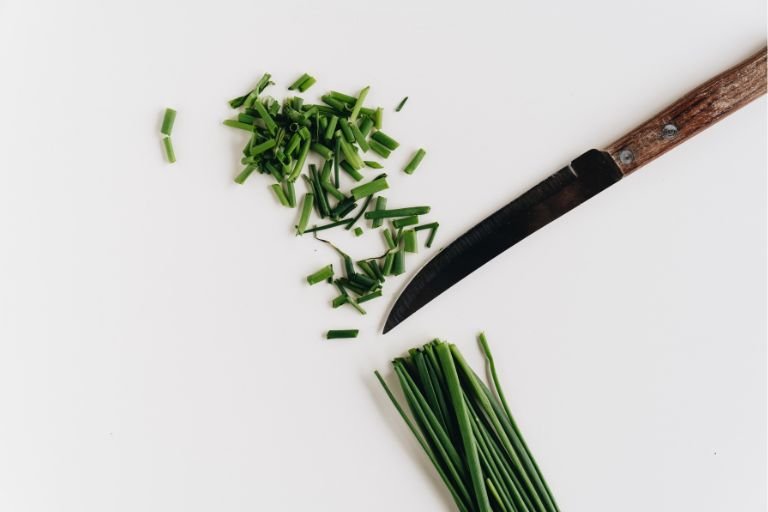
Chives are a flavorful herb commonly used in various dishes for their mild onion-like taste and vibrant green appearance. While chives are a popular culinary ingredient, their impact on individuals with acid reflux is often questioned. Are chives acidic, and can they worsen acid reflux symptoms? This article delves into the acidity of chives, their nutritional profile, and how to incorporate them into a reflux-friendly diet.
Whether you love chives as a garnish or a key ingredient, read on to find out how they affect acid reflux and how you can enjoy them without discomfort.
Are Chives Acidic or Alkaline?
1. The pH Level of Chives
Chives are mildly acidic, with a pH level ranging between 5.5 and 6.0. Although they fall on the acidic side of the pH scale, they are not as acidic as citrus fruits or tomatoes.
2. How Chives Compare to Other Herbs
Research suggest that chives are less acidic than some other herbs and seasonings, such as garlic or onions. This makes them a milder option for individuals who are sensitive to acidic foods.
3. Chives’ Impact on Digestion
While their acidity is minimal, chives belong to the allium family, which includes onions and garlic. Foods in this category can sometimes cause mild irritation to the stomach lining in sensitive individuals.
Chives and Acid Reflux: Safe or Risky?
The safety of consuming chives when dealing with acid reflux largely depends on individual tolerance and preparation methods. Here’s what you need to know:
1. Potential Benefits of Chives for Acid Reflux
- Low in Fat: Chives contain negligible fat, making them a lighter option compared to fatty foods that are known to trigger reflux.
- Rich in Antioxidants: Chives are packed with antioxidants like vitamin C and quercetin, which can help reduce inflammation in the digestive tract.
- Small Portion Usage: Chives are often used as a garnish or in small amounts, reducing the likelihood of causing digestive distress.
2. Potential Risks of Chives for Acid Reflux
- Allium Sensitivity: Some individuals with acid reflux find that members of the allium family (e.g., garlic, onions) exacerbate symptoms, even in small quantities.
- Raw Chives: Raw chives may be harder to digest for some people, leading to mild bloating or gas, which can indirectly trigger reflux symptoms.
Author Tip: Are Onions Acidic or Basic?
3. Are Chives a Trigger Food?
Unlike highly acidic or spicy foods, chives are not considered a common trigger for acid reflux. However, individual sensitivities vary, so it’s best to consume chives in moderation to gauge their effect on your body.
Nutritional Profile of Chives and Their Benefits for Digestive Health
Chives are not just a flavorful herb; they also pack a nutritional punch. Here’s what makes them a healthy addition to your diet:
1. Low-Calorie Herb
Chives are incredibly low in calories, with only about 4 calories per tablespoon. This makes them a guilt-free addition to any meal.
2. Rich in Vitamins and Minerals
- Vitamin K: Supports healthy digestion and aids in blood clotting.
- Vitamin C: Helps repair tissue damage in the esophagus caused by acid reflux.
- Folate: Aids in overall digestive health and reduces the risk of inflammation.
3. High in Antioxidants
Chives contain antioxidants like quercetin and sulfur compounds, which have anti-inflammatory properties that may benefit individuals with acid reflux by soothing irritation in the esophagus.
4. Contains Fiber
The small amount of dietary fiber in chives can aid digestion and reduce constipation, which may alleviate pressure on the lower esophageal sphincter (LES).
How to Use Chives in a Reflux-Friendly Diet?
To enjoy chives without triggering acid reflux, consider the following preparation and serving tips:
1. Opt for Cooked Chives Over Raw
Cooking chives can make them easier to digest and reduce the risk of triggering acid reflux symptoms. Lightly sautéing or incorporating them into soups and stews is a great way to enjoy their flavor.
2. Use in Small Quantities
Since chives are often used as a garnish or flavor enhancer, the small portion sizes make them less likely to cause discomfort.
3. Pair with Alkaline Foods
Combine chives with alkaline or neutral foods to balance their mild acidity. Examples include:
- Mashed potatoes
- Quinoa
- Grilled chicken or fish
4. Avoid Spicy or Acidic Pairings
Skip spicy seasonings or acidic accompaniments like vinegar or lemon juice when using chives. Opt for milder flavorings like olive oil or yogurt-based dressings.
Reflux-Friendly Recipes Featuring Chives
1. Chive and Sweet Potato Mash
- Ingredients: Boiled sweet potatoes, chopped chives, olive oil, salt, and pepper.
- Instructions: Mash the boiled sweet potatoes, mix in olive oil and chopped chives, and season with salt and pepper for a reflux-friendly side dish.
2. Creamy Chive Dip (Lemon-Free)
- Ingredients: Greek yogurt, chopped chives, garlic powder (optional), and salt.
- Instructions: Mix all ingredients in a bowl for a reflux-friendly dip to pair with raw veggies or whole-grain crackers.
3. Chive-Infused Vegetable Soup
- Ingredients: Chopped chives, vegetable broth, carrots, zucchini, and spinach.
- Instructions: Add all ingredients to a pot and simmer until the vegetables are tender. Serve warm with a sprinkle of fresh chives on top.
Author Tip: 7 Kinds of Foods to Avoid with GERD
FAQs About Chives and Acid Reflux
1. Are chives acidic?
Yes, chives are mildly acidic, with a pH level between 5.5 and 6.0.
2. Do chives trigger acid reflux?
Chives are not a common trigger for acid reflux, but they may cause discomfort for individuals who are sensitive to allium vegetables.
3. Are raw chives safe for acid reflux?
Raw chives may be harder to digest and could potentially lead to bloating or gas, which can exacerbate reflux symptoms. Cooking chives is a safer option.
4. How can I use chives in a reflux-friendly way?
Use chives in small quantities, cook them to enhance digestibility, and pair them with alkaline foods like quinoa or sweet potatoes.
5. Are chives healthier than onions for acid reflux?
Yes, chives are milder and less likely to trigger reflux compared to onions, which are more acidic and pungent.
Conclusion
Chives are a mildly acidic herb that can be safely enjoyed by most individuals with acid reflux when consumed in moderation. Their low calorie count, high antioxidant content, and versatility in cooking make them a great addition to a reflux-friendly diet. By opting for cooked chives, avoiding acidic or spicy pairings, and incorporating them into balanced meals, you can enjoy their flavor without discomfort.
If you’re managing acid reflux and looking for more dietary tips, explore our other articles for advice on maintaining a healthy and comfortable diet. Feel free to share this guide with others who may find it helpful!
Related Posts




Subscribe for New Racipies
Get mental health tips, updates, and resources delivered to your inbox.
Chocolate Thumbprint Cookies


I’ve never made thumbprint cookies before. I realize this indicates a serious gap in my education, but I was raised in a cookie-less household? My mom made lots of delicious things to compensate, but cookies were missing from my life until I was a teenager.
I’ve certainly tried making up for it since then. I think my first love is for the chocolate chip cookie, such a classic. The ones in this recipe are my favorite, but my college roommate used to make ridiculously good chocolate chip oatmeal cookies, and my memories of them involve sitting around our dining table late at night in sweatpants getting really hyper off sugar.
I also have a weakness for ginger cookies, the chewy kind, like these. At my old job in San Francisco, we used to hold an annual cookie swap, and I’d always bring something ginger-y and doused in sugar. I’d push them pretty hard on my co-workers and would stand and watch as they took a bite. It was unnerving I’m sure, but I wanted all my cookies to be snatched up first.
I also love brownie-like cookies, and peanut butter cookies, and the list could go on. I’ll refrain. If you can’t tell, I have a one-track cookie mind, a serious thing for soft and chewy. It’s kind of limiting, especially when you consider the worlds of cookies I’m not making as a result. That’s why this Christmas, I decided to finally step outside of my cookie comfort zone. With thumbprints.

But baby steps first. I’m not fond of jam-filled pastries—this relates back to my dislike of fruit being cooked. So I decided to go the chocolate route instead. The chocolate ganache route, using honey as the sweetener. It also acts as a thickener, so that the ganache somewhat sets and solidifies and doesn’t get all over the place (case in point: I dropped a cookie on the rug and it left no smear whatsoever; but a lot of rug fuzz ended up on the cookie). It also lends its taste to the chocolate, which results in an unexpectedly good combination, especially when offset against the Maldon salt in the cookie.
The cookie itself, being somewhat of a shortbread in nature, is quite a departure for me. I have too many memories of family-sized tins of Danish butter cookies given to us by visitors from China. I’d eat one and remember that I hated them because they were buttery and plain, and eventually my mom would end up putting it away in the cupboard that stored all food gifts from visitors from China (mostly consisting of Danish butter cookies).
The cookies in this recipe are not plain. They are quite buttery however, and crumble in your mouth the way shortbread does. They’re also rich, so that their two-teaspoon size is more than enough for one serving, especially with the dollop of ganache on top. I like them. I’m still a fan of soft chewy cookies, but for my first-ever thumbprints, I’d say they’re quite good.


CHOCOLATE THUMBPRINT COOKIES
makes 75 (2-tsp size portions)
Adapted from Martha Stewart
Ingredients:
- 2 cups all-purpose flour
- 1 cup plus 1 Tbsp unsweetened cocoa powder
- 1-1/2 tsp coarse (I used Maldon) salt
- 8 ounces (2 sticks) unsalted butter, softened
- 1-1/3 cups sugar
- Turbinado sugar for rolling
- 2 large egg yolks
- 2 Tbsp heavy cream
- 2 tsp vanilla extract
- 1 cup Chocolate Ganache, recipe below
Directions:
Preheat oven to 350 degrees. Sift flour, cocoa powder, and salt into a small bowl. Cream butter and sugar with a mixer until pale and fluffy. Reduce speed to medium and add yolks, cream, and vanilla. Scrape down sides of bowl and beat in flour mixture until just combined.
Roll balls using 2 teaspoons of dough for each, and roll each in turbinado sugar. Place 1 inch apart on parchment-lined baking sheets. Using your index finger, make a deep indentation in the center of each. Bake, rotating sheets halfway through, until cookies are just set, about 10 minutes. The indentations will probably lose definition, so press centers again. Let cool completely.
Spoon warm ganache into center of each cookie. Let stand until firm, about 15 minutes. Cookies will keep, covered, for up to 3 days.
CHOCOLATE GANACHE
Makes about 1 cup
Adapted from Martha Stewart
Ingredients:
- 4 oz. bittersweet chocolate, finely chopped
- 1/3 cup honey
- 1/3 cup heavy cream
- 1 tsp vanilla extract,
- 2 Tbsp unsalted butter, cut into pieces and softened
Directions:
Place the chocolate in a medium bowl. Combine honey, cream, and vanilla in a medium saucepan over medium heat. Bring to a simmer, and cook, stirring until honey dissolves. Remove from heat, and pour over chocolate. Stir vigorously until it has mostly melted. Add butter and continue stirring until the chocolate and butter have fully melted and all the ingredients have been incorporated.
The ganache is most malleable when still warm, so make sure your cookies have cooled completely and fill away!
Related Posts





Subscribe for New Racipies
Get mental health tips, updates, and resources delivered to your inbox.