
Is Horseradish Acidic? Horseradish and Acid Reflux

Medically reviewed by Aneeza Pervez Updated Date: January 2, 2026

The Fiery Kick of Horseradish
Horseradish is a pungent root vegetable often used as a condiment or flavoring in sauces and dishes. Its bold, spicy flavor can elevate meals, making it a popular choice for adventurous eaters. However, if you’re someone who suffers from acid reflux, you might wonder whether horseradish is a safe addition to your diet.
Does horseradish’s fiery kick come with an acidic punch that could worsen acid reflux symptoms? In this article, we’ll explore the pH of horseradish, its nutritional benefits, and its impact on acid reflux. By the end, you’ll know whether this spicy root deserves a spot on your plate.
Understanding Acid Reflux: What You Need to Know
What Is Acid Reflux?
Acid reflux, also called gastroesophageal reflux disease (GERD) when chronic, occurs when stomach acid flows back into the esophagus. This happens when the lower esophageal sphincter (LES) fails to close properly, allowing acid to escape.
Common Symptoms Include:
- A burning sensation in the chest (heartburn).
- Sour or bitter taste in the mouth.
- Difficulty swallowing.
- Bloating or excessive burping.
Managing acid reflux often requires dietary adjustments to avoid foods that irritate the esophagus or increase stomach acid production.
Common Food Triggers for Acid Reflux
Certain foods are notorious for triggering acid reflux. These include:
- Spicy foods.
- Acidic foods like citrus fruits and tomatoes.
- High-fat or fried foods.
- Caffeinated or carbonated drinks.
Spicy and pungent foods, like horseradish, are often placed on the “proceed with caution” list for reflux sufferers. But is horseradish truly a culprit?
Author Tip: 7 Kinds of Foods to Avoid with GERD
Is Horseradish Acidic or Alkaline?
The pH of Horseradish
Horseradish is slightly acidic, with a pH level ranging between 5.5 and 6.5. While not highly acidic, it can still irritate the esophagus due to its spicy and pungent nature. The sharp heat of horseradish comes from compounds called isothiocyanates, which can be harsh on sensitive digestive systems.
How the Acidity of Horseradish Compares to Other Foods?
While horseradish is less acidic than citrus fruits or vinegar, its spicy compounds can make it feel harsher than its pH would suggest. For acid reflux sufferers, this means that even a small amount of horseradish might cause discomfort.
Nutritional Profile of Horseradish
Key Nutrients in Horseradish
Horseradish is more than just a condiment; it’s also a nutrient-rich root vegetable. A tablespoon of prepared horseradish contains:
- Calories: Only 7, making it a low-calorie flavor enhancer.
- Vitamin C: Supports immune health and acts as an antioxidant.
- Fiber: Aids digestion, though in small amounts.
- Glucosinolates: Compounds with potential anti-cancer properties.
Health Benefits of Horseradish
According to the research, horseradish is a superfood for human health, as it can benefit human body in the following ways:
- Anti-Inflammatory Properties: The isothiocyanates in horseradish may help reduce inflammation.
- Antimicrobial Effects: Horseradish contains compounds that can fight bacteria, making it a natural remedy for minor infections.
- Rich in Antioxidants: Vitamin C and other compounds in horseradish help neutralize harmful free radicals in the body.
- Digestive Support: In small amounts, horseradish can stimulate digestion, though this may not be ideal for those with acid reflux.
Does Horseradish Trigger Acid Reflux?
Why Horseradish May Aggravate Symptoms?
For individuals with acid reflux, horseradish can be a trigger for several reasons:
- Spicy Nature: The pungent heat from isothiocyanates can irritate the esophagus and stomach lining, worsening heartburn symptoms.
- Acidity: While moderately acidic, horseradish’s pH can still contribute to stomach acid production.
- Stimulant Effect: Horseradish stimulates digestive enzymes and stomach acid, which can lead to reflux in sensitive individuals.
When Horseradish Might Be Safe?
For some individuals with mild acid reflux, small amounts of horseradish may not cause any noticeable symptoms. If you tolerate mildly spicy foods and do not experience discomfort, you might be able to include it in your diet occasionally.
Tips for Consuming Horseradish Safely with Acid Reflux
1. Limit Portion Sizes
- Stick to a teaspoon or less to minimize its impact on your digestive system.
- Avoid consuming horseradish on an empty stomach.
2. Pair Horseradish with Alkaline Foods
- Combine horseradish with alkaline foods like leafy greens, cucumbers, or whole grains to neutralize its acidity.
- Avoid pairing it with acidic or spicy dishes, which can amplify its effects.
3. Choose Mild Horseradish Products
- Look for milder versions of horseradish sauce, which may be less pungent and easier to tolerate.
- Avoid horseradish prepared with vinegar or other acidic ingredients.
Alternatives to Horseradish for Acid Reflux Sufferers
If horseradish is too harsh for your reflux symptoms, consider these alternatives:
1. Ginger
Ginger is a natural anti-inflammatory and can soothe the digestive system. Use it as a substitute in sauces or marinades.
2. Mustard Greens
For a mildly spicy kick, try mustard greens, which are gentler on the stomach than horseradish.
3. Herbs and Spices
Flavor your dishes with reflux-friendly herbs like parsley, basil, or dill instead of horseradish.
Author Tip: 7-Day Meal Plan For Gastritis: Balancing Nutrition and Gastritis
Lifestyle Changes to Manage Acid Reflux
1. Practice Mindful Eating
- Eat smaller, more frequent meals to reduce pressure on the LES.
- Chew your food thoroughly and avoid rushing through meals.
2. Avoid Common Triggers
- Keep a food diary to identify which foods worsen your symptoms.
- Avoid eating late at night or lying down shortly after meals.
3. Maintain a Healthy Weight
Excess weight can increase abdominal pressure and contribute to acid reflux. Aim for a balanced diet and regular exercise to manage your weight.
Conclusion: Is Horseradish Acidic and Safe for Acid Reflux?
Horseradish is mildly acidic but can be harsh on the digestive system due to its spicy and pungent nature. For most acid reflux sufferers, horseradish is best avoided or consumed in very small amounts.
If you enjoy its bold flavor, consider pairing it with alkaline foods and monitoring your portion sizes to minimize discomfort. Remember, managing acid reflux is all about understanding your triggers and making mindful food choices.
FAQs: Horseradish and Acid Reflux
Q1: Is horseradish highly acidic?
Horseradish is mildly acidic, with a pH of 5.5 to 6.5, but its spicy compounds can make it feel harsher than its pH suggests.
Q2: Can horseradish worsen acid reflux?
Yes, horseradish can trigger reflux symptoms due to its pungent heat and ability to stimulate stomach acid.
Q3: Are there reflux-friendly alternatives to horseradish?
Yes, ginger, mustard greens, and herbs like parsley or basil are excellent alternatives.
Q4: Can small amounts of horseradish be safe for acid reflux sufferers?
For some individuals with mild reflux, small amounts of horseradish may be tolerated, especially when paired with alkaline foods.
Q5: What is the best way to eat horseradish if I have acid reflux?
Consume it sparingly, pair it with non-acidic ingredients, and avoid eating it on an empty stomach to minimize its effects.
Related Posts



Subscribe for New Racipies
Get mental health tips, updates, and resources delivered to your inbox.
Can You Eat Triggerfish? Exploring Safe and Delicious Options


Are you vacationing in the Mexican Gulf or on a Caribbean island? After that, you have witnessed the vivid and bright triggerfish.
So, many people think if triggerfish are suitable for consumption and what they taste like.
So, can you eat triggerfish?
You can eat triggerfish. But a toxin called ciguatera can have negative effects on your health. Such as neurological problems or nausea. Don’t panic; you can still appreciate the fish despite your fear. Following certain preventative measures against contaminants.
Stay with us if you’re still curious about how you can like eating triggerfish. This fast tutorial will teach you all you need to know. About eating and preparing several triggerfish species.
Please keep scrolling to know all the details!
Can You Eat Triggerfish?

Yes, triggerfish is quite edible. Triggerfish are sensitive to ciguatera, as are many other reef fish. Ciguatera is a gastrointestinal infection that has a variety of harmful consequences. From vomiting to cardiac and neurological problems,
This is not to say that all triggerfish cannot be eaten. Ciguatera risk can be reduced significantly by avoiding the intake of bigger fish. The general guideline is that you should not keep or consume any triggerfish. That weighs more than 5 pounds.
There are just one species of clown triggerfish among the 40 species of triggerfish. is always regarded as dangerous for eating.
Other members of the triggerfish family are delectable and well-liked. owing to their pure white flesh. When cooked, triggerfish have a sweet taste similar to crab flesh.
Triggerfish fillets are thin and light. And they go well with any dish that calls for fish. Triggerfish’s taste profile gives the thrills of home cooking. Or skilled chefs have the chance to develop new recipes and try out various flavor combinations.
Related Article: Can You Eat Rock Bass? Things to Know About Rock Bass
How Do You Catch a Triggerfish?
Triggerfish fishing may be frustrating at times. Since you might only see more triggerfish than you manage to capture. Choose the correct bait and equipment. Before you go fishing if you want to have a successful day.

A must-have are little hooks. It’s best to start with a number between four and six. You should include spinning, baitcasting, and light ocean gear in your plan.
Any kind of cut bait, shrimp, squid strips, and plastic lures are favorites of triggerfish. Don’t get too thrilled about plastic lures since triggers’ tiny mouths seldom latch onto them. For triggerfish, plastic lures are purely for entertainment.
You will require a line with a test of around 15 pounds and no leader. Tie your hook straight to the line. When you locate a triggerfish, carefully go toward it. So you may throw your line and flip some bait close by. As soon as you hook up, triggerfish will move quickly. So be aware and be prepared to reel them in.
You might wish to use a method known as “bucketing” if the triggerfish are being obstinate and refusing to bite. You may take advantage of the fish’s fondness for hiding. Within anything afloat by using it to your advantage.
To tempt the triggers, you’ll need to have a five-gallon bucket or something comparable in size.
Bring the boat as near to a triggerfish. That has been toying with you but won’t bite as you can. Put a line on the bucket, and add some lead. Add water, and let the bucket sink next to the boat. A triggerfish is quite likely to enter the bucket given the proper conditions.
This is a great opportunity to think back on the triggerfish’s large, toothy mouth. Those fish have the ability to seriously damage your finger or hand. When removing a hook, exercise extreme caution.
The triggerfish’s dorsal fin will be helpful as soon as you capture it. There is no method for you to force the dorsal fin down when it is up. By acting as a trigger and unlocking the dorsal fin. The second spine may be moved downward.
There’s also a query about can triggerfish bite you? The titan triggerfish may swim toward snorkelers. And divers escorting them out of their domain, however they won’t always bite. Titan triggerfish occasionally have ciguatoxic meat.
People also ask how can a triggerfish defend itself from scavengers? Triggerfish can raise the first two dorsal spines as a defense against predators. Erection of the short second spine locks the first spine in place. And can only be opened by squeezing the second, “trigger” spine, thus the family name “triggerfish.”
Related Article: Can You Eat Eel Skin? Exploring the Delicacy and Health Benefits
How to Cook a Triggerfish?
The preparation of the triggerfish is both the most anticipated and crucial step. So we reasoned that it could be a good idea to provide you with some advice. They are-
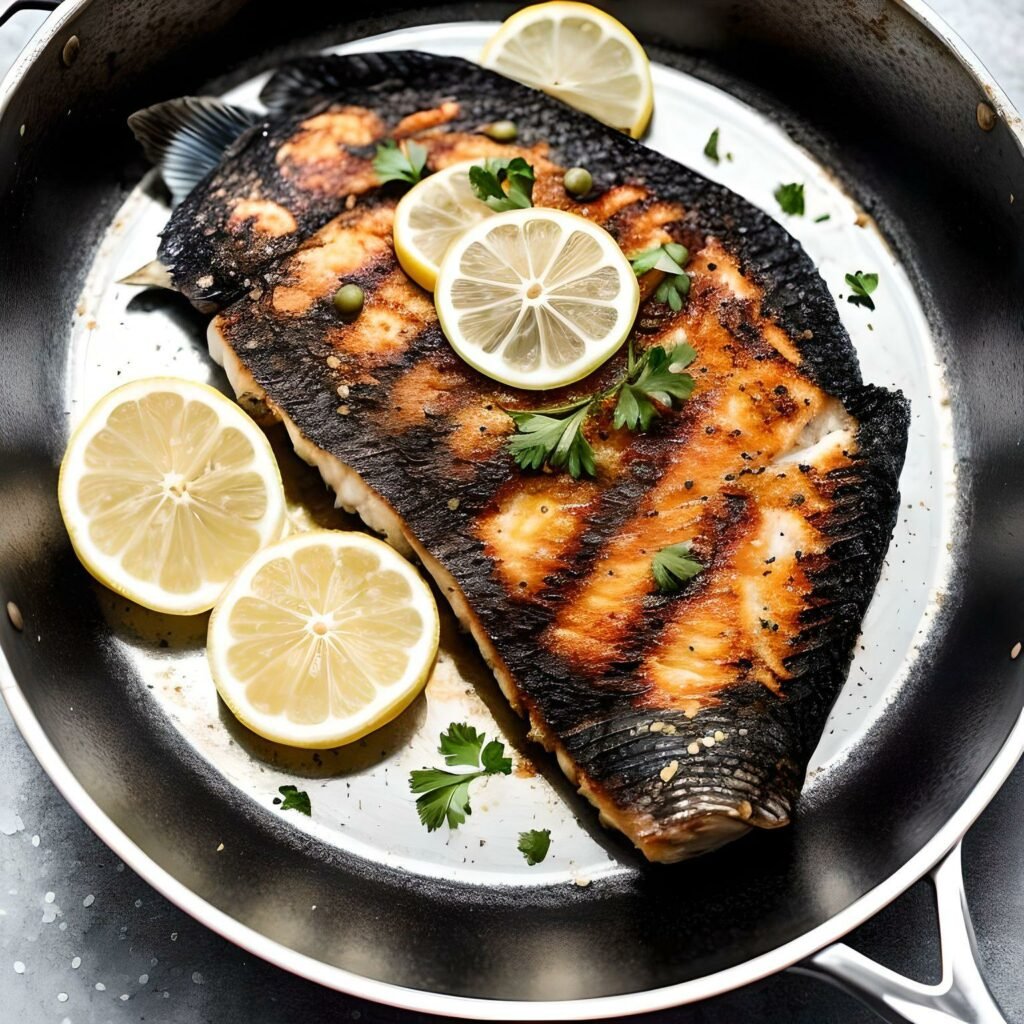
Step 1: First Clean up
The fish’s tough skin might make cleaning it challenging. But once it’s finished, everything will be simpler. Use the fillet knife at an angle to pierce the tough skin. which it may use to raise the knife up and past the skull.
Flip the fish over onto its belly side and use the same approach. By doing it this manner, you may simply penetrate the skin and finish the job.
Step 2: Consuming Raw
Consuming raw triggerfish is regarded as delectable in Japan. Therefore, you should try triggerfish if you intend to consume sashimi or sushi. Additionally, you don’t need to add any additional seasoning. Or sauce, as the natural sweetness of the fish’s taste suffices.
Step 3: Roasting
Roasting fish in the oven is the greatest and simplest way. To experience the flavors of the fish. Ensure that the oven is 360 degrees warm. Then season the fish with pepper, salt, and any herbs that go well with it. Place the fillings on top of the butter-coated laying plate and bake them in the oven.
To see if the fish is firm or not, tap it with your finger. You may add some roasted veggies after you’re certain that their firmness makes it more delectable. For an exquisite touch to this great supper. Don’t forget to serve your favorite wine with it.
Because the triggerfish fillet is so thin, you may also bake, fry, or grill it. In addition to roasting. But watch out for overcooking. Since it will damage the sweet flavor in addition to giving fillets a rubbery feel.
Related Article: Can You Eat Raw Trout? Risks, Benefits, and Safety Precautions Explained
FAQs
What is a triggerfish look like?
The body of a triggerfish is oval-shaped and tightly compressed. The enormous head ends in a short, powerful jaw and teeth designed for smashing shells. Small and positioned high on the skull, far from the mouth, are the eyes. Three spines make up the whole of the front dorsal fin.
Do triggerfish have scales?
They do, indeed. The gray triggerfish’s eyes have situated some distance from its mouth. Large and plate-like scales cover the front part of the body. While smooth scales cover the back. Behind the gill hole, one or larger scales can be seen. The pectoral fins are just above a little operculum.
Are all triggerfish aggressive?
Triggerfish are notorious for attacking divers pretty much year-round. Although they are most active during the mating season (April to May). They strike intruders, including divers and other hostile fish. And violate their domain, much like other animals do.
Can you eat black triggerfish?
You can eat black triggerfish, yes. As we all know, triggerfish flesh is great to eat. However, when it comes to black triggerfish, the fillets will be extremely thin and little. It might not satisfy your hunger. Therefore, it is advised to try alternative fish, particularly those with nice fillets.
Why are triggerfish called triggerfish?
The dorsal fins of triggerfish include spines. That can be utilized as anchors and as a defense against predators, thus the name. When upright, the first spine is substantial. Till the fish reflexes the smaller second spine, which “triggers” the first, it stays that way.
Conclusion
Hope you have no more confusion about whether can you eat triggerfish. We hope the query is crystal clear to you now. We have mentioned that while it includes ciguatera toxin, it is possible to ingest. But it may be avoided if the things we’ve said to stay away from are upheld.
Therefore, be careful to stay away from their giant fish and clown triggerfish. In the unlikely event that you are bitten, seek medical attention right away. To appreciate the delectable triggerfish, keep this in mind.
Till then, best of luck!
Related Posts






Subscribe for New Racipies
Get mental health tips, updates, and resources delivered to your inbox.