
Is Edamame Good for Acid Reflux? A Medical Expert’s Guide

Medically reviewed by Aneeza Pervez Updated Date: January 5, 2026
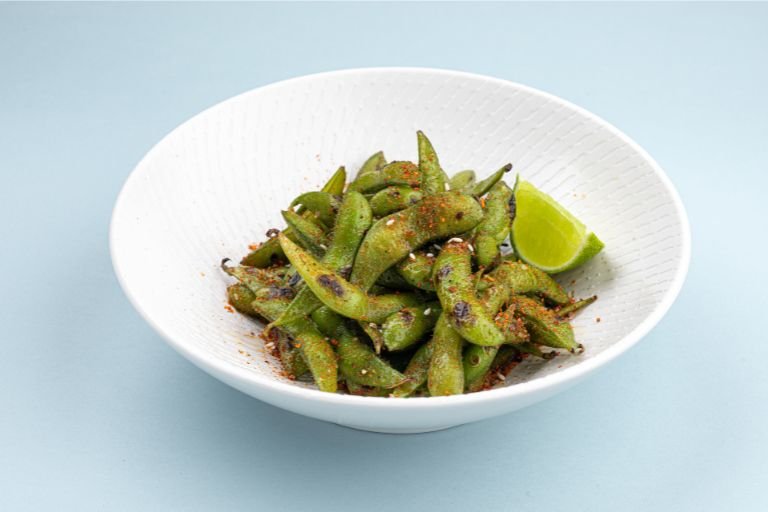
Acid reflux, a condition characterized by the backflow of stomach acid into the esophagus, can cause discomfort and disrupt daily life. Common symptoms include heartburn, regurgitation, and even a sour taste in the mouth. If you’re dealing with acid reflux, you’re likely searching for foods that soothe rather than irritate your digestive system. One such food that often comes into question is edamame. But is edamame good for acid reflux? Let’s dive into the details.
What is Edamame?
Edamame refers to young soybeans harvested before they fully mature. These beans are typically steamed or boiled and served as a snack or appetizer. Edamame is rich in nutrients, including:
- Protein: A plant-based protein source that supports muscle health.
- Fiber: Helps with digestion and promotes gut health.
- Vitamins and Minerals: Contains folate, vitamin K, iron, and magnesium.
- Antioxidants: Isoflavones, which have anti-inflammatory properties.
Understanding Acid Reflux
To understand whether edamame can help with acid reflux, it’s essential to know the condition’s basics. Acid reflux occurs when the lower esophageal sphincter (LES) fails to close properly. This allows stomach acid to escape into the esophagus, leading to irritation.
Factors contributing to acid reflux include:
- Obesity
- Smoking
- High-fat diets
- Certain foods and beverages (e.g., caffeine, alcohol, and spicy foods)
- Stress
Diet plays a crucial role in managing acid reflux. Foods that are low in fat and high in fiber are generally recommended.
Author Tip: 7-Day Meal Plan For Gastritis
Nutritional Profile of Edamame and Its Impact on Acid Reflux
Edamame’s nutritional content makes it a unique food choice for those with acid reflux. Let’s evaluate its components:
| Portion Size | 100 g |
| Water | 72.8 g |
| Protein | 11.9 g |
| Total lipid (fat) | 5.2 g |
| Carbohydrate | 8.91 g |
| Fiber, total dietary | 5.2 g |
| Total Sugars | 2.18 g |
Source: USDA
1. Low Fat Content
High-fat foods can relax the LES, worsening acid reflux. Edamame is low in fat, making it less likely to trigger symptoms.
2. Rich in Fiber
Fiber promotes healthy digestion and may help reduce acid reflux symptoms by preventing constipation, which can increase abdominal pressure and exacerbate the condition.
3. Plant-Based Protein
Protein is an essential nutrient for tissue repair and overall health. Unlike fatty animal proteins, edamame provides a lean source of protein that’s gentle on the digestive system.
4. Alkaline Properties
While edamame isn’t strictly alkaline, it’s less acidic compared to other high-protein foods. This makes it a safer choice for people with acid reflux.
5. Anti-Inflammatory Benefits
Edamame contains isoflavones, which have anti-inflammatory properties. Chronic inflammation can worsen acid reflux, so incorporating anti-inflammatory foods like edamame may provide relief over time.
Can Edamame Trigger Acid Reflux?
While edamame is generally considered safe for acid reflux sufferers, individual responses can vary. Here are some considerations:
- Portion Size Matters: Eating large portions of any food can put pressure on the stomach, potentially worsening acid reflux.
- Preparation Methods: Avoid adding acidic or spicy seasonings, such as chili powder or lemon juice, as these can trigger symptoms.
- Soy Sensitivity: Some individuals are sensitive to soy, which may cause bloating or discomfort. If you suspect soy sensitivity, consult a healthcare provider.
How to Incorporate Edamame into an Acid Reflux-Friendly Diet?
Here are some practical tips for adding edamame to your diet while minimizing the risk of acid reflux:
- Steamed Edamame: Enjoy plain, steamed edamame without added spices or sauces.
- Edamame Hummus: Blend steamed edamame with olive oil, a pinch of salt, and garlic for a reflux-friendly dip.
- Salad Topper: Sprinkle edamame over a mixed greens salad with a light dressing.
- Soups and Stir-Fries: Add edamame to soups or stir-fries for a nutrient boost. Opt for non-spicy recipes.
Author Tip: Are Salads Healthy?
Other Acid Reflux-Friendly Foods to Pair with Edamame
Pairing edamame with other reflux-friendly foods can enhance your overall diet. Some great options include:
- Oatmeal: A high-fiber, low-acid breakfast option.
- Bananas: Naturally low in acid and gentle on the stomach.
- Ginger: Known for its anti-inflammatory and digestive benefits.
- Leafy Greens: Spinach, kale, and lettuce are low in acid and nutrient-dense.
Foods to Avoid with Acid Reflux
To effectively manage acid reflux, steer clear of trigger foods such as:
- Spicy dishes
- Citrus fruits
- Chocolate
- High-fat meals
- Carbonated beverages
Expert Tips for Managing Acid Reflux
In addition to making dietary adjustments, consider these lifestyle changes:
- Eat Smaller Meals: Large meals can increase abdominal pressure.
- Avoid Lying Down After Eating: Wait at least 2–3 hours before reclining.
- Elevate Your Head While Sleeping: Use a wedge pillow to prevent acid from rising.
- Maintain a Healthy Weight: Excess weight can put pressure on the LES.
- Stay Hydrated: Drink water throughout the day, but avoid large amounts during meals.
Frequently Asked Questions
1. Can edamame cure acid reflux?
Edamame won’t cure acid reflux, but it can be part of a balanced diet that helps manage symptoms.
2. Is soy bad for acid reflux?
Soy products, like edamame, are generally low in fat and less likely to trigger acid reflux compared to high-fat or highly acidic foods. However, individual tolerance varies.
3. How much edamame can I eat with acid reflux?
Stick to a moderate serving size, such as ½ to 1 cup, to avoid overeating and potentially triggering symptoms.
Conclusion: Is Edamame Good for Acid Reflux?
Yes, edamame can be a beneficial addition to an acid reflux-friendly diet. Its low-fat, high-fiber, and nutrient-dense profile make it a safe choice for most individuals. However, it’s essential to listen to your body and monitor how it responds to edamame. If you’re unsure or have persistent symptoms, consult a healthcare professional for personalized advice.
By incorporating edamame and other reflux-friendly foods into your meals, you can enjoy a balanced diet while keeping acid reflux symptoms at bay. Always remember, moderation and preparation methods are key to reaping the benefits of this nutritious food without triggering discomfort.
Related Posts



Subscribe for New Racipies
Get mental health tips, updates, and resources delivered to your inbox.
Maple Apple Muffins



My 6 year old daughter had been begging all last week to bake something. She wanted to make some apple cupcakes. She took out a page of her recipe book and wrote down all the ingredients and handed it to me. When I asked her how much of each ingredient, she didn’t have an answer. So I had to explain to her that recipes are not just about ingredients, they are all about measurements. So she started pulling out her measuring spoons and put one next to each ingredient. It was really cute, but then I had to explain to her that when you don’t know what you are doing, it is best to start with a base recipe and adapt it from there.
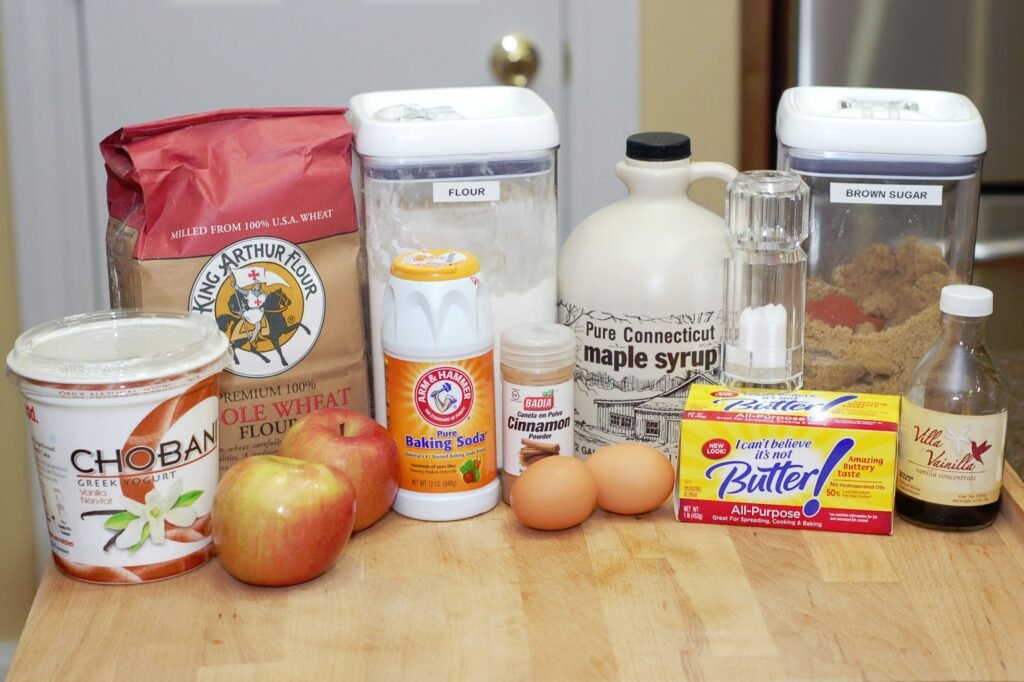
I found a recipe on the Food Network website for Apple Coffee Cake with Crumble Topping that sounded good. It was by Emeril Lagasse, you can’t go wrong with any of his recipes. I didn’t want a heavy cupcake and I wasn’t in the mood for frosting. So I convinced my daughter we should try to make this recipe as muffins in cute cupcake liners. She was happy. I had most of the ingredients except for sour cream, but I had some Vanilla Chobani yogurt on hand. I also wanted to add a touch of maple, so I replaced some of the sugar for maple syrup.

Just look at those chunks of apples sitting in that fluffy maple cloud. Don’t you just want to dive right in?

Here my assistant in sprinkling the crumble on top of the muffins before putting then in the oven.

We did not go overboard on the crumble, just a little to give the muffins a little crunch. I used some maple butter that I had made before to make the crumble and keep with the maple flavor.

The end result was a light, airy muffin. Not to sweet, but full of maple and apple flavor with a slightly crunchy topping. Perfect to go with coffee, tea, or a glass of milk. I’d share, but sadly they are all gone.
Maple Apple Muffins
by The Sweet Chick
Prep Time: 15 minutes
Cook Time: 12-20 minutes
Keywords: bake dessert snack breakfast apple maple syrup muffin
Ingredients (24 muffins)
For the muffins
- 8 tablespoons(1 stick) butter
- 1 cup light brown sugar
- 2 large eggs
- 1 cup all purpose flour
- 1 cup whole wheat flour
- 1 teaspoon baking soda
- 1 teaspoon cinnamon
- 1/2 teaspoon salt
- 1/2 cup Greek yogurt (vanilla or plain)
- 1 teaspoon vanilla extract
- 1/2 cup pure maple syrup
- 2 cups chopped apples
For the topping
- 1/2 cup light brown sugar
- 1/4 cup flour
- 1/4 cup quick oats
- 1/2 teaspoon cinnamon
- 4 tablespoons butter (or maple butter)
Instructions
For the muffins
Preheat oven to 350º F. Fill muffin tins with liners.
In a stand mixer, cream together the brown sugar and the butter. Then add the eggs and mix on low until well blended.
In a large bowl sift together flours, baking soda, cinnamon and salt. Then slowly add the dry ingredients to the butter mixture while mixing on low.
Add yogurt and vanilla extract. Then add maple syrup and continue to mix on low until all ingredients are well incorporated.
Lastly, add the chopped apples and mix until apple pieces are well distributed.
Evenly distribute the batter into the muffin liners. Then make the topping.
For the topping
In a small bowl mix together the sugar, flour, oatmeal, and cinnamon. Blend with a fork, making sure there are no lumps.
Melt the butter in a glass container in the microwave for about 20 seconds. Then pour over the dry mixture. Blend with a fork until mixture becomes crumbly.
Evenly distribute the crumble mixture over muffin batter.
Then place muffin tins in the oven and bake at 350º for 15-20 minutes, or until toothpick inserted in center comes out dry.
Related Posts






Subscribe for New Racipies
Get mental health tips, updates, and resources delivered to your inbox.