
Black Tea Caffeine: How Much Caffeine Is in Black Tea vs Coffee, Green Tea & More
In my primary care clinic, patients constantly ask me about their morning beverage habits and how those choices impact their overall energy levels, especially when paired with hearty breakfasts like buckwheat crepes. Many people simply do not understand how much black tea caffeine they are actually consuming on a daily basis. They often assume that switching away from coffee automatically eliminates all heavy stimulants from their diet.
Just last week, I sat down with a patient struggling with severe afternoon fatigue and terrible sleep quality. She had recently switched from strong espresso to heavily steeped teas to calm her nerves. Consequently, she was drinking five large mugs a day and wondering why her heart was still racing at bedtime.
This scenario represents a remarkably common misconception in public health and general nutritional counseling. Therefore, we need to completely break down the exact stimulant profile of this globally beloved beverage. By understanding the science, you can easily make informed, healthy choices for your daily routine.
TL;DR: Quick Overview
- Moderate Energy: A standard cup contains roughly 40 to 70 milligrams of active stimulants, making it a moderate energy booster.
- Coffee Comparison: It generally holds about half the stimulant power of a standard cup of home-brewed drip coffee.
- Oxidation Matters: Due to prolonged leaf oxidation, it naturally contains higher stimulant levels than delicate green or white varieties.
- Brewing Variables: Your specific brewing method, water temperature, and steep time drastically alter the final chemical concentration in your mug.
- The L-theanine Advantage: Combining tea stimulants with L-theanine creates a smoother, more sustained mental focus without severe jittery crashes.
The Baseline Stimulant Profile Per Cup
When evaluating dietary habits, precise measurements are absolutely essential for cardiovascular safety. If you simply ask for a cup of black tea caffeine data, the exact answer highly depends on your serving size.
Generally speaking, a standard eight-ounce serving yields anywhere between 40 and 70 milligrams of central nervous system stimulants. This represents a highly moderate dose that most healthy adults tolerate exceptionally well.
However, many consumers drink from massive travel mugs that hold sixteen or twenty ounces of liquid. Therefore, you must double or even triple that baseline number to understand your true daily intake.
Comparing Black Tea and Coffee Stimulants

Many of my patients actively try to transition away from heavy coffee consumption to reduce their daily anxiety levels, whether they are drinking it black or indulging in a rich slice of chocolate coffee bundt cake. They frequently ask me to evaluate the specific black tea caffeine vs. coffee ratio to ensure they are making a healthier choice.
First of all, roasted coffee beans naturally yield a significantly denser chemical extraction than steeped botanical leaves. A standard eight-ounce cup of drip coffee typically delivers a massive 80 to 100 milligrams of stimulating compounds.
In contrast, an identically sized serving of oxidized tea leaves provides roughly half that amount. Therefore, making the switch is an excellent, evidence-based strategy for gently lowering your overall daily intake without suffering severe withdrawal headaches.
Green Tea vs. Black Tea Yields
Understanding the manufacturing process of these beverages helps clarify their differing physiological effects. Both beverages originate from the exact same botanical plant, known scientifically as Camellia sinensis.
However, the dark leaves undergo a prolonged, heavy oxidation process that alters their cellular structure and chemical release rates. Consequently, when we look at green tea vs. black tea caffeine levels, the darker variety almost always wins.
A standard mug of the green variety typically only provides 20 to 45 milligrams of stimulation. If you need a more robust morning wake-up call, the darker, fully oxidized leaves are certainly the superior choice.
Matcha Profile Comparisons
The wellness industry heavily promotes powdered green tea as a massive superfood, but it carries a surprisingly potent physiological punch. Unlike traditionally steeped beverages where you discard the physical leaves, you actually consume the entire ground leaf when drinking matcha.
Because you ingest the actual plant matter, matcha vs. black tea caffeine comparisons reveal a very different hierarchy. A standard prepared bowl of ceremonial matcha can easily deliver 60 to 80 milligrams of active stimulants.
This places powdered green tea firmly above traditional steeped dark teas, and nearly on par with mild coffee. Therefore, you must be incredibly cautious with powdered varieties if you are sensitive to sudden heart rate elevations.
Detailed Breakdown by Tea Type and Blend
The botanical world is incredibly diverse, and not all commercial blends are created equally. When we analyze different types of black tea, we see massive variations in their chemical output based on their geographical origin, harvesting season, and specific blending techniques.
Assam Varieties
Grown near sea level in northeastern India, Assam is famous for its incredibly bold, malty, and robust flavor profile. Because of the specific regional terroir and the typical crushed-tear-curl manufacturing method, it extracts incredibly fast in hot water.
Consequently, Assam black tea caffeine levels are among the absolute highest in the world, routinely pushing 60 to 90 milligrams per cup. It is the primary driving force behind strong morning breakfast blends.
Ceylon Selections
Originating from the high-altitude mountains of Sri Lanka, Ceylon leaves are celebrated for their crisp, citrusy, and slightly lighter flavor notes. The high-elevation growing conditions slightly stunt the aggressive chemical development found in lower-altitude plants.
Therefore, a standard serving of Ceylon typically offers a more moderate 40 to 60 milligrams of active stimulation. It provides a highly smooth, sustained focus rather than an aggressive morning jolt.
Earl Grey Blends
This globally recognized classic is not actually a distinct botanical leaf, but rather a flavored blend. Manufacturers take a sturdy base of dark leaves and heavily infuse them with the aromatic oil of the bergamot orange.
Because the base leaves vary by manufacturer, Earl Grey black tea caffeine content generally falls squarely in the middle range of 40 to 70 milligrams. The citrus oil provides wonderful aromatic benefits that pair exquisitely with lemon thyme scones with a lemon cream cheese glaze, but it does nothing to alter the underlying stimulant load.
English Breakfast Mixtures
When you need a heavy, robust morning beverage designed to cut through thick milk and sugar, you reach for an English Breakfast blend. Manufacturers specifically construct these mixtures using heavy, high-stimulant leaves from Assam, Kenya, and sometimes Ceylon.
Because the primary goal is raw strength, an English Breakfast tea caffeine profile is intentionally high, hovering between 50 and 80 milligrams. It is specifically engineered to mimic the heavy punch of a morning coffee and stands up perfectly against rich, sweet baked goods like monkey bread.
Traditional Spiced Chai
Authentic Indian chai involves aggressively boiling dark, robust leaves alongside a heavy mixture of cardamom, cinnamon, ginger, and cloves—a flavor profile so beloved it even inspires desserts like melty chai ice cream.
The intense boiling process extracts maximum botanical compounds from the plant matter. However, the final beverage is traditionally diluted heavily with whole milk and liquid sugar. Thus, while the base extract is incredibly strong, your final cup of chai tea caffeine typically normalizes around 40 to 70 milligrams depending on the milk ratio.
Commercial Lipton Bags
As one of the most recognizable commercial brands on the planet, this company utilizes highly standardized blending practices to ensure flavor consistency. They source crushed leaves from multiple global estates to create a uniform, highly predictable product.
Fortunately, they openly publish their nutritional data for clinical review. The standard Lipton black tea caffeine content is heavily regulated to sit at exactly 55 milligrams per standard serving, making it incredibly easy to track your daily dietary intake.
The Truth About Decaffeinated Options
Many patients suffering from chronic insomnia ask me if they can safely drink late-night herbal alternatives, perhaps alongside a soothing evening treat like lavender macarons with honey buttercream. They often wonder, is black tea caffeine-free if the box explicitly says “decaffeinated”?
The clinical reality is that the commercial decaffeination process is incredibly efficient, but it is never absolutely perfect. The chemical washing process removes roughly ninety-eight percent of the active stimulating compounds from the raw botanical material.
However, a trace amount, usually between 2 and 5 milligrams, will always remain trapped within the cellular walls of the leaf. While this microscopic dose will not affect most people, highly sensitive individuals might still experience slight sleep delays.
Physiological Mechanism of Action
To truly optimize your daily habits, you must understand exactly how these botanical compounds interact with your delicate neurology. When you consume these beverages, the primary active molecules rapidly cross your highly protective blood-brain barrier.
Once inside your brain, these molecules aggressively bind to your cellular adenosine receptors, which are responsible for signaling biological fatigue. By blocking these specific receptors, the chemical physically prevents your brain from realizing that it is tired.
Furthermore, tea uniquely contains a powerful, naturally occurring amino acid called L-theanine. This specific amino acid acts as a neurological buffer, slowing the absorption of the primary stimulants and preventing the harsh, jittery spikes commonly associated with espresso.
Factors Influencing Chemical Extraction
You possess massive control over the final potency of your morning beverage simply by altering your kitchen habits. The water temperature you utilize is arguably the most critical variable in the extraction process.
Using fiercely boiling water at 212°F rapidly and aggressively breaks down the leaf structure, releasing maximum chemical compounds. Conversely, using slightly cooler water will yield a significantly milder, less stimulating beverage.
Additionally, your specific steep time dramatically alters the final clinical profile of the liquid. Leaving the bag submerged for five minutes instead of two minutes will nearly double the final stimulant concentration in your mug.
Clinical Effects and Safety Thresholds
When consumed responsibly, these botanical beverages provide highly predictable and manageable physiological effects. The primary clinical benefits include moderately increased cognitive alertness, elevated reaction times, and vastly improved short-term occupational focus.
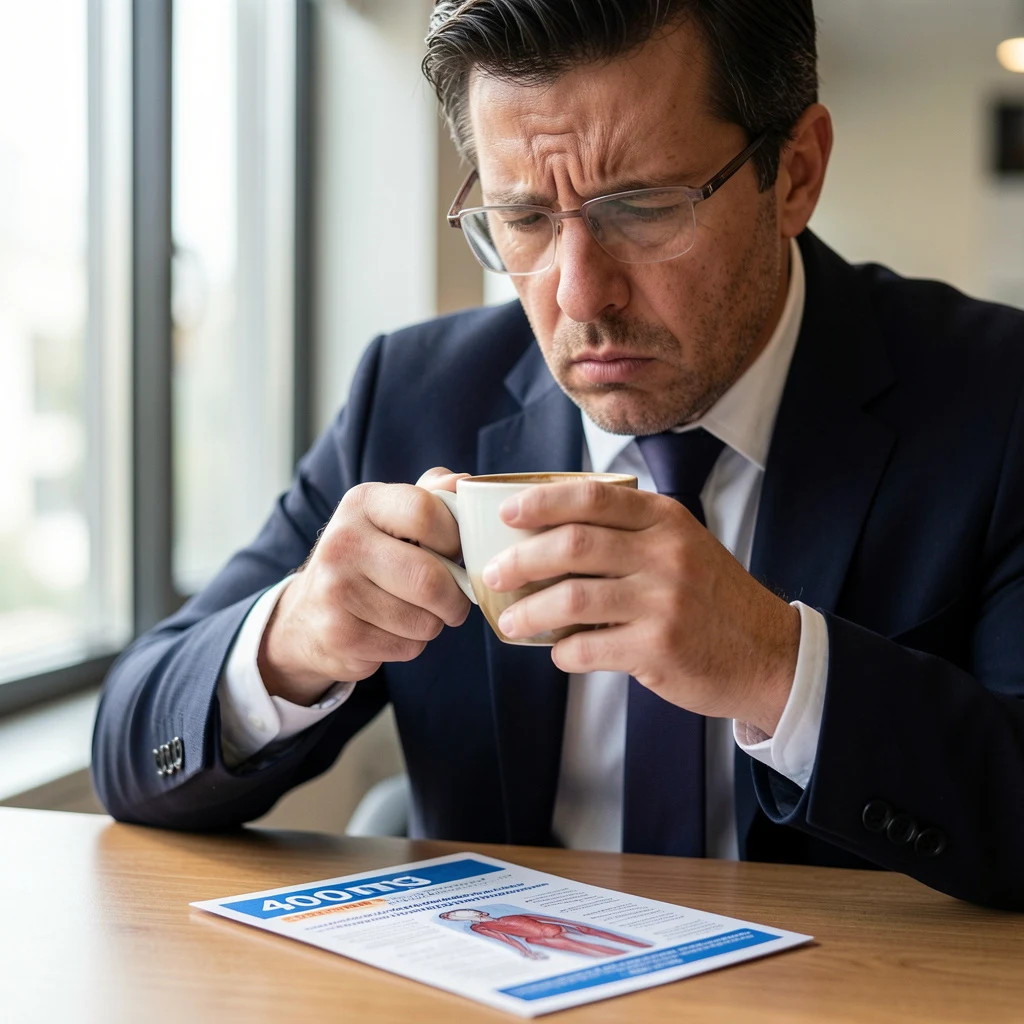
However, as a physician, I strictly monitor the maximum daily intake of my patients. The central health authorities explicitly state that most healthy adults should not exceed 400 milligrams of total daily stimulants.
If you aggressively push past this safety threshold, you will likely trigger severe adverse reactions. Common side effects of gross overconsumption include clinical insomnia, generalized anxiety, rapid heart palpitations, and severe gastrointestinal distress.
Health Benefits
Beyond simple morning energy, these dark, oxidized leaves offer a massive array of verifiable, clinical health advantages. They are incredibly rich in specific botanical antioxidants known scientifically as polyphenols and theaflavins.
These microscopic compounds actively patrol your cardiovascular system, neutralizing dangerous free radicals that cause cellular inflammation and arterial damage. Furthermore, regular, moderate consumption is strongly correlated with improved overall heart health and optimized blood pressure metrics.
Additionally, the unique synergy of L-theanine and moderate stimulants actively protects your long-term cognitive function. It is a brilliant, highly functional beverage when utilized correctly within a balanced nutritional framework, alongside wholesome meals and the occasional treat like pumpkin biscotti with cranberries and almonds.
Frequently Asked Questions
Amount of Stimulants in a Standard Cup
A typical eight-ounce serving yields approximately 40 to 70 milligrams of active central nervous system stimulants. This exact number fluctuates based on the specific brand you purchase and how aggressively you steep the bag.
Strength Compared to Regular Coffee
No, the steeped botanical leaves are significantly milder than roasted coffee beans. A standard cup of drip coffee typically delivers roughly double the amount of chemical stimulation compared to an identical serving of dark tea.
Comparison to Green Tea Levels
Yes, the fully oxidized dark leaves generally hold a higher chemical concentration than their unoxidized green counterparts. The heavy, prolonged manufacturing process alters the plant structure, allowing for a much faster, heavier extraction in hot water.
Daily Safety Limits for Consumption
Yes, this beverage is perfectly safe for daily consumption within established medical moderation parameters. Healthy adults should strictly ensure their total dietary intake from all sources remains below 400 milligrams per day to protect cardiovascular function.
Varieties with the Highest Stimulant Load
Due to specific regional growing conditions and robust manufacturing techniques, Assam varieties consistently rank the highest. Blends that utilize a heavy Assam base, such as traditional English Breakfast mixtures, will provide the strongest physiological morning boost.
Conclusion
Understanding the precise nutritional metrics of your daily beverages is an absolute necessity for maintaining peak metabolic and cardiovascular health. Throughout this comprehensive clinical guide, we have thoroughly analyzed the exact chemical profile of your favorite morning rituals.
By breaking down the data, we clearly see that these steeped beverages sit perfectly in the middle of the dietary spectrum—offering more sustained energy than delicate green leaves, but avoiding the aggressive, anxiety-inducing spikes of heavy espresso shots.
As a medical professional, I highly encourage my patients to view their dietary habits through the lens of long-term sustainability. If you are currently struggling with afternoon crashes, sleep disruption, or persistent anxiety, transitioning to this specific botanical beverage is an excellent, evidence-based intervention.
It provides the perfect blend of L-theanine for mental clarity and just enough stimulation to power you through your occupational tasks. Always remember to monitor your steep times, manage your daily serving sizes, and respect your unique biological tolerance to ensure you are maximizing the incredible benefits of black tea caffeine.
Evidence-Based References:
- National Institutes of Health (NIH) PubMed Central—Caffeine and the Central Nervous System: Mechanisms of Action, Biochemical, Metabolic and Psychostimulant Effects
- Food and Drug Administration (FDA)—Spilling the Beans: How Much Caffeine is Too Much?
- National Institutes of Health (NIH) PubMed Central—Black tea and health
- American Heart Association (AHA)—Caffeine and Heart Disease
- National Institutes of Health (NIH) PubMed Central—Antioxidant Properties of Black Tea
- MedlinePlus — Caffeine
- European Food Safety Authority — Scientific Opinion on the safety of caffeine
- Nutrients — Caffeine as a Factor Influencing the Functioning of the Human Body—Friend or Foe?
- The American College of Obstetricians and Gynecologists — Moderate Caffeine Consumption During Pregnancy
- Frontiers in Psychiatry — The Safety of Ingested Caffeine: A Comprehensive Review
Subscribe for New Racipies
Get mental health tips, updates, and resources delivered to your inbox.
Are Pretzels Healthy? – Pros, Cons and Healthy Alternative

Is pretzel with cream cheese your favorite breakfast item? Or, are those crunchy, sweet-salty pretzels your go-to snack? Pretzels are everyone’s guilty pleasure, mine too! But are pretzels healthy?
Pretzels are one of the most delicious snacks, but let me be clear- they are not completely healthy. They have way more salt than you’d expect. They are high in refined carbohydrates as well. However, pretzels have ‘zero’ cholesterol and are lower in calories and saturated fats than other snacks!
Read out below to know why exactly I gave pretzels the tag of a ‘balanced snack’ and suggested some healthy ways to add pretzels to your diet.
Are Pretzels Healthy?
Pretzels are popular snack food items in the US and have been enjoyed since around the 19th century when they were first introduced into German bakeries.
Despite their popularity, you might be surprised to find out that pretzels are not actually all that healthy in themselves.
Here are some reasons why pretzels may or may not stead their place in your grocery basket.
Reasons to Avoid Pretzels
1. They Provide Empty Calories To Your Diet.
A lot of the calories in pretzels come from refined flour and sugar. These are empty calories; they provide your body with very little to no nutrition.
When you consume pretzels, you’re not getting any nutritional value for your body. All you’re getting is a lot of empty calories that can quickly add up and lead to weight gain.
Because the empty calories with lack of fiber (less than 1 gram/ ounce) do not keep you full for a long time; hence, you keep binge eating these salty and sugary snacks repeatedly.
2. They Are High In Sodium
Pretzels also contain a lot of sodium, and too much consumption can lead to high blood pressure, bloating, and a risk factor for heart disease. An average one ounce of hard pretzel contains around 359 mg and a small soft pretzel 340 mg of salt.
Therefore, consuming this much pretzel or even less can contribute to a fair amount of sodium intake of an average adult’s daily nutritional value.
3. Carries Less Nutritional Value.
A pretzel is made up of white flour, water, salt, and yeast. That’s it! There are little to no vitamins, minerals, and just a mere amount of fiber in a pretzel. In fact, a large part of a pretzel’s carbohydrate comes from sugar.
Per ounce of hard pretzels contain 5% protein, 2% magnesium, and 7% iron of your daily value. This amount does not justify its healthiness.
4. Made From Refined Carbs.
Pretzels are also made with refined flour, the main source of refined carbs here. Consuming too much of it can cause a spike in blood sugar levels due to the higher glycemic index. As a result, it can cause cravings and energy crashes.
Refined carbs have been linked to weight gain and an increased risk of obesity. Also, eating too many refined carbs (like pretzels) can increase your risk for heart disease because they’re made with white flour high in simple sugars, damaging the heart muscle.
Reasons to Love Pretzels
While there are many valid reasons to avoid or lower consumption of pretzels, there are a few reasons that make pretzels a better choice than other similar snacks.
1. Low In Saturated Fats.
Saturated fats are the most unhealthy fat type, which increase bad cholesterol and decrease good cholesterol resulting in an increased risk for heart disease. With a saturated fat of only 0.1 – 0.7 gram per ounce serving (for hard pretzels) or pieces (for soft pretzels), pretzels are healthier snacks compared to a bag full of potato chips containing almost 3.1 grams of saturated fat per ounce.
But does this make pretzels any healthier? Not really, because pretzels do not contain any good fats either.
2. No Cholesterol
Both soft and hard pretzels hardly have any cholesterol. While a large size soft (bread) pretzel has 4.3 mg cholesterol at most, hard pretzels have no cholesterol at all. It may sound like a ‘healthy’ sign to eat pretzels limitlessly. However, their high carb and sodium content outweigh this healthy factor.
3. Low Calories
If you compare the calorie of pretzels with other irresistible snacks like potato chips, these knotted German snacks are lower in calories. Although the difference is not significant, it is still acceptable. It can be beneficial for those who follow a strict diet but want too much on some low-calorie snacks in the evening.

Soft Pretzels vs Hard Pretzels: Which One is Healthier?
Let’s look at the nutritional comparison between soft vs hard pretzels of equal quantity.
| Nutritional Factors | Soft Pretzel 1 small (62 gram) | Hard Pretzel- 10 twists (60 gram) |
| Calories | 210 | 228 |
| Total fat | 1.9 gram | 1.6 gram |
| Saturated fat | 0.4 gram | 0.3 gram |
| Cholesterol | 1.9 mg | 0 mg |
| Sodium | 499.1 mg | 759.6 mg |
| Dietary fiber | 1.1 gram | 1.8 gram |
| Total carbs | 43 gram | 48 gram |
| Sugar | 0.2 gram | 1.7 gram |
| Protein | 5 gram | 6 gram |
| Iron. | 2.4 mg. | 3.1 mg. |
When it comes to pretzels, most people think that the harder, the better. However, this is not always the case when it comes to health.
As we can see from the chart above, while hard pretzels may be low in fat and calories, they are also extremely high in sodium and a tad bit high in total carbs. Soft pretzels, on the other hand, while still being high in salt, are much lower in dietary fiber than their hard counterparts.
And while both types of pretzels are packed with carbohydrates, soft pretzels contain less sugar which means that they do not spike blood sugar levels as quickly as hard ones.
Therefore, which one is healthier? With all these factors considered, soft pretzels seem to be the healthier choice over hard pretzels.
Healthier Alternatives of Pretzels
If you are wondering what to substitute pretzels with, you have several options. Well, I have quite a few healthy alternatives to these salty and glutinous snacks that will not add up extra calories, sodium, or carbs and are rich in fiber and wholesome nutrients (and scrumptious too).
- Air-popped popcorn.
- Baked whole wheat pita chips.
- Oven roasted kale chips.
- Baked tortilla chips and black beans
- Brown rice crackers
- Raw veggies and hummus
- Whole grain crackers
- Homemade vegetable sticks
- Chickpea salad
- Roasted chickpeas
- Canned beans
- Coconut flakes
- Roasted nuts and seeds
- Dry cereal Fruits
- Whole grain Nuts
If you aren’t still convinced to get over pretzels, you can try the better versions of pretzels, which are:
- Unsalted or low-sodium pretzels
- Whole wheat pretzels
Who Should Avoid Pretzels
Although pretzels are not harmful to your health if consumed in moderation, a group of people should switch to the healthy alternatives mentioned above. Because pretzels might not support their system.
- Those with gluten sensitivities or celiac disease should avoid pretzels, as they are made with wheat flour.
- People with high blood pressure may want to limit their intake of pretzels, as they are high in sodium.
- People who are obese can easily fall into the trap of the empty calories of pretzels and overeat them. Because obese people cannot easily satiate their craving for unhealthy carbs, which are in pretzels.
Nonetheless, it is essential to note that the amount and shape of a pretzel can make it more or less unhealthy depending on how much fat and salt is added during the baking process. Smaller-shaped pretzels often contain fewer calories than larger-shaped ones.
FAQs
Are pretzels healthier than chips?
Compared to your traditional potato chips and other packaged chips, pretzels are healthier because they have minimal cholesterol and saturated fat. However, they’re pretty much the same when it comes to nutrition. Both pretzels and chips are high in carbs and low in fiber and protein.
So, what makes pretzels unhealthy? The most obvious reason is that they have a lot of salt – close to half of your daily allowance is found in one small serving of hard pretzels.
Are pretzels healthy for diabetics?
The classic pretzel recipe requires refined carbohydrates in the form of white flour to make the dough. It results in pretzels being high in the glycemic index, which raises blood sugar levels if consumed in uncontrolled proportion. Therefore, these don’t help people with diabetes.
Are pretzels bad for your heart?
Although Pretzels are low in saturated fats, they are high in sodium, which can contribute to heart disease. Additionally, studies have shown that eating too many salty foods can increase your blood pressure, which is a risk factor for heart disease.
Final Thought
So, are pretzels healthy?
Well, pretzels aren’t healthy but won’t harm your health if you control your proportions. However, in most cases should be avoided by extremely health-conscious individuals because they are high in carbs and sodium. Plus, they offer little in the way of nutritional value.
Now whether and how many pretzels you should consume depends on your choice. I recommend that you avoid eating too many pretzels or any other type of salty snack to maintain your health in the long run.
Related Posts



Subscribe for New Racipies
Get mental health tips, updates, and resources delivered to your inbox.