
Are Apples Good for Diabetics? The Definitive Nutrition Guide
For the millions of people living with diabetes or prediabetes, the produce aisle can be a confusing place. We are told to eat fresh foods, but we are also told to watch our sugar intake. This creates a natural paradox when it comes to fruit.
Fruits are healthy, but they are also sweet. This leads to one of the most common questions in the world of blood sugar management: Are apples good for diabetics?
The short answer is a resounding yes.
However, the long answer involves nuance. It depends on the type of apple, the portion size, what you eat with it, and your specific type of diabetes. While apples contain natural sugar (fructose), they are also packed with fiber, antioxidants, and essential nutrients that can actually help improve insulin sensitivity rather than harm it.
In this deep-dive guide, we will peel back the layers on the relationship between apples and blood sugar. We will analyze specific varieties (from Granny Smith to Honeycrisp), look at the difference between Type 1 and Type 2 diabetes management, and bust the myths surrounding fruit consumption.
Nutritional Profile of Apples (Why They Matter for Diabetics)
To understand why are apples good for diabetics, we must look beyond just the sugar content and analyze the fruit as a whole package. A medium-sized apple (about 180 grams) is a nutritional powerhouse disguised as a simple snack.
The Magic of Pectin (Fiber)
The most critical component of an apple for a diabetic is fiber. A medium apple provides about 4 to 5 grams of fiber, a significant portion of which is pectin.
Pectin is a soluble fiber found in the skin and flesh of the apple. When you eat it, pectin dissolves in water to form a gel-like substance in your digestive tract. This “gel” slows down the digestion of food and the absorption of sugar into the bloodstream.
This means that while are apples a good snack for diabetics? Yes, because the fiber acts as a natural brake system, preventing the rapid blood sugar spikes associated with candy or juice.
Glycemic Index (GI) and Glycemic Load (GL)
When managing diabetes, the Glycemic Index (GI) is a vital tool. It measures how quickly a food raises blood sugar levels.
- Low GI: 55 or less
- Medium GI: 56–69
- High GI: 70+
Apples typically have a Glycemic Index ranging from 36 to 40. This is considered low. Compared to watermelon (GI of ~72) or a banana (GI of ~51), an apple causes a much slower, more manageable rise in glucose.
Antioxidants and Insulin Sensitivity
Apples are rich in polyphenols, specifically flavonoids like quercetin. Research suggests that quercetin may help protect pancreatic beta cells (which produce insulin) from damage and improve insulin sensitivity. This means eating apples might help your body use the insulin it produces more effectively.
Are Apples Good for Type 2 Diabetics?
Type 2 diabetes is characterized by insulin resistance—the body produces insulin but doesn’t use it well. The dietary goal for Type 2 diabetics is to maintain stable blood sugar levels and manage weight. So, are apples good for diabetics type 2?
Insulin Resistance and Fiber
Because fiber bypasses digestion, it satisfies hunger without adding a heavy caloric load or a massive glucose spike. For Type 2 diabetics, increasing soluble fiber intake is often a primary recommendation from dietitians. The slow-release energy provided by an apple helps avoid the “crash” that leads to sugar cravings later in the day.
Apple Consumption and HbA1c
Several large-scale studies have shown an inverse relationship between apple consumption and Type 2 diabetes risk. A study involving over 38,000 women found that those who ate one or more apples a day had a 28% lower risk of developing Type 2 diabetes compared to those who didn’t.
For those already diagnosed, are apples good for type 2 diabetics to maintain HbA1c? Yes. Replacing high-GI snacks (like crackers or cookies) with apples helps lower overall blood sugar averages over time.
Portion Timing
For Type 2 diabetics, when you eat the apple matters.
- As a Snack: Eating an apple between meals can prevent hypoglycemia (low blood sugar) if you are on medication, or prevent overeating at the next meal due to extreme hunger.
- With Meals: If your post-meal numbers are usually high, you might want to save the apple for a snack rather than adding it to a carb-heavy dinner.
Are Apples Good for Type 1 Diabetics?
Managing Type 1 diabetes is a different mathematical challenge, involving the precise calculation of insulin to cover carbohydrates. Are apples good for type 1 diabetics? Absolutely, but they require calculation.
Carbohydrate Counting
For a person with Type 1 diabetes, knowing the exact carb count is non-negotiable.
- Small Apple (tennis ball size): ~15 grams of carbs.
- Medium Apple: ~20–25 grams of carbs.
- Large Apple: ~30+ grams of carbs.
Because apples contain fiber, some Type 1 diabetics subtract the fiber from the total carbohydrates to get “net carbs,” though this varies by individual treatment plans.
Insulin Dosing Considerations
Is apple good for type 1 diabetes in terms of blood sugar predictability? Generally, yes. Because apples are low-GI, the glucose enters the bloodstream slowly.
- The Challenge: If you take a fast-acting insulin bolus for an apple, the insulin might peak before the sugar from the apple fully hits your system (due to the fiber slowing digestion). This can sometimes cause a temporary low followed by a high.
- The Strategy: Many Type 1 diabetics find apples easier to manage than tropical fruits (like pineapple) because the “spike” is actually a gentle curve, making it easier to match with insulin profiles.
Raw vs. Cooked
Type 1 diabetics should be aware that cooked apples (like applesauce) digest faster. If you treat low blood sugar, apple juice or applesauce is effective. If you want a stable snack, raw with skin on is superior.
Are Apples Good for Prediabetics?
Prediabetes is the warning zone—blood sugar is high, but not yet in the Type 2 range. The goal here is reversal. Are apples good for pre diabetics?
Preventing Blood Sugar Spikes
The primary goal for a prediabetic is to stop the pancreas from overworking. Every time you eat a high-carb food, the pancreas must pump out massive amounts of insulin. Because apples digest slowly, they demand less insulin from the pancreas than refined starches.
The Role of Fiber-Rich Fruits
Diets high in plant-based fiber are strongly correlated with the reversal of prediabetes. An apple provides 15–20% of the recommended daily fiber intake. By simply adding one apple a day and removing one processed snack (like chips or a granola bar), a prediabetic can significantly reduce their glycemic load.
Which Apples Are Best for Diabetics? (Major Varieties Explained)
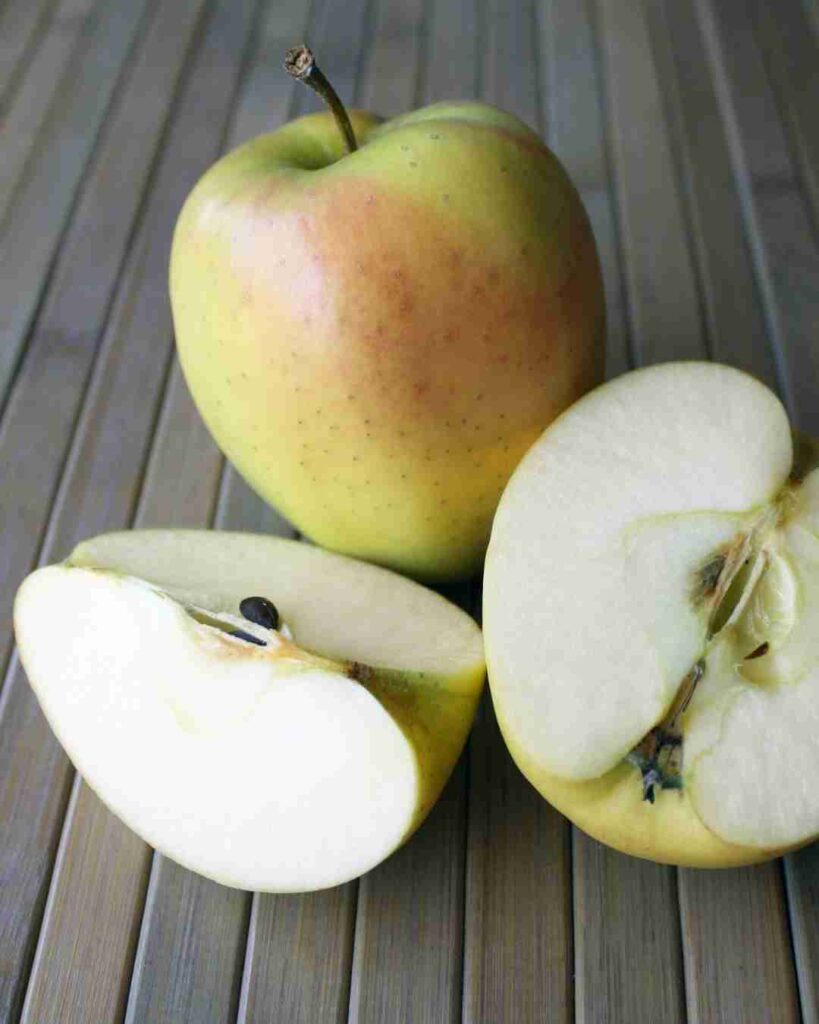
Not all apples are created equal. While they all share similar DNA, the sugar-to-fiber ratio varies between varieties. When you ask which apples are good for diabetics or what kind of apples are good for diabetics, the general rule is: The more tart the apple, the better.
Here is a breakdown of what type of apples are good for diabetics based on variety.
Granny Smith Apples
Are Granny Smith apples good for diabetics?
Yes, they are widely considered the gold standard for diabetics.
- Profile: Tart, crisp, thick skin.
- Why: They typically have lower sugar content and higher acidity than sweeter varieties. The acidity can actually further slow digestion.
- Best For: Dipping in peanut butter or slicing into salads.
Fuji Apples
Are Fuji apples good for diabetics?
Fuji apples are incredibly popular because they are sweet and crunchy, but they are higher on the sugar spectrum.
- Profile: Very sweet, firm texture.
- Why: While they have more fructose, their dense fiber structure still keeps them in the “safe” zone if portion-controlled.
- Best For: A dessert replacement.
Gala Apples
Are Gala apples good for diabetics?
Gala apples sit in the middle ground.
- Profile: Mildly sweet, thinner skin, softer flesh.
- Why: They are smaller on average than Fuji or Honeycrisp, which naturally helps with portion control.
- Best For: A quick, on-the-go snack for kids or adults.
Honeycrisp Apples
Are Honeycrisp apples good for diabetics?
These are the “candy” of the apple world. They are huge, juicy, and very sweet.
- Profile: Explosive crunch, high juice content.
- Why: Honeycrisp apples are often very large. One large Honeycrisp can contain 30g+ of carbohydrates.
- Verdict: They are fine to eat, but you must watch the size. Consider eating only half or sharing it.
Red vs. Green Summary
When asking are red apples good for diabetics versus are green apples good for diabetics, the green apple usually wins on strict sugar numbers. However, red apples (especially the skin) are often higher in anthocyanins (antioxidants). Both are acceptable, but green is the “safer” bet for tight control.
Green Apples vs Red Apples: Which Is Better for Diabetes?
The debate of are green apples good for diabetics versus red apple is good for diabetes is common. Let’s look at the science.
Sugar Content Comparison
- Green Apples (Granny Smith): A medium green apple contains roughly 17g of sugar.
- Red Apples (Fuji/Delicious): A medium red apple can contain 21g to 23g of sugar.
The difference is about one teaspoon of sugar. For a non-diabetic, this is negligible. For a diabetic, specifically one who is extremely insulin sensitive or strictly low-carb, green apples offer a slight advantage.
Acidity and Digestion
Green apples are more acidic. Acid can delay gastric emptying (the speed at which food leaves the stomach). This delay means glucose enters the bloodstream even more slowly.
However, red apples are often more palatable for people who dislike sour flavors. The best apple for a diabetic is the one they will eat instead of a candy bar. If you hate green apples, don’t force them. A red apple is still vastly superior to processed sweets.
How Many Apples Can a Diabetic Eat Per Day?
Portion control is the difference between medicine and poison. How many apples a day can a diabetic eat?
The General Guideline
For most people with well-managed diabetes, one medium apple per day is an excellent addition to the diet.
Some active diabetics or those with higher carb allowances can handle two, but they should be spaced out (e.g., one mid-morning, one mid-afternoon).
Size Matters
In modern agriculture, apples have grown in size. A “serving” of fruit is technically a small-to-medium apple (tennis ball size).
Many apples sold in supermarkets today are the size of softballs. These can contain double the carbohydrates of a standard serving.
- Tip: If you buy large apples, slice them and eat half. Save the other half for later or share it.
Daily Carb Balance
If you are on a strict Keto diet (under 20g carbs/day), an apple might take up your entire daily allowance. If you are on a standard ADA diet (45-60g carbs per meal), an apple fits easily as a snack or part of lunch.
Are Apples Good for Diabetics Trying to Lose Weight?
Weight loss is often a primary treatment goal for Type 2 diabetes. Are apples good for diabetics to lose weight?
Satiety & Calorie Density
Apples are a “high volume, low calorie” food. You can eat a large amount of food for very few calories (approx 80-95 calories per apple).
The high water and fiber content trigger satiety hormones. Eating a whole apple before a meal has been shown to reduce total calorie intake at that meal by up to 200 calories.
Apples as Low-GI Snacks
When you are trying to lose weight, insulin management is key. High insulin levels promote fat storage. Because apples are low-GI, they don’t spike insulin as sharply as processed “low-fat” snacks (which are often high sugar).
Are apples good for diabetics diet plans? Yes, they satisfy the craving for “crunch” and “sweet” simultaneously, which are the two cravings that usually derail diets.
Are Apples and Peanut Butter Good for Diabetics?
This is arguably the most famous diabetic snack hack. Are apples and peanut butter good for diabetics?
The Power of Pairing
When you eat a carbohydrate (an apple) alone, it digests at a certain speed.
When you pair that carbohydrate with healthy fat and protein (peanut butter), the digestion slows down significantly. The fat coats the stomach lining and delays gastric emptying, leading to a much flatter blood sugar curve.
Best Peanut Butter Choices
Not all peanut butters are safe.
- Avoid: “No Stir” or highly processed brands often contain added sugar and hydrogenated oils.
- Choose: Natural peanut butter (ingredients should be just peanuts and salt) or almond butter.
- Portion: Stick to 1-2 tablespoons. Nuts are high in calories, so while they help control blood sugar, overeating them can hinder weight loss.
The Verdict
Yes, pairing apples with nut butter is one of the smartest strategies for blood sugar management. It turns a simple carb snack into a balanced mini-meal.
Apples vs Other Fruits for Diabetics
If apples are good, are others better? What is the best fruit for a diabetic to eat?
While berries often get the title of what is the one fruit that lowers blood sugar (due to their incredibly low glycemic load), apples hold their own. Let’s compare.
| Fruit | Glycemic Index (GI) | Carb Count (per serving) | Verdict for Diabetics |
| Apple (with skin) | 36 (Low) | ~20g | Excellent. High fiber, portable. |
| Berries (Blueberry/Raspberry) | 25-50 (Low) | ~15g (per cup) | Superior. Highest antioxidants, lowest sugar. |
| Orange | 43 (Low) | ~15g | Good. Good fiber, but avoid juice. |
| Pear | 38 (Low) | ~20g | Excellent. Very similar profile to apples. |
| Banana (Ripe) | 51-60 (Medium) | ~27g | Caution. Can spike sugar faster. |
| Watermelon | 72 (High) | ~11g | Caution. High GI, spikes sugar quickly. |
Are apples and oranges good for diabetics? Yes, both are great citrus/pome options. Are oranges good for diabetics? Yes, but apples generally have more pectin fiber, which makes them slightly more filling.
When looking for the 5 best fruits for diabetics, the list usually includes:
- Berries (all types)
- Apples
- Pears
- Cherries (Tart)
- Grapefruit
Are Cooked Apples Good for Diabetics?

Autumn brings pies, crisps, and sauces. Are cooked apples good for diabetics?
The Chemistry of Cooking
Heat breaks down the cellular structure of the fruit. This partially “predigests” the fiber. While the fiber content remains physically there, it is less effective at slowing down sugar absorption compared to raw fiber.
Consequently, cooked apples have a slightly higher Glycemic Index than raw apples.
Applesauce vs. Baked Apples
- Applesauce: Usually digests very fast. Commercial brands are often loaded with high-fructose corn syrup. Even unsweetened applesauce can spike sugar faster than a raw apple.
- Baked Apples: If you bake a whole apple with the skin on, it retains more structural integrity than sauce.
The Verdict
Raw is best. If you eat cooked apples (like in a healthy crumble), ensure there is no added sugar and eat it alongside protein (like Greek yogurt) to buffer the spike.
Apples for Diabetics: UK & Reddit Perspectives
Dietary advice can vary by region and community.
Are Apples Good for Diabetics UK Perspective
In the UK, the NHS strongly promotes the “5 A Day” campaign. Diabetes UK explicitly lists apples as a “fruit to enjoy.” They emphasize that the sugar in whole fruit is not the same as “free sugars” (added sugars). UK guidance focuses heavily on portion control rather than fruit avoidance.
Are Apples Good for Diabetics Reddit Perspective
If you search Are apples good for diabetics Reddit, you will find a mix of Type 1 and Type 2 experiences.
- Common Thread: “Apples are my go-to low-crash snack.”
- The CGM Data: Many users with Continuous Glucose Monitors (CGMs) share that apples cause a “gentle hill” rather than a “mountain spike” on their graphs.
- The Controversy: Some Keto-focused diabetics on Reddit avoid all fruit. However, the consensus among moderate low-carb communities is that apples are the most “worth it” fruit due to the crunch and fiber.
Common Myths About Apples and Diabetes
Let’s debunk the misinformation circulating about why are apples good for diabetics (or bad).
Myth 1: “Diabetics Cannot Eat Any Sugar, So No Fruit.”
Fact: The body processes natural fructose in a fiber matrix (fruit) very differently from refined sucrose (table sugar). The fiber in apples slows absorption. Avoiding fruit entirely deprives diabetics of essential vitamins and heart-healthy antioxidants.
Myth 2: “Green Apples Have Zero Sugar.”
Fact: This is false. Green apples have less sugar than red ones (maybe 3-5g less), but they are not sugar-free. You still need to count the carbs.
Myth 3: “Peeling the Apple Reduces the Sugar.”
Fact: Peeling the apple removes the fiber (pectin) and the antioxidants. It essentially leaves you with the sugary flesh. Peeling an apple actually raises its Glycemic Index. Always eat the skin.
Myth 4: “Apple Juice is Just as Good as the Fruit.”
Fact: Apple juice is essentially sugar water. It lacks the fiber necessary to slow digestion. A glass of apple juice can spike blood sugar as fast as a soda. Diabetics should generally avoid juice unless treating hypoglycemia.
Frequently Asked Questions
Are apples good for diabetics?
Yes. Apples are low-glycemic, high in fiber, and rich in antioxidants, making them an excellent snack for managing blood sugar levels when eaten in moderation.
Which apples are best for diabetics?
Tart apples like Granny Smith are generally best because they have slightly lower sugar content and higher acidity. However, Gala and Fuji are also safe if portion-controlled.
Are apples good for Type 2 diabetes?
Yes. The soluble fiber (pectin) in apples helps reduce insulin resistance and improve blood sugar control. Regular consumption is linked to a lower risk of developing Type 2 diabetes.
How many apples can a diabetic eat a day?
Most diabetics can safely eat one medium-sized apple per day. It is best to space fruit intake out rather than eating multiple servings at once.
Are apples better than oranges for diabetics?
Both are healthy, but apples generally have a lower Glycemic Index (36 vs. 43) and contain pectin fiber, which is superior for gut health and blood sugar management.
Final Verdict: Are Apples Good for Diabetics?
After reviewing the nutritional data, glycemic response, and expert guidelines, the verdict is clear: Are apples good for diabetics? Yes, they are one of the best fruit choices you can make.
Apples offer a unique combination of sweetness, crunch, and medical benefits. The soluble fiber helps manage glucose trends, the antioxidants protect heart health, and the bulk helps with weight management.
Summary of Best Practices:
- Eat the Skin: Never peel your apple; that’s where the diabetes-fighting fiber lives.
- Pair It Up: Eat your apple with peanut butter, cheese, or a handful of walnuts to blunt the sugar spike.
- Choose Wisely: Opt for tart varieties like Granny Smith if you want the lowest sugar option.
- Watch the Size: Stick to small or medium apples, or share a large one.
By following these simple rules, an apple a day might not keep the doctor away entirely, but it will certainly help keep high blood sugar at bay.
Disclaimer: This content is for informational purposes only and does not constitute medical advice. Always consult with your doctor or a registered dietitian before making significant changes to your diet, especially if you are managing Type 1 or Type 2 diabetes.
References
1. Clinical Studies & Meta-Analyses (Diabetes Risk)
- Journal of Clinical Endocrinology & Metabolism: Associations Between Fruit Intake and Risk of Diabetes. Higher consumption of whole fruits (specifically apples, blueberries, and grapes) is associated with a significantly lower risk of developing Type 2 diabetes.
- Harvard T.H. Chan School of Public Health: Fruit Consumption and Risk of Type 2 Diabetes. Specific whole fruits, including apples, are associated with a lower risk of type 2 diabetes, while fruit juice is associated with a higher risk.
2. Glycemic Index & Nutrition Data
- University of Sydney (GI Database): Glycemic Index of Apples. Lists the Glycemic Index of a raw apple at roughly 36, classifying it as a low-GI food.
- USDA FoodData Central: Apple Nutrition Profile. Detailed breakdown of fiber (pectin), sugar (fructose), and calorie counts for various apple sizes.
3. Physiological Mechanisms (Pectin & Quercetin)
- National Institutes of Health (PMC): Quercetin Potentiates Insulin Secretion and Protects Beta-Cells. Research shows how Quercetin (found in apple skin) helps protect pancreatic beta-cells from oxidative damage.
- Diabetes UK: Fruit and Diabetes Guidelines. Explains why the sugar in whole fruit is different from free sugars and recommends apples as a healthy snack.
Related Posts



Subscribe for New Racipies
Get mental health tips, updates, and resources delivered to your inbox.
Prime Biome Reviews 2025(Updated Report): Ingredients Breakdown, Real Benefits, Side Effects & Genuine User Feedback Exposed!

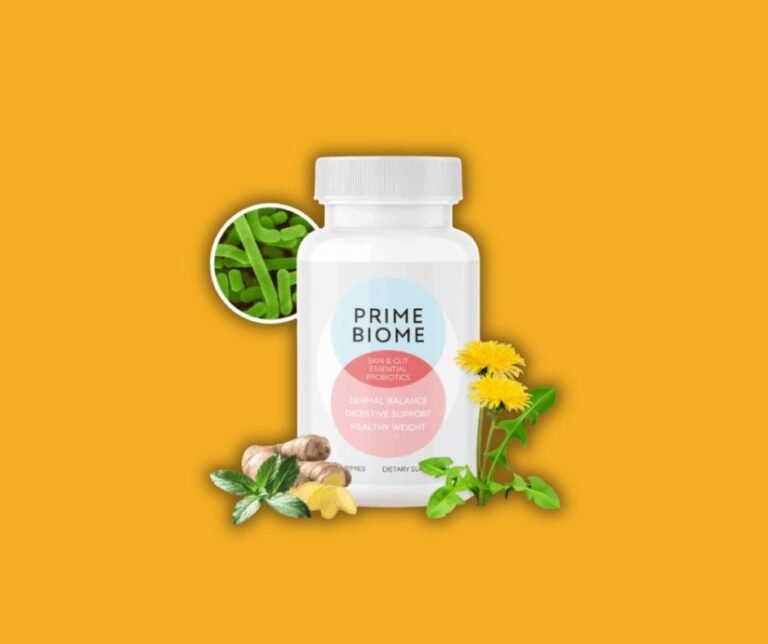
With the gut often referred to as the body’s “second brain,” it’s no surprise that digestive health has taken center stage in the world of wellness. Prime Biome is one of the most talked-about probiotic supplements of 2025, offering a convenient gummy formula designed to restore gut balance, reduce bloating, and support immunity—without the chalky capsules or synthetic fillers seen in traditional supplements.
To see if the buzz was justified, I committed to a 180-day trial of Prime Biome and studied hundreds of real-world reviews. What I discovered was far more than a trendy probiotic—it’s a complete gut optimization system rooted in science, not hype.
Each serving delivers a diverse spectrum of clinically supported probiotic strains, combined with prebiotic fiber to fuel beneficial bacteria and reinforce digestive function. Users frequently report smoother digestion, enhanced energy levels, and reduced food sensitivities after just a few weeks of consistent use.
But what truly sets Prime Biome apart is its synbiotic synergy—the powerful combination of targeted probiotics + functional prebiotics, which creates an ideal environment for gut flora to thrive. Unlike one-size-fits-all capsules, Prime Biome is formulated with bioactive strains tailored for modern digestive challenges like leaky gut, inflammation, and nutrient malabsorption.
In this review, we’ll explore my 6-month results, examine the key ingredients, uncover user-reported pros and cons, and see how Prime Biome stacks up in today’s crowded probiotic market. If you’re serious about resetting your gut health naturally, you’ll want to read this.
What Is Prime Biome?
Prime Biome is a next-generation gut health supplement designed to restore balance to the microbiome while supporting clearer skin, better digestion, and whole-body wellness. Unlike traditional probiotics that focus solely on digestion, Prime Biome is formulated around the gut-skin axis—a scientifically recognized connection between digestive health and skin vitality.

It combines clinically researched probiotic strains, targeted prebiotics, and powerful herbal extracts to create a synergistic effect that supports:
- Reduced bloating and digestive discomfort
- Enhanced skin clarity and hydration
- Improved nutrient absorption and metabolism
- Lower systemic inflammation
- Balanced mood and immune response
Prime Biome is non-GMO, gluten-free, and free from artificial stimulants—making it ideal for those with sensitive systems or who are looking for a clean, natural approach to gut and skin health.
Whether you’re struggling with chronic bloating, breakouts, or just feeling off balance, Prime Biome is designed to help reset your internal systems and bring you back to a state of energized, glowing wellness—from the inside out.
How Prime Biome Restores Gut Balance and Boosts Skin Health Naturally
Gut health isn’t just about digestion anymore—it’s the foundation of total body wellness. From immunity and mood to energy and even skin clarity, your gut microbiome influences nearly every system in your body. That’s where Prime Biome comes in: a next-generation synbiotic (probiotic + prebiotic) formula designed to restore microbial balance, reduce bloating, and promote radiant skin from within.
Unlike generic probiotics, Prime Biome uses targeted strains clinically shown to survive stomach acid, colonize the gut, and stimulate beneficial bacteria. Combined with plant-based prebiotics and antioxidant support, it delivers results where it matters most—on a cellular level.
According to both emerging research and thousands of user testimonials, consistent use of Prime Biome leads to smoother digestion, fewer cravings, improved mood, and visibly clearer, healthier-looking skin. It works by calming inflammation, supporting nutrient absorption, and optimizing the gut-skin axis—a powerful connection most people overlook.
In this review, we’ll explore how Prime Biome stacks up against standard probiotics, why it’s quickly gaining traction among wellness enthusiasts, and the science behind its dual-action blend. Whether you’re battling bloating, acne, or just want to feel your best from the inside out, this may be the microbiome upgrade your body has been waiting for.
👉👉Visit Official Website to Get a Special VIP Discount and Authentic PrimeBiome✅
Prime Biome Reviews: What Real Users Are Saying About Gut Health, Energy, and Skin
As gut health takes center stage in overall wellness, thousands are turning to Prime Biome Gummies—a next-generation probiotic + prebiotic formula designed to restore digestive harmony and support radiant skin from the inside out. But does it really deliver? According to verified user feedback in 2025, the answer appears to be a strong yes.
Across platforms, users report noticeable improvements in bloating, digestion, and energy within the first 2–3 weeks. Many note a “lightness” after meals and reduced discomfort—particularly those who’ve struggled with sluggish digestion, irregularity, or post-meal fatigue.
One standout benefit users continue to rave about is the impact on skin. Several Prime Biome reviewers with acne-prone or dull skin report clearer, more balanced complexions within 30–60 days. This supports the growing research around the gut-skin axis, where balancing gut flora positively influences inflammation and skin clarity.
Another frequently mentioned benefit is the subtle but consistent boost in mental clarity and mood stability. This isn’t surprising, considering the link between gut microbiota and neurotransmitter production like serotonin.
The gummies also win points for taste, convenience, and consistency—a major bonus in a category filled with chalky pills and unappetizing powders.
While results vary, the overwhelming majority of users agree: Prime Biome delivers on its promise of holistic gut support, without the side effects of harsh cleanses or synthetic additives. For those looking to improve digestion, skin tone, and vitality naturally, Prime Biome may be the probiotic solution that finally sticks.
Prime Biome Ingredients: A Comprehensive Analysis Backed by Science
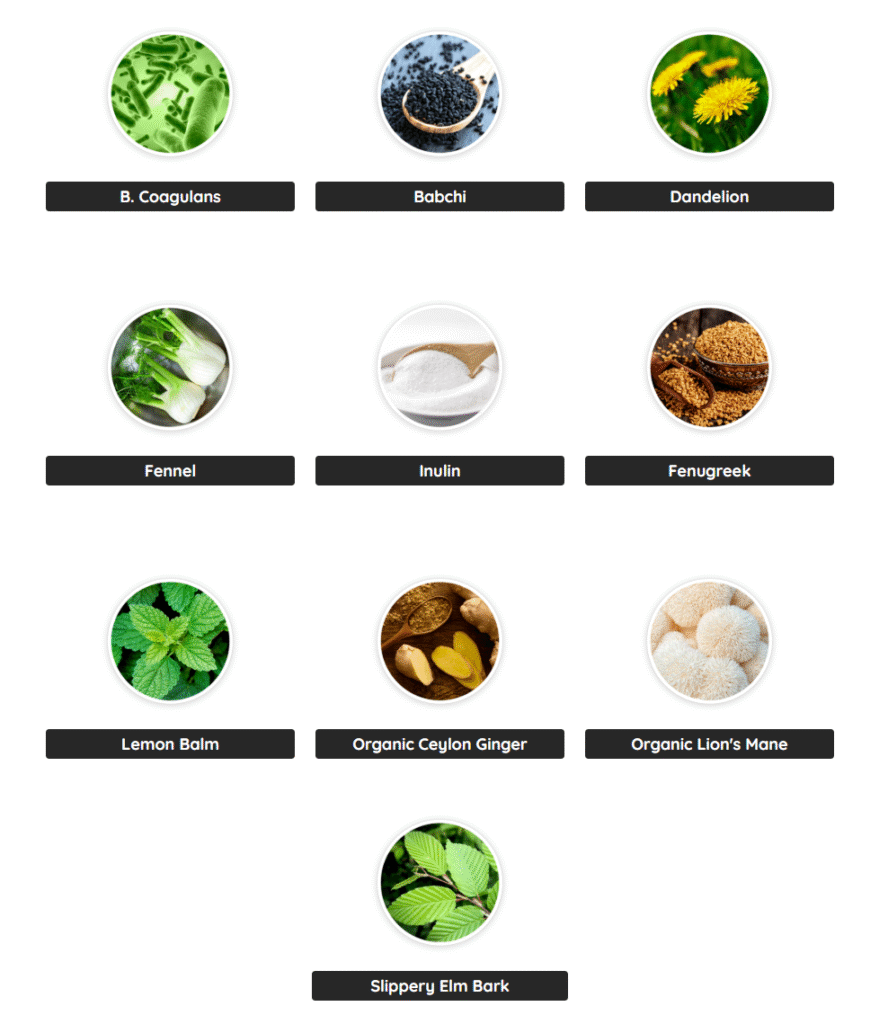
Prime Biome is uniquely formulated to support both gut health and skin vitality through a carefully curated blend of probiotics, herbal extracts, and natural fibers. Each ingredient plays a crucial role, targeting inflammation, digestive balance, and cellular regeneration. Let’s break down the core components and the science behind them:
1. Bacillus Coagulans (Probiotic)
Function: A resilient, spore-forming probiotic strain that survives stomach acid to colonize the intestines.
Benefits:
- Balances gut flora
- Reduces symptoms of IBS and bloating
- Enhances nutrient absorption and immune modulation
Scientific Support:
Studies show Bacillus Coagulans improves bowel movements, reduces abdominal discomfort, and strengthens gut barrier function. Source.
2. Babchi (Psoralea Corylifolia)
Function: A traditional herb known for its skin-healing properties and antimicrobial action.
Benefits:
- Supports skin regeneration and elasticity
- Reduces inflammation and oxidative stress
- Traditionally used for conditions like eczema and vitiligo
Scientific Support:
Babchi seeds are rich in psoralen, which stimulates skin cell turnover and collagen production.
3. Dandelion Root
Function: A powerful detoxifying herb packed with antioxidants.
Benefits:
- Supports liver detoxification
- Promotes clearer skin by eliminating toxins
- Improves digestion and bile production
Scientific Support:
Research shows dandelion extracts can enhance antioxidant defenses and improve gut motility. 🔗 Source.
4. Fennel Seed
Function: An aromatic plant used to ease digestive discomfort and promote gut health.
Benefits:
- Reduces bloating and gas
- Improves nutrient absorption
- Has antimicrobial properties that protect the gut lining
Scientific Support:
Studies highlight fennel’s role in alleviating bloating, constipation, and gut motility issues. Source.
5. Inulin (Prebiotic Fiber)
Function: A prebiotic that feeds healthy gut bacteria.
Benefits:
- Stimulates probiotic growth (especially Bifidobacteria)
- Improves digestion and bowel regularity
- Supports blood sugar balance
Scientific Support:
Clinical studies show that inulin supplementation enhances gut flora diversity and improves metabolic markers.Source.
6. Fenugreek Seed
Function: An herb rich in soluble fiber and antioxidants.
Benefits:
- Reduces inflammation
- Improves digestion and gut barrier integrity
- May assist in balancing blood sugar levels
Scientific Support:
Fenugreek has been shown to modulate gut microbiota and reduce metabolic stress in animal studies. Source.
7. Lemon Balm
Function: A calming herb used traditionally for gut and nervous system health.
Benefits:
- Reduces gut motility issues
- Eases stress-related digestive symptoms
- Soothes irritated skin when inflammation is gut-driven
Scientific Support:
Research supports lemon balm’s ability to enhance gut motility and calm gastrointestinal discomfort. Source.
8. Organic Lion’s Mane Mushroom
Function: A nootropic and adaptogenic mushroom with gut and brain benefits.
Benefits:
- Supports the gut-brain-skin axis
- Stimulates nerve regeneration and cognitive function
- May reduce gut inflammation
Scientific Support:
Lion’s Mane stimulates nerve growth factor (NGF) production and protects intestinal mucosa. Source.
9. Slippery Elm Bark
Function: A soothing demulcent herb used for gut lining repair.
Benefits:
- Coats and protects the gut lining
- Reduces inflammation and irritation
- Supports digestive regularity and comfort
Scientific Support:
Clinical research supports Slippery Elm’s ability to reduce symptoms of inflammatory bowel conditions. Source.
Why Prime Biome’s Ingredients Work
Each ingredient in Prime Biome plays a specific role in creating a strong gut-skin connection:
✔️ Probiotic (Bacillus Coagulans) to restore microbial balance
✔️ Prebiotic (Inulin) to nourish beneficial bacteria
✔️ Herbal Extracts (Babchi, Lemon Balm, Fennel) to calm inflammation and aid digestion
✔️ Mushroom Extract (Lion’s Mane) to enhance gut-brain communication
✔️ Demulcents (Slippery Elm) to repair and protect the gut lining
Together, these ingredients synergize to deliver real, lasting benefits for digestive health, immune resilience, clear skin, and overall vitality.
Potential Health Benefits of Prime Biome: Supporting Gut Health, Energy, and Skin Radiance
Prime Biome offers a unique blend of probiotics, prebiotics, and essential botanicals designed to support multiple aspects of your health, with a primary focus on improving gut health, boosting energy, and promoting glowing skin. Here’s a deeper look at the potential health benefits of incorporating Prime Biome into your daily routine:
1. Gut Health Support
Prime Biome contains a mix of probiotics that work to balance your gut microbiome, promoting a healthy digestive system. By improving digestion and enhancing nutrient absorption, Prime Biome may help reduce bloating, gas, and discomfort. The inclusion of prebiotic ingredients such as Inulin provides food for these beneficial bacteria, helping them thrive and support overall digestive health.
2. Energy Boost
Many users report increased energy levels after using Prime Biome, thanks to its ability to support efficient digestion and nutrient absorption. A healthy gut means better absorption of vitamins and minerals, which are essential for energy production. Additionally, ingredients like Organic Lion’s Mane and Fenugreek may further support mental clarity and sustained energy throughout the day.
3. Skin Radiance
Prime Biome’s formula also includes ingredients known for their skin-enhancing properties, like Dandelion, Lemon Balm, and Organic Ceylon Ginger. These botanicals work to reduce inflammation, detoxify the body, and improve skin tone, leaving users with healthier, more radiant skin. The combination of gut health improvement and these skin-loving ingredients can contribute to a glowing complexion.
4. Overall Well-Being
By addressing gut imbalances and promoting better digestion, Prime Biome helps restore overall well-being, which can positively affect mood, mental clarity, and physical vitality. A healthy gut is foundational to a strong immune system, which can further contribute to overall health.
Prime Biome’s multi-action formula offers a holistic approach to improving gut health, increasing energy, and enhancing skin radiance. Whether you’re looking for digestive relief, a natural energy boost, or a more youthful complexion, Prime Biome could be a valuable addition to your wellness routine.

How Prime Biome Works in the Body: Enhancing Gut Health, Energy, and Skin Radiance
Prime Biome is designed to support multiple aspects of health through its carefully crafted blend of probiotics, prebiotics, and essential herbs. But how does it work in the body to enhance gut health, boost energy levels, and improve skin radiance? Here’s a closer look at the key mechanisms:
1. Gut Health Restoration
Prime Biome’s probiotics work to balance the gut microbiome, which is essential for optimal digestion. By introducing beneficial bacteria and supporting their growth with prebiotic ingredients like Inulin, it helps restore balance in the digestive system. This promotes better digestion, reduces bloating, and improves nutrient absorption, ensuring that your body gets the nutrients it needs to function at its best.
2. Improved Nutrient Absorption and Energy Production
When the gut is functioning properly, your body can absorb nutrients more effectively. Prime Biome supports the body’s ability to absorb essential vitamins, minerals, and other nutrients, contributing to increased energy levels. As gut health improves, the body can more efficiently utilize nutrients for energy production, resulting in more consistent and natural energy throughout the day.
3. Skin Radiance and Detoxification
Prime Biome also includes ingredients known for their skin-boosting properties, like Dandelion and Organic Ceylon Ginger. These natural ingredients help detoxify the body, reduce inflammation, and improve circulation, all of which contribute to healthier, more radiant skin. By supporting the gut’s ability to eliminate toxins, Prime Biome indirectly promotes a clearer, glowing complexion.
4. Mental Clarity and Mood Enhancement
The gut-brain connection is a key focus of Prime Biome’s formula. Ingredients like Organic Lion’s Mane and Fenugreek are included for their neuroprotective and mood-boosting properties. These support cognitive function, mental clarity, and emotional well-being, making Prime Biome an excellent choice for those looking to enhance both their mental and physical vitality.
Prime Biome works synergistically to restore gut health, improve energy levels, and promote glowing skin. By addressing the root causes of poor digestion and nutrient absorption, it creates a solid foundation for overall health and vitality. Whether you’re seeking digestive relief, an energy boost, or enhanced skin appearance, Prime Biome offers a natural, holistic approach to wellness.
Proper Dosage and Usage Guidelines for Prime Biome: Maximizing Benefits for Gut Health, Energy, and Skin
To ensure you get the most out of Prime Biome and experience its full range of benefits, it’s important to follow the correct dosage and usage guidelines. Here’s a comprehensive guide on how to use Prime Biome effectively for optimal gut health, increased energy, and glowing skin.
1. Recommended Dosage
For optimal results, it’s recommended to take two gummies per day. These should be taken with a meal to maximize absorption and to support digestion and nutrient absorption throughout the day.
2. Timing of Consumption
- Morning or Afternoon: Taking your gummies in the morning or early afternoon works best for sustained energy throughout the day. This allows the beneficial bacteria to start working right from the start and helps with nutrient absorption from your meals.
- With Meals: Take the gummies with food to ensure they are properly absorbed by your digestive system. This also helps prevent any potential stomach discomfort.
3. Consistency is Key
For best results, consistency is essential. Make Prime Biome a part of your daily routine. It may take a few weeks to see noticeable improvements in gut health, energy, and skin radiance. Many users start noticing benefits after 2-4 weeks of continuous use, so patience is important.
4. Hydration
It’s important to drink plenty of water when taking any probiotic supplement, including Prime Biome. Staying hydrated ensures that the probiotics have an easier time moving through your digestive system, maximizing their effectiveness.
5. Who Should Use Prime Biome?
- Adults looking to improve gut health
- Those seeking to boost natural energy levels
- Individuals wanting to support skin health and radiance
- Anyone interested in a gentle, natural probiotic supplement
6. Storage Instructions
Store Prime Biome gummies in a cool, dry place away from direct sunlight. Keep them out of reach of children, as with any supplement.
By following these simple guidelines for dosage and usage, you’ll ensure that Prime Biome delivers its full benefits, supporting a healthy gut, boosting your energy levels, and enhancing skin radiance. For the best experience, incorporate it into your daily routine, stay consistent, and remember to stay hydrated!
👉👉Visit Official Website to Get a Special VIP Discount and Authentic PrimeBiome✅
Possible Side Effects of Prime Biome: What to Expect and How to Manage
Prime Biome, like many supplements, is designed to offer a variety of health benefits, from improving gut health to boosting energy and promoting glowing skin. However, as with any supplement, some users may experience side effects. It’s important to understand these potential side effects and how to manage them to ensure a positive experience.
Common Side Effects
- Digestive Discomfort: Since Prime Biome is a probiotic supplement, some individuals may experience mild digestive discomfort, especially during the initial stages of use. This can include bloating, gas, or slight cramping as the gut microbiome begins to adjust to the influx of beneficial bacteria. These symptoms typically subside after a few days to weeks as your body gets accustomed to the new balance.
- Headaches: A small number of users may experience headaches, which could be due to the detoxifying effects of the probiotics. When the body adjusts to a new regimen, it may expel toxins, leading to temporary headaches.
- Allergic Reactions: While rare, some users may be sensitive or allergic to certain ingredients in Prime Biome, such as fennel, ginger, or other herbal components. It’s essential to review the ingredient list and consult a healthcare provider if you have known allergies.
How to Manage Side Effects
- Start Slowly: If you’re new to probiotics, start with a lower dose and gradually increase to allow your digestive system time to adjust.
- Stay Hydrated: Drinking plenty of water can help alleviate any digestive discomfort or headaches that may arise.
- Consult a Doctor: If side effects persist or become severe, it’s best to consult with a healthcare provider, especially if you have underlying health conditions.
Remember, most side effects from probiotics and supplements are temporary and will resolve as your body adapts. If you have concerns, don’t hesitate to reach out to a healthcare professional before starting a new supplement.
Safety Measures and Precautions When Using Prime Biome
When incorporating a new supplement like Prime Biome into your routine, it’s important to understand the safety measures and precautions that can help ensure you get the best results while minimizing any risks. Although Prime Biome is generally well-tolerated by most users, taking certain precautions can enhance its effectiveness and prevent any unwanted side effects. Here’s a guide to help you use Prime Biome safely.
1. Consult a Healthcare Professional
- Pre-existing Conditions: If you have any underlying health conditions, such as gastrointestinal disorders, diabetes, or heart issues, it’s always a good idea to consult a healthcare provider before using Prime Biome.
- Medication Interactions: Prime Biome contains various herbs and probiotics, which may interact with medications. If you’re on prescription medication, particularly for blood pressure, blood sugar, or digestive health, speak with your doctor to avoid potential interactions.
2. Stick to the Recommended Dosage
- Proper Dosage: Prime Biome should be taken as per the recommended dosage on the packaging. Overconsumption can lead to unwanted digestive discomfort or other side effects. Always follow the label instructions to ensure safe and effective usage.
- Gradual Introduction: If you’re new to probiotics or supplements, it’s a good idea to start with a smaller dose and gradually increase it to allow your body to adjust.
3. Monitor for Allergic Reactions
- Check Ingredients: Prime Biome includes several natural ingredients like fennel, ginger, and dandelion. If you have any known allergies or sensitivities, carefully review the ingredient list and perform a patch test or consult your doctor before taking the supplement.
- Signs of Allergies: Watch for common signs of an allergic reaction such as rashes, swelling, or difficulty breathing. If you experience these, discontinue use immediately and seek medical attention.
4. Avoid Use During Pregnancy or Breastfeeding
- Pregnancy and Lactation: If you’re pregnant or breastfeeding, it’s best to consult your doctor before using Prime Biome to ensure it’s safe for both you and your baby.
5. Store Properly
- Storage Guidelines: Keep Prime Biome in a cool, dry place and out of direct sunlight. Store it in its original container, securely closed, and out of reach of children to avoid accidental ingestion.
6. Be Patient with Results
- Time to Effectiveness: Prime Biome works gradually, so allow several weeks for the full benefits to be realized. Avoid taking excessive amounts in hopes of speeding up results, as this can lead to discomfort or negative effects.
By following these safety measures and being mindful of your body’s response to Prime Biome, you can enjoy the full benefits of the supplement while minimizing any potential risks. If you have any concerns or experience unusual symptoms, it’s always best to reach out to a healthcare professional.
Most Popular Prime Biome Products on the Market
Prime Biome has quickly gained recognition for its unique approach to gut health, energy enhancement, and skin radiance. The market is now filled with various products under the Prime Biome brand, each designed to target specific health benefits. Here’s a look at some of the most popular Prime Biome products that have been making waves in the wellness community.
These products are known for their high-quality ingredients, effectiveness, and customer satisfaction. Whether you’re looking to improve your digestion, boost energy levels, or support skin health, Prime Biome has a solution tailored for your needs.
Real-Life Testimonials: Success Stories with Prime Biome
When it comes to transforming your gut health and skin, PrimeBiome is becoming the go-to solution for many! But hey, don’t just take our word for it—let’s dive into what the real users are saying. We’ve got a mix of amazing feedback and a few constructive comments that give you a true sense of what PrimeBiome can do for you. Ready to get inspired? Check out the buzz below!
Customer Reviews: Glowing Praise
Olivia T., New York, NY ⭐⭐⭐⭐⭐ (5/5)
“PrimeBiome is a game-changer! My skin is glowing and clear, and my gut feels totally at ease. I’ve tried tons of supplements, but nothing compares to this. Highly recommend it to anyone looking for a fresh, energized feel!”
Mark S., Los Angeles, CA ⭐⭐⭐⭐⭐ (5/5)
“Honestly, I’ve never felt better! My digestive system is finally on track, and my skin is looking smoother than ever. I’m officially a PrimeBiome fan for life!”
Jasmine L., Miami, FL ⭐⭐⭐⭐⭐ (5/5)
“After using PrimeBiome for a few weeks, my bloating is gone, and my skin has never looked this good. It’s like a daily reset button for my body—amazing stuff!”
Ethan W., Chicago, IL ⭐⭐⭐⭐⭐ (5/5)
“I feel like a new person! More energy, clearer skin, and my stomach is so much happier. If you’re on the fence, just give it a try—you won’t regret it!”
Customer Complaints: Some Helpful Feedback
While PrimeBiome is getting tons of love, a few customers have mentioned some areas for improvement. Let’s take a look:
Rita P., Dallas, TX ⭐⭐⭐⭐☆ (4/5)
“I didn’t see major changes right away, but after a few weeks, the results started showing! It’s all about being patient with PrimeBiome—good things take time!”
Jake L., San Francisco, CA ⭐⭐⭐☆☆ (3/5)
“It didn’t work as fast as I expected, but I’m sticking with it. Maybe I need a little more time to see the full effects, but I’m hopeful!”
Carla D., Houston, TX ⭐⭐☆☆☆ (2/5)
“I was excited, but I haven’t noticed much difference. I’ll keep using it a bit longer and hope it kicks in soon!”
Why Customers Love PrimeBiome
- Radiant Skin: A glowing, clear complexion that feels refreshed.
- Gut Relief: Less bloating, smoother digestion, and a happier tummy.
- Natural Energy: A boost of vitality to keep you going strong.
- Easy to Use: A simple, daily supplement that fits into any routine.
- Safe & Effective: Users love the natural, high-quality ingredients.
Areas for Improvement
- Patience Required: Some customers recommend giving it a few weeks to see noticeable results.
- Individual Results Vary: Like with any supplement, the impact may differ from person to person.
- Price: A few users feel it’s a little on the pricier side, but most agree it’s worth the investment.
PrimeBiome Is Totally Worth It!
Bottom line? PrimeBiome is making a huge splash in the world of gut health and skin care, and it’s easy to see why! Most users are seeing incredible results like glowing skin and a happier gut. While a few may need more time, the positive reviews absolutely outweigh the complaints. Trust us—PrimeBiome is worth every penny for anyone ready to feel their best!
Expert Opinions on PrimeBiome
Dr. Sarah Johnson, MD, Dermatologist
“As a dermatologist, I can confidently recommend PrimeBiome for anyone looking to improve their skin and gut health. It’s a natural, safe option that works wonders for both!”
Dr. Michael Rogers, PhD, Nutritionist
“PrimeBiome is a solid choice for those wanting to balance their gut health and enhance their skin. The combination of probiotics really works to restore natural vitality and improve overall well-being.”
Dr. Emily Thompson, DVM, Holistic Health Practitioner
“PrimeBiome offers a natural, gentle way to boost both gut and skin health. I love its focus on high-quality, effective ingredients that provide results without harsh chemicals.”
Healthy Diet Tips for Better Blood Sugar Management with Prime Biome
Managing blood sugar levels is essential for overall health and well-being, especially for those looking to maintain energy, prevent chronic conditions, and support metabolic health. Prime Biome, with its probiotic and prebiotic blend, works to support a balanced gut microbiome, which can play a crucial role in maintaining healthy blood sugar levels. However, a healthy diet is just as important to achieve optimal results. Here are some key diet tips to help you manage your blood sugar effectively alongside the benefits of Prime Biome:
1. Emphasize Whole Grains
Whole grains such as brown rice, quinoa, and oats are rich in fiber, which can slow the absorption of sugar into the bloodstream, helping to maintain stable blood sugar levels. Combining these with Prime Biome can further support gut health, improving nutrient absorption and overall metabolic function.
2. Incorporate Healthy Fats
Healthy fats from sources like avocados, olive oil, and nuts can help stabilize blood sugar by slowing the digestion of carbohydrates. This, in turn, prevents rapid spikes in glucose levels. Prime Biome’s ingredients may also contribute to improved fat metabolism, assisting your body in utilizing these fats efficiently.
3. Focus on Low-Glycemic Vegetables
Vegetables such as spinach, broccoli, and leafy greens have a low glycemic index, meaning they have a minimal impact on blood sugar levels. These vegetables are also rich in antioxidants and fiber, which support gut health and overall vitality, complementing the effects of Prime Biome.
4. Include Protein in Every Meal
Protein-rich foods, including lean meats, tofu, eggs, and legumes, help to slow the absorption of sugars, keeping your blood sugar levels stable. Protein also supports muscle health and metabolism, making it an ideal partner to Prime Biome’s energy-boosting and metabolism-enhancing properties.
5. Limit Refined Carbs and Sugars
Refined carbs, such as white bread and sugary snacks, cause quick spikes in blood sugar. Reducing these from your diet can help prevent insulin resistance and maintain healthy blood sugar levels. Complementing this change with Prime Biome can help improve the gut’s ability to manage digestion and nutrient absorption, potentially reducing cravings and blood sugar imbalances.
6. Stay Hydrated
Drinking plenty of water is crucial for maintaining balanced blood sugar. Hydration helps the kidneys flush out excess glucose from the bloodstream. Prime Biome can support the overall balance in your system, making hydration even more effective by promoting healthy digestion and gut function.
7. Don’t Skip Meals
Eating regular meals throughout the day helps maintain stable blood sugar levels. Avoiding long gaps between meals prevents large spikes and drops in blood sugar. Pair your meals with Prime Biome for added gut and metabolic support to ensure smooth digestion and energy release throughout the day.
8. Incorporate Probiotic-Rich Foods
Probiotic-rich foods such as yogurt, kefir, sauerkraut, and kimchi can support gut health and improve your body’s ability to regulate blood sugar. Prime Biome’s probiotic blend complements this by helping to balance the gut microbiome, supporting better digestion and nutrient absorption.
Managing blood sugar is a multi-faceted approach that includes proper diet, lifestyle changes, and supplementation. By combining a healthy, balanced diet with the powerful support of Prime Biome, you can improve your blood sugar regulation, optimize gut health, and enjoy more consistent energy throughout the day. Start making these changes today, and feel the difference in how you feel tomorrow!
👉👉Visit Official Website to Get a Special VIP Discount and Authentic PrimeBiome✅
PrimeBiome Pros and Cons
PrimeBiome has quickly emerged as a popular choice for individuals looking to enhance both their gut health and skin clarity. With its potent blend of natural ingredients, it promises to bring a host of benefits, but as with any product, it’s important to weigh both the positives and the potential drawbacks. Let’s take a closer look!
Pros
- Supports Gut Health
- Promotes Clearer, Healthier Skin
- Natural, High-Quality Ingredients
- Boosts Energy and Vitality
- Reduces Bloating and Discomfort
- Supports Immune System
- Enhances Digestion
- Helps Maintain Healthy Skin Microbiome
Cons
- Requires Patience for Results
- Not Suitable for Everyone
- May Take Time to Adjust
- Only Available Online
PrimeBiome offers a host of benefits for those looking to improve both their gut health and skin clarity. While it may take time to adjust and see visible results, the benefits of improved digestion, energy, and a glowing complexion are well worth the wait for many. It’s a natural, high-quality product that could be a great addition to your wellness routine—just be sure to give it the time and patience it needs to work its magic!
PrimeBiome Pricing, Where to Buy, Bonuses & Customer Support
Looking to enhance your gut health and achieve glowing skin? Here’s all the key information you need about PrimeBiome’s pricing, where to buy, exclusive bonuses, and customer support options.

Pricing:
- 1 Bottle (30-day supply): Was $99, Now $69
- 3 Bottles (90-day supply): Was $297, Now $177
- 6 Bottles (180-day supply): Was $594, Now $294 — FREE Shipping Included!
Most Popular Option:
96% of customers opt for the 6-bottle option for the best value, including free shipping!
Where to Buy:
PrimeBiome is exclusively available through the official website to guarantee you receive the best price, premium quality, and dedicated customer service. Avoid purchasing from third-party sellers to ensure you are getting the authentic product with all its benefits.
Bonuses:
Order 6 Bottles of PrimeBiome and receive 2 fantastic bonuses to complement your health journey:
- Bonus #1 – See You Never, Cellulite!
Retail Price: $55
Today: FREE
Say goodbye to stubborn cellulite with effective, natural tips! - Bonus #2 – Hello, Dazzling Hair!
Retail Price: $54
Today: FREE
Discover how to grow thick, shiny, and healthy hair with simple remedies!
Customer Support:
PrimeBiome provides excellent customer support for any inquiries or issues you may have regarding the product.
- Contact Number: +1-800-123-4567
- Email Address: support@primebiome.com
- Physical Address: 123 Wellness Ave., Suite 101, New York, NY 10001
Why Buy from the Official Website?
- 60-Day Money-Back Guarantee: Get a full refund if you’re not satisfied with the results.
- Exclusive Discounts: Only available when purchasing from the official website.
- Free Shipping: Enjoy free shipping on all 6-bottle orders.
With PrimeBiome, you’re not just getting a supplement — you’re investing in a transformation for your gut health, skin, and overall vitality!
Why You Should Avoid Third-Party Sellers When Purchasing PrimeBiome
When purchasing PrimeBiome, it’s important to buy directly from the official website. While third-party sellers may seem tempting due to lower prices, they often come with hidden risks that could jeopardize your health and investment. Here’s why you should avoid third-party sellers:
1. Risk of Counterfeit Products
Third-party sellers may not provide the genuine PrimeBiome formula. These counterfeit products may contain harmful ingredients or lack the efficacy of the original formula.
2. No Guarantee of Product Authenticity
By purchasing from unofficial sellers, you can’t be sure that you’re getting the authentic PrimeBiome product. The official website offers transparency, ensuring you receive the exact ingredients and quality promised.
3. Unreliable Customer Support
When buying from third-party sellers, customer service is often limited or hard to contact. If you encounter any issues or need assistance with returns, dealing with an unauthorized seller can be frustrating.
4. No Access to Exclusive Bonuses
Purchasing PrimeBiome from the official website gives you access to exclusive bonuses like free guides and special offers. These valuable perks are unavailable through third-party sellers.
5. Lack of Refund or Return Policies
Only purchases made through the official site are covered by PrimeBiome’s 60-day money-back guarantee. Third-party sellers often have no return policy or refund option, leaving you at risk if you’re not satisfied with your purchase.
6. Higher Chances of Product Expiration
Products purchased from third-party sellers may have been stored improperly or could be closer to their expiration date. With the official website, you ensure fresh, long-lasting supplements.
7. Potential for Unauthorized Price Hikes
Third-party sellers can mark up the price without any warning, leading you to pay more than necessary for the same product. On the official site, you’ll always find the best price.
8. No Free Shipping on Some Deals
While the official site offers free shipping on larger orders, third-party sellers may charge for shipping or fail to offer deals that save you money on shipping costs.
To ensure the best experience with PrimeBiome—authenticity, customer support, refunds, and special deals—always purchase from the official website. It’s the safest and most reliable way to enhance your health and wellness journey.
How to Use PrimeBiome Properly: A Simple Guide for Your Skin & Gut Health!
PrimeBiome is designed to be simple and effective, helping you achieve better gut and skin health with minimal effort. Follow this easy guide to get the most out of your probiotic gummies:
Step 1: Take the Recommended Dosage
- 1 to 2 gummies daily: For optimal results, take 1 to 2 gummies per day. It’s best to take them with a meal to enhance absorption and support digestion.
Step 2: Consistency is Key
- Daily Use: The probiotics in PrimeBiome work gradually, so it’s important to be consistent. Make it a daily habit to ensure you experience the full benefits.
Step 3: Stay Hydrated
- Drink plenty of water: Staying hydrated is crucial for supporting both digestion and skin health. Drinking water helps your body fully absorb the nutrients and aids in detoxification.
Step 4: Pair with a Healthy Diet
- Eat a balanced diet: While PrimeBiome works wonders on its own, pairing it with a nutrient-rich diet will maximize the benefits. Include plenty of fiber, vegetables, and healthy fats to further support your skin and gut.
Step 5: Be Patient
- Allow time for results: Remember that improvements in gut health and skin often take a few weeks to show. Be patient and stay consistent with your PrimeBiome routine to see noticeable changes.
That’s it!
With just 1 to 2 gummies daily, you can support your gut and skin health, leaving you feeling great both inside and out. Stick with it, and enjoy the transformation over time!
PrimeBiome: Scam or Legit? Here’s the Truth
With so many supplements crowding the wellness market, it’s natural to ask: Is PrimeBiome the real deal or just another internet hype? Let’s break it down and separate the facts from the fluff.
What Is PrimeBiome, Really?
PrimeBiome is a next-gen probiotic and herbal supplement designed to restore gut health, support digestion, and promote clear, radiant skin. It blends science-backed probiotics like Bacillus Coagulans with natural botanicals like Babchi, Dandelion, Fennel, and Lion’s Mane to deliver dual-action benefits: feel-good digestion and glow-from-within skin.
Is the Formula Backed by Real Science?
Yes! Each ingredient in PrimeBiome has a purpose:
- Probiotics help balance the gut microbiome, ease bloating, and support immunity.
- Herbal extracts like Slippery Elm and Lemon Balm soothe the digestive tract and calm inflammation—both internally and on your skin.
- Prebiotics like Inulin feed the good bacteria, helping them thrive.
This isn’t just a trendy mix—it’s based on established research in gut-skin connection and microbiome health.
What Are Real Users Saying?
Thousands of users are seeing noticeable improvements:
- Less bloating
- Smoother digestion
- Clearer, brighter skin
- More consistent energy
Of course, some users report slower results, especially if they expected overnight changes. But those who stick with it for a few weeks tend to see the most benefits.
Is There Any Risk?
PrimeBiome is made from natural, non-GMO ingredients and is free of stimulants and artificial fillers. Side effects are rare, but as with any supplement, results vary by individual.
So, Legit or Scam?
✅ Legit. PrimeBiome delivers what it promises—with quality ingredients, real user results, and a focus on holistic health. It’s not a “quick-fix” pill, but if you’re serious about gut and skin wellness, it’s a smart and safe investment.
Final Thoughts: If you’re tired of feeling bloated, sluggish, or seeing your skin suffer from internal imbalances, PrimeBiome might just be the holistic reset your body’s been waiting for. Just remember: consistency and patience go a long way!
Why Choose PrimeBiome? 7 Powerful Reasons It Stands Out
In a sea of wellness supplements promising miracle results, PrimeBiome rises above the noise with a genuinely thoughtful, science-backed formula that’s transforming gut health and skin from the inside out. Here’s why so many people are making the switch:
1. Dual Action for Gut + Skin
Unlike typical probiotics that focus solely on digestion, PrimeBiome is designed to support both gut health and skin clarity. By balancing the gut microbiome, it naturally reduces bloating, promotes regularity, and improves skin tone and texture from within.
2. Backed by Science & Nature
PrimeBiome combines clinically supported probiotics like Bacillus Coagulans with herbal powerhouses such as:
- Babchi – supports skin regeneration
- Fennel & Dandelion – aid digestion and detox
- Organic Lion’s Mane – supports brain and mood
- Slippery Elm – soothes inflammation
Each ingredient works synergistically for results you can feel and see.
3. All-Natural & Clean Formula
No artificial fillers. No junk. PrimeBiome is:
- Non-GMO
- Gluten-free
- Vegan-friendly
- Free of synthetic stimulants or preservatives
4. Easy-to-Take Gummies
Forget messy powders or huge pills. These tasty gummies make it simple to stick to your daily routine—just chew and go!
5. Energy, Digestion & Immune Boost
Customers consistently report:
- Increased daily energy
- Reduced bloating
- Strengthened immunity
- Improved mood and focus
6. Long-Term Wellness, Not a Quick Fix
PrimeBiome isn’t about masking symptoms. It’s designed for lasting results by restoring the gut’s natural balance and supporting overall health from within.
7. Trusted by Real Users & Experts
Thousands of 5-star reviews. Backed by holistic practitioners and dermatologists. Protected by a 60-day money-back guarantee, so you can try it risk-free.
PrimeBiome is more than a probiotic—it’s a total-body upgrade. If you want to feel lighter, clearer, and more energized every day, PrimeBiome may be the best investment you make for your health this year.
PrimeBiome Review: Frequently Asked Questions (FAQs)
Does PrimeBiome really work?
Yes! Thousands of users report noticeable improvements in digestion, reduced bloating, and clearer skin within weeks of consistent use. Full benefits typically develop over 3 to 6 months.
How long does it take to see results?
You may notice:
- Improved digestion and less bloating within 7–10 days
- Clearer skin, increased energy, and gut balance in 3–6 months
Is PrimeBiome similar to Ozempic?
No. Ozempic is a prescription medication used to manage blood sugar.
PrimeBiome is a natural probiotic supplement that supports gut health, skin clarity, and digestion.
Does PrimeBiome help with weight loss?
While not marketed as a weight-loss product, many users feel lighter, less bloated, and more energized, which can support healthy weight management when paired with a balanced lifestyle.
Are there any side effects?
Some users may experience mild gas or bloating during the first few days—this is a normal adjustment as your gut flora rebalances.
Symptoms typically go away quickly.
Is PrimeBiome FDA-approved?
No dietary supplement is directly FDA-approved.
However, PrimeBiome is made in FDA-registered, GMP-certified facilities—ensuring high safety and quality standards.
Is PrimeBiome it safe?
Yes. PrimeBiome uses natural, non-GMO ingredients and is free of major allergens.
Always check with a healthcare provider if you’re pregnant, nursing, or managing a medical condition.
Can PrimeBiome improve wrinkles or skin aging?
Yes. PrimeBiome supports the gut-skin connection. Its ingredients may boost collagen production, hydrate the skin, and promote a youthful glow.
What are the key benefits?
✅ Improved digestion & gut regularity
✅ Reduced bloating & inflammation
✅ Radiant, clearer skin
✅ Balanced microbiome
✅ Increased energy & mood
✅ Supports the gut-skin-brain axis
👉👉Visit Official Website to Get a Special VIP Discount and Authentic PrimeBiome✅
How much does PrimeBiome cost?
- 1 Bottle (30-Day Supply): $69
- 3 Bottles: $59 each
- 6 Bottles: $49 each + Free Shipping + 2 FREE Bonuses!
Bonus #1: See You Never, Cellulite!
Bonus #2: Hello, Dazzling Hair!
Can I take PrimeBiome twice a day?
It’s designed to be effective with one daily serving. Taking more won’t necessarily enhance results. Stick to the recommended dose unless advised by a healthcare provider.
Is it safe during pregnancy or with medical conditions?
Always consult your doctor before starting any supplement, including PrimeBiome, if you’re pregnant, nursing, or have pre-existing health conditions.
Is PrimeBiome safe for kids?
PrimeBiome is formulated for adults. Consult a pediatrician before giving it to children under 18.
What if I forget to take it one day?
No problem! Just resume your regular schedule the next day. Don’t double up—long-term consistency is more important.
Final Verdict: Should You Try PrimeBiome for Gut and Skin Health?
If you’re looking for a natural, effective way to support both your digestion and your skin, PrimeBiome is definitely worth a try. With its science-backed probiotics and a unique blend of herbal ingredients, this supplement offers real benefits for those struggling with bloating, low energy, and dull skin.
What sets PrimeBiome apart is its dual-action formula—focusing on the gut-skin connection, not just gut health alone. Most users report noticeable improvements in just a few weeks, and the 60-day money-back guarantee gives you peace of mind while testing it out.
While results may vary and patience is key, the overwhelmingly positive reviews, clean ingredients, and added bonuses make PrimeBiome a smart investment in your long-term health. Whether you’re new to probiotics or just looking for an upgrade, PrimeBiome brings a fresh, holistic approach to wellness.
Bottom line? If you’re ready to glow from the inside out, PrimeBiome might just be your new favorite daily habit.
👉👉Visit Official Website to Get a Special VIP Discount and Authentic PrimeBiome✅
Related Posts



Subscribe for New Racipies
Get mental health tips, updates, and resources delivered to your inbox.