
Are Collard Greens Acidic? Collard Greens and Acid Reflux

Medically reviewed by Aneeza Pervez Updated Date: January 2, 2026

Collard greens, a staple in many traditional cuisines, are known for their hearty texture, earthy flavor, and exceptional nutritional benefits. But for those managing acid reflux or seeking to maintain a balanced pH diet, a common question arises: are collard greens acidic?
Collard greens are considered mildly alkaline, making them a great choice for individuals with acid reflux. Packed with vitamins, minerals, and antioxidants, these leafy greens can help neutralize stomach acid, support digestion, and reduce inflammation. In this article, we’ll explore the pH properties of collard greens, their impact on acid reflux, and how to incorporate them into a reflux-friendly diet.
Understanding Acidity and Alkalinity in Foods
What Determines a Food’s Acidity or Alkalinity?
The pH scale measures how acidic or alkaline a substance is, ranging from 0 (highly acidic) to 14 (highly alkaline), with 7 being neutral. Foods with a pH below 7 are classified as acidic, while those above 7 are alkaline. However, a food’s effect on the body after digestion, known as its metabolic impact, can differ from its natural pH.
The Role of Alkaline Foods in Digestion
Alkaline foods are beneficial for neutralizing stomach acid and maintaining a balanced internal pH. This can reduce symptoms of acid reflux and promote better overall digestion.
How Acidic Foods Affect Acid Reflux?
Acidic foods can relax the lower esophageal sphincter (LES), allowing stomach acid to backflow into the esophagus and cause discomfort. Incorporating alkaline foods like collard greens can help mitigate this issue.
Author Tip: 7-Day Meal Plan For Gastritis
Are Collard Greens Acidic or Alkaline?
Natural pH of Collard Greens
Collard greens are naturally mildly alkaline, with a pH above 7. This alkalinity helps counteract excess stomach acid, making them suitable for acid reflux sufferers.
Metabolic Effect of Collard Greens
When digested, collard greens exhibit an alkaline-forming effect on the body, further enhancing their ability to reduce acidity and promote digestive health.
Do Collard Greens Trigger Acid Reflux?
Collard greens are unlikely to trigger acid reflux when prepared properly. Their fiber and water content support digestion, while their alkalizing properties help neutralize stomach acid.
Related to Read: Are Turnip Greens Acidic?
Nutritional Benefits of Collard Greens
According to research, following are the benefits of Collard Greens:
Rich in Vitamins and Minerals
Collard greens are packed with essential nutrients, including:
- Vitamin K: Supports bone health and proper blood clotting.
- Vitamin C: Boosts immunity and reduces inflammation.
- Calcium: Promotes strong bones and aids in muscle function.
High in Antioxidants
Antioxidants like beta-carotene and quercetin in collard greens combat oxidative stress, which can contribute to chronic conditions, including GERD (gastroesophageal reflux disease).
Fiber Content and Digestive Health
Collard greens are an excellent source of dietary fiber, which aids in digestion by promoting regular bowel movements and reducing constipation—a common trigger for acid reflux.
Benefits of Collard Greens for Acid Reflux
Alkalizing Properties
The alkalizing effect of collard greens helps balance the stomach’s pH, reducing acidity and soothing the esophagus.
Anti-Inflammatory Effects
Collard greens contain anti-inflammatory compounds that can alleviate inflammation in the esophagus caused by acid reflux.
Low Fat and Low Acid
With minimal fat content and naturally low acidity, collard greens align perfectly with dietary guidelines for managing acid reflux.
How to Include Collard Greens in a GERD-Friendly Diet?
Steamed Collard Greens
Steaming collard greens softens their tough texture and retains their nutrients, making them easier to digest and less likely to cause discomfort.
Sautéed Collard Greens with Alkaline Additions
Sauté collard greens with olive oil, garlic, and a sprinkle of turmeric for a reflux-friendly dish. Avoid acidic additives like vinegar or lemon juice.
Collard Green Wraps
Use large collard green leaves as a healthy, alkaline alternative to tortillas. Fill them with lean protein, quinoa, and alkaline vegetables for a nutritious wrap.
Related to Read: Are Turnip Greens Acidic?
Collard Greens vs. Other Leafy Greens
Collard Greens vs. Kale
Both collard greens and kale are alkaline and nutrient-dense. However, collard greens have a milder flavor and are often preferred in traditional cooking.
Collard Greens vs. Spinach
Spinach, while alkaline, contains higher levels of oxalates, which may interfere with calcium absorption. Collard greens have fewer oxalates, making them a better option for those with kidney concerns.
Collard Greens vs. Lettuce
Lettuce is less nutrient-dense compared to collard greens. While both are alkaline, collard greens provide more fiber and vitamins.
Author Tip: 7 Kinds of Foods to Avoid with GERD
Common Misconceptions About Collard Greens and Acidity
Are Cooked Collard Greens Acidic?
Cooking collard greens does not significantly alter their pH. However, preparation methods matter—adding acidic ingredients like vinegar can increase acidity.
Do Collard Greens Cause Gas or Bloating?
Collard greens contain fiber, which can cause gas or bloating in some individuals if consumed in large quantities. Cooking them thoroughly can reduce these effects.
Are Collard Greens Too Tough to Digest?
When cooked properly, collard greens are easy to digest. Steaming or sautéing them softens their texture and makes them gentler on the stomach.
Tips for Consuming Collard Greens Safely with GERD
- Cook Thoroughly: Raw collard greens can be harder to digest. Steaming or sautéing them makes them more stomach-friendly.
- Avoid Acidic Additions: Skip vinegars, citrus, or spicy seasonings that may trigger reflux.
- Pair with Alkaline Foods: Combine collard greens with alkaline sides like quinoa or sweet potatoes for a balanced meal.
- Start with Small Portions: If you’re new to collard greens, introduce them gradually to monitor your body’s reaction.
Final Thoughts on Collard Greens and Acid Reflux
Collard greens are a mildly alkaline, nutrient-rich food that can be safely included in a GERD-friendly diet. Their alkalizing properties, combined with their high fiber and anti-inflammatory benefits, make them an excellent choice for managing acid reflux. By preparing collard greens with reflux-friendly methods and pairing them with other alkaline ingredients, you can enjoy their health benefits without triggering symptoms.
FAQs
- Are collard greens acidic?
No, collard greens are mildly alkaline and can help neutralize stomach acid. - Do collard greens help with acid reflux?
Yes, their alkalizing and anti-inflammatory properties make them beneficial for acid reflux sufferers. - How should I cook collard greens for GERD?
Steaming or sautéing with alkaline ingredients is the best way to prepare collard greens for GERD. - Are raw collard greens good for acid reflux?
While raw collard greens are alkaline, they may be harder to digest. Cooking them is recommended for GERD sufferers. - Can I eat collard greens daily?
Yes, collard greens can be consumed daily as part of a balanced diet, but portion control is important to avoid potential digestive discomfort.
Related Posts



Subscribe for New Racipies
Get mental health tips, updates, and resources delivered to your inbox.
Sauerkraut for Acid Reflux: A Tangy Delight or a Heartburn Trigger?

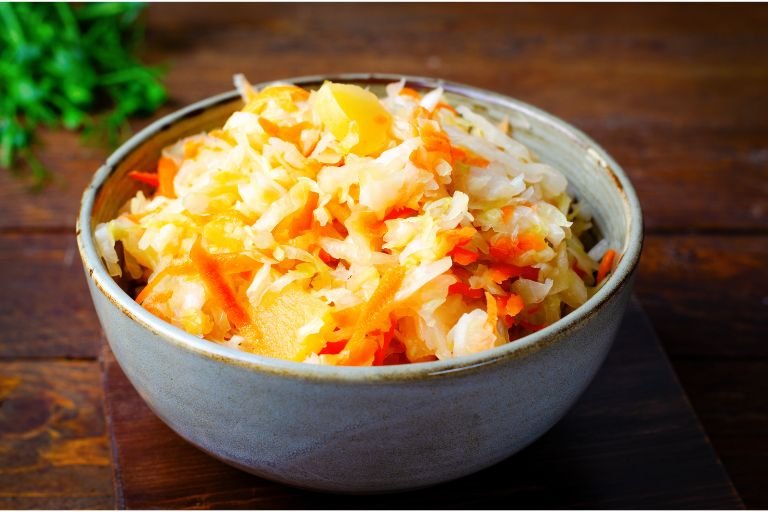
Is Sauerkraut a Friend or Foe for Acid Reflux Sufferers?
Sauerkraut, with its tangy, fermented flavor, has gained popularity as a nutritious superfood. But if you’re someone who struggles with acid reflux, you might be wondering: is sauerkraut safe to eat, or does it make your symptoms worse? In this article, we dive deep into the acidity of sauerkraut, its nutritional value, and whether it’s a smart choice for people with acid reflux.
The Acid Reflux Puzzle: How Your Diet Plays a Key Role?
What Is Acid Reflux and Why Does It Happen?
Acid reflux occurs when stomach acid flows back into the esophagus, causing discomfort like heartburn, a sour taste, and even chest pain. This condition is often triggered by certain foods, stress, or lifestyle habits.
Why Certain Foods Trigger Acid Reflux?
Acidic and spicy foods, fatty meals, and carbonated drinks are known to relax the lower esophageal sphincter (LES), allowing stomach acid to escape into the esophagus. This makes understanding the pH and properties of foods like sauerkraut essential for reflux sufferers.
Sauerkraut’s Tangy Secret: How Acidic Is It, Really?
The pH of Sauerkraut: Tangy and Acidic
Sauerkraut is highly acidic, with a pH level of 3.5 to 3.7, depending on its fermentation process. The lactic acid produced during fermentation gives sauerkraut its signature tanginess but also makes it a potential reflux trigger.
The Fermentation Process and Its Impact on Acidity
The fermentation process involves cabbage being preserved in saltwater, where naturally occurring bacteria convert sugars into lactic acid. This acidity is key to sauerkraut’s flavor but may irritate sensitive stomachs.
The Superfood Debate: Is Sauerkraut Actually Healthy?
Nutritional Powerhouse: What Makes Sauerkraut So Special?
Sauerkraut isn’t just tasty—it’s packed with nutrients:
- Probiotics: Beneficial bacteria that improve gut health and digestion.
- Vitamin C: Boosts immunity and fights inflammation.
- Vitamin K: Supports bone health and blood clotting.
- Fiber: Aids digestion and promotes regular bowel movements.
How Sauerkraut Benefits Your Overall Health?
- Improves Digestion: Probiotics help balance gut bacteria.
- Boosts Immunity: Vitamin C and antioxidants protect against illness.
- Reduces Inflammation: The anti-inflammatory properties may benefit the gut and esophagus.
Does Sauerkraut Help or Hurt Acid Reflux Sufferers?
When Sauerkraut Becomes a Problem for Reflux?
Despite its health benefits, sauerkraut’s acidity can irritate the esophageal lining, particularly in those prone to reflux. Common situations where sauerkraut might worsen reflux include:
- Overeating: Large portions can put pressure on the LES.
- Pairing with Other Trigger Foods: Combining sauerkraut with acidic or spicy dishes can amplify symptoms.
Can Sauerkraut Actually Soothe Acid Reflux?
Interestingly, the probiotics in sauerkraut may benefit digestion and reduce bloating, indirectly alleviating reflux symptoms for some people. However, its high acidity makes it a risky choice for those with severe acid reflux.
Making Sauerkraut Work for You: Tips for Safe Consumption
Mastering Portion Control for Reflux Relief
- Start with small portions (1-2 tablespoons) to gauge your tolerance.
- Avoid eating sauerkraut on an empty stomach to minimize irritation.
Prepare Sauerkraut the Right Way
- Rinse sauerkraut to reduce excess acidity and sodium.
- Pair it with alkaline foods like potatoes or leafy greens to balance its acidic nature.
Timing Matters: When to Eat Sauerkraut
- Avoid consuming sauerkraut close to bedtime to prevent nighttime reflux.
- Incorporate it into meals earlier in the day for better digestion.
What Can You Eat Instead? Acid-Reflux-Friendly Alternatives to Sauerkraut
Gentle Fermented Foods
- Kimchi (Mild Variants): Offers probiotics with less acidity in milder recipes.
- Yogurt: A probiotic-rich, low-acid option that soothes the stomach.
Alkaline Vegetables
- Cucumbers: Hydrating and gentle on the stomach.
- Zucchini: Low in acidity and versatile in recipes.
Related to Read: 7-Day Meal Plan For Gastritis: Balancing Nutrition and Gastritis
7 Kinds of Foods to Avoid with Gerd
Lifestyle Hacks to Tame Acid Reflux for Good
Change Your Eating Habits
- Eat smaller meals throughout the day to reduce pressure on your stomach.
- Chew food thoroughly to aid digestion and prevent overeating.
Say Goodbye to Common Triggers
- Avoid acidic, spicy, and fatty foods.
- Reduce your intake of caffeine and carbonated drinks.
Stay Active and Maintain a Healthy Weight
Excess weight can increase abdominal pressure, making reflux worse. Regular exercise and a balanced diet can help reduce symptoms.
Expert Opinions on Sauerkraut and Acid Reflux
The Role of Probiotics in Digestive Health
Nutritionists agree that probiotics in sauerkraut support gut health, but its high acidity can be problematic for individuals with acid reflux. Moderation and pairing with low-acid foods are key.
Research on Fermented Foods and Acid Reflux
While studies highlight the digestive benefits of probiotics, research is still limited on the direct impact of sauerkraut on acid reflux. Consulting a healthcare professional is recommended before adding it to your diet.
Conclusion: Should You Include Sauerkraut in Your Diet?
So, is sauerkraut a tangy delight or a heartburn trigger? The answer depends on your individual tolerance. While sauerkraut is packed with probiotics and nutrients, its high acidity makes it a double-edged sword for acid reflux sufferers. Small portions, rinsing, and careful pairing with alkaline foods may help you enjoy its benefits without discomfort. As always, listen to your body and consult a healthcare professional for personalized advice.
FAQs: Sauerkraut and Acid Reflux
1. Is sauerkraut safe for acid reflux sufferers?
Sauerkraut can be safe in small portions for some people, but its acidity may trigger reflux in others.
2. Does rinsing sauerkraut reduce its acidity?
Yes, rinsing sauerkraut can help reduce some of its acidity and sodium content.
3. Can sauerkraut probiotics help with digestion?
Yes, sauerkraut contains probiotics that promote gut health and may indirectly alleviate digestive issues.
4. Are there less acidic alternatives to sauerkraut?
Yes, alternatives like mild kimchi, yogurt, or alkaline vegetables are gentler on the stomach.
5. Should I avoid fermented foods altogether if I have acid reflux?
Not necessarily. Fermented foods like yogurt or mild kimchi can be reflux-friendly, depending on your individual tolerance.
Related Posts
Subscribe for New Racipies
Get mental health tips, updates, and resources delivered to your inbox.