
Are Zucchinis Acidic? Zucchini for Acid Reflux [Good or Bad]

Medically reviewed by Aneeza Pervez Updated Date: January 5, 2026
Managing acid reflux often necessitates careful consideration of dietary choices, with a particular focus on the acidity of consumed foods. For individuals seeking relief from heartburn and other associated symptoms, understanding the impact of specific vegetables is crucial. This leads to the pertinent question: Are zucchinis acidic?
This article provides a comprehensive exploration of this question, delving into the science behind zucchini’s pH level and its potential effects on acid reflux. We will not only address the core inquiry of “Are zucchinis acidic?” but also examine the nutritional profile of this versatile vegetable and analyze its suitability for those managing gastroesophageal reflux disease (GERD).
By exploring the interplay between zucchini’s composition—including its fiber, water, and antioxidant content—and the digestive system, we aim to provide clear, science-backed insights.
This in-depth analysis will empower readers to make informed dietary decisions, confidently incorporating or excluding zucchini based on a thorough understanding of its properties and their individual needs in managing acid reflux.
Understanding Acid Reflux and Diet
Acid reflux, or gastroesophageal reflux disease (GERD) when chronic, occurs when stomach acid flows back into the esophagus. This can lead to symptoms such as:
- Heartburn
- Regurgitation
- Chest discomfort
- Sour taste in the mouth
Certain foods are more likely to exacerbate acid reflux, while others can help soothe the digestive system. Choosing low-acid, nutrient-rich foods is often recommended for managing symptoms.
Is Zucchini Acidic?
Zucchini is a mildly acidic food, with a pH range of approximately 5.6 to 6.0. While it is technically on the acidic side of the scale, it is considered nearly neutral and is much less acidic than foods like citrus fruits or tomatoes.
Its low acidity and alkaline-forming nature in the body make zucchini a great option for people with acid reflux. It is unlikely to irritate the esophagus or trigger heartburn, making it a reflux-friendly vegetable.
Related to Read: Are Zucchini Safe for Acid Reflux?
Nutritional Profile of Zucchini
Zucchini is not only gentle on the stomach but also a nutritional powerhouse. Here’s a look at its benefits:
- Low in Calories: One cup of cooked zucchini contains just about 20 calories, making it an excellent choice for weight management.
- High in Water Content: Zucchini is composed of nearly 95% water, which aids in hydration and digestion.
- Rich in Fiber: Dietary fiber in zucchini supports healthy digestion and prevents constipation, which can indirectly reduce acid reflux symptoms.
- Packed with Vitamins and Minerals: Zucchini provides vitamins A, C, and K, along with potassium, magnesium, and manganese.
- Antioxidants: It contains antioxidants like lutein and zeaxanthin, which promote overall health and combat inflammation.
How Zucchini Benefits Acid Reflux?
Zucchini can be a valuable addition to an acid reflux-friendly diet for several reasons:
1. Low Acid Content
The mild acidity of zucchini makes it a safe choice for people with GERD. It’s less likely to trigger symptoms compared to highly acidic foods.
2. High Fiber Content
Fiber aids in digestion and helps keep the digestive tract functioning smoothly. This can reduce the pressure on the lower esophageal sphincter (LES), preventing acid from flowing back into the esophagus.
3. Low Fat Content
Foods high in fat can relax the LES, worsening reflux. Zucchini is naturally low in fat, making it a reflux-friendly option.
4. Hydrating Properties
The high water content in zucchini helps dilute stomach acid, reducing irritation in the esophagus.
How to Incorporate Zucchini into an Acid Reflux Diet?
Zucchini is versatile and can be prepared in many reflux-safe ways. Here are some suggestions:
1. Steamed Zucchini
Steaming is a gentle cooking method that retains zucchini’s nutrients without adding extra fat or spices that may trigger reflux.
2. Zucchini Noodles
Use a spiralizer to create zucchini noodles (zoodles) as a low-carb, reflux-friendly alternative to pasta. Pair with a mild, non-acidic sauce like a creamy avocado or olive oil-based dressing.
3. Grilled or Roasted Zucchini
Drizzle zucchini slices with olive oil, sprinkle with herbs, and roast or grill them for a delicious side dish.
4. Zucchini Soups
Prepare a creamy zucchini soup using non-dairy milk or low-fat options. Avoid acidic ingredients like tomatoes or heavy spices.
5. Add to Salads or Stir-Fries
Incorporate raw or lightly cooked zucchini into salads or stir-fries with other reflux-friendly ingredients like lean proteins and low-acid vegetables.
Author Tip: 7-Day Meal Plan For Gastritis
Foods to Pair with Zucchini
For a balanced, reflux-friendly meal, pair zucchini with the following foods:
- Lean Proteins: Chicken, turkey, fish, or tofu.
- Whole Grains: Brown rice, quinoa, or oatmeal.
- Low-Acid Fruits: Bananas, melons, and pears.
- Other Vegetables: Broccoli, spinach, and green beans.
Foods to Avoid with Acid Reflux
While zucchini is safe, some foods and ingredients can worsen acid reflux. Avoid pairing zucchini with:
- Spicy Foods: Chili peppers, hot sauce, or cayenne.
- High-Fat Foods: Butter, cream, or fried items.
- Acidic Ingredients: Tomatoes, vinegar, or citrus-based sauces.
- Carbonated Drinks: Soda or sparkling water.
Author Tip: 7 Kinds of Foods to Avoid with GERD
Precautions When Eating Zucchini
While zucchini is generally safe for acid reflux, keep these tips in mind:
- Portion Control: Overeating, even healthy foods, can put pressure on your stomach and trigger reflux.
- Cooking Methods: Avoid frying zucchini or adding heavy, creamy sauces.
- Personal Sensitivities: Monitor how your body reacts to zucchini and adjust your diet accordingly.
Zucchini Recipes: Zucchini Bread Pancakes
Chocolate Chip Zucchini Brownies
FAQs
Is zucchini good for acidity?
Zucchini is considered good for acidity as it is low in acid and is alkaline-forming once digested. Its high water content helps neutralize stomach acid, making it a gentle choice for individuals with acid reflux or acidity.
Which vegetables have no acid?
Most vegetables are low in acid or have no significant acid content. Examples include cucumbers, lettuce, zucchini, bell peppers, and sweet potatoes. These are generally safe for people managing acid reflux or acidity.
Is zucchini an alkaline vegetable?
Yes, zucchini is an alkaline-forming vegetable. While it may have a slightly acidic pH in its raw state, it becomes alkaline once digested, which helps balance the body’s pH levels.
Which veggies are acidic?
Some vegetables are mildly acidic, such as tomatoes, spinach, onions, and artichokes. While they may not cause significant acid buildup in the body, they can have a slightly acidic effect compared to alkaline vegetables.
Conclusion
So, is zucchini acidic? While it is mildly acidic, zucchini’s near-neutral pH and alkaline-forming properties make it a safe and healthy choice for individuals with acid reflux. Its low-fat, high-fiber, and hydrating qualities further enhance its benefits for managing GERD symptoms.
By incorporating zucchini into your diet using reflux-safe cooking methods and pairing it with other low-acid foods, you can enjoy delicious meals without worrying about heartburn or discomfort.
Always consult a healthcare professional or dietitian for personalized advice, especially if you have severe or persistent acid reflux symptoms.
Related Posts



Subscribe for New Racipies
Get mental health tips, updates, and resources delivered to your inbox.
Are Quesadillas Healthy? [5 Surprising Reasons]

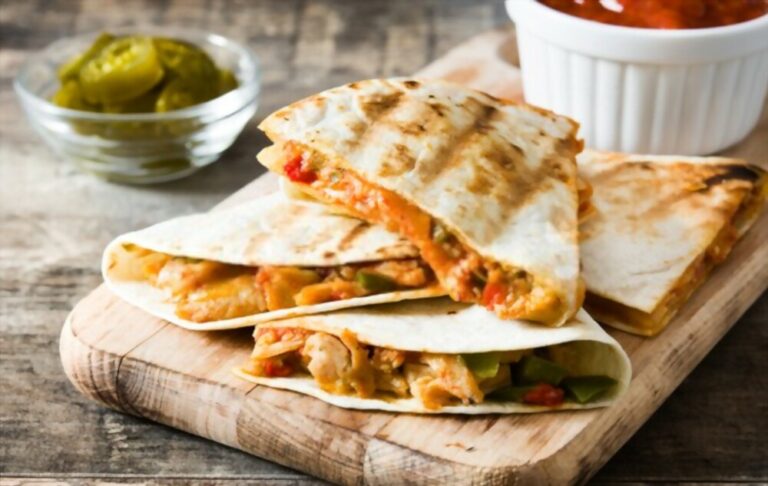
A quesadilla is a mouthwatering Mexican dish with tasty stuffing wrapped in a soft tortilla shell. It’s found in most restaurants and easy to make at home as well. It’s understandably a popular appetizer.
But, you might be wondering, are quesadillas healthy?
The simple answer is, yes. Quesadillas are healthy if you make them with healthy elements. It’s the ingredients like flour tortilla and cheddar cheese that make them unhealthy in the first place. So, choose all the healthy goodness to stuff inside it instead of the unhealthy ingredients.
However, there’s a reason they’re considered unhealthy by most people. Keep reading as we covered all about the benefits and risks of eating quesadillas in this article.
Are Quesadillas Healthy For You?
Yes, quesadillas are healthy for you. They contain veggies, proteins, and some fats too. However, you need to make the choice to make them healthy with the right ingredients. So, unless you go wild on the fat and sugar loaded condiments, it should be fine.
No matter what kind of quesadillas you like, they’re all the same at the core. So, unsurprisingly, the health factors remain more or less the same for a regular quesadilla.
Related Article: Is Mac and Cheese Healthy? Calories, Nutrition, and a Awesome Recipe
Nutrient Values Of Quesadillas
Here’s the nutritional content of a regular quesadilla (180g) found in restaurants –
| Nutrients | Amount |
| Calories | 528 |
| Total Carbohydrates | 43g |
| Total Fats | 27g |
| Saturated Fats | 11g |
| Cholesterol | 66mg |
| Protein | 27g |
| Sodium | 1.34g |
| Potassium | 329mg |
| Calcium | 269mg |
These macro and micronutrients all come from different kinds of food which compose a quesadilla.
Now let’s talk about the elements of quesadilla. The following are the elements which make up a quesadilla-
The Tortilla
The tortilla is what wraps up all of your ingredients and completes the quesadilla. They’re rich in carbs and fiber.
Corn and flour tortillas are the most preferred options among the tortillas.
The Stuffing
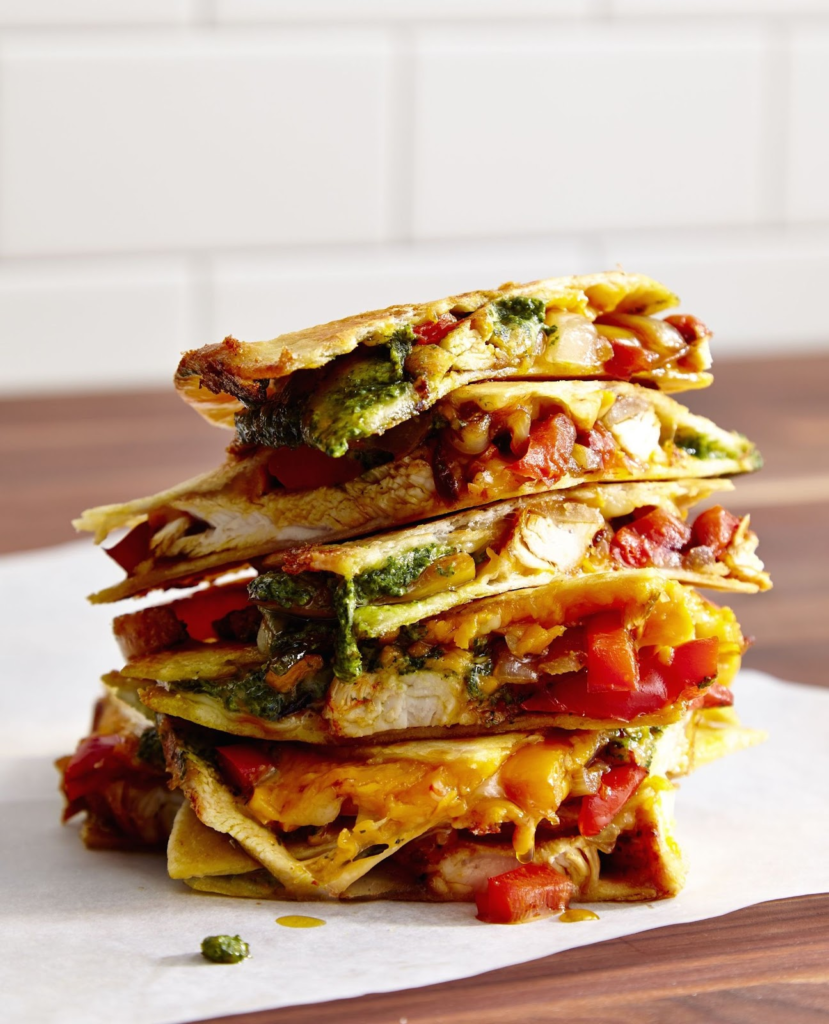
There is a wide range of options you can choose from to fill up your quesadilla.
Carbohydrates
Most of the carbs in a quesadilla come from the tortilla. However, some of it also comes from vegetables. You can put in tomatoes, onions, spinach, or any vegetable you prefer.
Fats
You can’t just make a quesadilla without any cheese in it. Cheese is full of fats, saturated or unsaturated depending on what cheese it is. It makes up most of the fat content in your quesadilla.
Proteins
Your quesadilla protein can come from a variety of sources. Chicken, beef and sausages are the most popular meat options. You can go for beans or soy if you don’t eat meat.
Now that you know about the contents of quesadillas, let’s see if you should be eating it.
Related Article: Are Fish Sticks Healthy – 10 Healthy And Unhealthy Facts
5 Quesadillas Health Benefits
The versatility of the stuffings make it easier to get a lot of nutritional benefits from quesadillas. These are some health benefits you can get from your quesadilla-
Full of Fiber
Tortillas are made of wheat, either processed or whole grain. And, that makes them high in fiber. Fiber is really important for your gut health. It prevents constipation and softens your stool.
Keeps You Full
Quesadillas are packed with macronutrients. It makes a hearty meal that can keep you full longer. Which means, less cravings and less calories.
Contains a Lot of Calcium
Cheese is an integral part of quesadillas. And, it’s full of calcium. Calcium is essential for your bone health. It also helps your heart and muscles function properly.
Packed with Protein
You can’t just have a quesadilla without any protein. You can put eggs, chicken, beans- anything at all. It can have protein to meet your daily demand. That also makes quesadillas good for bulking.
Filled with Vegetables
Vegetables are your best friend when it comes to healthiness. And since quesadillas are filled with vegetables, they’re full of nutrients. The nutrients can range from vitamin C to minerals essential for your overall health.
5 Downsides of Quesadillas
Despite having healthy ingredients, it still has some limitations. So, you should watch how much you’re eating them. These are some health risks you should look out for-
High in Calories
The main ingredients of a quesadilla- the cheese and the tortilla, are both high in calories. Too many calories are bad for a number of reasons. They can cause unwanted weight gain and they’re bad for your heart.
Contains Saturated Fats
The cheese normally used in quesadillas are high in fats. Cheddar contains 104% saturated fats of the daily value. That’s way too much to consume in one meal. It increases bad cholesterol and may cause cardiovascular diseases.
Can Cause Indigestion
Quesadillas can contain beans, onions, garlic, fatty meat- all of which can trigger indigestion. Beans, especially, can make you gassy if you eat too much.
Full of Carbs
Tortilla has a lot of carbs and there’s more inside the quesadilla. That’s bad if you’re trying to lose weight or have diabetes.
Contains Excess Sodium
Quesadillas contain a lot of sodium in them. That much sodium can raise your blood pressure and make you bloated. It also increases risk of stomach cancer.
Who Should Avoid Quesadillas?
As tasty and nutritious as quesadillas are, it’s not really good for everyone. People with certain health conditions should skip this appetizer. Avoid eating quesadillas if you fall under these segments-
Diabetic Patients
Quesadillas are full of starchy ingredients. And, you know what’s bad for diabetes? Starch. It causes the sugar levels in your blood to suddenly spike.
You can still eat quesadillas if you cut down on the extra carbs. But, avoid them if you have type-2 diabetes.
Heart Patient
Quesadillas being loaded with cheese is honestly the best part of them. But, that might not be such great news for people with heart problems.
Cheese contains saturated fats. These raise your cholesterol levels and increase risks of premature heart attacks.
Obese or Overweight People
If you’re trying to lose weight, then maybe ditch the quesadillas. Quesadillas are fattening because of their high calorie and fat content.
You should watch how much calories you eat when you’re obese. Quesadillas will ruin your calorie deficit diet and put you in surplus instead.
Gastric Problems Patient
Quesadillas contain irritating ingredients for your stomach. If you’re already suffering from gastric problems, it will worsen your symptoms.
Beans contain a type of indigestible sugar that’ll cause acid reflux. Onions and garlic also cause gas because they have soluble fibers.
Lactose Intolerant People
Cheese and sour creams are staples in making quesadillas. Guess what they both have in common? Lactose. That makes it bad for you if you’re lactose intolerant .
Eating quesadillas with lactose intolerance means you’re looking forward to gas, loose bowel, and bloating. The severity may vary from person to person. But, it’s uncomfortable for everyone regardless.
Gluten Intolerant People
Most flour tortillas used for quesadillas contain gluten. If you’re allergic to gluten, then keep an eye out for your quesadilla shells.
When you eat gluten with gluten intolerance, the symptoms will be similar to that of lactose intolerance. Constipation, diarrhea, fatigue are some of the common symptoms you’ll be facing.
Pregnant People
You don’t really need to avoid quesadillas if you’re pregnant. Just look out for unpasteurized and uncooked soft cheese in them.
Soft cheese can increase your chances of getting foodborne infections. They contain a type of bacteria called listeria which can potentially harm your unborn child.
Now you know all about how healthy quesadillas are for you. So, let’s move on to how you can turn your unhealthy quesadillas into a nutritious meal.
Related Article: Are Burritos Healthy? [Benefits and Risks]
How to Make Your Quesadilla Healthy?
Now, the good news about quesadillas is that you can choose to make them healthy. Ditch that greasy quesadilla from your favorite Mexican restaurant and go for homemade ones instead.
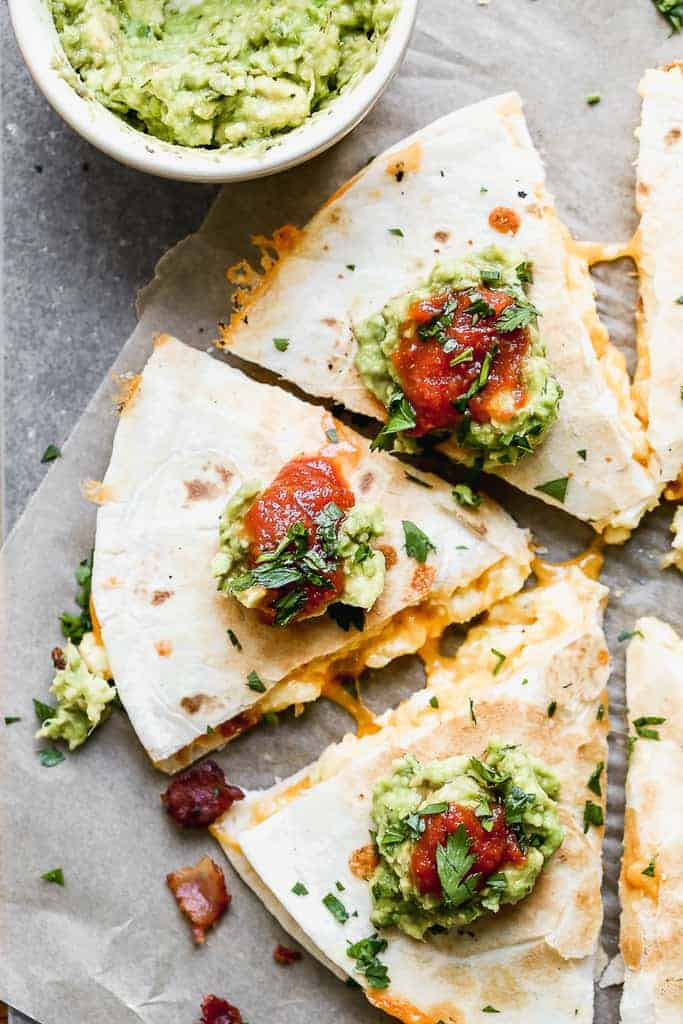
Here are some healthy ingredients you can use to swap out the unhealthy ones-
- Go for whole grain tortillas made from whole wheat, quinoa, millet or brown rice flour. Try to avoid hydrogenated oils and preservatives as well. This ensures you get more fiber than just refined carbs.
The best tortilla alternative is making the tortilla yourself. You can choose what goes in it that way.
- Avoid high-fat cheese and try low-fat options. Part-skim mozzarella, feta, ricotta- all are great options which are low in saturated fats.
We picked out the best low fat cheese options which will be perfect for your quesadillas-
| Sargento Off The Block Reduced Fat 4 Cheese Mexican | Check details |
| Good Culture Cottage Cheese 2% Low-Fat Classic | Check details |
- Go wild with the vegetables. The more the merrier. You can get your nutrients by filling up your quesadilla with vegetables instead of sauce and cheese.
- Swap out that high calorie sour cream for greek yogurt, fresh cream, soy cream, etc. You can also make some homemade mayonnaise to avoid the preservatives.
- Be careful with what kind of protein you put inside your quesadilla. Red meat doesn’t really have a lot of health benefits.
Opt for lean meat or plant protein instead. Chicken, eggs, beans, tofu- these are all better options than red meats like beef.
- Try incorporating healthy fats instead of saturated fats. Use olive oil to cook your ingredients. Put some guacamole instead of stuffing it with cheese. Get better versions of cheese and cream.
These are some simple ways you can make your very own healthy quesadillas at home. So, try them out and see if you still think they’re tasty.
Related Article: Are Burgers Healthy? 6 Tips to Turn Burgers Healthier
FAQs
Are Quesadillas Good After A Workout?
Yes, quesadillas can make perfect post-workout meals. Fill it up with berries and bananas. Use plant butter instead of those high-fat cheeses. This will give you a sweet, crunchy snack to get you back on your feet.
Can You Eat Quesadillas Cold?
Yes, you can eat quesadillas cold. Most people prefer them straight out of the stove, all warm and fresh. But, if you want to eat it cold, that’s completely fine too. You can have them cold or warm them up in the microwave.
What Kind of Oil Do You Use For Quesadillas?
Lighter oils like Canola oil are better for cooking quesadillas. They’re not too strong and make the crust nice and crunchy. Whereas, olive oil can be too flavorful and butter will make it soggy and flat.
Conclusion
Hope we answered all your queries about the question “are quesadillas healthy?” Now you know that their healthiness depends on what goes inside them.
Do you think quesadillas still fit into your diet?
Feel free to share your opinions on them. Till next time!
Related Posts
Subscribe for New Racipies
Get mental health tips, updates, and resources delivered to your inbox.