
Is Coconut Oil Acidic? Coconut Oil and Acid Reflux

Medically reviewed by Aneeza Pervez Updated Date: January 2, 2026
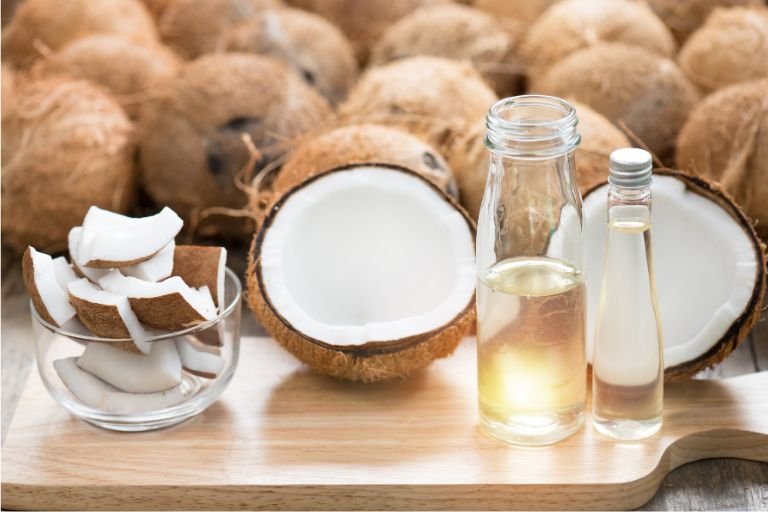
Coconut oil, a popular cooking ingredient and natural remedy, is praised for its versatility and health benefits. From skincare to weight management, coconut oil has found its way into numerous aspects of daily life. But for those dealing with acid reflux or GERD (gastroesophageal reflux disease), the question arises: “Is coconut oil acidic, and is it safe for acid reflux?”
The good news is that coconut oil is not acidic. In fact, it is neutral to mildly alkaline, with a pH level ranging from 7.0 to 8.0. This means coconut oil is unlikely to contribute to stomach acidity. However, its high fat content—though made up of healthy fats—can affect acid reflux symptoms differently for everyone. While some people find coconut oil soothing and beneficial, others may experience worsened symptoms if consumed in excess.
In this article, we’ll explore the acidity of coconut oil, its potential effects on acid reflux, and how to use it safely to promote digestive health.
Is Coconut Oil Acidic or Alkaline?
Coconut oil is considered neutral to mildly alkaline, with a pH level typically ranging from 7.0 to 8.0. Unlike acidic foods and oils (such as vinegar or vegetable oils), coconut oil does not increase the acidity in the stomach or esophagus.
Its pH neutrality, combined with its soothing properties, makes it a popular natural remedy for various health concerns. However, for acid reflux sufferers, the impact of coconut oil depends more on its fat content than its pH level.
Related to Read: Is Coconut Milk Acidic?
Nutritional Profile of Coconut Oil
Coconut oil is composed primarily of fat, specifically medium-chain triglycerides (MCTs), which are a type of healthy fat that is quickly absorbed and used for energy by the body. Below is a breakdown of coconut oil’s key nutritional elements and their effects:
1. High in Healthy Fats
- Coconut oil is almost entirely fat, with about 14 grams of fat per tablespoon. Most of these fats are MCTs, which include lauric acid, caprylic acid, and capric acid. These fats are easier to digest than long-chain fatty acids found in other oils.
2. Antimicrobial Properties
- Lauric acid, a major component of coconut oil, has natural antimicrobial and anti-inflammatory properties, which may promote gut health and reduce inflammation in the esophagus.
3. No Carbohydrates or Protein
- Coconut oil does not contain carbohydrates or protein, making it a pure source of fat and energy.
4. Calorie-Dense
- Coconut oil contains 120 calories per tablespoon, so it should be consumed in moderation, especially for those watching their calorie intake.
Can Coconut Oil Help or Worsen Acid Reflux?
The effect of coconut oil on acid reflux varies from person to person. Here’s how it can either help or exacerbate symptoms:
How Coconut Oil Can Help with Acid Reflux
- Soothes the Esophagus
- Coconut oil’s mild alkalinity and anti-inflammatory properties may help soothe irritation in the esophagus caused by stomach acid.
- Aids Digestion
- The MCTs in coconut oil are quickly digested, which can prevent bloating and reduce pressure on the stomach—a common trigger for reflux.
- Promotes Gut Health
- Lauric acid’s antimicrobial properties can improve gut health by reducing harmful bacteria and promoting a balanced microbiome, which plays a role in digestion and reflux management.
- Natural Lubricant
- Coconut oil can help reduce dryness and irritation in the throat, which can occur with acid reflux.
How Coconut Oil Can Worsen Acid Reflux?
- High Fat Content
- While coconut oil contains healthy fats, consuming too much fat—of any kind—can relax the lower esophageal sphincter (LES). A weakened LES allows stomach acid to flow back into the esophagus, causing reflux symptoms.
- Calorie-Dense
- Overeating calorie-dense foods like coconut oil can increase pressure on the stomach, potentially worsening reflux symptoms.
- Individual Sensitivities
- Some individuals may be sensitive to coconut oil and experience stomach discomfort, bloating, or reflux-like symptoms after consumption.
Author Tip: 7 Kinds of Foods to Avoid with GERD
Tips for Using Coconut Oil Safely with Acid Reflux
If you want to include coconut oil in your diet without aggravating acid reflux, follow these tips:
1. Use in Moderation
- Stick to 1–2 teaspoons per serving. Avoid overusing coconut oil, as excess fat can relax the LES and trigger reflux symptoms.
2. Pair with Reflux-Friendly Foods
- Combine coconut oil with low-acid foods such as oatmeal, bananas, or leafy greens for a balanced, reflux-friendly meal.
3. Avoid Cooking at High Temperatures
- Coconut oil has a smoke point of around 350°F (175°C). Cooking at higher temperatures can break down the oil and release compounds that may irritate the stomach. Use it for low- to medium-heat cooking or as a topping for prepared foods.
4. Use as a Natural Remedy
- Coconut oil can be taken on its own (in small amounts) to coat the esophagus and relieve irritation caused by reflux.
5. Choose High-Quality Coconut Oil
- Opt for virgin or extra-virgin coconut oil, which is less processed and retains more of its natural nutrients and benefits. Avoid hydrogenated or refined coconut oils, which may contain trans fats.
Reflux-Friendly Ways to Incorporate Coconut Oil
1. Coconut Oil Oatmeal
Ingredients:
- 1/2 cup oatmeal
- 1 teaspoon virgin coconut oil
- 1/2 banana, sliced
Instructions:
- Cook the oatmeal as directed.
- Stir in coconut oil and top with banana slices.
- Enjoy as a soothing and reflux-friendly breakfast.
2. Coconut Oil Smoothie
Ingredients:
- 1 cup unsweetened almond milk
- 1 teaspoon virgin coconut oil
- 1/2 cup frozen mango
- 1/2 banana
Instructions:
- Blend all ingredients until smooth.
- Serve as a refreshing, acid reflux-friendly snack.
3. Coconut Oil and Roasted Vegetables
Ingredients:
- 1 cup zucchini, sliced
- 1/2 cup carrots, chopped
- 1 teaspoon virgin coconut oil
Instructions:
- Toss vegetables with melted coconut oil.
- Roast at 375°F (190°C) for 20 minutes.
- Serve as a light and reflux-friendly side dish.
More Coconut Recipes:
Strawberry Coconut Banana Muffins
Lime Coconut Rice Krispie Treats with Tequila
Frequently Asked Questions About Coconut Oil and Acid Reflux
1. Is coconut oil good for acid reflux?
Coconut oil can be beneficial for acid reflux due to its neutral pH, soothing properties, and digestion-friendly MCTs. However, it should be consumed in moderation to avoid triggering symptoms.
2. Can coconut oil cause acid reflux?
Excessive consumption of coconut oil may cause acid reflux in some individuals, as its high fat content can relax the lower esophageal sphincter (LES).
3. What type of coconut oil is best for acid reflux?
Virgin or extra-virgin coconut oil is best, as it is minimally processed and retains its beneficial nutrients. Avoid hydrogenated or refined coconut oils.
4. How much coconut oil is safe to consume for reflux sufferers?
Stick to 1–2 teaspoons per serving, and avoid consuming more than 2 tablespoons per day to prevent reflux triggers.
5. Are there alternatives to coconut oil for cooking with acid reflux?
Yes, alternatives include olive oil, avocado oil, and canola oil, all of which are reflux-friendly when used in moderation.
Final Thoughts
Coconut oil is a neutral to mildly alkaline food that can be safe and beneficial for acid reflux sufferers when used correctly. Its soothing properties, digestive benefits, and antimicrobial effects make it a popular natural remedy for promoting gut health. However, its high fat content requires careful moderation, as excessive consumption can relax the LES and worsen reflux symptoms.
By incorporating coconut oil into a reflux-friendly diet and combining it with low-acid foods, you can enjoy its benefits without worrying about triggering acid reflux. As with any dietary changes, listen to your body and consult with a healthcare professional if you have concerns.
Related Posts



Subscribe for New Racipies
Get mental health tips, updates, and resources delivered to your inbox.
New Book


Yay. Got a new book to read. I used to go through books pretty fast, especially if they are really good. I usually can’t put them down. Now with two little rugrats to look after, spare time is hard to find. But I find a way to get it in there. I love to read and I am trying to instill the same love in my children. I have read to them every night since they were about 4 months old. They really enjoy when I read to them. This summer I started teaching my 5 year old how to read. She caught on real fast, so she should have no problem in Kindergarten this year.
Well, off to read my book. Maeve Binchy is a great writer. I have read almost all her books. They are funny, heartfelt, warm and fuzzy.
Related Posts






Subscribe for New Racipies
Get mental health tips, updates, and resources delivered to your inbox.