
Is It Okay to Take a Jello Shot? Here are Some Surprising Facts

Medically reviewed by Christiana George Updated Date: May 13, 2026
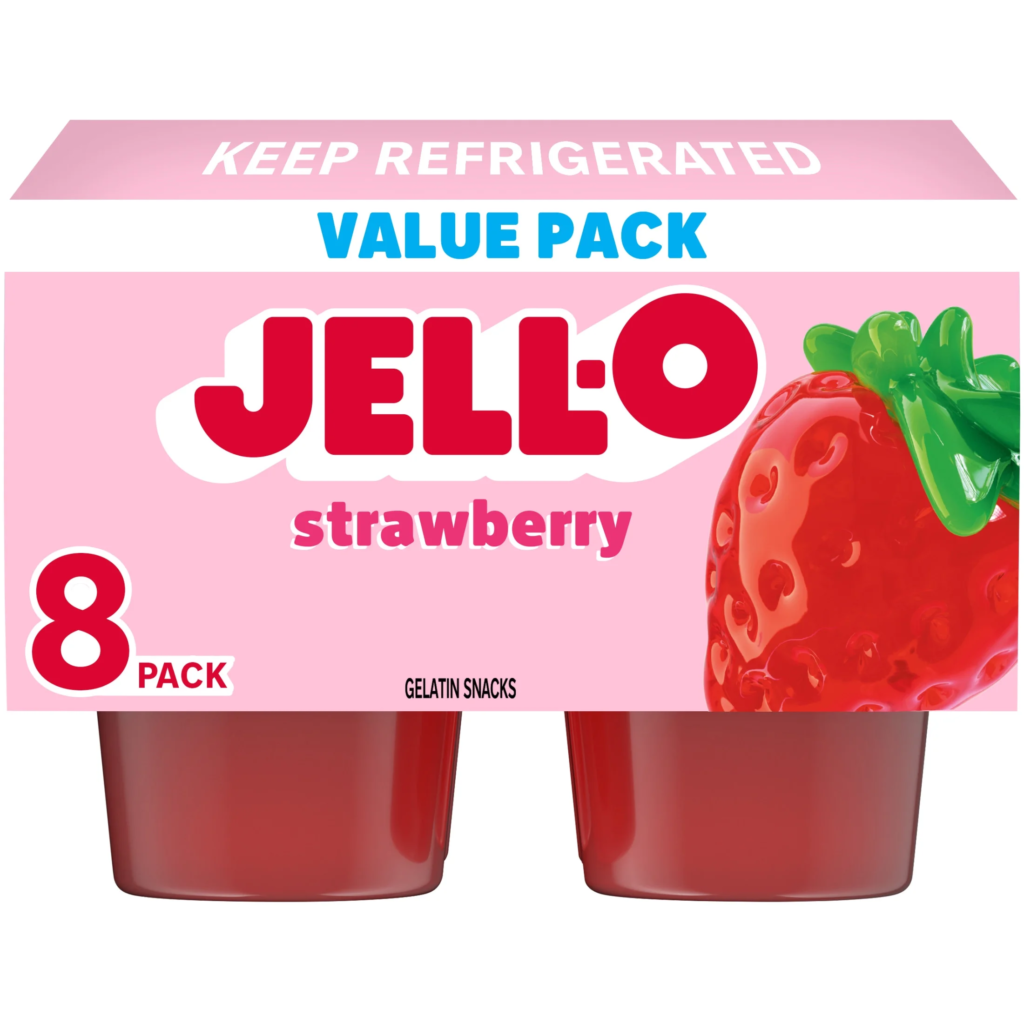
We love jello because it is fun and delicious. Besides, it is also versatile for different types of recipes. But it is most popular as a school lunch item and a hospital treat.
People hardly think that jiggly food can be unhealthy in any way. Yet, if you want to eat it, you should ask yourself: “Is jello healthy to eat, especially on a daily basis?”
Though jello is low in calories, it isn’t very healthy. Besides being low in essential nutrients like protein, fat, vitamins, and minerals, it also contains artificial flavors, colorings, and sweeteners. While you won’t gain weight from eating jello alone, regular consumption can lead to several health issues.
As a dessert, you can enjoy jello occasionally, but it’s not advisable to eat it regularly. In this article, we’ll explore the components of jello, its ingredients, potential benefits and drawbacks, and appropriate consumption.
Is Jello Healthy?
You might think that no fat, few carbs, and some protein make jello a healthy dessert. However, jello is largely devoid of nutritional value, even though it is low in calories.
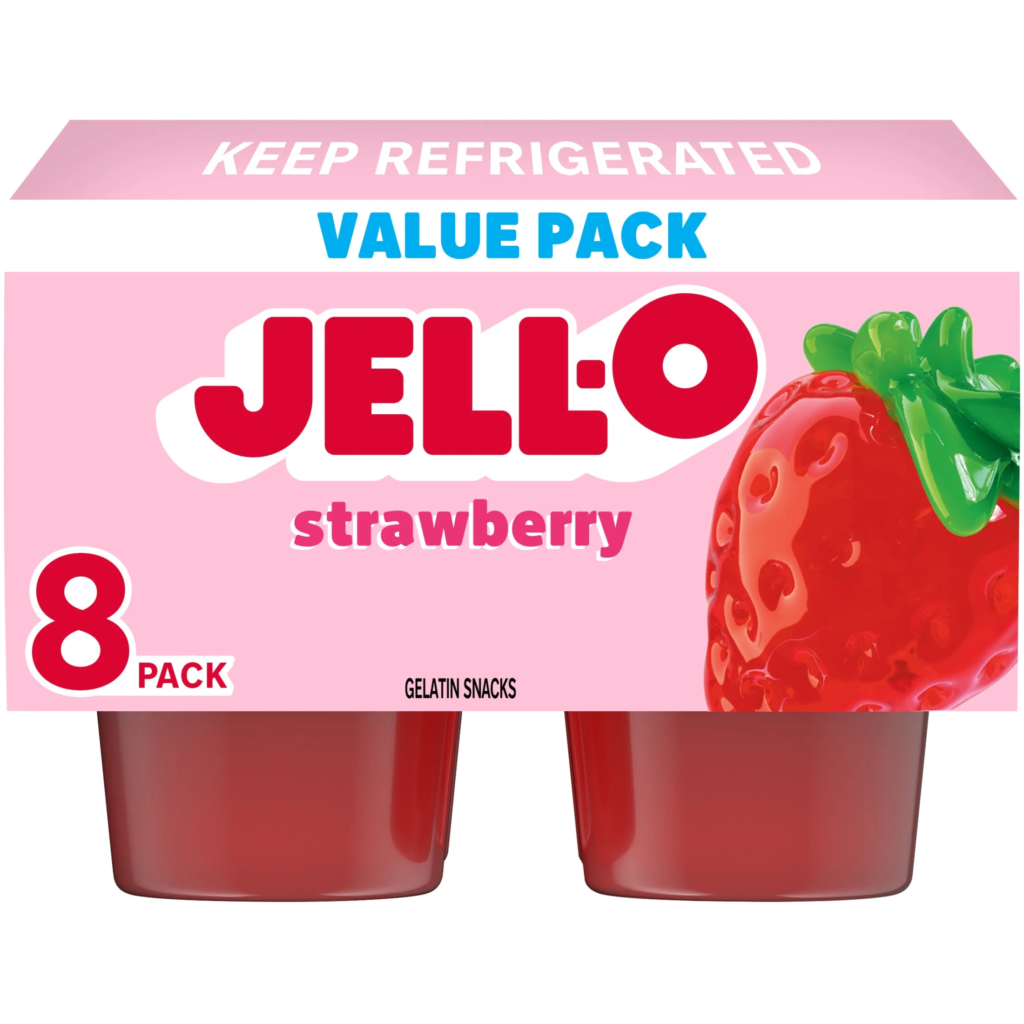
Its primary content is sugar, which in excess is harmful. Despite its various health benefits and lightweight texture, jello isn’t a healthy snack and should not be consumed regularly.
Sugar-free jello can be a better option than regular jello, but it should still be consumed in moderation. For a healthier snack, you can try the sugar-free version.
Jello made from agar, a great vegan option, offers better qualities and nutritional benefits.
Jello: Properties and Nutritional Components
Jello isn’t a natural food but is made from gelatin, a protein derived from animal bones, skin, and cartilage, mostly from cows. Collagen is extracted from these sources to produce gelatin.
This gelatin transforms into the translucent, flavorless food we love when it is flavored, colored, and sweetened for use in desserts.
Apart from being low in calories, jello is also free of fat, fiber, and vitamins. However, it does contain some carbs, proteins, and a significant amount of sugar.
Since gelatin comes from a protein-rich source, it is often perceived as nutritious. This perception explains why jello is commonly served in school lunches and hospitals.
Nutritional Composition of Jello
| Nutritients of Jello | Composition |
| Carbohydrate | 19g |
| Fat | 0g |
| Protein | 1.6g |
| Sugar | 18g |
| Fiber | 0g |
| Sodium | 101mg |
| Calorie. | 84. |
What is Gelatin Made Of?
Gelatin comes from collagen, which makes up parts of the body like tendons, bones, and skin. The process involves boiling, drying, and treating these materials with an acid or base to extract collagen, which is then dried and made into powder.
This powdered gelatin is dissolved in boiling water to make jello. During cooking, the collagen transforms into a semi-solid state, giving jello its gel-like texture.
Since gelatin is animal-derived, many people opt for jello made from agar, a plant-based alternative, making it vegan-friendly.
Gelatin vs. Agar Agar
| Parameter | Gelatin | Agar Agar |
|---|---|---|
| Amount for Jello | 8 teaspoons per serving | 1 teaspoon per serving |
| Texture Outcome | Thinner texture | Thicker density |
| Usage | Softer foods like mousse and panna cotta | Both desserts and savory dishes like soup |
| Origin | Animal-derived from bones, tissues, or skin | Plant-derived from seaweeds |
| Setting Time | Easier to set by mixing in warm water | Longer setting time by boiling with water |
Health Benefits of Jello
1. Aids in Weight Loss
Jello is lightweight and fat-free. The carbs and proteins can make you feel full if consumed in sufficient quantities, and it is very low in calories, helping you eat less and build less fat.
2. Offers Hydration
Collagen, essential for skin health, is abundant in jello. The protein and amino acids help maintain skin hydration, making it more elastic and preventing wrinkles.
3. Maintains Gut Health
The amino acids from collagen in jello protect the intestinal lining, preventing damage and inflammation. Even without fiber, jello can promote normal bowel movements and good digestion.
4. Controls Blood Sugar
Gelatin in jello contains the amino acid glycine, which helps regulate blood sugar levels and prevent spikes. Glycine supplements are also used to manage diabetes.
5. Strengthens Bones and Joints
Collagen helps keep bones and joints in good shape by increasing cartilage density, strengthening connective tissues, and preventing joint damage.
6. Source of Good Protein
Jello contains beneficial amino acids from gelatin, which improve health in various ways. Despite being low in overall protein, the protein it does contain is of high quality.
Is Jello Healthy for Weight Loss?
While jello is low in calories and fat-free, it isn’t ideal for weight loss due to its lack of nutritional value. You can try sugar-free jello as a weight loss aid, but the benefits will be minimal.
For effective weight loss, include foods in your diet that are low in fat, carbs, and calories but rich in vitamins, minerals, and other nutrients.
Disadvantages of Jello
1. Bloating and Heartburn
For individuals with GERD, jello can cause acidity, leading to bloating and discomfort. In severe cases, it might result in heartburn.
2. Allergic Reactions
Jello contains artificial colorings and flavors that can cause allergies in some people, depending on their tolerance to these additives.
3. Excess Sugar Intake
Regular jello has a high sugar content, which can imbalance blood sugar levels if consumed frequently.
4. Risks of Critical Diseases
Artificial additives in jello can increase the risk of severe diseases such as cancer, heart problems, fatty liver, obesity, and diabetes due to excess sugar intake.
Is Sugar-Free Jello Good for You?
Sugar-free jello is a healthier alternative to regular jello, especially for those looking to reduce sugar intake or manage weight. However, it still lacks significant nutritional content and should be consumed in moderation to avoid adverse effects.
FAQs
Why do hospitals serve jello as a treat?
Jello contains gelatin, which can contribute to good health by providing collagen, strengthening connective tissues, and offering various amino acids. Gelatin also helps remove toxins from the liver, making it beneficial in hospital settings.
What happens if you eat too much jello?
Overconsumption of jello can lead to sugar build-up and increase the risk of chronic diseases such as diabetes, cardiovascular diseases, and liver problems. Jello should be consumed in moderation.
Is jello good for your brain?
The amino acid glycine in jello can enhance brain function by improving memory and focus. It also helps treat mental health conditions and improves mood.
Conclusion
So, is jello healthy? While jello isn’t inherently harmful and offers some advantages, it also has drawbacks. It’s best consumed occasionally, with sugar-free or vegan versions as healthier alternatives for more frequent intake.
Always consider the potential health effects of additives and sugar content, and enjoy jello in moderation as part of a balanced diet.
Related Posts






Subscribe for New Racipies
Get mental health tips, updates, and resources delivered to your inbox.
Are Beets Acidic? Are Beets Safe for Acid Reflux?

When considering the impact of dietary choices on overall well-being, particularly for individuals managing specific health conditions like acid reflux, the acidity of various foods becomes a crucial factor. This is especially true when exploring the potential benefits and drawbacks of seemingly healthy options. Beets, a vibrant root vegetable celebrated for its rich nutritional profile, often prompts the question: Are beets acidic?
This question is particularly pertinent for those seeking to manage acid reflux symptoms, as highly acidic foods can exacerbate discomfort. While beets boast an impressive array of vitamins, minerals, and antioxidants, their inherent acidity raises concerns about their suitability for individuals with sensitive digestive systems.
This article aims to comprehensively address the question “Are beets acidic?” by delving into the science behind their pH levels and exploring the potential effects of beet consumption on acid reflux.
Understanding the pH of Beets
To determine whether beets are acidic, we need to understand their pH level. The pH scale ranges from 0 to 14, with values below 7 considered acidic, 7 neutral, and above 7 alkaline.
| Food | pH Level | Classification |
| Raw Beets | 5.3–6.6 | Slightly acidic |
| Cooked Beets | 5.5–6.5 | Slightly acidic |
Reference: Anon. 1962. pH values of food products. Food Eng. 34(3): 98-99
Raw and cooked beets fall into the slightly acidic category, with a pH level close to neutral. This means they are less likely to trigger significant acidic reactions in most people.
Are Beets Safe for Acid Reflux?
Acid reflux occurs when stomach acid flows back into the esophagus, causing symptoms like heartburn, regurgitation, and discomfort. The suitability of beets for acid reflux depends on various factors:
1. Low Acidity Helps Reduce Triggers
Beets’ slight acidity makes them gentler on the stomach compared to highly acidic foods like citrus fruits and tomatoes. Their natural sugars and high water content can help soothe the digestive system.
2. Rich in Fiber
Beets are a great source of dietary fiber, which aids digestion and reduces the risk of constipation—a common contributor to acid reflux. One cup of beets contains approximately 3.8 grams of fiber.
3. Potential Benefits of Betalains
The betalains in beets are potent antioxidants and anti-inflammatory agents. These compounds may promote gut health and reduce inflammation in the esophagus caused by acid reflux.
4. Nitrate Content
Beets are rich in nitrates, which improve blood flow and may help with overall gut health. Improved circulation could enhance the function of the lower esophageal sphincter (LES), reducing acid reflux incidents.
Tips for Eating Beets with Acid Reflux
- Moderation is Key: Overeating any food can trigger reflux symptoms. Start with small portions to observe your body’s reaction.
- Avoid Pickled Beets: Pickled beets are preserved in vinegar, which is highly acidic and can exacerbate acid reflux.
- Pair Wisely: Combine beets with alkaline or low-acid foods like leafy greens or whole grains to balance acidity.
Author Tip: 7 Kinds of Foods to Avoid with GERD
Other Nutritional Benefits of Beets
Beets are nutrient-dense and offer several health benefits:
1. Rich in Essential Vitamins and Minerals
- Folate (Vitamin B9): Essential for cell growth and function.
- Manganese: Supports bone health and metabolism.
- Potassium: Helps regulate blood pressure.
2. Boosts Heart Health
The nitrates in beets convert to nitric oxide, which relaxes blood vessels, lowering blood pressure and enhancing cardiovascular health.
3. Improves Athletic Performance
Beets are popular among athletes due to their ability to enhance oxygen efficiency and stamina during workouts.
Scientific Insights on Beets and Acid Reflux
Several studies shed light on the benefits of beets and their potential role in managing acid reflux:
- Fiber and Digestion: Research published in the World Journal of Gastroenterology highlights the importance of dietary fiber in reducing reflux symptoms by improving gut motility.
- Anti-inflammatory Effects: A study in the Journal of Agricultural and Food Chemistry emphasized the anti-inflammatory properties of betalains, which may help alleviate esophageal irritation.
- Nitrate Benefits: According to the Journal of Nutrition, dietary nitrates improve vascular health and may indirectly benefit digestion by enhancing LES function.
Potential Downsides of Beets for Acid Reflux
While beets are generally safe, some individuals may experience adverse effects:
1. Oxalate Content
Beets are high in oxalates, which can contribute to kidney stones in susceptible individuals. Though unrelated to acid reflux, it’s worth noting for overall health.
2. Beeturia
Consuming beets can lead to red or pink urine (beeturia), which might alarm some people but is harmless.
3. Individual Sensitivities
Some people may find that beets worsen their reflux symptoms due to individual variations in tolerance.
Incorporating Beets into an Acid Reflux-Friendly Diet
Here are some reflux-friendly ways to enjoy beets:
1. Smoothies
Blend beets with alkaline ingredients like almond milk, spinach, and bananas for a nutritious drink.
2. Roasted Beets
Bake beets with olive oil and herbs for a mild and flavorful dish.
3. Beet Salads
Combine sliced beets with arugula, quinoa, and a light vinaigrette for a balanced meal.
4. Beet Soup
Prepare a soothing beet and carrot soup for a low-acid, comforting option.
Beet Recipe: Potato Salad with Pickled Beets
Author Tip: 7-Day Meal Plan For Gastritis
Conclusion
So, are beets acidic? Yes, they are slightly acidic but fall close to neutral on the pH scale. Are they safe for acid reflux? For most individuals, beets can be a valuable addition to an acid reflux-friendly diet due to their low acidity, fiber content, and anti-inflammatory properties. However, as with any food, individual responses vary, and it’s essential to monitor your symptoms and consult a healthcare professional if needed.
By incorporating beets wisely into your meals, you can enjoy their rich nutritional benefits while managing acid reflux effectively.
Related Posts



Subscribe for New Racipies
Get mental health tips, updates, and resources delivered to your inbox.