
Almond Macarons With Caramelized White Chocolate Ganache
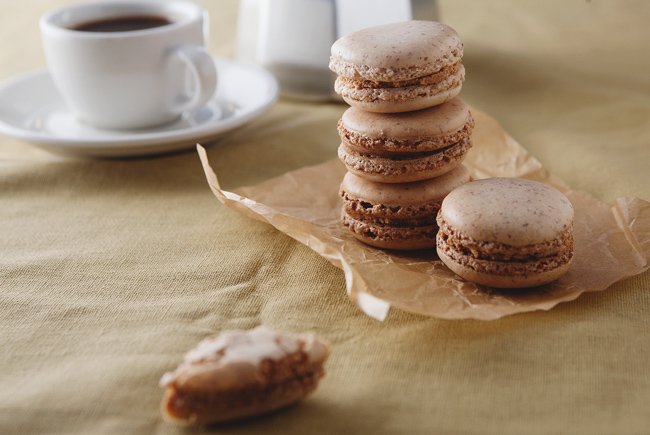
I’m emerging from a wedding planning, er, onslaught (for lack of a better word) to bring you this post. I made these macarons last week, but things have been crazy around here—can a person literally drown in details?—so forgive my slightly belated post. The good news: a semblance of a plan for the weekend of the wedding is finally coming together!
The first macaron I ever tried was… underwhelming. Being that it was a Pierre Hermé macaron that my friend and I had left the Louvre early to seek out (it was our last day in Paris), I think I can say with some confidence that my disappointment wasn’t due to it being a macaron of questionable quality.
I don’t remember anything about the actual pastry. I do remember dashing down the street to get to the shop before it closed, I remember feeling aghast at how expensive two macarons were as I handed my euros over to the cashier, I remember standing outside the store bathed in golden hour sunlight taking my first tentative bite. But I don’t remember what flavors I chose, nor do I remember if I found them enjoyable.
See? Underwhelming. It probably doesn’t help that macarons are such a cult food item. I tend to expect my mind to be completely blown in the case of cult foods, and really, what could possibly match those kinds of expectations?

Every macaron since Pierre’s has been pleasant, I suppose, but seriously, what is the big deal? Given the choice between a chocolate chip cookie or a macaron, I would choose the cookie. I would choose just about anything over a macaron. Which is why I’d never felt the urge to try making them. Besides, their reputation of being notoriously difficult to make is a well known fact, and I don’t like to fiddle with fussy directions or spend too much time gathering obscure ingredients.
It turns out, macarons are really fun to make.
The other day, while reading about laminating dough, I got drawn into the macaron tutorial. It was right there and curiosity got the better of me. It turned out, basic macarons only require something along the lines of four ingredients: egg whites, powdered sugar, regular sugar, and almond meal. What?! Furthermore, they didn’t look nearly as difficult to make as I’d imagined. Of course, the process requires a certain amount of finesse, good technique let’s say, but the basic steps are few and simple enough. Later that day, I ran out and bought almond meal (from Trader Joe’s—yup, the stuff works).

My first batch. I piped the shells onto parchment paper using a Ziploc bag with a hole cut in one corner. They kind of sucked, but not enough to discourage me.
I made another batch, this time with a piping bag and a large tip. Major flop. They were cracked and bubbly, really unappealing to look at though still delicious.
Distressed, I searched the web for guidance. I wanted to know what I’d done wrong, and I wanted reassurance. There are millions of macaron tutorials, it turns out, but Stella’s was the best. Not only was it straightforward, she called shenanigans on all the fussy details. Forget the aging of the egg whites or the resting of the shells or blanched almonds or cornstarch-free confectioner’s sugar. With minimal fuss, brilliant macarons could be made. Thank you, Stella!
My third batch came out perfectly. They were beautiful, confident shells with trim feet and creamy surfaces. I was so proud! But I decided to bake another batch since they came out just a tad bit overdone.
My fourth batch leaked together, so that macaron snowmen greeted me from the oven. Word of advice: give your shells some space, people, because the dough can be kind of runny. I also discovered that the shells were hollow on the inside. What a disaster! I wrote it off.
My fifth batch, now they were damn cute shells. About time too, because by this time, the kitchen was teeming with them despite our attempts to pawn them off. They heaved off the counters, smooshed into each other, it was a macaron eat macaron world. I finally decided to stop.
But let me assure you, I am a woman possessed. Expect lots of macarons in the future. I apologize in advance, because I realize macarons have been done to death. But whatever, so what, this is my blog! Plus, I really hope to convince those of you that feel the same way I’d felt about macarons to give them a try. They just might blow your mind.

(I realize a big, glaring omission I should probably address: the caramelized white chocolate ganache. Yup, it’s exactly what you think it is, and it is delicious. However, since my oven can’t go lower than 300 degrees F, the caramelization, which should’ve taken 45 minutes to an hour, happened in about 15 minutes, and the chocolate seized up and looked awful and gritty and never quite recovered. Basically I don’t want to focus on how unsightly my filling looks, so let’s all ignore this tiny, insignificant detail and ooh and aah instead at how pretty my macaron shells look. Did I mention they have the cutest feet? ; ) But do visit Food52 to see what caramelized white chocolate should look like. Also, check out Emma’s caramelized milk chocolate experiment, because it’s awesome, and there should always be room in your life for the scientific method.)

PLAIN ALMOND MACARONS
Makes about 40 shells, or 20 macarons
Adapted from, oh, I don’t know, a million sources, but mainly Brave Tart
Before going into the recipe that resulted in my fifth and most successful batch, I should direct you to the sources I found IMMENSELY helpful. First, check out Stella of Brave Tart’s macaron recipe, the directions which I followed almost to a tee. Also check out Macaron Mythbusters, 10 Commandments, and All About Hollows. Good stuff. I found Mardi’s pictures really helpful (she follows Stella’s directions). I also found Not So Humble Pie’s Macaron 101 tutorial super comprehensive. She covers a LOT. You’ll find lots of good nuggets buried in there.
Also, because I don’t have a scale, you will see volume measurements listed below. I’ve found that a bit of flexibility with the amounts is acceptable, but having a scale would make the results much more reliable. So get yourself to the store and pick one up! I need to take my own advice.
Ingredients:
- 3/4 cup almond meal
- 1 cup confectioner’s sugar
- 2 large egg whites (any temperature)
- 3 Tbsp sugar
Directions:
Preheat your oven to 300 degrees F. Line two baking sheets with parchment paper.
In the case of Trader Joe’s brand almond meal, which isn’t very fine, I mixed the almond meal and confectioner’s sugar together in a medium bowl and blended them together thoroughly with an immersion blender. A food processor would be the better tool in this case, but I don’t have one. Sift the mixture, using a fine sieve, into a large bowl. (I don’t know how much of a difference the immersion blender made, but I wasn’t ending up with huge grains of almond meal getting caught in the sifter, so I think it worked out okay.)
In the bowl of a stand mixer with the whisk attachment affixed, add the egg whites and sugar. Turn the mixer on to power level 4 and whisk the mixture together for 3 minutes. Next, turn the power up to 7 and whisk an additional 3 minutes. Turn the power up to 8 and whisk an additional minute or two. By now, there should be a stiff meringue in the bowl. Knock the meringue that’s trapped in the whisk back into the bowl.
Now, add the almond meal mixture into the bowl all at once. I’ll let Stella’s instructions take over:
- Use both a folding motion (to incorporate the dry ingredients) and a rubbing/smearing motion, to deflate the meringue against the side of the bowl.
- The dry ingredients/meringue will look hopelessly incompatible at first. After about 25 turns (or folds or however you want to call “a single stroke of mixing”) the mixture will still have a quite lumpy and stiff texture. Another 15 strokes will see you to “just about right.” Keep in mind that macaronage is about deflating the whites, so don’t feel like you have to treat them oh-so-carefully. You want to knock the air out of them.
And a quote I liked from Joe Pastry:
The biggest mistake most people make with macaron batter is that they baby it too much. I’ve said it before and I’ll say it again: pastries can smell fear. Confidence is key.
Basically, you don’t need to be too gentle with the batter. By the time it’s ready, its consistency will be runnier than you’d think, closer to pancake batter than cake batter. Check out 5:10 in this video to see how it should look.
Fill a pastry bag with the batter. You can use a pastry bag with just a coupler, or with a tip. I used an Ateco 806 tip, which resulted in shells on the larger side. Pipe your shells onto the parchment-paper lined baking sheets, a little more than a quarter (US currency) in size (about 2 cm. or 1 inch), spacing them about 1 inch apart.
When you’re done piping, pick up the pan and whack it down hard against your counter. Do this another time, then rotate the pan 90 degrees and do the same thing twice. You might see tiny air bubbles appear on the top of the rounds, a good sign because they could be potentially damaging if buried within the batter. Repeat with the other pan.
Slide the pans into the oven and bake for about 15 minutes, at which point the shells should be able to be cleanly picked off the parchment paper.
Fill your macarons with the caramelized white chocolate ganache (recipe below). I used a pastry bag, but a spoon should work as well.
CARAMELIZED WHITE CHOCOLATE GANACHE
Makes enough to fill 2 dozen macarons
Adapted from Food52 and other sources
Again, a note. Since my caramelized white chocolate didn’t come out the way it was supposed to due to the limitations of my oven (see above), I’ll start this recipe assuming you’ve already caramelized your white chocolate. Visit Food52 for instructions how.
Ingredients:
- 3/4 cup caramelized white chocolate (from about 8 oz. of white chocolate)
- 1/2 cup heavy cream
Directions:
Have the caramelized white chocolate ready in a medium bowl. Heat the heavy cream in a saucepan to boiling, then reduce the heat and let it simmer for about 30 seconds. Turn off the heat and stir the cream into the bowl with the white chocolate. Keep stirring until well-incorporated.
Let the ganache come to room temperature. Using the whisk attachment of your mixer, whisk the ganache on medium speed for a few minutes until it’s light and airy.
Related Posts



Subscribe for New Racipies
Get mental health tips, updates, and resources delivered to your inbox.
Are Avocado Toasts Acidic? Understanding the Debate

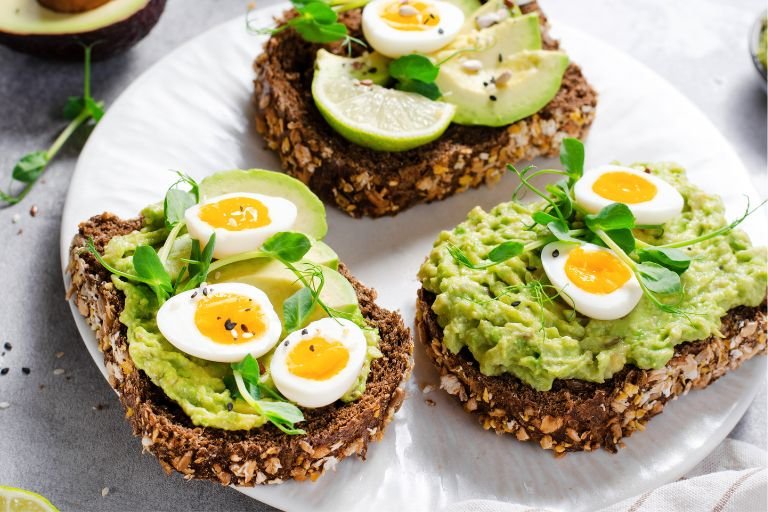
Avocado toast has taken the culinary world by storm, becoming a beloved breakfast and brunch staple for millions. Its unique combination of creamy avocado and crispy bread is not just delicious but also packed with nutritional benefits. However, many questions arise about this trendy dish: are avocado toasts acidic or alkaline? Does it cause acid reflux? What makes it so popular? In this guide, we’ll dive deep into the science, myths, and benefits of avocado toast, exploring how it impacts digestion and overall health.
Whether you’re an avocado toast enthusiast or curious about its growing fame, this post will provide everything you need to know to enjoy it without any digestive discomfort.
Why Is Avocado Toast a Popular Choice?
The Rise of Avocado Toast in Breakfast Culture
Avocado toast has become a cultural phenomenon, making appearances in brunch menus worldwide. But how did this humble dish gain such widespread fame? The trend started in the early 2010s, spurred by social media influencers flaunting its vibrant green aesthetic. Beyond the Instagram appeal, it resonated with people seeking a healthy, simple, and delicious breakfast option.
Nutritional Profile of Avocado and Bread
Avocado is packed with healthy monounsaturated fats, fiber, vitamins like B6 and K, and minerals like potassium. Meanwhile, bread, especially whole-grain varieties, provides complex carbs and additional fiber. Together, they create a balanced meal that keeps you satiated for hours.
Common Misconceptions About Its Health Benefits
Despite its nutritional perks, avocado toast isn’t a magical superfood. Some think it’s inherently low-calorie or suitable for all diets, but portion control is key. Overloading on avocados or pairing them with refined bread can offset its health benefits.
Is Avocado Toast Acidic or Alkaline?
The Chemical Properties of Avocados
Avocados are slightly alkaline-forming due to their mineral content, particularly potassium and magnesium. However, the exact impact on the body’s pH depends on the individual’s overall diet.
How Bread Impacts the pH Balance of Avocado Toast
Bread, particularly refined white bread, is slightly acidic. Combining avocado with whole-grain bread, which is less acidic, can create a more balanced meal.
Scientific Insights Into Digestion and Acid Reflux
Research suggests that while avocados are not a common trigger for acid reflux, the way they’re prepared matters. Pairing them with high-fat spreads or heavy toppings could exacerbate symptoms in sensitive individuals.
Related to Read: Are Avocados Acidic and Good for Acid Reflux?
Avocado Toast and Acid Reflux: Friend or Foe?
Do Avocados Worsen Acid Reflux Symptoms?
For most people, avocados are unlikely to trigger acid reflux. However, their high-fat content might cause discomfort in individuals with GERD.
Preparing Avocado Toast to Minimize Acidity Risks
To make avocado toast reflux-friendly, avoid adding acidic toppings like tomatoes or citrus. Stick to calming additions like cucumber slices or a drizzle of olive oil.
Ideal Toppings and Ingredients to Neutralize Stomach Acid
Sprinkle alkaline-rich chia seeds or layer on banana slices for a soothing twist. A touch of honey can also add sweetness while maintaining stomach balance.
Is Avocado Toast Good for an Upset Stomach?
Digestive Benefits of Avocados and Whole Grains
Avocado’s fiber and healthy fats can support digestion, while whole-grain bread promotes gut health. This duo can be a gentle option for sensitive stomachs when eaten in moderation.
When Avocado Toast Might Aggravate Stomach Discomfort
For some, the richness of avocados may feel heavy, especially if consumed in large quantities. Toast topped with spicy ingredients or extra oil may also be hard to digest during stomach upset.
Alternative Easy-to-Digest Recipes
For a lighter option, mash avocado with a pinch of salt and spread it on gluten-free or rice crackers. This is easier to digest while still flavorful.
Why Shouldn’t You Eat Avocado Toast in the Morning?
Exploring Myths About Morning Consumption
Contrary to popular belief, avocado toast isn’t universally suitable for every morning. While nutritious, it might not align with certain digestive patterns or energy needs.
Timing and Portion Sizes Matter
Eating too much avocado early in the day can cause sluggishness due to its high-fat content. Sticking to half an avocado and pairing it with lean protein like eggs can be more energizing.
Potential Downsides of Morning Avocado Toast
For individuals sensitive to fats, avocados may trigger mild discomfort if consumed first thing in the morning. Adjusting portion sizes or saving it for a mid-morning snack can help.
Why Avocado Might Not Be Good for You?
Rare Cases of Avocado Intolerance
Some individuals experience mild allergies or digestive reactions to avocados. Symptoms may include bloating or nausea after consumption.
High-Calorie Content and Its Impact
Avocados are nutrient-dense but calorie-rich. Consuming them excessively can hinder weight-loss goals or lead to overconsumption of fats.
Popular Controversies Around Avocados
One buzz worthy claim is that “avocados are killing the environment.” The water-intensive farming practices associated with avocado production have sparked debates about sustainability.
The Benefits and Myths About Avocado
Exploring “Benefits of Avocado Sexually”
Avocados are rumored to boost sexual health due to their high vitamin E content and heart-friendly fats. While there’s no direct scientific link, their role in promoting overall health is undeniable.
Nutritional Advantages Beyond Acidity Concerns
From supporting heart health to improving skin elasticity, avocados are a powerhouse of nutrients that go beyond their alkalinity debate.
Tips for Consuming Avocados Without Risks
Stick to ripe avocados, store them properly to avoid spoilage, and pair them with complementary foods to maximize their benefits.
Foods That Neutralize Stomach Acid Immediately
Quick Remedies for Acid Reflux and Stomach Discomfort
Sometimes, stomach acid can strike when you least expect it. To calm this discomfort, certain foods work wonders in neutralizing excess acidity. Options like bananas, oatmeal, ginger tea, and even chewing sugar-free gum can provide quick relief. These foods are easy on the stomach and help maintain balance in your digestive system.
Complementary Foods to Pair with Avocado Toast
To enhance the alkalinity of avocado toast, consider pairing it with toppings that naturally reduce acidity. Sliced cucumbers, steamed spinach, or a sprinkle of chia seeds can add flavor while improving digestive harmony. A drizzle of honey or almond butter also introduces mild sweetness without overwhelming your stomach.
List of Alkaline Foods for Better Digestive Balance
Incorporating alkaline foods into your diet promotes better gut health. Alkaline options like leafy greens, sweet potatoes, and melon are not only nutrient-dense but also work harmoniously with avocado toast. Drinking water with lemon (though initially acidic) metabolizes into an alkaline state, helping balance pH levels effectively.
Author Tip: 7-Day Meal Plan For Gastritis
FAQs
Is It Healthy to Eat Avocado Toast Every Day?
Eating avocado toast daily can be healthy if you maintain portion control and variety in your toppings. Avocados are nutrient-packed, offering essential fats, fiber, and vitamins. However, balance is key. Consider alternating with other nutrient-dense meals to avoid overloading on calories or fats.
What are the Benefits of Consistent Avocado Consumption?
Regular consumption of avocados can support heart health, improve skin elasticity, and even aid in weight management due to their satiating properties. They’re also rich in potassium, helping maintain electrolyte balance.
How to Balance with Other Dietary Requirements?
While avocados are healthy, they shouldn’t overshadow other food groups. Pair your avocado toast with lean proteins or a side of fresh fruit to create a well-rounded meal. This ensures you’re getting a variety of nutrients essential for overall health.
Why Do People Scoff at Avocado Toast When Avocados Are Cheap and Nutritious?
Avocado toast often gets labeled as overpriced or pretentious because it’s become a symbol of trendy eating habits. However, the cost-effectiveness depends on location and preparation methods.
How to Make Avocado Toast Affordable?
Buy avocados in bulk during their peak season, store them correctly to avoid waste, and use whole-grain bread from local bakeries or homemade recipes. Adding seasonal vegetables or leftover toppings can further cut costs while keeping it nutritious.
What Other Ingredients Can I Add to Avocado Toast?
Avocado toast serves as a blank canvas, making it versatile for various dietary preferences and flavors.
Creative Toppings for Added Flavor and Nutrition
For a protein boost, add a poached egg, smoked salmon, or tofu scramble. Veggies like roasted peppers, cherry tomatoes, or sautéed mushrooms can elevate the dish. Want a little sweetness? Sliced strawberries or pomegranate seeds add a delightful twist.
Balancing Acidity with Alkalizing Options
Neutralize potential acidity by adding alkalizing ingredients such as kale, zucchini ribbons, or sprouts. A sprinkle of nuts or seeds not only enhances crunch but also contributes to a balanced pH.
Why Is Avocado Toast So Popular?
The popularity of avocado toast transcends its taste. Its rise reflects broader societal shifts toward health-conscious eating and visual appeal in food.
What Other Ingredients Can I Add to Avocado Toast?
Avocado toast is a versatile base for endless creative toppings. For added protein, try a poached egg, smoked salmon, or tofu scramble. Boost flavor with roasted peppers, cherry tomatoes, or sautéed mushrooms. Balance acidity with alkalizing options like kale, zucchini ribbons, or sprouts. For a sweet twist, add strawberries or pomegranate seeds.
Final Note
Avocado toast is more than just a breakfast trend—it’s a versatile, nutritious dish that can fit into a variety of dietary patterns. By understanding how to balance its acidity, complement its flavors with the right toppings, and optimize its nutritional value, you can enjoy this dish without guilt or digestive discomfort.
Experiment with creative combinations, keep portion sizes in check, and most importantly, listen to your body’s needs. Whether you’re indulging in a classic preparation or trying a bold twist, avocado toast can remain a delicious and healthful part of your routine.
Related Posts


Subscribe for New Racipies
Get mental health tips, updates, and resources delivered to your inbox.