
Are Mangoes Acidic? [Mango And Acid Reflux Good Or Bad]

Medically reviewed by Christiana George Updated Date: January 2, 2026
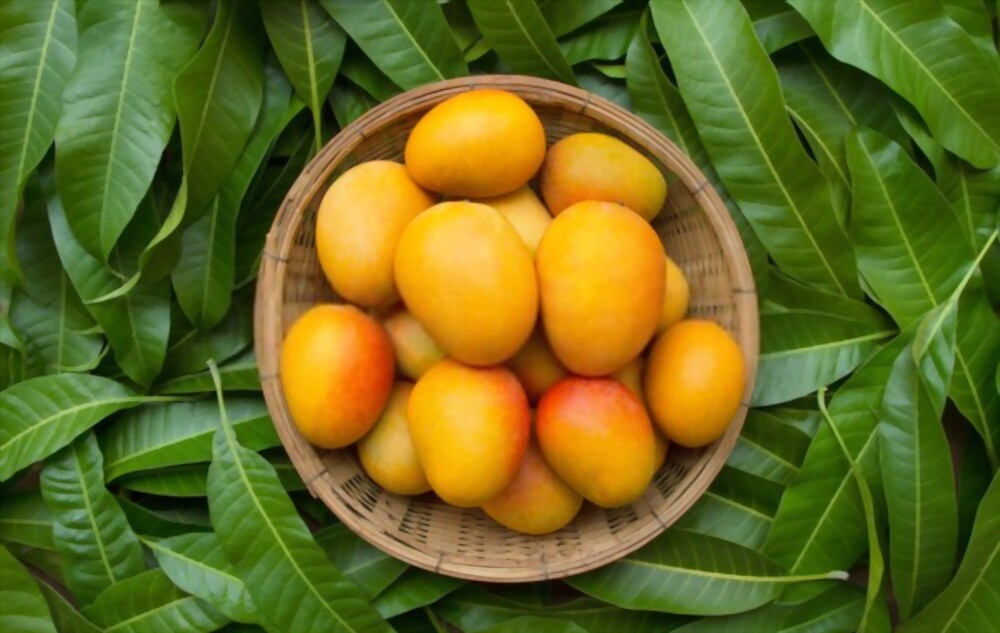
Is the mango originally from South America or south of North America?
The debate is still going on among the experts, but they are not getting into that bitterness. It’s probably because of the sweetness of the fruit.
But let’s not forget the tangy sour taste of mango. Why does the fruit have a wide variety of flavors? Are mangoes acidic?
Mangoes are slightly acidic, with a pH range between 3.40 to 6.00. The pH scale for green mangos is between 3.40 to 4.80. High malic acid in green mangoes makes them taste acidic and sour. Ripe mangos have pH values between 5.80 to 6.00 and are less acidic than green mangos.
Mangos are not all about taste. They are packed with nutritional values and greatness. Let me guide you to explore them.
Mangoes – Acidic, Alkaline, or Neutral?
Let’s recall Chemistry 101 from college.
We use a pH scale while measuring acidity. The scale ranges from 0 to 14, and the values tell us about the acidity.
| pH value | Acidic or basic status |
| 0 – 6.99 | Acidic |
| 7 | Neutral (like water) |
| 7.1 – 14 | Alkaline/Basic |
So, what do you think about mango when you know its pH value ranges from 3.40 to 6.00? Is mango alkaline or acidic?
Of course, it’s acidic as the values are less than 7.
pH of Mangoes and Mango Juice
You already know the pH level of mango. But what about the pH value of mango juice? Are they the same or different? The answer will surprise you for sure.
pH of mango
Mango may not be among the non acidic fruits. But their acidic values are lesser than other acidic fruits like lemon, cherries, or cranberries.
| Mango Varieties | pH level of mango |
| Green Mango | 3.40 – 4.80 |
| Ripe Mango | 5.80 – 6.00 |
| Ataulfo | 4.00 – 4.20 |
| Keit | 3.80 – 4.10 |
| Haden | 4.50 – 4.80 |
| Kent | 4.30 – 4.50 |
| Tommy Atkins | 3.70 – 3.90 |
| Francis | 4.00 – 4.10 |
Green mangos are less acidic than ripe mangos. But you must be surprised why you get the sour taste in green, not in the ripe mango. It’s the oxidation of malic acid that makes the difference in taste.
pH of mango juice
Is mango juice acidic? Let me explain the context of this question first.
Most fruit acidity charts talk about the pH range of mango fruit but not the juice. You will also find some articles saying fruit and juice are almost the same and have the same pH.

But it’s not right. Mango juices are slightly less acidic than fruits due to malic and gallic acid oxidation. In fact, mango juices are almost neutral, with a pH value between 6.86 to 6.96.
Also Read:
Are Apples Acidic? Apples for Acid Reflux [Good or Bad]
Is Mango Good for Acid Reflux and Heartburn?
What do you do when you have acid reflux or GERD? You simply take medication that contains alkaline substances. These alkalis neutralize the acid in your stomach and stop heartburn.
If you had chemistry in college, you already know we are talking about neutralization. But where does mango come from? How are mangos and acid reflux related?
If you take ripe mango while having heartburn, the almost alkaline pH of the fruit will partially neutralize the stomach acid. It may not be as effective as an antacid, but you will feel much better.
In fact, mangoes are among those few antacid fruits that even the doctors recommend for soothing GERD symptoms. The fruits include:
- Mango
- Apple
- Banana
- Melons
- Pears
So, what do you think? Is mango good for gastric problems? Of course, it is good.
As long as you keep the consumption under control, they are great for keeping acid reflux on the bay.
Is Mango Bad For Acid Reflux?
As mango is good for acid reflux, it’s obvious mango is not bad for acid reflux. However, there is a catch.
If you consume too much mango, the malic and gallic acid, as well as the ascorbic acid, will trigger acid reflux. The situation can become grave in the case of green mango.
Green mangos are tangy and sour due to the higher concentration of natural acids. If you are a big fan of that sour taste or Indian tangy dishes with mango, bothered with GERD will be obvious.
Is mango juice acidic?
The oxidation process reduces the acid strength when you make mango juice from the pulp. You will see a gradual change in mango juice’s pH values ranging from 6.86 to 6.96.
The value is almost neutral. So, no matter how sweet or sour the juice tastes, you won’t find that acidic flavor.
You can conclude that the mango acidity level is 15 to 20% higher than the mango juice.
Are ripe mangoes acidic?
Yes, ripe mangos are acidic but almost 30% less acidic than their green counterparts. Ripe mango’s pH level varies from 5.80 – 6.00. The value is pretty close to neutral.
That’s why you typically taste only sweetness while eating a ripe mango. If you go for green mango, you will find them more acidic and tangy than the ripe ones.
Are dried mangoes acidic?
Dried mangos are equally acidic as the fruit. Dried mangos are not an option if you are looking for acidic fruits to avoid. Their acidity ranges from pH 3.40 to 6.00.
The drying up process only reduces the moisture content. So, it will make the taste more intense but won’t impact the acidity level.
Does raw mango cause acidity?
Raw or green mango can cause acidity if you already have gut issues like GERD or ulcers. The tartaric acid and trace of citric acid in green mangoes are responsible for any acid reflux.
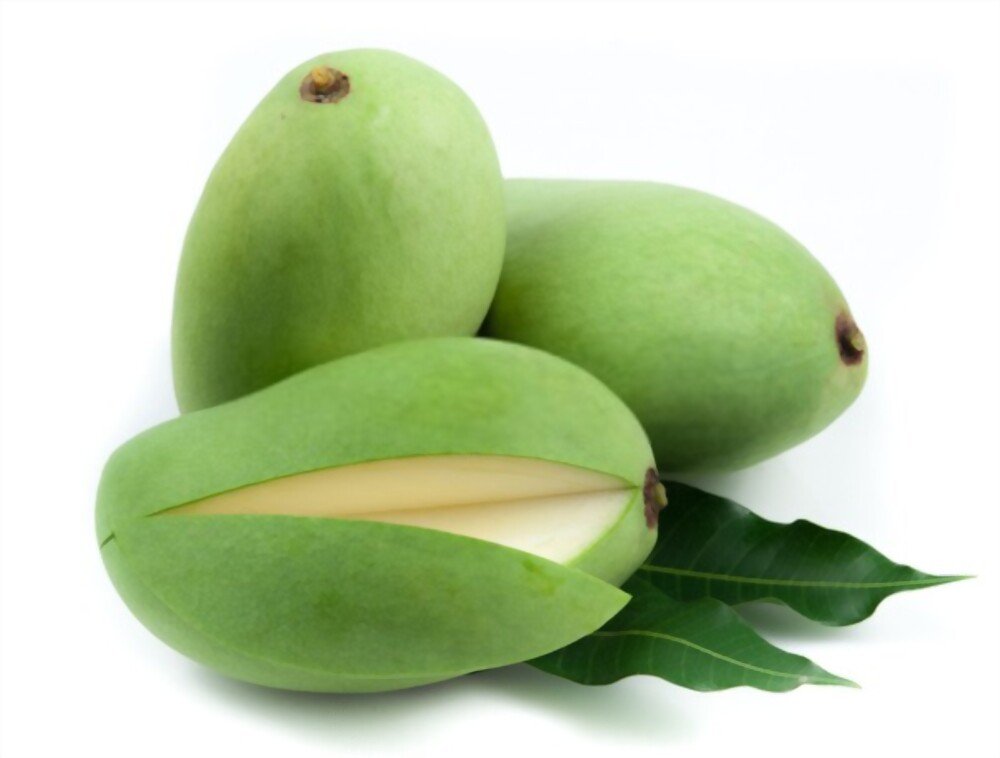
You can minimize the impact of green mango on acid reflux by limiting the consumption to one at a time. And drinking water after eating green mango can also make things less acidic.
Also Read:
Are Strawberries Acidic? Do They Cause Acid Reflux?
Health benefits of Mangoes
No matter the taste, mango comes with a pact full of benefits. From being rich in nutrition to soothing eye problems, mango’s health benefits are diverse and compelling.
High in Nutrition
Nutritional values of one cup mango
- Calories: 99
- Fiber: 2.6 grams
- Carbs: 24.7 grams
- Sugar: 22.5 grams
- Protein: 1.4 grams
- Fat: 0.6 grams
- Vitamin A: 10% of the DV
- Vitamin B6: 12% of the DV
- Vitamin C: 67% of the Daily Value (DV)
- Vitamin E: 10% of the DV
- Vitamin K: 6% of the DV
- Potassium: 6% of the DV
- Magnesium: 4% of the DV
- Copper: 20% of the DV
- Folate: 18% of the DV
- Niacin: 7% of the DV
- Riboflavin: 5% of the DV
- Thiamine: 4% of the DV
Keep Blood Sugar Low
The low-calorie fruits help in keeping your blood sugar low. The sugar content is comfortable to digest for diabetic patients. Moreover, the fruit contains carotenoids and Vitamin C, which help to prevent diabetics.
Immune Booster
Mangos offer 10% of the daily value of immune-boosting Vitamin A, copper, Vitamin B6, folate, and Vitamin E. All of these put your immune system on the go and keep your skin healthy.
Good for Heart
You will find an adequate amount of mangiferin, a super antioxidant for a healthy heart, in mango. Besides, potassium and magnesium keep blood flow smooth and blood pressure under control.
Great for Eyesight
Antioxidants like lutein and zeaxanthin act as natural sunblock for the retina to safeguard it from high sunlight. Mangos are full of lutein, zeaxanthin, and Vitamin A that keep your eyes happy. Mango acidity level also activates these antioxidants faster.
FAQs
Are mangoes acidic or alkaline?
Mangoes are acidic as their pH level ranges from 3.40 to 6.00. Green mangoes are more acidic than ripe mangoes. Mango juices are very close to being neutral on the acidity scale. Dried mangoes do not differ in pH value from raw fruit.
Can I eat mango with acid reflux?
You can eat mango with acid reflux. However, keep an eye on the consumption and the type of mango you are eating. Green mangoes may trigger acid reflux if you take them in excess amounts.
Is there any acid in mango?
Yes, there are three major types of acid in mango. They are malic acid, tartaric acid, and traces of citric acid in mango. The concentration of acids may vary based on the species and ripening status.
Is mango good in acid reflux?
Mangoes are good for acid reflux if you keep the consumption under control. However, if you are worried about whether mangoes are acidic for babies, my answer will be it depends on the age. The acid concentration is too high for infants. However, they are suitable for toddlers.
Bottom Line
I am sure you already have the answer to “are mangoes acidic fruit.” Well, they are acidic, but different mangoes have different pH levels.
Green mango is more acidic than ripe mango. And you have to be extra cautious while consuming the green one with any gastric issues. Otherwise, both the variations are significant for your overall health.
So, next time someone asks you, “are mangoes acidic” you can simply answer it depending on your taste and preferences.
Related Posts



Subscribe for New Racipies
Get mental health tips, updates, and resources delivered to your inbox.
Pumpkin Spice Crepes with a Cinnamon Mascarpone Filling



Just when you thought I was done with pumpkin recipes, I have come up with one more. The Pumpkin Spice Crepes were great just as is, but I always like to embellish, so I decided to fill them. I loved the Cinnamon Mascarpone Frosting I used for my Churro Cupcakes, and usually eat it by the spoon full, because it is so light and only a tad bit sweet. I knew it would make a great filling. The cinnamon worked well with the pumpkin in the crepes and the maple syrup I poured over them.

These are great for breakfast, dessert, or just a mid-afternoon snack. They are not heavy, they won’t weigh you down, and they won’t make you feel guilty for eating them.

Mmm….just look at those beautiful specks of pumpkin spice. I have fallen in love with pumpkin spice this year. I can’t get enough of it. I may have to start buying it by the pound. Those little containers don’t last very long.

Does anyone else feel this way or is it just me?

Pumpkin Spice Crepes with a Cinnamon Mascarpone Filling
by The Sweet Chick
Prep Time: 20 minutes
Cook Time: 15 minutes
Keywords: skillet pumpkin cinnamon mascarpone cheese crepe
Ingredients (10 crepes)
For the crepes
- 1 1/2 cups milk
- 1 cup all purpose flour
- 1 egg
- 1 teaspoon vegetable oil
- 1/4 teaspoon baking powder
- 2 teaspoons pure vanilla extract
- 1 1/2 teaspoons pumpkin pie spice
- 1/2 cup pumpkin puree
- 1/4 cup water
For the filling
- 1 cup heavy cream
- 8 ounces mascarpone cheese, room temperature
- 1/2 cup confectioners’ sugar, sifted
- 1/4 teaspoon cinnamon
Instructions
For the crepes
In a blender or with hand mixer, combine all ingredients. Blend until smooth. Batter should be very thin. If batter is too thick, add a little more water, one tablespoon at a time.
Heat a nonstick skillet with flared sides over medium-high heat. Remove from heat.
Pour 1/4 cup batter into skillet; lift and tilt the skillet to spread batter evenly across bottom of skillet. Return to heat. Cook about 1 minute or until light brown.
Flip crepe with a spatula and cook the other side for about 30 seconds. Remove from pan and place on a warm plate and cover to keep warm.
Repeat with remaining batter.
For the filling
With an electric mixer on medium speed, whisk heavy cream until stiff peaks form (be careful not to overbeat, or cream will be grainy).
In another bowl, mix together mascarpone, cinnamon and confectioners’ sugar until smooth. Gently fold whipped cream into mascarpone mixture until completely incorporated. Use immediately.
Fill each crepe with about 1/4 cup or so of filling. Roll up the crepes and drizzle with maple syrup or dulce de leche.
Related Posts





Subscribe for New Racipies
Get mental health tips, updates, and resources delivered to your inbox.