
Savory Citrus Delight – Raw Trout Ceviche

Medically reviewed by Christiana George Updated Date: January 4, 2026
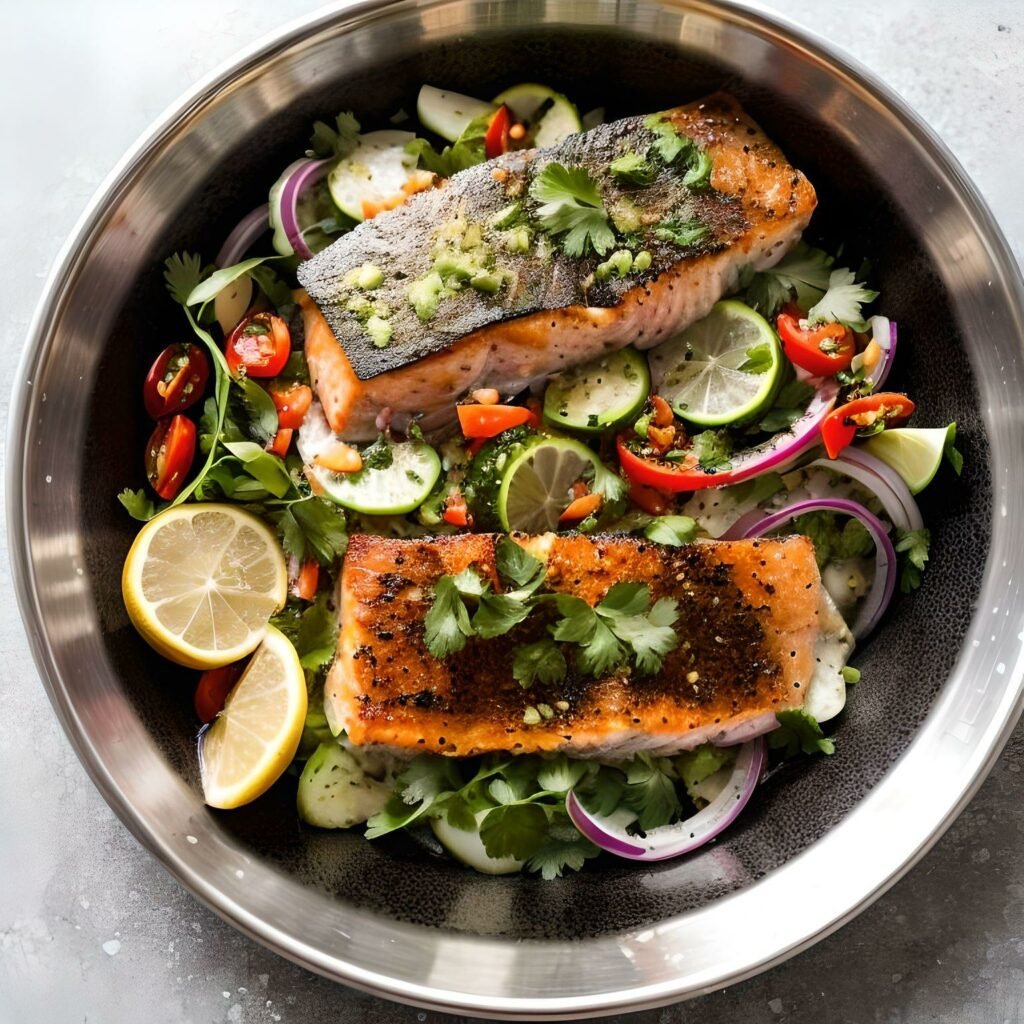
Get ready to tantalize your taste buds with a dish that’s like a zesty fiesta for your mouth! We’re about to embark on a flavor-packed adventure with our Savory Citrus Delight – Raw Trout Ceviche.
Imagine tender trout infused with the vibrant essence of citrus, a burst of freshness in every bite. It’s a culinary escapade where you’ll play the role of a taste explorer, navigating through the tangy twists and turns of this recipe.
So, grab your chef’s hat and a dash of excitement because we’re diving headfirst into the world of raw trout transformed into a lively and refreshing sensation!
| Name | Raw Trout Recipe |
| Cuisine | Latin American |
| Prep | 20 |
| Cook | 0 |
| Total | 20 |
| Yields | 4 |
Ingredients
- 1 pound fresh trout fillets, boneless and skinless
- 4 limes, juiced
- 2 lemons, juiced
- 1 orange, juiced
- 1 red onion, finely diced
- 2 tomatoes, diced
- 1 cucumber, peeled and diced
- 1 jalapeño pepper, seeded and minced (adjust to your spice preference)
- 1/2 cup fresh cilantro, chopped
- Salt and freshly ground black pepper, to taste
- Tortilla chips or lettuce leaves for serving
Instructions
- Prepare the Trout: Start by dicing the fresh trout fillets into small, bite-sized pieces. Place them in a large glass or stainless steel bowl.
- Citrus Bath: Squeeze the juice of limes, lemons, and orange over the diced trout. Ensure the trout pieces are fully immersed in the citrus juice. This is where the magic happens! The acid from the citrus juices will “cook” the trout, giving it a tender and flavorful texture.
- Mix and Chill: Gently stir the trout in the citrus juice to ensure all pieces are coated. Cover the bowl and refrigerate for about 15 minutes. The trout will turn a beautiful opaque color as it marinates in the citrus bath.
- Veggie Medley: While the trout is “cooking” in the citrus, finely dice the red onion, tomatoes, cucumber, and jalapeño pepper. You can adjust the amount of jalapeño to your preferred level of spiciness. For those who like it hot, leave in some seeds!
- Fresh Cilantro Kick: Chop up the fresh cilantro. Cilantro adds a burst of freshness and a lovely herbaceous note to the ceviche.
- Combine and Season: After the trout has marinated for about 15 minutes, remove it from the fridge. Drain off most of the excess citrus juice, leaving a bit for flavor. Add the diced vegetables and cilantro to the bowl with the trout. Gently mix everything together to create a colorful and flavorful ceviche.
- Season to Taste: Taste your creation and add a pinch of salt and a crack of black pepper to enhance the flavors. Remember that a little goes a long way, so start with a small amount and adjust as needed.
- Serve with Style: Time to plate up! You can serve your raw trout ceviche in a variety of ways. Try it with tortilla chips for that delightful crunch, or go lighter by wrapping spoonfuls of ceviche in fresh lettuce leaves for a low-carb option.

Enjoy: There you have it – a zesty, fresh, and utterly delicious raw trout ceviche that’s perfect for a light meal, appetizer, or party snack. The citrusy tang combined with the tender trout and colorful veggies will make your taste buds dance with delight. Share with friends, and watch it disappear!
Feel free to get creative with this recipe by adding your favorite ingredients or a hint of your favorite hot sauce for an extra kick. Whether you’re serving it at a gathering or simply enjoying it at home, this raw trout ceviche is sure to be a hit. Bon appétit!
5 Simple Raw Trout Recipes
Discover the elegance of raw trout with these 5 simple recipes. From zesty tartare to spicy sashimi, these dishes showcase the fresh flavors of this delicate fish.
1. Fresh Trout Tartare

Prep: 15 mins
Combine diced trout, capers, red onion, and fresh dill. Drizzle with olive oil and lemon juice. Serve with toasted baguette slices.
2. Trout Poke Bowl

Prep: 20 mins
Toss trout cubes with soy sauce, sesame oil, and green onions. Serve over rice or mixed greens, garnished with avocado, cucumber, and sesame seeds.
3. Zesty Trout Carpaccio

Prep: 10 mins
Thinly slice trout fillets and arrange on a plate. Drizzle with olive oil, lemon juice, and sprinkle with sea salt and fresh cracked pepper. Top with arugula and shaved Parmesan.
4. Trout Sashimi with Wasabi Mayo

Prep: 15 mins
Slice trout into thin sashimi-style pieces. Mix mayonnaise with wasabi paste for a spicy dip. Serve with pickled ginger and soy sauce.
5. Citrusy Trout Ceviche Tacos

Prep: 25 mins
Follow the basic ceviche recipe. Spoon it into soft tortillas, top with sliced avocado, and drizzle with a creamy lime-cilantro dressing.
These recipes offer a variety of flavors and textures to enjoy the delicate taste of raw trout. Feel free to adjust ingredients to your taste and get creative with your presentation. Bon appétit!
Related Posts






Subscribe for New Racipies
Get mental health tips, updates, and resources delivered to your inbox.
Is It Okay to Take a Jello Shot? Here are Some Surprising Facts

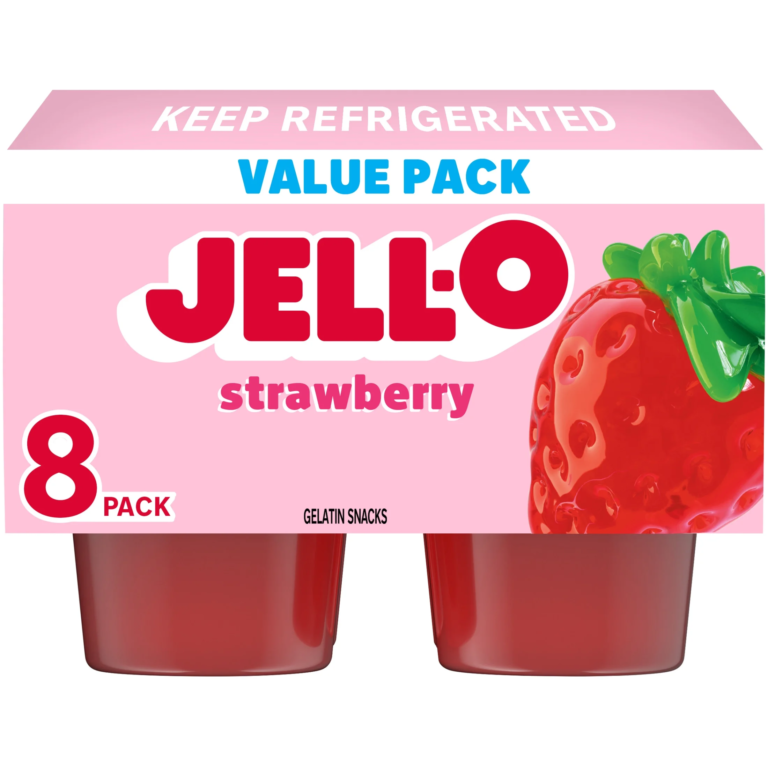
We love jello because it is fun and delicious. Besides, it is also versatile for different types of recipes. But it is most popular as a school lunch item and a hospital treat.
People hardly think that jiggly food can be unhealthy in any way. Yet, if you want to eat it, you should ask yourself: “Is jello healthy to eat, especially on a daily basis?”
Though jello is low in calories, it isn’t very healthy. Besides being low in essential nutrients like protein, fat, vitamins, and minerals, it also contains artificial flavors, colorings, and sweeteners. While you won’t gain weight from eating jello alone, regular consumption can lead to several health issues.
As a dessert, you can enjoy jello occasionally, but it’s not advisable to eat it regularly. In this article, we’ll explore the components of jello, its ingredients, potential benefits and drawbacks, and appropriate consumption.
Is Jello Healthy?
You might think that no fat, few carbs, and some protein make jello a healthy dessert. However, jello is largely devoid of nutritional value, even though it is low in calories.
Its primary content is sugar, which in excess is harmful. Despite its various health benefits and lightweight texture, jello isn’t a healthy snack and should not be consumed regularly.
Sugar-free jello can be a better option than regular jello, but it should still be consumed in moderation. For a healthier snack, you can try the sugar-free version.
Jello made from agar, a great vegan option, offers better qualities and nutritional benefits.
Jello: Properties and Nutritional Components
Jello isn’t a natural food but is made from gelatin, a protein derived from animal bones, skin, and cartilage, mostly from cows. Collagen is extracted from these sources to produce gelatin.
This gelatin transforms into the translucent, flavorless food we love when it is flavored, colored, and sweetened for use in desserts.
Apart from being low in calories, jello is also free of fat, fiber, and vitamins. However, it does contain some carbs, proteins, and a significant amount of sugar.
Since gelatin comes from a protein-rich source, it is often perceived as nutritious. This perception explains why jello is commonly served in school lunches and hospitals.
Nutritional Composition of Jello
| Nutritients of Jello | Composition |
| Carbohydrate | 19g |
| Fat | 0g |
| Protein | 1.6g |
| Sugar | 18g |
| Fiber | 0g |
| Sodium | 101mg |
| Calorie. | 84. |
What is Gelatin Made Of?
Gelatin comes from collagen, which makes up parts of the body like tendons, bones, and skin. The process involves boiling, drying, and treating these materials with an acid or base to extract collagen, which is then dried and made into powder.
This powdered gelatin is dissolved in boiling water to make jello. During cooking, the collagen transforms into a semi-solid state, giving jello its gel-like texture.
Since gelatin is animal-derived, many people opt for jello made from agar, a plant-based alternative, making it vegan-friendly.
Gelatin vs. Agar Agar
| Parameter | Gelatin | Agar Agar |
|---|---|---|
| Amount for Jello | 8 teaspoons per serving | 1 teaspoon per serving |
| Texture Outcome | Thinner texture | Thicker density |
| Usage | Softer foods like mousse and panna cotta | Both desserts and savory dishes like soup |
| Origin | Animal-derived from bones, tissues, or skin | Plant-derived from seaweeds |
| Setting Time | Easier to set by mixing in warm water | Longer setting time by boiling with water |
Health Benefits of Jello
1. Aids in Weight Loss
Jello is lightweight and fat-free. The carbs and proteins can make you feel full if consumed in sufficient quantities, and it is very low in calories, helping you eat less and build less fat.
2. Offers Hydration
Collagen, essential for skin health, is abundant in jello. The protein and amino acids help maintain skin hydration, making it more elastic and preventing wrinkles.
3. Maintains Gut Health
The amino acids from collagen in jello protect the intestinal lining, preventing damage and inflammation. Even without fiber, jello can promote normal bowel movements and good digestion.
4. Controls Blood Sugar
Gelatin in jello contains the amino acid glycine, which helps regulate blood sugar levels and prevent spikes. Glycine supplements are also used to manage diabetes.
5. Strengthens Bones and Joints
Collagen helps keep bones and joints in good shape by increasing cartilage density, strengthening connective tissues, and preventing joint damage.
6. Source of Good Protein
Jello contains beneficial amino acids from gelatin, which improve health in various ways. Despite being low in overall protein, the protein it does contain is of high quality.
Is Jello Healthy for Weight Loss?
While jello is low in calories and fat-free, it isn’t ideal for weight loss due to its lack of nutritional value. You can try sugar-free jello as a weight loss aid, but the benefits will be minimal.
For effective weight loss, include foods in your diet that are low in fat, carbs, and calories but rich in vitamins, minerals, and other nutrients.
Disadvantages of Jello
1. Bloating and Heartburn
For individuals with GERD, jello can cause acidity, leading to bloating and discomfort. In severe cases, it might result in heartburn.
2. Allergic Reactions
Jello contains artificial colorings and flavors that can cause allergies in some people, depending on their tolerance to these additives.
3. Excess Sugar Intake
Regular jello has a high sugar content, which can imbalance blood sugar levels if consumed frequently.
4. Risks of Critical Diseases
Artificial additives in jello can increase the risk of severe diseases such as cancer, heart problems, fatty liver, obesity, and diabetes due to excess sugar intake.
Is Sugar-Free Jello Good for You?
Sugar-free jello is a healthier alternative to regular jello, especially for those looking to reduce sugar intake or manage weight. However, it still lacks significant nutritional content and should be consumed in moderation to avoid adverse effects.
FAQs
Why do hospitals serve jello as a treat?
Jello contains gelatin, which can contribute to good health by providing collagen, strengthening connective tissues, and offering various amino acids. Gelatin also helps remove toxins from the liver, making it beneficial in hospital settings.
What happens if you eat too much jello?
Overconsumption of jello can lead to sugar build-up and increase the risk of chronic diseases such as diabetes, cardiovascular diseases, and liver problems. Jello should be consumed in moderation.
Is jello good for your brain?
The amino acid glycine in jello can enhance brain function by improving memory and focus. It also helps treat mental health conditions and improves mood.
Conclusion
So, is jello healthy? While jello isn’t inherently harmful and offers some advantages, it also has drawbacks. It’s best consumed occasionally, with sugar-free or vegan versions as healthier alternatives for more frequent intake.
Always consider the potential health effects of additives and sugar content, and enjoy jello in moderation as part of a balanced diet.
Related Posts






Subscribe for New Racipies
Get mental health tips, updates, and resources delivered to your inbox.