
Are Carrot Sticks Acidic? Everything You Need to Know

Medically reviewed by Aneeza Pervez Updated Date: January 2, 2026
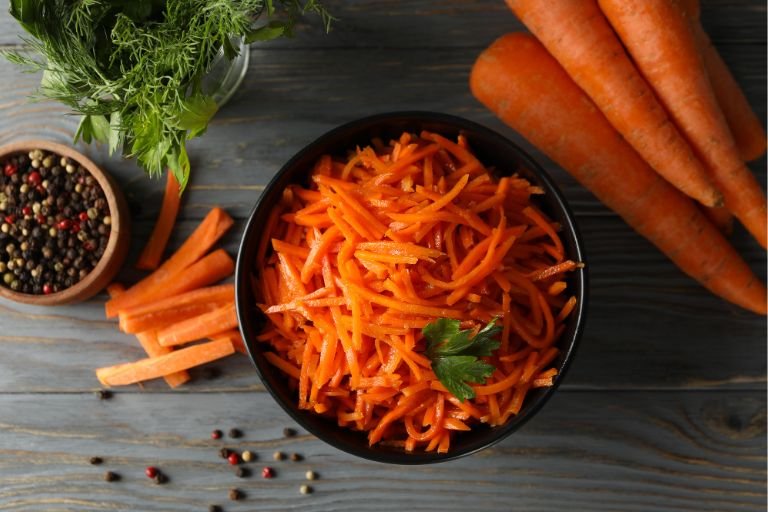
Carrot sticks are a popular, healthy snack option for people of all ages. They are naturally sweet, crunchy, and packed with nutrients, making them a great addition to a balanced diet. But if you suffer from acid reflux or GERD (gastroesophageal reflux disease), you might wonder: Are carrot sticks acidic? Can they trigger reflux symptoms?
In this article, we’ll dive deep into the acidity of carrot sticks, their effect on acid reflux, and whether they can be safely enjoyed by those with sensitive stomachs. We’ll also explore their nutritional benefits and provide tips for making them an integral part of a reflux-friendly diet.
Are Carrot Sticks Acidic or Alkaline?
1. The pH Level of Carrots
Carrots, including carrot sticks, are slightly acidic, with a pH level of around 5.8 to 6.3. This places them on the mild end of the acidic spectrum, making them far less acidic than foods like citrus fruits, tomatoes, or coffee.
2. Are Carrots Safe for Acid Reflux?
Despite their mild acidity, carrot sticks are generally considered safe for individuals with acid reflux. They are low in fat, high in fiber, and packed with vitamins, all of which promote healthy digestion and reduce reflux triggers.
3. Alkalizing Effect of Carrots
Interestingly, while carrots are slightly acidic in their raw form, they have an alkalizing effect on the body when digested. This means they can help neutralize excess stomach acid, making them a suitable choice for reflux sufferers.
Why Carrot Sticks Are Beneficial for Acid Reflux?
Carrot sticks are not just a convenient snack; research suggest that they also provide several benefits for individuals managing acid reflux:
1. High in Dietary Fiber
Carrots are rich in both soluble and insoluble fiber, which aids in digestion and prevents constipation. Good digestion reduces the risk of bloating and pressure on the lower esophageal sphincter (LES), which can trigger acid reflux.
2. Naturally Low in Fat
High-fat foods are a common trigger for acid reflux because they relax the LES. Carrot sticks, on the other hand, are naturally low in fat, making them a reflux-friendly snack.
3. Packed with Nutrients
Carrots are a powerhouse of essential vitamins and minerals, including:
- Vitamin A: Supports the healing of esophageal tissue irritated by stomach acid.
- Vitamin C: Strengthens the immune system and helps repair damaged tissues.
- Potassium: Helps balance stomach acid levels.
4. Anti-Inflammatory Properties
Carrots contain antioxidants like beta-carotene and lutein, which reduce inflammation in the digestive tract and promote overall gut health.
5. Crunchy, Filling Snack
Carrot sticks are a great alternative to processed snacks. Their natural crunchiness satisfies hunger without the risk of triggering reflux symptoms.
Related to Read: Are Carrots Good for You?
How Carrot Sticks May Affect Acid Reflux?
While carrot sticks are generally safe, there are certain scenarios where they might contribute to discomfort:
1. Overeating Carrot Sticks
Consuming large quantities of carrot sticks in one sitting can lead to bloating or gas, which may put pressure on the LES and trigger acid reflux symptoms.
2. Eating Carrot Sticks Too Quickly
Eating too quickly or not chewing thoroughly can hinder digestion and increase the likelihood of bloating, which can worsen reflux.
3. Pairing Carrots with Trigger Foods
Dipping carrot sticks in acidic or high-fat dips like spicy hummus, ranch dressing, or vinegar-based sauces can negate their reflux-friendly nature.
Tips for Including Carrot Sticks in a Reflux-Friendly Diet
Carrot sticks can be a satisfying and safe snack for those with acid reflux when consumed mindfully. Here’s how to enjoy them without triggering symptoms:
1. Eat in Moderation
Stick to a reasonable portion size to avoid overeating and potential bloating. A serving of about 1 cup (around 12-15 carrot sticks) is ideal.
2. Chew Thoroughly
Take your time to chew carrot sticks properly. This not only aids digestion but also helps prevent overeating.
3. Choose Reflux-Friendly Dips
Pair carrot sticks with dips that are low in acidity and fat, such as:
- Plain Greek yogurt
- Mashed avocado with a pinch of salt
- Mild, reflux-friendly hummus
4. Avoid Eating Late at Night
Consuming carrot sticks or any snack close to bedtime can increase the likelihood of nighttime reflux. Aim to finish eating at least 2-3 hours before lying down.
Creative Ways to Incorporate Carrots in a Reflux-Friendly Diet
Carrots aren’t just for snacking! Here are some ways to include them in your diet while managing acid reflux:
1. Carrot Soup
A smooth, creamy carrot soup made with low-acid broth and gentle seasonings can be a soothing meal.
2. Steamed Carrots
Steamed carrots are easier to digest than raw ones and can be a comforting side dish for reflux sufferers.
3. Carrot and Cucumber Salad
Combine carrot sticks with cucumber slices for a refreshing, low-acid salad. Add a light drizzle of olive oil for flavor.
4. Blended Carrot Smoothie
Blend carrots with bananas and almond milk for a naturally sweet and reflux-safe smoothie. Avoid acidic fruits like oranges or pineapples.
Recipes: Honey Carrot Oatmeal Raisin Cookies
Carrot and Zucchini Cupcakes w/ Maple Cream Cheese Frosting
Health Benefits of Carrot Sticks Beyond Acid Reflux
Carrot sticks offer a range of health benefits, making them a fantastic snack for overall well-being:
1. Boosts Eye Health
The beta-carotene in carrots converts to vitamin A, which supports good vision and reduces the risk of age-related eye conditions.
2. Supports Heart Health
Carrots are rich in potassium, which helps regulate blood pressure and supports cardiovascular health.
3. Promotes Healthy Skin
The antioxidants in carrots protect the skin from damage caused by free radicals, keeping it youthful and glowing.
4. Aids in Weight Management
Carrot sticks are low in calories and high in fiber, making them a satisfying snack that helps curb hunger and supports weight loss.
Author Tip: Are Carrots Acidic?
FAQs
1. Are carrot sticks acidic?
Carrot sticks are slightly acidic, with a pH level of around 5.8 to 6.3. However, their mild acidity is generally well-tolerated by individuals with acid reflux.
2. Can carrot sticks trigger acid reflux?
Carrot sticks are unlikely to trigger acid reflux when consumed in moderation and paired with reflux-friendly ingredients.
3. Are cooked carrots better than raw carrots for acid reflux?
Cooked carrots are often easier to digest than raw carrots and may be better tolerated by individuals with sensitive stomachs.
4. What are the best dips for carrot sticks if I have acid reflux?
Reflux-friendly dips include plain yogurt, avocado mash, or mild hummus. Avoid acidic or spicy dips like hot sauce or salsa.
5. Can I eat carrot sticks every day?
Yes, carrot sticks can be safely consumed daily as part of a balanced diet. Just ensure you eat them in moderation and chew thoroughly.
Conclusion
Carrot sticks are a mildly acidic yet highly nutritious snack that can be safely enjoyed by most individuals with acid reflux. Their high fiber content, low fat levels, and rich nutrient profile make them an excellent choice for promoting digestive health and reducing reflux symptoms.
To ensure a comfortable experience, consume carrot sticks in moderation, chew them thoroughly, and pair them with reflux-friendly dips. Whether as a snack or part of a meal, carrot sticks can be a delicious and healthy addition to your diet, even if you’re managing acid reflux.
If you’re looking for more tips on acid reflux-friendly foods, explore our other articles to create a diet that supports both your health and taste buds!
Related Posts



Subscribe for New Racipies
Get mental health tips, updates, and resources delivered to your inbox.
Split Pea Soup, Round And Whole And Filling

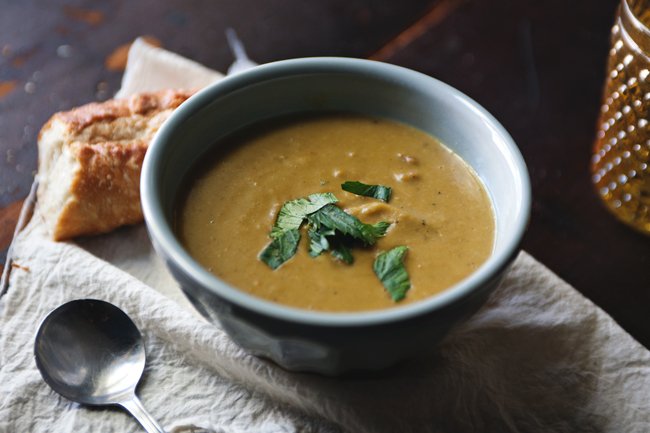
Chris and I split a can of clam chowder the other day. You know, the readymade stuff. I’d forgotten how convenient it was to prepare. You just slap it into a pot and let it come to a boil, and then it’s ready. I’d also forgotten how much I liked it. I hope you’re not shaking your head, shuddering at all the preservatives and chemicals we consumed. Seriously, when you’re in the need for a quick soup fix, canned clam chowder always hits the spot.
And with that, soup season officially began.
After the clam chowder, I immediately found myself craving split pea soup, which I didn’t realize involved tossing a part of a pig into a pot to simmer alongside green split peas and other ingredients. There’s something elusively tantalizing about the smell of smoked meat—it feels round. Round and whole and filling. I think it strikes an instinctual cord in me, the part that huddles as close to a fire as possible until the flames practically lick my hands. No, maybe not that close. I’m a tiny bit afraid of fire.

This soup is a mishmash of legume and vegetables, too. You know what they do? They soften, and sort of melt. The immersion blender finishes the job. The result reminds me of baby food. Green pea puree or something along those lines. Soupy mush in that rare not-quite-yellow, not-quite-green color. Winsome description, I know. But the flavor! I’m not so sure a baby would be able to handle such a taste explosion; it would be too much to process.
I hope you make a huge pot of this soup on a chilly day. You might want to open a couple windows, you’ll be so warmed to the soul.

SPLIT PEA SOUP
Adapted from Bon Appétit
Serves 6
Ingredients:
2 Tbsp butter
1 medium onion
2 cloves garlic
1 cup chopped celery
1 cup chopped peeled carrots
1-1/2 lbs. smoked pork hocks
2 tsp dried marjoram
1 tsp dried oregano
2 cups green split peas
6 cups water
Directions:
Melt butter in heavy large pot or Dutch oven over medium-high heat. Add onion, garlic, celery, and carrots. Sauté until vegetables begin to soften, about 8 minutes. Add pork, marjoram, and oregano; stir 1 minute. Add peas, then water, and bring to boil.
Reduce heat to medium-low. Partially cover pot; simmer soup until pork and vegetables are tender peas are falling apart, stirring often, about 1 hour and 10 minutes.
When ready, remove hocks. Using an immersion blender or regular blender (being careful not to overfill it), puree the soup. Cut pork off bones, dice it, and return to soup. Season with salt and pepper.
Related Posts
Subscribe for New Racipies
Get mental health tips, updates, and resources delivered to your inbox.