
Ghost Caffeine Content: Full Breakdown of Ingredients, Safety, and Comparisons

Medically reviewed by Dr. Aris Thorne Updated Date: May 14, 2026
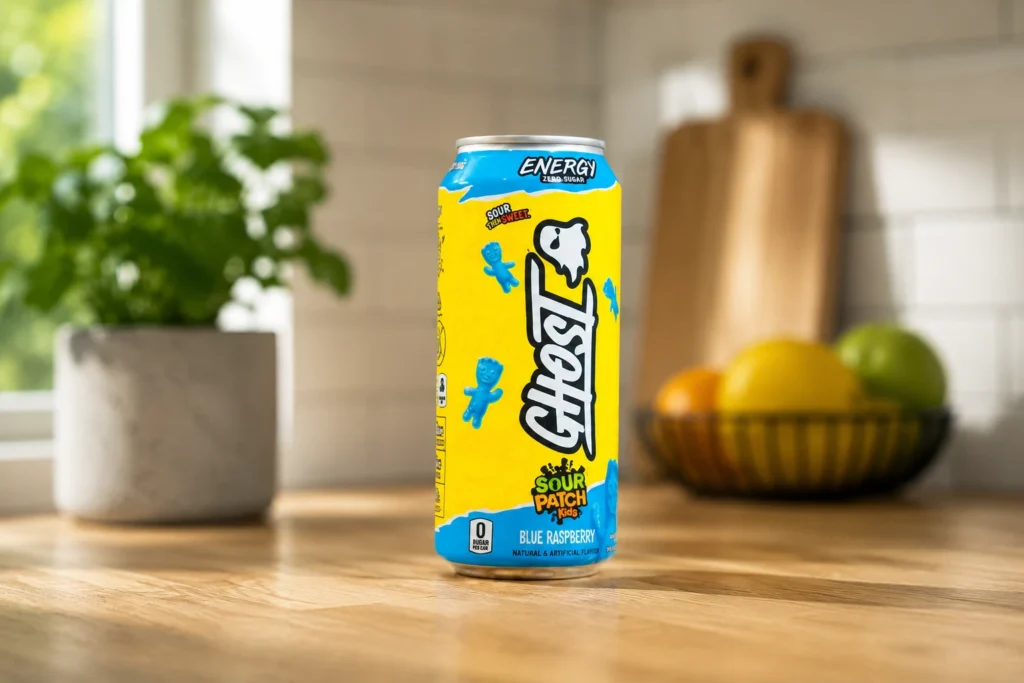
I get a lot of questions about trendy performance beverages—especially Ghost caffeine content. These brightly branded energy drinks are everywhere right now, and many people assume that because they’re zero sugar, they’re automatically a healthier option.
Recently, a reader reached out after dealing with afternoon anxiety, trouble sleeping, and constant restlessness. After reviewing their daily habits, we discovered their favorite Ghost energy drink was contributing far more caffeine than they realized.
For personalized tracking, try our caffeine calculator by weight and age to determine your optimal daily limit.
Many consumers focus on sugar content but completely overlook stimulant levels and other ingredients that may affect energy, sleep, and overall wellness. According to the FDA’s guidance on caffeine, understanding these distinctions is essential for safe consumption.
That doesn’t mean Ghost drinks are automatically “bad,” but understanding what you’re putting into your body matters—especially if you also drink coffee, pre-workout supplements, or soda throughout the day. If you’re curious about coffee’s digestive impact, explore whether coffee is acidic for additional context.
In this guide, I’ll break down Ghost caffeine content, review its ingredient profile, compare it to other energy drinks, and help you decide whether it fits your lifestyle.
TL;DR: Quick Overview
- A standard 16 oz can delivers roughly 200 mg of fast-acting synthetic stimulants.
- Rumors about a 1000 mg version are completely false and dangerous internet myths.
- The formulation remains completely sugar-free, utilizing artificial sweeteners for heavy flavoring.
- The blend includes unique cognitive ingredients like Neurofactor for enhanced mental focus.
- It packs a stronger punch than Monster but sits below extreme options like Bang.
Quick Comparison: Wondering how Ghost stacks up? Check our breakdowns of Bang energy drink caffeine and Reign caffeine content for side-by-side analysis.
Understanding Stimulant Levels in the Can
If you want a direct answer, the physiological numbers are quite clear. A standard 16 oz can reliably contains exactly 200 mg of active, synthetic stimulants. Consequently, this places it solidly in the upper-mid tier of the current performance beverage market.
To put this into perspective, you are drinking the equivalent of two very strong cups of coffee. Therefore, it requires much more respect than your standard afternoon soda or iced tea.
Furthermore, this specific concentration is intentionally engineered for intense gym sessions and deep mental focus. Research from the Mayo Clinic confirms that 200mg represents a significant single dose for most adults.
Concentration per 100 ml
Many international readers prefer to understand these measurements using the metric system. When we break down the formula, it delivers roughly 62 to 65 mg per 100 ml of liquid. Thus, even a few quick sips provide a noticeable surge to your cardiovascular system.
Debunking the 1000 mg Myth
Lately, a terrifying rumor has circulated widely across various social media platforms. Many worried parents ask me if this brand actually contains a lethal 1000 mg dose. Thankfully, I can definitively assure you that no such product exists on the commercial market.
This specific rumor is nothing more than an exaggerated, highly inaccurate internet myth. The standard formulation consistently remains safely capped at 200 mg per container. Therefore, while it is undeniably strong, it absolutely does not reach that mythical, fatal threshold.
The Centers for Disease Control and Prevention emphasizes that accurate labeling and consumer education are critical for preventing overconsumption.
Complete Ingredient Profile
Looking past the primary stimulant, the complete formulation reveals a highly complex chemical cocktail. First of all, the brand utilizes anhydrous caffeine, which is a highly refined, fast-absorbing powder. This specific synthetic version absorbs into your bloodstream much faster than natural, organic coffee bean extracts.
Additionally, you will find generous amounts of taurine prominently listed on the bright packaging. This naturally occurring amino acid theoretically supports neurological development and helps regulate mineral levels in your blood.
Furthermore, many fitness enthusiasts rely on taurine to combat intense muscular fatigue during heavy lifting sessions. Studies published in the Journal of the International Society of Sports Nutrition have examined taurine’s role in exercise performance.
Another crucial component is L-carnitine, which plays a massive role in basic cellular energy production. Biologically, this compound transports harmful fatty acids straight into your cells’ mitochondria to be burned for fuel. Consequently, it is a massive staple in the sports supplement industry for alleged fat-loss benefits.
Moreover, the brand heavily relies on Alpha-GPC to boost its specific cognitive enhancement claims. This unique chemical heavily increases the systemic release of acetylcholine, a vital neurotransmitter linked to memory and learning.
Therefore, weightlifters use it to maintain a deep, powerful mind-muscle connection during grueling workouts.
Finally, the entire formula utilizes artificial flavoring agents and preservatives to maintain a long shelf life. You will also see a massive blend of essential B vitamins designed to support baseline cellular metabolism.
Consequently, you are consuming a highly engineered, synthetic performance product rather than a simple daily refreshment.
The Role of Neurofactor in Cognitive Formulations

One of the most heavily marketed additions is a patented compound legally known as Neurofactor. Scientifically speaking, this is a highly concentrated extract derived directly from the whole coffee cherry fruit. Potential effects indicate it may significantly support profound cognitive alertness during highly stressful, demanding tasks.
More importantly, early clinical studies suggest it may dramatically increase your brain’s natural BDNF levels. Brain-derived neurotrophic factor is a vital signaling protein that actively supports the survival of existing neurons.
While the current evidence is somewhat limited, these early neurological findings remain incredibly promising for brain health. Independent research databases like Examine.com provide unbiased analysis of such proprietary ingredients.
Nutritional Facts and Macros
As a medical professional, I constantly urge patients to analyze the complete nutritional profile carefully. A standard serving routinely packs between zero and ten total calories, depending on the exact flavor. While this sounds perfect for weight loss, you must consider the artificial nature of these numbers.
Additionally, the formula boasts zero grams of total fat and zero grams of dietary carbohydrates. Marketed explicitly as a zero-sugar performance drink, it appeals heavily to the modern fitness demographic. However, the complete lack of real macronutrients means it provides absolutely zero sustained, biological fuel.
Sugar-Free Claims and Sweeteners
This brings us to a crucial clinical point regarding the brand’s incredibly sweet flavor profiles. Yes, the entire lineup remains completely sugar-free, which protects you from massive insulin spikes. Consequently, your pancreas does not have to work aggressively to manage a sudden rush of liquid glucose.
Instead, the brand exclusively uses highly potent artificial sweeteners like Sucralose and Ace-K. While technically calorie-free, these synthetic chemicals can seriously disrupt your natural, healthy gut microbiome over time.
Research from Harvard T.H. Chan School of Public Health highlights ongoing debates about long-term effects of non-nutritive sweeteners. Therefore, drinking them daily might silently cause hidden digestive issues despite the zero-sugar label.
Managing digestive sensitivity? If artificial sweeteners trigger discomfort, explore our guide on foods to avoid with GERD for symptom-relief strategies.
Potential Side Effects and Safety Concerns

Even without sugar, the massive stimulant load carries several very real cardiovascular risks. The most common immediate symptom is an uncomfortable feeling of jitteriness or physical shaking. Similarly, you might easily notice a suddenly increased or entirely irregular resting heart rate.
Furthermore, this massive chemical surge frequently triggers profound clinical anxiety in highly sensitive individuals. If you consume these cans late in the afternoon, severe sleep disruption is almost entirely guaranteed.
Risk heavily increases if you casually drink multiple cans or mix them with other caffeinated products. The Sleep Foundation confirms caffeine’s significant impact on sleep architecture and quality.
Specific Flavor Profiles: Sour Patch Edition
Many patients ask about the incredibly popular candy-collaboration flavors found in local stores. For example, the wildly successful Sour Patch Kids edition tastes exactly like liquid candy. However, it still packs the exact same powerful 200 mg dose as the standard base formula.
Therefore, you must never let the nostalgic, child-friendly packaging fool your better judgment. The brand uses a perfectly standardized base formula and simply swaps out the artificial flavoring agents. Consequently, every single candy flavor delivers that same intense cardiovascular hit to your nervous system.
Market Comparison: Evaluating Competitor Formulations
Understanding how this specific brand fits into the wider market helps you make smarter choices. The supplement aisle is completely flooded with extremely powerful, highly engineered performance beverages. Therefore, we must critically evaluate the numbers against the biggest industry giants currently available.
Evaluating Against Monster
First of all, let us look at the classic, iconic green Monster energy can. A standard 16 oz Monster contains roughly 160 mg of active, stimulating compounds. Ghost undeniably delivers a higher chemical dose, but it strongly focuses on advanced cognitive ingredients.
Furthermore, standard Monster heavily relies on massive amounts of real sugar for its energy delivery. For a deeper dive, see our analysis of Monster Zero Sugar caffeine.
C4 Pre-Workout Similarities
Another massive competitor in the specialized fitness space is the legendary C4 brand. When we critically compare these two, the stimulant levels are actually completely identical. Both massive companies engineer their 16 oz cans to hit that exact 200 mg benchmark.
Consequently, they cater to the exact same demographic of serious gym-goers and fitness enthusiasts. Learn more in our guide to how much caffeine is in a C4.
Bang High-Stimulant Range
If we move into the extreme performance tier, we encounter products like Bang. A standard Bang delivers a whopping 300 mg in the exact same physical volume. Therefore, Ghost is actually significantly weaker than the absolute strongest options on the commercial market. Compare the numbers in our Bang energy drink caffeine breakdown.
Reign Fitness Metrics
Similarly, Reign Total Body Fuel also strictly utilizes a massive 300 mg chemical formulation. Both Bang and Reign are designed for users with an incredibly high, almost dangerous biological tolerance.
By comparison, our 200 mg subject sits comfortably in the middle, offering strong energy without maximum extremity. Explore our Reign caffeine content guide for full details.
Looking for the strongest option? Our guide to energy drinks with the most caffeine ranks the top contenders by stimulant potency.
Cognitive Enhancements and Focus Claims
The brand heavily advertises its ability to provide intense, laser-like mental focus. Evidence-based sports science undeniably shows that these compounds improve short-term alertness and basic reaction times. Furthermore, the inclusion of Neurofactor may theoretically support deeper cognition during highly complex tasks.
However, you must realize that these neurological benefits are strictly short-term and highly dose-dependent. More is not always better when it comes to central nervous system manipulation and artificial stimulation.
Eventually, severe adrenal fatigue will completely cancel out any temporary, fleeting gains in mental clarity. The American Heart Association cautions against relying on stimulants for sustained cognitive performance.
High-Risk Populations Who Must Avoid Use
Certain vulnerable individuals absolutely must avoid these formulations for their own physical safety. First, pregnant or nursing individuals should never consume anywhere near 200 mg in one sitting. High stimulant doses can dangerously restrict vital, life-sustaining blood flow to a developing fetus.
The American College of Obstetricians and Gynecologists recommends limiting caffeine to 200mg daily during pregnancy.
Additionally, teenagers severely lack the neurological maturity to process this heavy chemical load safely. Furthermore, anyone with a pre-existing cardiovascular disease or severe clinical anxiety disorder must stay away.
Consuming these products can easily trigger a terrifying medical emergency for these highly vulnerable populations. Resources from the Anxiety and Depression Association of America provide guidance on managing caffeine-related anxiety.
Mechanism of Action
To truly understand the biological impact, we must look at the underlying neurological mechanisms. When you consume these beverages, the active molecules quickly block your brain’s natural adenosine receptors. Adenosine is the exact chemical that naturally tells your physical body it is time to rest.
By aggressively blocking these specific receptors, your brain artificially stays in a state of high alert. Simultaneously, this chemical blockade triggers a sudden release of dopamine and norepinephrine into your bloodstream.
This primal survival response forcefully raises your resting blood pressure and accelerates your breathing rate instantly. Research from the National Institutes of Health explores individual variations in caffeine metabolism and response.
FDA Safety Thresholds
As a public health specialist, I rely heavily on strict federal safety guidelines for my patients. The Food and Drug Administration states that up to 400 mg daily is generally safe. Therefore, one single can puts you exactly at 50% of your total daily allowance.
Consequently, you must aggressively restrict all other dietary stimulant sources for the rest of the day. Drinking a simple cup of coffee later will easily push you dangerously close to the limit.
Exceeding this physiological threshold routinely leads to severe chronic health complications over extended time. For personalized tracking, use our comprehensive caffeine calculator tool.
Frequently Asked Questions
How much caffeine is in Ghost energy drinks?
A standard 16-oz Ghost Energy can delivers exactly 200 mg caffeine. That’s a potent, fast-acting boost—designed for intense focus or workouts. Synthetic caffeine absorbs quickly. Track your total daily intake carefully. One can uses half the FDA’s 400 mg limit. Small awareness prevents jitters, anxiety, or sleep trouble. Your body deserves mindful fueling.
Is Ghost stronger than Monster?
Yes—Ghost packs 200 mg caffeine. A standard 16-oz Monster has about 160 mg. That’s 25% more stimulant power. Higher caffeine means higher risk for jitters or crashes. Know your tolerance before choosing. Read labels, not just marketing. Your nervous system responds to milligrams—not flavors or logos. Choose wisely.
Does Ghost Energy have sugar?
No—Ghost Energy is completely sugar-free across all flavors. Instead, it uses artificial sweeteners like sucralose for bold taste. Zero sugar helps avoid metabolic spikes. But “sugar-free” doesn’t mean “risk-free.” Caffeine content remains potent. If you’re watching calories or blood sugar, it fits. Just track your total daily stimulant intake wisely.
Is Ghost Energy safe?
For healthy adults, Ghost is safe in strict moderation. One 200 mg can fits within daily limits. But sensitive folks may experience jitters, anxiety, or sleep loss. If you have heart conditions or take medications, talk with your provider first. Safety isn’t just about caffeine—it’s about your unique health picture.
Do the candy flavors have less stimulation?
No—all Ghost flavors share the same 200 mg caffeine base. Whether it tastes like Sour Patch Kids, fruit, or dessert, the stimulant load stays identical. Flavor changes don’t reduce potency. Always check the label before sipping. Track your total daily intake across all beverages. Mindful choices support steady, calm energy throughout your day.
Conclusion
In conclusion, safely navigating the modern sports supplement market requires a deep understanding of basic pharmacology. Knowing the exact truth about ghost caffeine content is the absolute first step toward responsible consumption.
As a medical professional, I constantly urge my patients to carefully read labels and deeply respect their biological limits. A 200 mg dose is not a casual afternoon refreshment; it is a powerful, system-altering physiological intervention.
While these zero-sugar drinks certainly deliver on their loud promise of extreme mental alertness, that intense energy comes at a very real cost. Pushing your fragile cardiovascular system to its upper limits daily will eventually cause severe, irreversible adrenal fatigue. You must always balance your immediate desire for peak physical performance with the undeniable need for sustainable metabolic health.
If you actively choose to consume these powerful products, do so with immense caution and deep respect. Never aggressively mix them with other heavy stimulant sources, and always prioritize your natural, vital sleep architecture above all else.
Ultimately, true, lasting daily energy comes from a perfectly balanced diet, deep cellular hydration, and highly consistent rest. Stay fully informed, listen closely to your body, and prioritize your wellness.
Compare Ghost to other favorites like Celsius caffeine content and Red Bull caffeine for complete beverage awareness.
Evidence-Based References
- FDA: Spilling the Beans on Caffeine. https://www.fda.gov/consumers/consumer-updates/spilling-beans-how-much-caffeine-too-much
- Mayo Clinic: Caffeine Content for Coffee, Tea, Soda and More. https://www.mayoclinic.org/healthy-lifestyle/nutrition-and-healthy-eating/in-depth/caffeine/art-20049372
- CDC: Caffeine and Nutrition. https://www.cdc.gov/school-nutrition/energy-drinks/
- Harvard T.H. Chan School of Public Health: Artificial Sweeteners. https://nutritionsource.hsph.harvard.edu/healthy-drinks/artificial-sweeteners/
- Sleep Foundation: Caffeine and Sleep. https://www.sleepfoundation.org/nutrition/caffeine-and-sleep
- American Heart Association: Caffeine and Heart Health. https://www.heart.org/en/news/2022/08/08/is-caffeine-a-friend-or-foe
- American College of Obstetricians and Gynecologists: Nutrition During Pregnancy. https://www.acog.org/womens-health/quizzes/nutrition-during-pregnancy
- Anxiety and Depression Association of America: Caffeine and Anxiety. https://adaa.org/understanding-anxiety/generalized-anxiety-disorder-gad/managing-stress-and-anxiety
- NIH: Caffeine Metabolism and Individual Variation. https://pmc.ncbi.nlm.nih.gov/articles/PMC11515775/
- PubMed: Caffeine, coffee, and appetite control. https://pubmed.ncbi.nlm.nih.gov/28446037/
Related Posts

Subscribe for New Racipies
Get mental health tips, updates, and resources delivered to your inbox.
Maple Bacon Scones

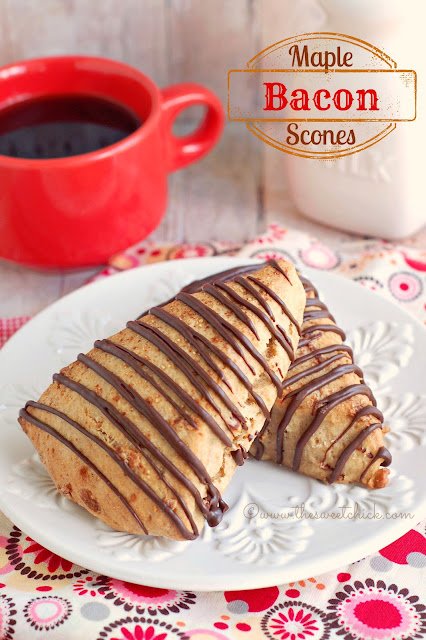
Ok, yeah I know, scones are not very summery, but I don’t care. I was in the mood for something maple bacon and this is what I decided upon. While everyone else is making ice cream, popsicles, and macaroni salad, I am going to wolf these down. There is no shame in having a maple bacon addiction. I’ll stand up and shout it proudly. For those of you out there that are with me on this, come on over.


Try not to eat all the bacon as you crumble it up to throw it in the mix. I know it is a challenge, but you can do it.
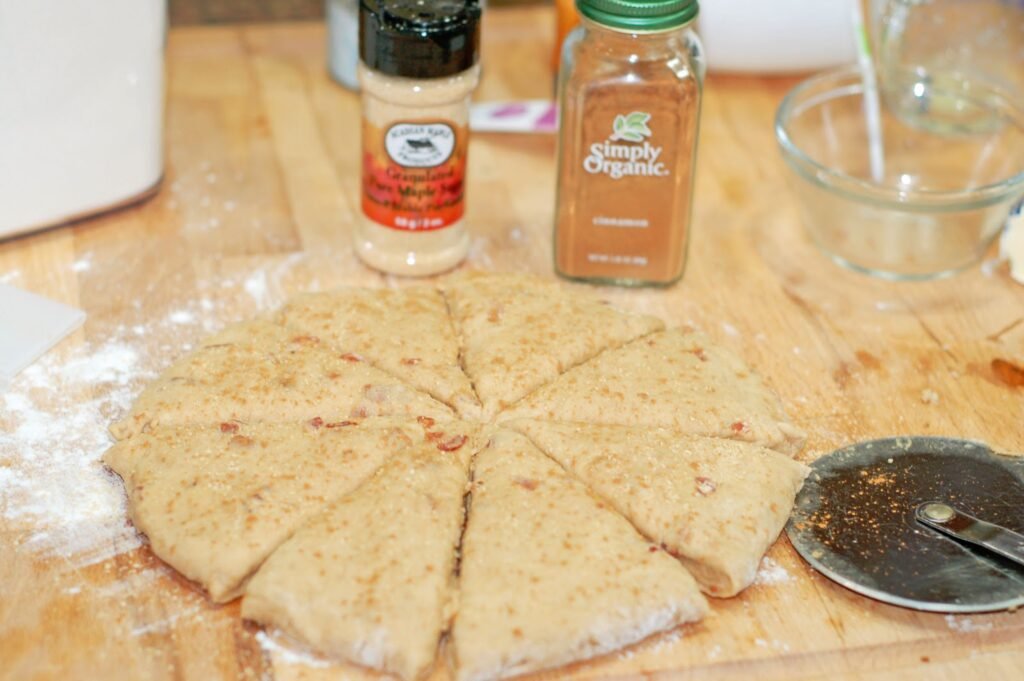
I rolled the dough into a ball and flatten it out by hand. Don’t use a rolling pin because it will affect the texture of the scone after it is baked. I have learned this from experience.

Before putting these in the oven, I sprinkled them with cinnamon and granulated maple sugar. I bought this container in Nova Scotia, but I did see some in the baking aisle at my supermarket the other day, so you should be able to find some in stores. If not, just add the cinnamon.
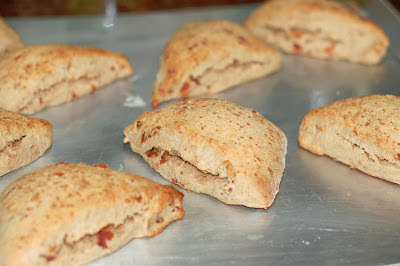
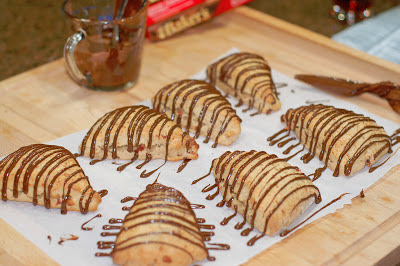
Oh yeah, baby. These look good. Of course you can’t beat the smell of maple and bacon. Now you can leave these as are, but what fun would that be. Since I added chocolate to my Maple Bacon Rice Krispie Treats, I though why not add some to my scones.
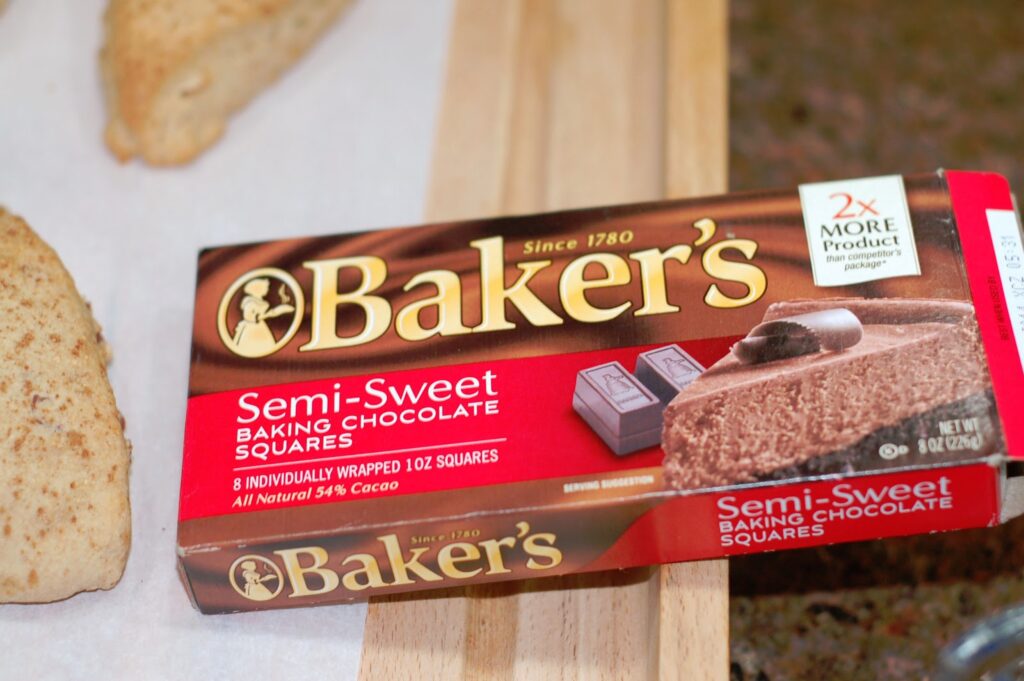
I had some Baker’s chocolate on hand, so that is what I used, but feel free to use whatever chocolate you have on hand.
I used a piping bag to make my stripes, but you don’t need to be all neat. You can just drizzle with a fork.

Yep, these are definitely keepers. The have just the right amount of maple and bacon flavor. They are not too sweet and they are on the drier side, for those of you who like a drier scone. They do crumble. And the chocolate just takes them over the top.
Maple Bacon Scones
by The Sweet Chick
Prep Time: 15 minutes
Cook Time: 15 minutes
Keywords: bake breakfast dessert snack bacon maple chocolate scones American spring fall winter
Ingredients (8 large scones)
For the scones
- 2 cups flour
- 1/3 cup brown sugar
- 2 teaspoons baking powder
- 1 1/4 teaspoon cinnamon
- 6 tablespoons cold butter
- 1/2 cup milk
- 1 tablespoon vinegar
- 1 egg, beaten
- 2 teaspoons maple essence
- 6 strips cooked bacon, crumbled
- 1 teaspoon granulated maple sugar
For the topping
- 3 oz. Baker’s semi sweet chocolate squares
Instructions
For the scones
Preheat oven to 425º F.
In a small bowl add vinegar to the milk and set aside until it forms curds, about 5-10 minutes.
In a large bowl, mix flour, sugar, baking powder and 1 teaspoon cinnamon. Cut up butter and add to flour mixture.
Then add egg, milk mixture, and maple essence and mix until completely incorporated.
Next mix in the crumbled bacon. The batter will be a dough like consistency.
Take the dough and roll it into one big ball. Place the ball onto a lightly floured surface and flatten out to about an inch thick. With a knife or pizza cutter, divide the dough circle into equal triangles. I made eight big scones, but you can make yours a little smaller if you like.
Sprinkle the top of the triangles with the remaining 1/4 teaspoon cinnamon and the granulated maple sugar.
Separate the triangles and place on a cookie sheet.
Bake at 425ºF for 15 minutes or until tops are golden.
For the topping
When scones have cooled off, melt the chocolate in a glass container in the microwave at 30 second intervals until completely melted. Place melted chocolate in a piping bag or a Ziplock bag with tip cut off and drizzle over the tops of the scones. Let the chocolate set and then it’s time to eat and enjoy!
Related Posts
Subscribe for New Racipies
Get mental health tips, updates, and resources delivered to your inbox.