
Starbucks Nitro Cold Brew Caffeine: Exact mg by Size, Can, and Comparison (2026 Guide)

Medically reviewed by Dr. Aris Thorne Updated Date: May 3, 2026
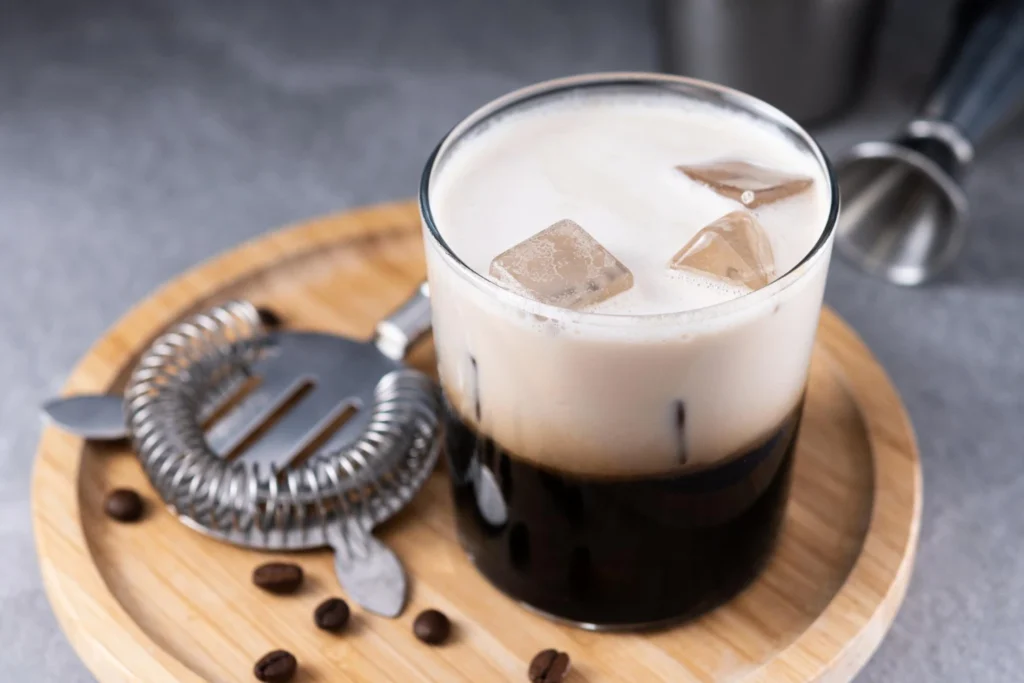
I talk to exhausted patients every single morning in my clinical practice. They often stumble into the examination room clutching a dark, cascading, foam-topped beverage from their local cafe, perhaps after having a sweet breakfast like a chocolate coffee bundt cake. Usually, they ask me why their heart feels like it is rapidly racing out of their chest before noon. First of all, we must always look closely at their morning drive-thru habits and fluid intake. Many people simply do not understand the sheer power of Starbucks Nitro Cold Brew caffeine when they order it.
They incorrectly assume it is just another standard iced coffee with a fancy, smooth texture. Consequently, they consume a massive dose of liquid stimulants within a matter of mere minutes.
Today, we are going to break down exactly what hides inside this incredibly popular, highly potent morning beverage. I will explicitly explain the precise clinical numbers, the underlying biological effects, and the safety limits you absolutely must respect.
TL;DR: Quick Overview
- A standard sixteen-ounce serving delivers approximately 280 milligrams of active stimulants.
- The smaller twelve-ounce cup provides roughly 215 milligrams to your nervous system.
- Pre-packaged cans from the grocery store generally contain about 200 milligrams.
- The unique nitrogen infusion creates a creamy texture without adding actual dairy or sugar.
- This specific brewing method extracts significantly more chemical compounds than traditional hot brewing.
- Healthy adults must carefully monitor their intake to avoid exceeding standard daily medical guidelines.
Detailed Measurement Breakdown by Cup Volume
Understanding exact cup volumes helps you strictly manage your cardiovascular health and daily energy levels. We must deeply analyze how the coffee shop scales their specific chemical dosages across different menu options. Let us look precisely at what you receive when you walk up to the counter.
| Store Cup Size | Exact Liquid Volume | Approximate Stimulant Load |
| Tall | 12 oz | ~215 mg |
| Grande | 16 oz | ~280 mg |
You will quickly notice that the menu completely lacks the massive Venti or Trenta size options. Patients frequently ask me why the barista refuses to sell them a twenty-four-ounce cup of this specific brew. The corporate decision actually stems from both strict quality control and basic human physiological safety.
First of all, the delicate nitrogen bubbles instantly begin to pop and degrade in larger cup volumes. Thus, the drink loses its signature velvety texture long before you can finish drinking it. Moreover, a Venti size would contain well over 400 milligrams of raw stimulants in a single sitting.
This massive chemical load drastically increases the immediate risk of severe heart palpitations and acute clinical anxiety. Therefore, the company strategically limits the serving size to protect consumers from accidental, overwhelming overconsumption.
Primary Stimulant Amount in the Signature Drink
Patients constantly demand precise measurements when we discuss their daily dietary intake. Therefore, I always strip away the marketing jargon and focus purely on the raw chemical data. The standard, unmodified version of this foamy beverage packs an incredibly heavy neuro-stimulating punch.
If you order a standard Grande, you immediately ingest roughly 280 milligrams of highly bioavailable stimulants. Furthermore, this massive dose hits your bloodstream exceptionally fast due to the unique liquid temperature. You absorb cold liquids slightly differently than boiling hot beverages, altering your physiological response.
Consequently, this single morning drink accounts for more than half of your safe daily medical allowance. Furthermore, even the smaller Tall size provides a staggering 215 milligrams in just twelve fluid ounces. Therefore, you must respect this beverage as a highly concentrated medicinal compound, not just a casual refreshment.
Canned Grocery Store Variations
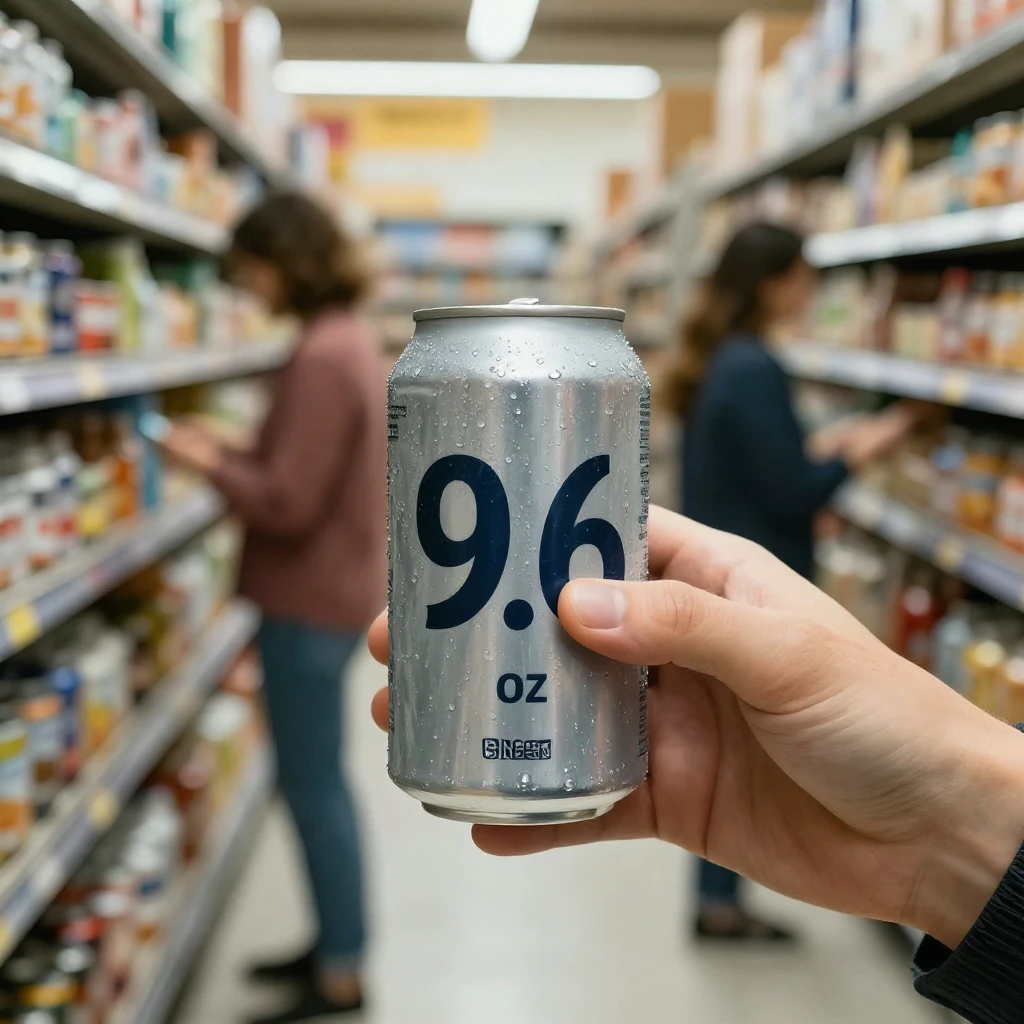
Many busy patients prefer to buy their morning beverages in bulk from the local supermarket. They stock their home refrigerators with small, convenient aluminum cans to save precious time before work, maybe grabbing a quick handful of pumpkin pie spice granola on their way out the door. However, the commercial canning process slightly alters the exact chemical profile of the original cafe beverage.
The standard grocery store can typically measure exactly 9.6 fluid ounces in total volume. Within this smaller metal container, you will find approximately 200 milligrams of the active compound. Furthermore, the manufacturer injects a specialized liquid nitrogen widget directly into the bottom of the can.
Consequently, when you pop the top, the widget violently releases the gas to recreate the fresh cafe foam. In addition, some regional markets occasionally sell slightly larger twelve-ounce aluminum variations. If you find these larger cans, you must expect the chemical load to jump closer to 250 milligrams.
Therefore, drinking two of these small cans before your morning commute completely maxes out your physiological threshold. You must always read the tiny nutritional print on the back of the aluminum packaging.
Nitrogen Infusion Versus Standard Cold Coffee
We must fundamentally understand why this specific beverage drastically differs from traditional iced drinks. In my clinic, patients constantly confuse standard cold-steeped coffee with the advanced nitrogen-infused variation. They falsely assume the two drinks possess identical physiological impacts on their delicate nervous systems.
Traditional cold-steeped coffee requires soaking coarse grounds in chilled water for up to twenty-four continuous hours. This incredibly slow, prolonged extraction process heavily draws out the deeply embedded chemical compounds from the beans. Consequently, standard cold-steeped coffee naturally contains a very robust, heavy stimulant profile right from the start.
However, the nitrogen variation takes this highly concentrated liquid and physically forces natural gas through it. The barista pulls the chilled liquid through a specialized restrictive valve under immense physical pressure. As a result, millions of microscopic nitrogen bubbles permanently suspend themselves directly within the dark fluid.
This unique gas infusion completely changes the physical mouthfeel, making it taste incredibly creamy and rich, almost reminiscent of a melting dessert like melty chai ice cream. Furthermore, because it tastes so incredibly smooth and lacks bitter acidity, patients drink it much faster. Gulping a highly concentrated beverage rapidly floods your stomach lining with active compounds all at once.
Therefore, the biological effect feels significantly more intense, even if the absolute chemical numbers look somewhat similar. Your body simply does not have enough time to gradually process the incoming chemical wave.
Ranking as the Most Potent Menu Option
Consumers naturally want to know if they are purchasing the absolute strongest item available on the menu. While this specific cascading beverage ranks incredibly high, it does not hold the absolute top spot.
A standard sixteen-ounce cup of simple, hot blonde roast actually contains slightly over 300 milligrams. Lightly roasted beans retain slightly more of their natural chemical defenses during the commercial roasting process. However, hot coffee naturally forces you to take tiny, slow sips to avoid burning your tongue.
Conversely, you can easily chug a freezing cold, velvety smooth pint of infused coffee in three minutes. Consequently, the nitrogen variation often produces a much more violent, noticeable biological spike in my patients.
The Biological Mechanism Behind the Sensation
I always educate my patients on exactly how these specific chemicals interact with their cellular biology. Understanding the underlying mechanism effectively prevents dangerous dietary mistakes and chronic metabolic fatigue. When you swallow this smooth liquid, it rapidly enters your gastrointestinal tract without harsh acidic resistance.
Because the nitrogen bubbles physically expand the liquid’s surface area, your stomach lining absorbs the compounds instantly. The chemical then quickly crosses your highly protective blood-brain barrier within roughly fifteen to twenty minutes. Once inside your brain tissue, it aggressively binds to your cellular adenosine receptors, physically blocking them.
Adenosine normally signals your brain that it is time to rest, recover, and eventually sleep. Because the chemical blocks these crucial receptors, your nervous system remains artificially stuck in high gear. Furthermore, the sudden, massive absorption rate heavily triggers your adrenal glands to release sudden cortisol spikes.
This dual-action biological assault creates the profound, overwhelming sense of rushing energy that consumers fiercely crave. However, it also creates the devastating, exhausting physical crash when the chemical finally leaves your neural receptors.
Caloric Value of the Plain Beverage
Weight management remains a massive, daily struggle for the vast majority of my adult clinic patients. Therefore, they frequently switch to this specific unflavored beverage to strictly avoid hidden liquid calories, preferring to save their morning appetite for a nutritious meal of buckwheat crepes.
A standard sixteen-ounce cup of the plain, unsweetened liquid contains merely five total calories. The unique gas infusion miraculously tricks your human taste buds into perceiving heavy cream and sweet sugar. Consequently, your brain feels highly satisfied without actually ingesting any usable carbohydrate energy.
This makes it an incredibly powerful, effective tool for patients utilizing strict intermittent fasting protocols. You receive a massive neurological energy boost without breaking your delicate metabolic fasting state.
Vanilla Sweet Cream Variation Nutrition
Unfortunately, many consumers absolutely refuse to drink plain, dark coffee under any circumstances. They immediately order the highly modified variation topped with a thick layer of vanilla-flavored sweet cream.
Adding this thick, sugary dairy foam completely changes the entire metabolic profile of the morning beverage. A standard sixteen-ounce serving suddenly jumps to approximately 70 to 110 total calories. Furthermore, you introduce highly processed sugars and heavy saturated fats directly into your empty morning stomach.
This specific combination creates a very rapid, sharp insulin spike followed by a severe reactive hypoglycemic dip, much like if you had eaten a giant slice of devils food cake with swiss meringue buttercream on an empty stomach. Therefore, you will likely feel incredibly hungry and fatigued just two hours after finishing your drink.
Core Ingredient Profile
Medical transparency demands that we look strictly at the base ingredients hiding inside the plastic cup. The pure, unadulterated version contains exactly two simple, easily identifiable ingredients.
First of all, it utilizes specialized, heavily filtered water mixed with coarse-ground Arabica coffee beans. Secondly, the cafe relies on massive industrial tanks of pure, food-grade nitrogen gas for the infusion.
It contains absolutely zero artificial preservatives, zero synthetic colors, and zero hidden chemical sweeteners. This clean, minimalist profile deeply appeals to health-conscious individuals trying to avoid heavily processed modern foods.
Medical Safety and Daily Limits
As a board-certified physician, my absolute top priority is your long-term cardiovascular and neurological safety. The FDA strictly recommends that healthy human adults consume no more than 400 milligrams of neuro-stimulants daily.
Therefore, drinking just one sixteen-ounce cup immediately pushes you to seventy percent of your absolute maximum limit. If you consume a secondary cup after lunch, you dangerously exceed your safe medical boundaries.
I constantly interview patients who unknowingly consume 800 to 1000 milligrams a day through various modern beverages. This chronic, heavy chemical abuse deeply exhausts your adrenal glands and severely damages your delicate heart muscle.
Potential Side Effects of Overconsumption
Ignoring standard medical guidelines almost always leads to severe, highly uncomfortable physical symptoms. When you rapidly ingest 300 milligrams of this specific chemical, your central nervous system violently rebels.
You will likely experience severe, uncontrollable hand tremors and profound, sweating clinical anxiety within an hour. Furthermore, the massive chemical load drastically accelerates your resting heart rate, causing terrifying chest palpitations.
In addition, these highly concentrated dark liquids aggressively stimulate your lower gastrointestinal tract. Consequently, many patients suffer from sudden, severe stomach cramping and highly disruptive digestive upset, which can only be soothed by transitioning back to gentle, healing meals like cabbage soup.
High-Risk Groups Who Should Avoid It

Certain vulnerable demographics absolutely must avoid this aggressive, high-powered beverage entirely. Pregnant individuals must heavily restrict their intake because the chemical easily crosses the protective placental barrier.
A developing fetus cannot properly metabolize these harsh compounds, leading to severely restricted fetal growth. Furthermore, patients diagnosed with generalized anxiety disorders will experience massive, debilitating symptom flare-ups.
Finally, anyone with a history of cardiac arrhythmias must completely avoid this specific, rapid-absorption beverage. The sudden jolt to your cardiovascular system can easily trigger dangerous, irregular electrical heart rhythms.
General User Experience and Review
Patients frequently discuss their personal experiences with this specific menu item during their routine checkups. The vast majority intensely praise the incredibly smooth, velvety texture that feels almost like a stout beer.
They also deeply appreciate the immediate, powerful cognitive boost it provides before a demanding workday, contrasting sharply with the slow, relaxing weekend mornings where one might prepare banana waffles. However, the primary complaint almost always centers strictly on the incredibly high retail price point.
Because it requires expensive gas tanks and specialized tap systems, it costs significantly more than standard iced coffee. Furthermore, you cannot heavily customize it with ice or extra syrups without ruining the delicate, foamy head.
Simplified Preparation Recipe
Many determined patients attempt to recreate this specific magical experience inside their own home kitchens. First of all, you must slowly steep coarse coffee grounds in cold water for a full twenty-four hours.
Next, you must strain the dark concentrate through a highly fine mesh filter to remove all grit. However, the final step proves incredibly difficult for the average domestic consumer.
You must physically inject the liquid with pressurized nitrogen gas to create the signature cascading foam. Therefore, simply pouring cold coffee over standard ice will never replicate the true cafe experience.
Commercial Dispensing Machines
The secret to this unique beverage relies entirely on heavy, expensive commercial bar equipment. The local cafe utilizes massive, highly pressurized metal kegs stored inside specialized, chilled refrigerators.
Furthermore, they install heavy-duty stout taps featuring restrictive internal plates to violently agitate the liquid. When the barista pulls the heavy metal handle, the pressure forces the gas directly into the fluid.
Consequently, purchasing a miniaturized home machine usually costs several hundred dollars and requires constant gas canister replacements. Most of my patients quickly realize that paying the daily cafe premium is ultimately much easier.
Frequently Asked Questions
Exactly how much of the active compound is in the standard Grande size?
A standard sixteen-ounce Grande size delivers approximately 280 milligrams of highly bioavailable stimulants directly to your central nervous system. Because this specific cold extraction method pulls out heavy chemical compounds, this single serving easily accounts for over half of your safe daily medical allowance.
What is the exact stimulant level found in the small grocery store cans?
If you purchase the convenient 9.6-ounce aluminum can from your local supermarket, you will consume roughly 200 milligrams of active neurostimulants. The manufacturer injects a specialized liquid nitrogen widget into these cans to perfectly preserve the creamy texture and the potent chemical load.
Is this foamy variation biologically stronger than standard hot-brewed coffee?
Yes, the prolonged, cold-steeping extraction process naturally pulls a significantly higher concentration of neuro-stimulating chemicals from the roasted coffee beans. Furthermore, because the beverage lacks the burning temperature of hot coffee, patients tend to drink it much faster, causing a much sharper biological spike.
Why does the local cafe refuse to serve this specific drink in a Venti cup?
The corporate decision primarily centers on quality control, as the delicate nitrogen bubbles quickly separate and degrade in massive fluid volumes. Additionally, a Venti size would contain well over 400 milligrams of active stimulants, instantly maxing out your absolute daily cardiovascular safety limits in just one sitting.
Is consuming this dark, gas-infused beverage safe for your long-term health?
This beverage remains perfectly safe for healthy adults as long as you strictly adhere to the FDA’s daily medical guidelines regarding stimulant consumption. However, you must carefully track your total daily intake to successfully avoid chronic adrenal fatigue, dangerous heart palpitations, and highly disruptive clinical insomnia.
Conclusion
Navigating the incredibly complex menus at modern coffee shops requires a strong foundation in basic nutritional science. When you blindly order an aggressively formulated, cold-steeped beverage, you risk severely shocking your central nervous system.
As a medical professional, my goal is always to provide you with the absolute, unfiltered clinical truth. Understanding exactly how these liquids impact your cellular biology gives you the power to protect your daily health.
We have comprehensively explored the exact chemical profile hiding inside this cascading, velvety smooth drink. It absolutely delivers an incredibly massive, highly potent chemical boost that rivals specialized athletic pre-workout supplements.
Furthermore, the unique gas infusion ensures you consume this massive dose faster than a standard hot coffee. However, you must respect the sheer biological power contained within that simple plastic cup.
Routinely exceeding your safe daily limits will inevitably trigger severe anxiety, dangerous heart palpitations, and chronic insomnia. If you currently suffer from unexplained afternoon fatigue or jittery nerves, you must aggressively audit your morning intake.
Simply reducing your daily cup size often cures these uncomfortable, disruptive physical symptoms completely. I sincerely hope this detailed medical breakdown clearly answers your pressing questions regarding Starbucks Nitro Cold Brew caffeine.
Evidence-Based References:
- Food and Drug Administration (FDA) — Spilling the Beans: How Much Caffeine is Too Much?
- National Center for Biotechnology Information (NCBI) — Caffeine and the central nervous system: mechanisms of action, biochemical, metabolic and psychostimulant effects
- World Health Organization (WHO) — Sugars intake for adults and children
- Mayo Clinic — Caffeine Content for Coffee, Tea, Soda and More
- Harvard T.H. Chan School of Public Health — Caffeine
- National Center for Biotechnology Information (NCBI) — The Safety of Ingested Caffeine: A Comprehensive Review
- Johns Hopkins Medicine — Is Coffee Bad for Kids?
- American Academy of Child and Adolescent Psychiatry (AACAP) — Caffeine and Children
- PubMed Central — Caffeine and Arrhythmias: Time to Grind the Data
- Cleveland Clinic — Caffeine and Pregnancy: How Much Is Safe?
Related Posts



Subscribe for New Racipies
Get mental health tips, updates, and resources delivered to your inbox.
Are Pumpkin Puree Safe for Acid Reflux?

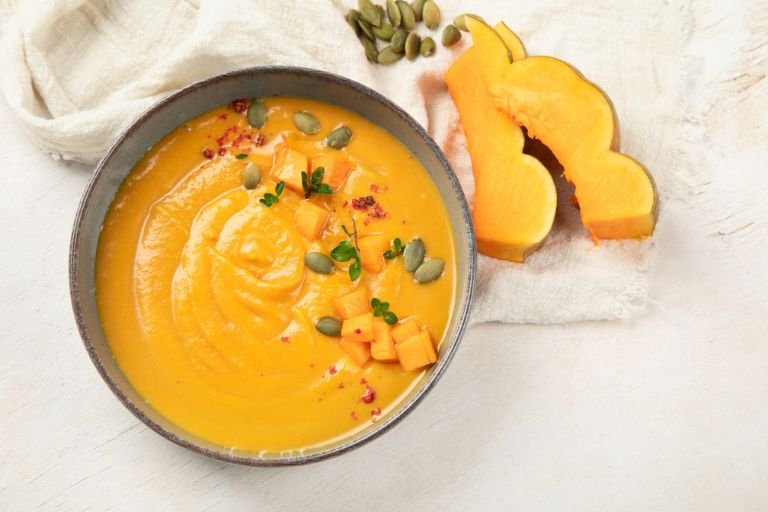
Pumpkin puree, made from cooked and blended pumpkin, is a versatile ingredient often used in soups, desserts, and savory dishes. Its naturally sweet and creamy texture makes it a popular choice for healthy recipes. But if you suffer from acid reflux or GERD (gastroesophageal reflux disease), you might be asking: “Is pumpkin puree safe for acid reflux?”
The good news is that pumpkin puree is generally safe for acid reflux sufferers. With its mild, low-acid nature, high fiber content, and rich nutritional profile, pumpkin puree can actually help soothe digestion and reduce reflux symptoms. However, portion size, preparation methods, and accompanying ingredients can all influence how well it works in a reflux-friendly diet.
In this article, we’ll explore why pumpkin puree is considered safe for acid reflux, its nutritional benefits, and tips for incorporating it into your meals without triggering symptoms.
Is Pumpkin Puree Acidic or Alkaline?
Pumpkin puree is considered a low-acid food, with a pH level ranging between 4.9 and 5.2. While this places it in the mildly acidic category, its overall effect on digestion is gentle, making it a safe option for most people with acid reflux.
Additionally, pumpkin puree has alkalizing properties when metabolized in the body, helping to neutralize stomach acid and reduce irritation in the esophagus. Compared to other acidic foods like tomatoes or citrus fruits, pumpkin puree is far less likely to trigger reflux symptoms.
Author Tip: Is Pumpkin Puree Acidic?
Nutritional Profile of Pumpkin Puree
Pumpkin puree is packed with essential nutrients that promote overall health and support digestion. Here’s what makes it a nutrient-dense, reflux-friendly food:
1. High in Fiber
- One cup of pumpkin puree contains about 7 grams of fiber, which supports healthy digestion, reduces bloating, and prevents overeating—one of the common triggers of acid reflux.
2. Low in Calories and Fat
- With only 80 calories per cup and virtually no fat, pumpkin puree is light and easy to digest, making it a perfect option for those managing reflux symptoms.
3. Rich in Vitamins
- Vitamin A: Promotes healthy mucous membranes, including those in the digestive tract, helping to protect the esophagus from stomach acid.
- Vitamin C: Reduces inflammation and promotes healing.
- Vitamin E: A powerful antioxidant that soothes and protects the digestive lining.
4. Contains Essential Minerals
- Potassium: Helps maintain electrolyte balance and supports muscle function, including the lower esophageal sphincter (LES), which prevents stomach acid from flowing back into the esophagus.
- Magnesium: Relaxes the digestive muscles and helps reduce reflux episodes.
5. High Water Content
- Pumpkin puree is about 90% water, which helps hydrate the body and dilute stomach acid, reducing reflux symptoms.
Also Read: Is Pumpkin Soup Acidic?
Why Pumpkin Puree is Good for Acid Reflux?
Research suggests that Pumpkin puree offers a range of benefits that make it suitable for acid reflux sufferers. Here’s why:
1. Gentle on the Stomach
- Pumpkin puree’s low acidity and smooth texture make it soothing for the stomach and esophagus, reducing the risk of irritation.
2. Aids in Digestion
- The fiber content in pumpkin puree helps regulate bowel movements, prevent constipation, and reduce bloating—key factors in managing acid reflux.
3. Prevents Overeating
- Its fiber and water content promote a feeling of fullness, preventing overeating, which is a common reflux trigger.
4. Reduces Inflammation
- Pumpkin’s antioxidants and anti-inflammatory compounds can soothe irritation in the esophagus caused by stomach acid.
5. Supports the Lower Esophageal Sphincter (LES)
- Minerals like magnesium and potassium help keep the LES functioning properly, preventing stomach acid from traveling back into the esophagus.
Tips for Using Pumpkin Puree in a GERD-Friendly Diet
To ensure pumpkin puree works well in a reflux-friendly diet, follow these tips:
1. Choose Unsweetened Pumpkin Puree
- Opt for pure, unsweetened pumpkin puree. Avoid canned pumpkin pie filling, which contains added sugars, spices, and preservatives that may trigger reflux symptoms.
2. Watch Your Portion Size
- Stick to 1/2 to 1 cup per serving. Even reflux-friendly foods can cause discomfort if consumed in large quantities.
3. Avoid High-Fat Additions
- Skip heavy creams, butter, or fried preparations when using pumpkin puree. Pair it with low-fat or non-fat ingredients instead.
4. Pair with Alkaline Foods
- Combine pumpkin puree with reflux-friendly ingredients like oats, bananas, or lean proteins to create balanced meals.
5. Avoid Spicy or Acidic Additions
- Refrain from adding spicy seasonings or acidic ingredients like vinegar or citrus to pumpkin puree dishes, as these can irritate the stomach and esophagus.
Related to Read: Are Pumpkin Seeds Safe for Acid Reflux?
Reflux-Friendly Pumpkin Puree Recipes
1. Pumpkin Oatmeal
Ingredients:
- 1/2 cup oats
- 1/2 cup pumpkin puree
- 1 cup unsweetened almond milk
- 1/2 teaspoon cinnamon (optional)
- 1 teaspoon honey (optional)
Instructions:
- Cook oats in almond milk as directed.
- Stir in pumpkin puree, cinnamon, and honey.
- Serve warm as a hearty, reflux-friendly breakfast.
2. Pumpkin and Banana Smoothie
Ingredients:
- 1/2 cup pumpkin puree
- 1 small banana
- 1 cup unsweetened almond milk
- 1/2 teaspoon vanilla extract
Instructions:
- Blend all ingredients until smooth.
- Serve as a refreshing, acid reflux-friendly snack.
3. Pumpkin Soup
Ingredients:
- 1 cup pumpkin puree
- 2 cups low-sodium vegetable broth
- 1/4 cup unsweetened almond milk
- A pinch of salt and pepper
Instructions:
- Heat pumpkin puree and vegetable broth in a pot over medium heat.
- Stir in almond milk and season with salt and pepper.
- Serve warm with a slice of whole-grain bread.
More Pumpkin Recipes: Pumpkin, Banana, & Apple Yogurt Smoothie
Pumpkin Dulce de Leche Chocolate Chip Cookies
Pumpkin Spice Crepes with a Cinnamon Mascarpone Filling
Frequently Asked Questions About Pumpkin Puree and Acid Reflux
1. Is pumpkin puree acidic?
Pumpkin puree is mildly acidic but has alkalizing effects when metabolized in the body, making it safe for acid reflux sufferers.
2. Can pumpkin puree trigger acid reflux?
Pumpkin puree is unlikely to trigger reflux. However, consuming it in large quantities or pairing it with fatty or spicy ingredients may cause discomfort.
3. Is canned pumpkin puree safe for GERD?
Yes, plain canned pumpkin puree is safe for GERD, but avoid sweetened or spiced varieties like pumpkin pie filling.
4. How much pumpkin puree can I eat if I have acid reflux?
Stick to 1/2 to 1 cup per serving to avoid overeating, which can put pressure on the stomach and trigger reflux symptoms.
5. What are other reflux-friendly vegetables?
Other reflux-friendly vegetables include zucchini, carrots, spinach, cucumbers, and sweet potatoes.
Final Thoughts
Pumpkin puree is a nutrient-dense, low-acid food that is generally safe and beneficial for individuals with acid reflux or GERD. Its high fiber and water content, along with its soothing properties, make it a great addition to a reflux-friendly diet.
Whether enjoyed in oatmeal, smoothies, or soups, pumpkin puree can help improve digestion, reduce inflammation, and prevent reflux symptoms when consumed in moderation. Just be sure to avoid high-fat or overly spiced preparations to get the most out of this versatile and healthy ingredient.
Related Posts



Subscribe for New Racipies
Get mental health tips, updates, and resources delivered to your inbox.