
Are Black Beans Acidic? A Nutritional Powerhouse or a Trigger?
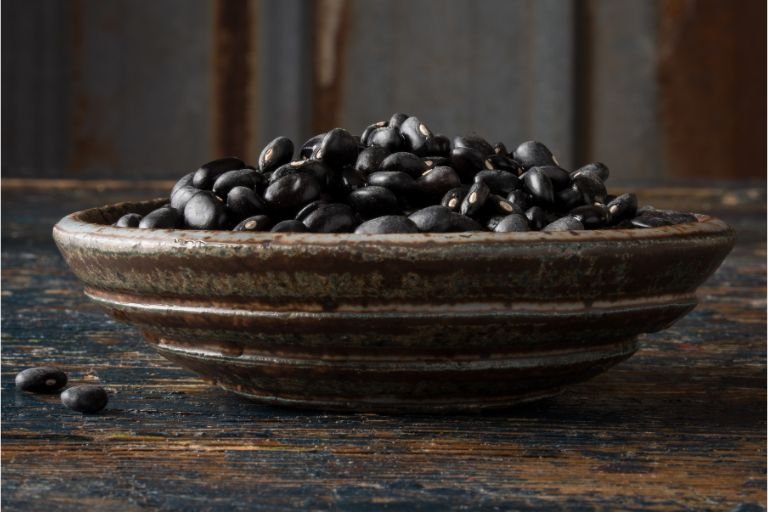
Black beans, a staple in many cuisines, are known for their rich flavor, high protein content, and nutritional benefits. They’re a versatile ingredient used in everything from soups to salads to burritos. However, for individuals who suffer from acid reflux or GERD (gastroesophageal reflux disease), it’s essential to understand whether black beans can aggravate symptoms.
In this article, we’ll explore the acidity of black beans, their impact on acid reflux, and how to incorporate them into a reflux-friendly diet. We’ll also dive into their nutritional benefits, share preparation tips, and answer common questions about black beans and acid reflux.
Are Black Beans Acidic or Alkaline?
1. The pH of Black Beans
Black beans are considered to be neutral to mildly acidic, with a pH ranging between 6.0 and 6.5. This places them on the lower end of the acidity scale, making them relatively neutral food.
2. Alkaline-Forming Properties
While black beans have a slightly acidic pH, they are alkaline-forming during digestion. This means they don’t typically increase stomach acid or exacerbate acid reflux symptoms.
3. Black Beans in an Alkaline Diet
Black beans are often included in alkaline diets due to their ability to promote balance in the body. Their high fiber and nutrient content further support digestive health.
Related to Read: Are Green Lentils Acidic?
Can Black Beans Trigger Acid Reflux?
Black beans are generally considered safe for individuals with acid reflux, but certain factors can increase the likelihood of triggering symptoms:
1. Cooking Methods
The way black beans are prepared can influence their impact on acid reflux. For example:
- Beans cooked with fatty ingredients like bacon or cheese can worsen reflux symptoms.
- Spicy seasonings, such as chili powder or cayenne, can irritate the esophagus and trigger heartburn.
2. Portion Size
Eating large amounts of black beans in one sitting can lead to bloating and pressure on the stomach, which may contribute to reflux symptoms.
3. Individual Sensitivities
Some individuals are sensitive to legumes, which can cause gas or bloating, potentially aggravating reflux symptoms.
Why Black Beans May Be Good for Acid Reflux?
Despite the potential for triggering symptoms in some individuals, black beans offer several benefits for those managing acid reflux:
1. High Fiber Content
Black beans are an excellent source of dietary fiber, which promotes healthy digestion and prevents constipation—a common trigger for reflux.
2. Protein-Rich
Black beans are a plant-based protein source, providing essential amino acids without the high fat content found in many animal-based proteins, which can worsen reflux.
3. Low in Fat
Low-fat foods are less likely to relax the lower esophageal sphincter (LES), a key factor in acid reflux. Black beans are naturally low in fat, making them a reflux-friendly option.
4. Packed with Nutrients
Black beans are rich in essential nutrients that support overall health, including:
- Magnesium: Helps relax the muscles in the digestive tract.
- Folate: Supports cellular health and metabolism.
- Iron: Boosts energy levels and supports oxygen transport in the body.
How to Incorporate Black Beans into a Reflux-Friendly Diet?
To enjoy black beans without triggering acid reflux, follow these tips:
1. Cook Them Simply
Avoid adding high-fat or spicy ingredients to black beans. Instead, cook them with mild seasonings like garlic, cumin, or oregano.
2. Combine with Reflux-Friendly Foods
Pair black beans with non-acidic foods like brown rice, quinoa, or steamed vegetables to create a balanced and reflux-safe meal.
3. Use Plant-Based Oils
If you’re sautéing black beans, use a small amount of plant-based oil like olive oil instead of butter or other high-fat options.
4. Control Portion Sizes
Stick to a moderate serving size, such as 1/2 to 1 cup of cooked black beans, to avoid overeating and putting pressure on the stomach.
Reflux-Friendly Black Bean Recipe
Here’s a simple and reflux-friendly black bean recipe to try:
Ingredients
- 1 cup cooked black beans (or canned, rinsed and drained)
- 1 teaspoon olive oil
- 1/2 teaspoon ground cumin
- 1/2 teaspoon garlic powder
- 1/4 teaspoon dried oregano
- 1/4 teaspoon salt (optional)
- 1/2 cup cooked brown rice (optional, as a side)
Instructions
- Heat olive oil in a skillet over medium heat.
- Add the black beans, cumin, garlic powder, and oregano. Stir well to coat the beans evenly with the seasonings.
- Cook for 5–7 minutes, stirring occasionally, until the beans are heated through and fragrant.
- Serve as a side dish, over rice, or as a filling for a reflux-friendly burrito with mild vegetables.
This recipe is light, flavorful, and easy to digest, making it a great option for those managing acid reflux.
Recipes: Fava Bean Hummus
Fava Bean Salad With Mint And Ricotta Cheese
Nutritional Benefits of Black Beans Beyond Acid Reflux
Black beans are a nutritional powerhouse that offer a variety of health benefits:
1. Supports Heart Health
The fiber, potassium, and magnesium in black beans contribute to lower blood pressure and improved cardiovascular health.
2. Aids in Weight Management
The high fiber and protein content in black beans promote satiety, helping to control hunger and support weight management.
3. Regulates Blood Sugar
Black beans have a low glycemic index, meaning they release sugar into the bloodstream slowly, making them a great option for managing blood sugar levels.
4. Boosts Energy Levels
The iron in black beans supports oxygen transport and boosts energy, especially important for those with iron deficiencies.
FAQs About Black Beans and Acid Reflux
1. Are black beans acidic?
Black beans are mildly acidic but are considered neutral to alkaline-forming during digestion, making them suitable for most individuals with acid reflux.
2. Can black beans cause acid reflux?
Black beans are unlikely to cause reflux unless they’re cooked with fatty or spicy ingredients. Eating them in large portions or if you’re sensitive to legumes may trigger symptoms.
3. Are canned black beans safe for acid reflux?
Canned black beans are generally safe, but they may contain added salt or preservatives. Rinse them thoroughly before use to reduce sodium content and potential irritants.
4. What can I pair with black beans to make a reflux-friendly meal?
Pair black beans with reflux-friendly foods like brown rice, quinoa, or non-acidic vegetables (e.g., zucchini, carrots, or spinach).
5. How often can I eat black beans if I have acid reflux?
Black beans can be enjoyed 2–3 times a week as part of a balanced diet, provided they are prepared in a reflux-friendly way.
Conclusion
Black beans are a mildly acidic yet highly nutritious food that can be safely enjoyed by most individuals with acid reflux. Their high fiber, low fat, and nutrient-rich profile make them an excellent choice for promoting overall digestive health.
To minimize the risk of reflux symptoms, prepare black beans with mild seasonings, avoid fatty or spicy ingredients, and pair them with reflux-friendly foods. Whether served as a side dish, in soups, or as part of a balanced meal, black beans can be a valuable addition to a reflux-friendly diet.
If you’re looking for more acid reflux-friendly food guides, recipes, and tips, check out our other articles to make informed and healthy food choices!

Related Posts


Subscribe for New Racipies
Get mental health tips, updates, and resources delivered to your inbox.
Brussels Sprouts, Momofuku-style

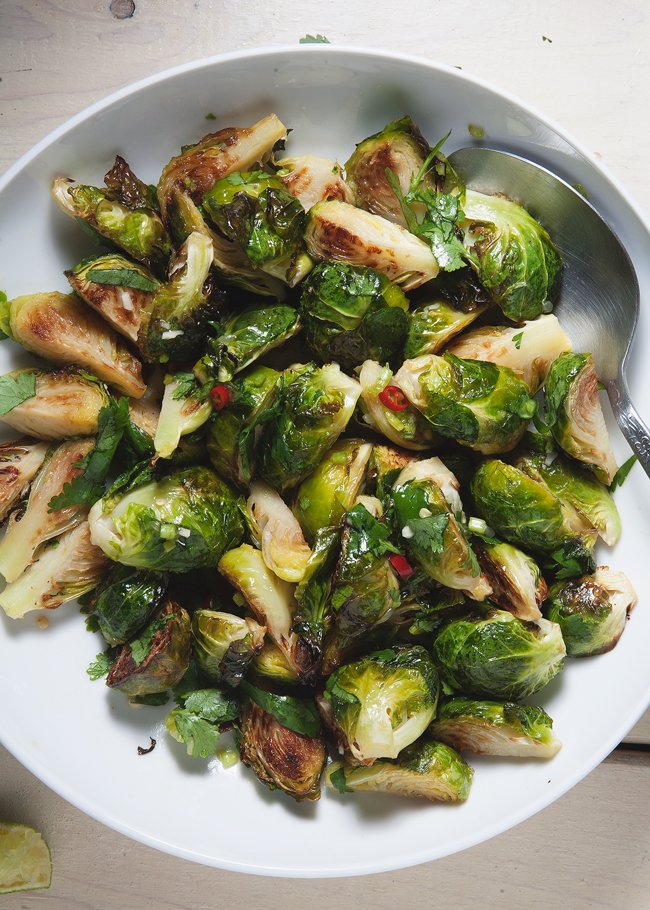
I’ve been testing out a couple Thanksgiving recipes (my contributions to Thursday’s dinner) and was floored by this brussels sprouts recipe. If you’re still planning a side dish, I submit this one as a contender.

This recipe is by David Chang of Momofuku fame. Enough said, maybe?
If not, consider the brilliance behind this recipe: it take a standard fall/winter ingredient and infuses it with a lively combination of tart, spicy, sweet, and savory, effectively transforming stodgy old brussels sprouts into a stunner. And a delectable one at that. I’m all for food makeovers.
Anyway, this one’s going on the Thanksgiving spread—and winter rotation. I hope you give it a try!
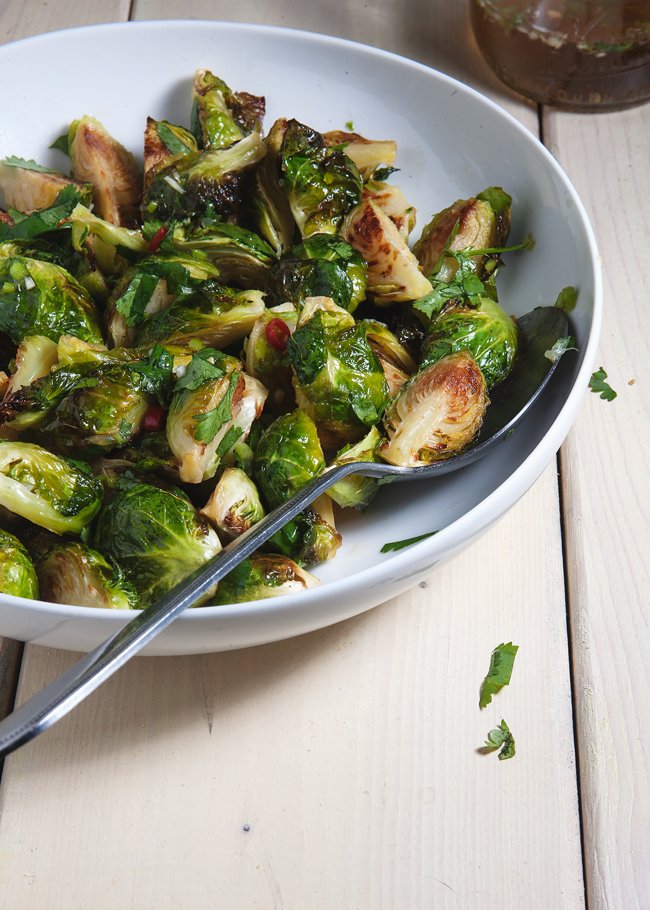
BRUSSELS SPROUTS, MOMOFUKU-STYLE
Adapted from Momofuku via Food52
Serves 4
Ingredients:
2 lbs. Brussels sprouts
2 Tbsp vegetable oil
1/2 cup chopped cilantro leaves
For the vinaigrette:
2 Tbsp thinly-sliced cilantro stems
1/2 cup fish sauce
1/4 cup water
2 tablespoons rice vinegar
Juice of 1 lime
1/4 cup sugar
1 garlic clove, minced
1 to 3 red bird’s-eye chiles, thinly sliced, seeds intact
Directions:
Combine all the ingredients for the vinaigrette and set aside (it can be made up to a week in advance if stored in the fridge).
Preheat oven to 400 degrees F. Trim the sprouts, cutting off the dry part of the stem and peeling away any yellow or loose leaves. Dry very well. Cut the sprouts in halves, large ones in quarters. Toss them with the oil, then lay them, cut sides down, in one layer on a large baking sheet (you may need two). Roast for about 15 minutes, then, if they’re browning, flip them with a spatula. Continue roasting until they’re tender and nicely brown, another 10 minutes or so.
When ready to serve, toss with dressing to taste and cilantro leaves.
Related Posts

Subscribe for New Racipies
Get mental health tips, updates, and resources delivered to your inbox.