
Chocolate Chip Cookies, The Cooks Illustrated Way

Medically reviewed by Christiana George Updated Date: January 4, 2026
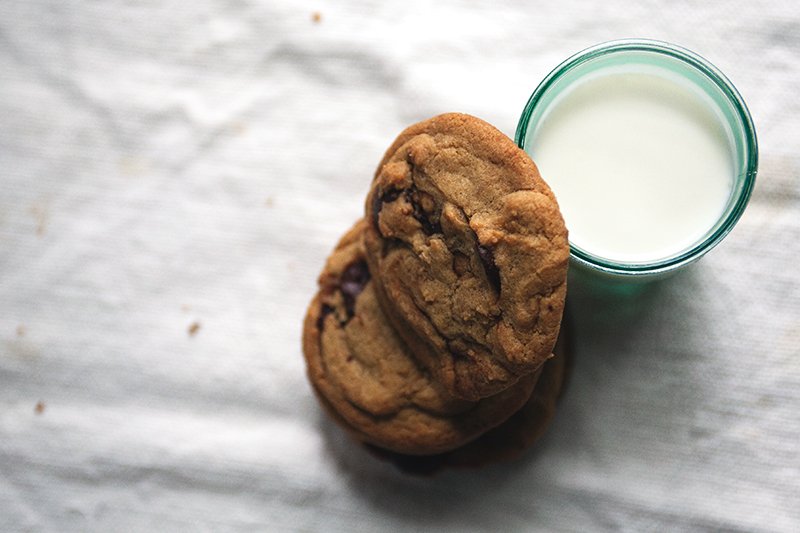
This weekend, I gorged on chocolate chip cookies. I mean who wouldn’t? Look at these things. Just look at ‘em. Seductive, no, served alongside a cool glass of milk?
I totally thought I’d settled the question of world’s best chocolate chip cookie recipe for good. But I find I may have to re-open the topic (it’s of the utmost importance, you know) and thrown in another contendor.
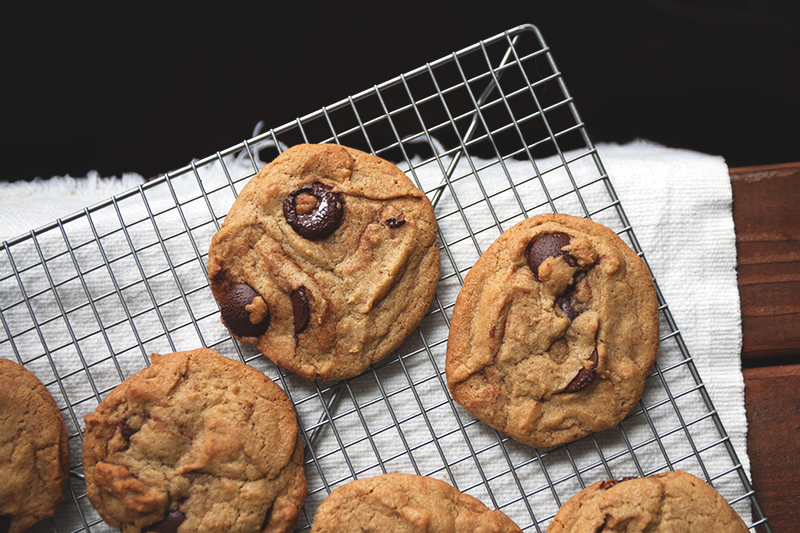
First, let’s figure out if we’re in agreement here. Do you like your cookies chewy? And soft? With that characteristic give when you first bite into them? Do you like them bronzed and flat and ripply on top, ready to dunk into cold milk?
That’s how I like my chocolate chip cookies. And my long-time standby has been Kim Boyce’s whole wheat chocolate chip cookies—yeah, the ones that spread like wildfire in the blogosphere. They’re ridiculously good, with the whole wheat flour stealing the show.
But for times when I want a slightly lighter cookie, one that’s not quite as… bold, let’s say, I think I’ll be reaching for this recipe.
It’s plain old comfort food, albeit comfort food I could eat at any time. It’s the classic chocolate chip cookie, no frills, no fancy ingredients, and I’m having a hard time keeping my hands off them.
My solution is usually to shove a bunch in a bag and hand them off to friends, but I find myself oddly protective of these.
In my heart, there’s room for two favorites.
I’ve had The New Best Recipe sitting on my bookshelf for a while. Bless those giant, comprehensive compendiums. I put a lot of confidence in America’s Test Kitchen for its reliability and rigorous kitchen methods.
In the book, you can read about the entire trial and error process—the countless alterations tried—before a recipe was deemed perfect. It’s really informational.
For instance, did you know that “when melted butter is added to a dough, the proteins in the flour immediately grab onto the freed water molecules to form elastic strands of gluten?” I didn’t know that.
In the case of these chocolate chip cookies, their focus was on chewiness. Which is why melted butter and an extra egg yolk are called for. And they invented an elegantly simple way of shaping the cookies so they come out with that classic rippled top (instructions in the recipe).
Chocolate Chip Cookies
Recipe from Thick and Chewy Chocolate Chip Cookies in The New Best Recipe
Makes about 18 large cookies (I ended with 14)
Ingredients:
- 2 cups plus 2 Tbsp all-purpose flour
- 1/2 tsp baking soda
- 1/2 tsp salt
- 12 Tbsp (1-1/2 sticks) unsalted butter, melted and cooled until just warm
- 1 cup packed brown sugar
- 1/2 cup granulated sugar
- 1 large egg, plus 1 large egg yolk
- 2 tsp vanilla extract
- 1 to 1-1/2 cups semisweet chocolate chips
Update 8/22/12:I made these with half whole wheat flour and they turned out a success.
Directions:
Line 2 large baking sheets with parchment paper (or bake the cookies in batches like I did). Preheat oven to 325 degrees F.
Whisk together flour, baking soda, and salt in a medium bowl. Set aside.
Mix the butter and sugars until thoroughly blended. Beat in the egg, yolk, and vanilla until combined. Add the dry ingredients and beat at low speed until just combined. Stir in the chips to taste.
Roll a scant 1/4 cup of dough into a ball. Holding onto it with the fingertips of both hands, pull the ball apart into two equal pieces. Rotate both pieces so that the jagged, ripped edge is facing upwards, then push both halves together again with the jagged edges still facing upwards. Place the dough on the baking sheet, spaced about 2-1/2 inches apart.
Bake 15 to 18 minutes, until the cookies are light golden brown. Rotate the baking sheet about halfway through for even baking. Don’t overbake! The cookies will harden when cooled and the centers will set.
Related Posts





Subscribe for New Racipies
Get mental health tips, updates, and resources delivered to your inbox.
Are Baby Spinach Acidic? Baby Spinach and Acid Reflux

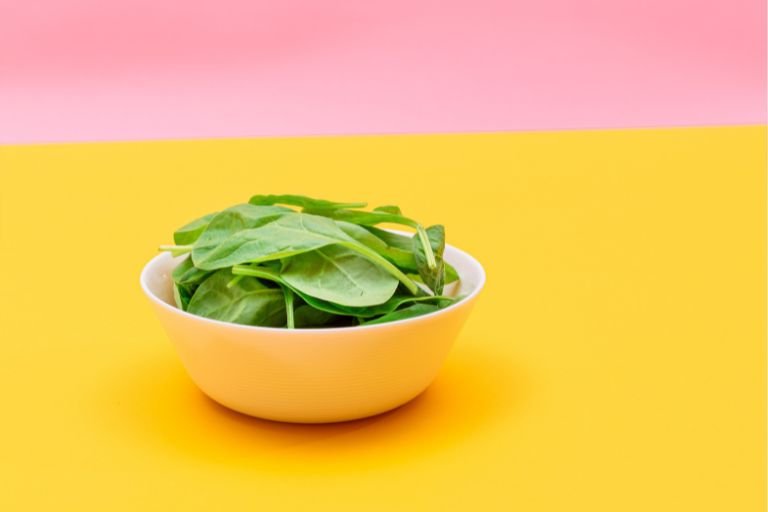
Baby Spinach – A Healthy Yet Questionable Choice for Acid Reflux?
Baby spinach is often hailed as a superfood, rich in vitamins, minerals, and antioxidants. Its tender leaves are a versatile addition to salads, smoothies, and cooked dishes. However, for individuals with acid reflux, the safety of even the healthiest foods is often called into question.
Does baby spinach, with its slightly earthy flavor and nutrient-packed profile, help or hinder acid reflux management? This article explores whether baby spinach is acidic, its nutritional benefits, and how it impacts those with acid reflux. By the end, you’ll know if this leafy green is a safe addition to your diet.
Understanding Acid Reflux: What’s Happening in Your Body?
What Is Acid Reflux?
Acid reflux occurs when stomach acid flows backward into the esophagus, causing irritation. This happens when the lower esophageal sphincter (LES) – the muscle that prevents acid from escaping the stomach – weakens or relaxes at the wrong time.
Common Symptoms Include:
- A burning sensation in the chest (heartburn).
- Sour taste in the mouth.
- Regurgitation of food or liquid.
- Chronic cough or throat discomfort.
How Diet Affects Acid Reflux?
Certain foods can weaken the LES or increase stomach acid production, leading to reflux symptoms. Common triggers include:
- Acidic fruits like oranges and tomatoes.
- Fatty or fried foods.
- Spicy dishes.
- Caffeinated and carbonated beverages.
Green leafy vegetables, like spinach, are generally considered safe for acid reflux sufferers, but is baby spinach any different?
Related to Read: 7 Kinds of Foods to Avoid with GERD
The Acidity of Baby Spinach
Is Baby Spinach Acidic or Alkaline?
Baby spinach is classified as mildly acidic, with a pH range of 5.5 to 6.8, depending on its preparation. Despite its slightly acidic nature, baby spinach is considered alkalizing once metabolized by the body. This means it can help neutralize stomach acid and promote an overall alkaline environment, which is beneficial for acid reflux sufferers.
Does Cooking Affect the Acidity of Baby Spinach?
Yes, cooking methods can influence the acidity of baby spinach. Steaming or lightly sautéing spinach can reduce its oxalate content, making it easier to digest and less likely to irritate the stomach. However, overcooking spinach can concentrate its acidity and reduce its nutrient content.
Nutritional Benefits of Baby Spinach
Why Is Baby Spinach a Superfood?
Baby spinach is nutrient-dense, offering a variety of health benefits in every bite. A cup of raw baby spinach contains:
- Calories: Only 7, making it an excellent low-calorie food.
- Vitamin K: Essential for blood clotting and bone health.
- Vitamin A: Supports vision and immune function.
- Iron: Crucial for red blood cell production.
- Magnesium: Helps maintain muscle and nerve function.
Health Benefits of Baby Spinach
Following is the list of health benefits provided by baby spinach:
- Supports Digestive Health: The fiber in baby spinach promotes healthy digestion and regular bowel movements.
- Anti-Inflammatory Properties: Its antioxidants help combat inflammation, which can be beneficial for esophageal irritation caused by acid reflux.
- Bone Health: Rich in calcium, magnesium, and vitamin K, baby spinach supports strong bones.
- Weight Management: Its low calorie and high nutrient content make it a great choice for weight loss, which can alleviate acid reflux.
Baby Spinach and Acid Reflux: Is It Safe?
Why Baby Spinach Might Help Acid Reflux?
- Alkalizing Effect: Despite its slightly acidic pH, baby spinach becomes alkalizing in the body, helping neutralize stomach acid.
- Low-Fat Content: Baby spinach is naturally low in fat, making it a safe choice for reflux sufferers, as high-fat foods can trigger symptoms.
- Rich in Fiber: Its fiber content supports healthy digestion, which may reduce the risk of acid reflux.
When Baby Spinach Might Trigger Symptoms?
Although baby spinach is generally safe, it may cause discomfort in some cases:
- Raw Baby Spinach: The high fiber content in raw spinach can be tough for sensitive stomachs to digest, leading to bloating or gas.
- Large Portions: Overeating, even healthy foods, can put pressure on the LES and trigger reflux.
- Oxalates: Spinach contains oxalates, which may cause irritation in individuals with sensitive digestive systems.
Tips for Including Baby Spinach in an Acid Reflux-Friendly Diet
1. Choose Cooked Over Raw Spinach
Cooking spinach can reduce its fiber content, making it easier to digest. Steamed or lightly sautéed spinach is a great option for reflux sufferers.
2. Watch Portion Sizes
Stick to moderate portions to avoid overloading your stomach. A half-cup of cooked spinach or one cup of raw spinach is usually sufficient.
3. Avoid Acidic Additions
When preparing spinach dishes, skip acidic ingredients like lemon juice, vinegar, or tomato-based sauces, which can trigger reflux.
4. Pair Spinach with Reflux-Friendly Foods
Combine spinach with alkaline or mild foods like quinoa, sweet potatoes, or lean proteins to create a balanced, reflux-friendly meal.
Alternative Greens for Acid Reflux Sufferers
If baby spinach doesn’t suit your needs, consider these reflux-friendly alternatives:
1. Kale
This nutrient-dense green is also alkalizing and less likely to cause digestive discomfort.
Author Tip: Kale Chips
2. Arugula
Arugula has a mild, peppery flavor and is gentle on the stomach, making it an excellent salad base.
3. Swiss Chard
Rich in vitamins and minerals, Swiss chard is another leafy green that’s easy to digest when cooked.
Lifestyle Tips for Managing Acid Reflux
1. Practice Portion Control
Avoid overeating by consuming smaller, more frequent meals throughout the day.
2. Avoid Eating Late
Refrain from eating within 2-3 hours of bedtime to prevent acid from flowing back into the esophagus.
3. Stay Upright After Meals
Avoid lying down immediately after eating, as this can increase the risk of reflux.
4. Identify and Avoid Triggers
Keep a food diary to pinpoint which foods aggravate your symptoms and eliminate them from your diet.
Conclusion: Is Baby Spinach Acidic and Safe for Acid Reflux?
Baby spinach is mildly acidic but becomes alkalizing once metabolized by the body, making it a generally safe and beneficial food for acid reflux sufferers. Its low fat and high nutrient content, combined with its alkalizing effect, make it a great addition to a reflux-friendly diet.
However, raw spinach or large portions may cause discomfort for some individuals. By cooking spinach, watching portion sizes, and avoiding acidic toppings, you can enjoy the health benefits of this superfood without aggravating your acid reflux.
FAQs: Baby Spinach and Acid Reflux
Q1: Is baby spinach highly acidic?
No, baby spinach is mildly acidic but becomes alkalizing in the body, which can help neutralize stomach acid.
Q2: Can raw spinach cause acid reflux?
Raw spinach can cause bloating or discomfort in some individuals due to its high fiber content. Cooked spinach is often easier to tolerate.
Q3: What is the best way to eat baby spinach for acid reflux?
Lightly steaming or sautéing baby spinach and avoiding acidic toppings like lemon or vinegar is ideal.
Q4: Are there alternatives to baby spinach for acid reflux sufferers?
Yes, kale, arugula, and Swiss chard are excellent alternatives that are gentle on the stomach.
Q5: How much baby spinach should I eat if I have acid reflux?
Stick to moderate portions, such as a half-cup of cooked spinach or one cup of raw spinach, to avoid overloading your stomach.
Related Posts


Subscribe for New Racipies
Get mental health tips, updates, and resources delivered to your inbox.