
Is Tapioca Acidic? What It Means For Acid Reflux Sufferers

Medically reviewed by Aneeza Pervez Updated Date: January 7, 2026
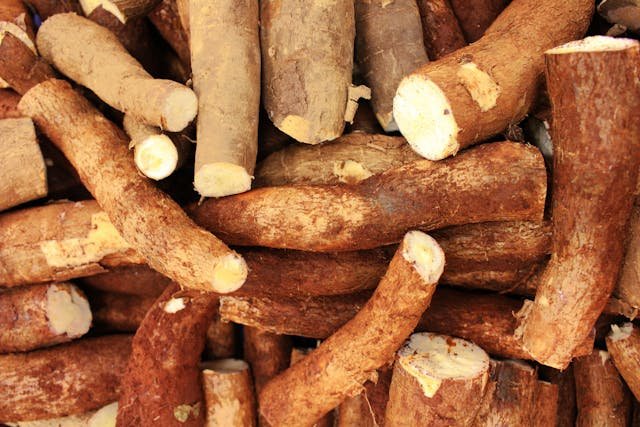
Managing acid reflux can make every mealtime a challenge, especially when you’re unsure about a food’s effect on your digestion. Tapioca, a starchy extract from the cassava root, is widely used in gluten-free recipes, puddings, and even as a thickener. Its mild nature makes it a favorite among those with sensitive stomachs, but what about its role in acid reflux?
Here’s the comforting truth: Tapioca is naturally low in acidity, with a neutral pH that makes it unlikely to irritate your esophagus or stomach lining. It is also gluten-free and easy to digest, making it a safe option for those with multiple dietary concerns. In fact, tapioca’s smooth, gentle texture is often recommended for people recovering from digestive issues.
To make tapioca truly reflux-friendly, pair it with non-acidic ingredients. For example, enjoy tapioca pudding made with almond milk instead of dairy or combine it with low-acid fruits like bananas. Avoid pairing it with sugary syrups or acidic toppings, as these can counteract its soothing properties.
In short, tapioca is a go-to food for acid reflux sufferers when prepared in simple, gentle ways.
Is Tapioca Acidic, Alkaline, Or Neutral?
Tapioca, derived from the cassava root, is primarily neutral to mildly alkaline. Its pH typically falls between 5.5 and 7.5, making it a low-acid option ideal for individuals with conditions like GERD (gastroesophageal reflux disease). Thanks to its predominantly carbohydrate composition and minimal fat or protein content, it doesn’t stimulate stomach acid production. This balance contributes to its reputation as a soothing and easy-to-digest food.
Cassava, in its raw form, contains naturally occurring compounds that may lean slightly acidic. However, during the extraction and processing of tapioca starch, these compounds are eliminated, leaving behind a neutral ingredient suitable for even the most sensitive digestive systems.
Related to Read: Is Parsley Acidic?
Are Avocados Acidic and Good for Acid Reflux?
Understanding Its PH Levels
The pH level of a food plays a significant role in determining whether it’s acidic, alkaline, or neutral. Tapioca falls into the neutral to mildly alkaline category, making it particularly valuable for those with acid reflux or digestive sensitivities. Its lack of strong acidic properties allows it to support stomach comfort without triggering heartburn or reflux.
The processing method of cassava into tapioca starch or pearls is key to its pH stability. By stripping away potentially reactive compounds, the resulting tapioca becomes a low-acid food that’s safe for various recipes and dietary needs.
| Form of Tapioca | Approximate pH Level | Comments |
| Raw Cassava (Unprocessed) | 5.0–6.0 | Slightly acidic due to naturally occurring compounds like linamarin |
| Tapioca Starch | 6.5–7.0 | Neutral to mildly alkaline; processing removes most acidic properties |
| Cooked Tapioca Pearls | 6.0–7.0 | Mildly alkaline depending on added ingredients like milk or sugar |
| Tapioca Pudding | Varies (6.0–7.5) | Neutral to alkaline; influenced by additional ingredients such as dairy |
Is Tapioca Pudding Acidic?
Tapioca pudding is not inherently acidic; its acidity depends on the ingredients used in preparation. The main base—milk—tends to have a neutral or slightly alkaline pH, which can help balance the dish. However, factors like added sugar, flavorings, or acidic toppings (such as fruit syrups or citrus zest) can make tapioca pudding slightly more acidic.
To keep tapioca pudding gentle on the stomach, opt for low-fat milk or plant-based alternatives, avoid high-sugar recipes, and skip acidic garnishes. Prepared this way, tapioca pudding can remain a reflux-friendly dessert option.
Is Tapioca Good Or Bad For Acid Reflux?
Tapioca is considered good for acid reflux due to its neutral to mildly alkaline nature. Foods high in acidity, fat, or spice can aggravate GERD symptoms, but tapioca offers a digestible, low-risk carbohydrate alternative. Its bland flavor makes it an excellent choice for soothing sensitive stomachs.
When paired with reflux-friendly ingredients, tapioca can help manage symptoms effectively. It’s important to avoid pairing it with acidic sauces, high-fat dairy, or spicy seasonings that could offset its benefits. Stick to simple, lightly seasoned preparations for the best results.
How To Incorporate Tapioca Into A GERD-Friendly Diet?
Tapioca is versatile and can be easily added to a GERD-friendly diet with minimal preparation. Here are some practical ways to include it:
- Tapioca Porridge: Cook tapioca pearls with water or plant-based milk, sweetened lightly with honey, and topped with non-acidic fruits like bananas or apples.
- Thickening Soups and Sauces: Tapioca starch acts as a gentle thickener for broths and sauces, avoiding the need for reflux-triggering cream or flour-based alternatives.
- Tapioca Flour-Based Breads and Pancakes: Gluten-free breads and pancakes made with tapioca flour are not only easy to digest but also neutral on the pH scale.
- Plain Tapioca Pearls as a Side Dish: Cooked tapioca pearls can serve as a low-acid side dish when paired with lean proteins and non-acidic vegetables.
Moderation is key. Overeating—even a reflux-friendly food like tapioca—can still lead to symptoms due to increased pressure on the stomach.
Tips For Cooking Tapioca Without Triggering Reflux
- Opt for Low-Fat Ingredients: High-fat ingredients like cream or butter can aggravate reflux. Use plant-based or low-fat milk instead.
- Avoid Adding Acidic Elements: Skip citrus, vinegar, or tomato-based additives that increase acidity.
- Hydrate Tapioca Properly: Fully hydrate tapioca pearls to avoid creating dense, difficult-to-digest dishes.
- Limit Spices and Seasonings: Keep recipes mild, avoiding reflux triggers like pepper or chili powder.
- Watch Portion Sizes: Even GERD-friendly recipes can cause discomfort if eaten in large quantities.
Tapioca-Based Snacks For Acid Reflux Relief
Tapioca can be transformed into delicious, reflux-friendly snacks:
- Tapioca Pudding: Made with almond milk and lightly sweetened with honey, it’s gentle and satisfying.
- Cassava Chips: Thinly sliced and baked, seasoned with mild herbs instead of heavy spices.
- Tapioca Crackers: Crunchy and gluten-free, perfect with reflux-friendly dips like plain hummus or mashed avocado.
- Banana Tapioca Cups: Layer cooked tapioca pearls with mashed banana for a naturally sweet, gentle snack.
- Savory Tapioca Pancakes: Cook tapioca flour batter with grated zucchini or carrots for a wholesome treat.
These snacks are easy to digest and help manage reflux symptoms.
Tapioca Recipes That Are Gentle On Digestion
Here are some simple tapioca recipes tailored for sensitive stomachs:
- Classic Tapioca Porridge
Ingredients: Tapioca pearls, water, almond milk, and a touch of honey.
Instructions: Soak tapioca pearls, cook until soft, sweeten, and serve warm. - Vegetable Tapioca Pancakes
Ingredients: Tapioca flour, grated zucchini, a pinch of salt, and water.
Instructions: Mix ingredients into a batter, pan-fry lightly, and serve with a dollop of plain yogurt. - Banana Tapioca Dessert
Ingredients: Tapioca pearls, mashed bananas, and coconut milk.
Instructions: Cook tapioca pearls, mix with mashed bananas, and chill before serving.
Each recipe prioritizes simple, non-acidic ingredients to ensure they’re gentle on digestion and safe for acid reflux management.
FAQs
Who Should Avoid Tapioca?
- Individuals with cassava allergies.
- Diabetics due to its high carbohydrate content.
- Those on a low-carb diet.
- People sensitive to processed foods.
Is Tapioca Bad For Your Stomach?
Tapioca is not bad for your stomach when consumed in moderation. Overeating can cause bloating or mild indigestion, especially if it’s poorly hydrated during cooking.
Can Tapioca Cause Acid Reflux?
Tapioca itself is unlikely to cause acid reflux due to its neutral pH. However, pairing it with acidic or fatty ingredients can trigger reflux symptoms.
Is Tapioca Good For Sensitive Stomachs?
Yes, tapioca is gentle and easily digestible, making it a good option for sensitive stomachs. Its bland nature and low acidity help soothe digestive discomfort.
Conclusion
Tapioca, derived from the cassava root, is a neutral to mildly alkaline food that fits well into a GERD-friendly diet. Its soothing properties, digestibility, and versatility make it an excellent choice for individuals dealing with acid reflux or other digestive sensitivities. Whether in the form of tapioca pudding, porridge, or as a thickener in soups, it provides a safe and satisfying carbohydrate source that doesn’t exacerbate stomach acidity.
When prepared thoughtfully, avoiding reflux-triggering ingredients like high-fat dairy, spices, or acidic additives, tapioca can be a valuable ally in managing reflux symptoms. Its ability to adapt to both sweet and savory dishes ensures it can fit into various meals, from snacks to desserts.
For those seeking gentle and nourishing recipes, tapioca offers a wide array of options that can help alleviate discomfort without compromising flavor or variety. By understanding its pH levels and preparing it in simple, stomach-friendly ways, you can enjoy the benefits of tapioca while keeping reflux symptoms at bay.
Related Posts



Subscribe for New Racipies
Get mental health tips, updates, and resources delivered to your inbox.
Chocolate Chip Cookies, The Cooks Illustrated Way

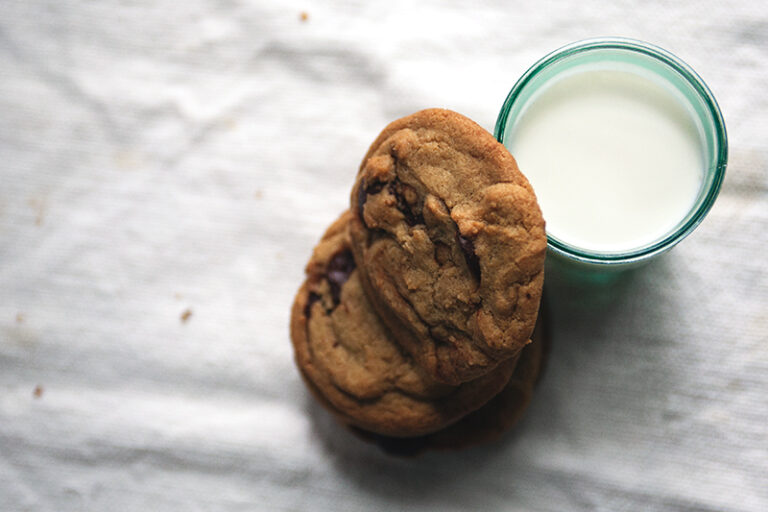
This weekend, I gorged on chocolate chip cookies. I mean who wouldn’t? Look at these things. Just look at ‘em. Seductive, no, served alongside a cool glass of milk?
I totally thought I’d settled the question of world’s best chocolate chip cookie recipe for good. But I find I may have to re-open the topic (it’s of the utmost importance, you know) and thrown in another contendor.
First, let’s figure out if we’re in agreement here. Do you like your cookies chewy? And soft? With that characteristic give when you first bite into them? Do you like them bronzed and flat and ripply on top, ready to dunk into cold milk?
That’s how I like my chocolate chip cookies. And my long-time standby has been Kim Boyce’s whole wheat chocolate chip cookies—yeah, the ones that spread like wildfire in the blogosphere. They’re ridiculously good, with the whole wheat flour stealing the show.
But for times when I want a slightly lighter cookie, one that’s not quite as… bold, let’s say, I think I’ll be reaching for this recipe.
It’s plain old comfort food, albeit comfort food I could eat at any time. It’s the classic chocolate chip cookie, no frills, no fancy ingredients, and I’m having a hard time keeping my hands off them.
My solution is usually to shove a bunch in a bag and hand them off to friends, but I find myself oddly protective of these.
In my heart, there’s room for two favorites.
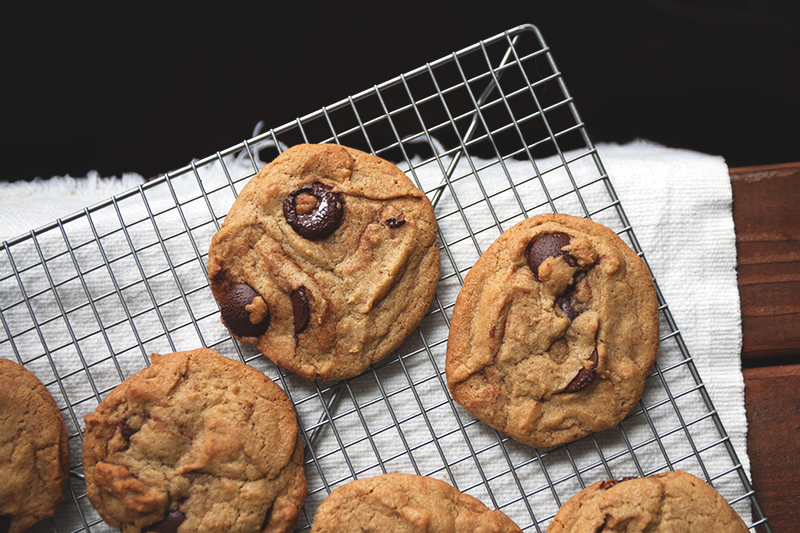
I’ve had The New Best Recipe sitting on my bookshelf for a while. Bless those giant, comprehensive compendiums. I put a lot of confidence in America’s Test Kitchen for its reliability and rigorous kitchen methods.
In the book, you can read about the entire trial and error process—the countless alterations tried—before a recipe was deemed perfect. It’s really informational.
For instance, did you know that “when melted butter is added to a dough, the proteins in the flour immediately grab onto the freed water molecules to form elastic strands of gluten?” I didn’t know that.
In the case of these chocolate chip cookies, their focus was on chewiness. Which is why melted butter and an extra egg yolk are called for. And they invented an elegantly simple way of shaping the cookies so they come out with that classic rippled top (instructions in the recipe).
Chocolate Chip Cookies
Recipe from Thick and Chewy Chocolate Chip Cookies in The New Best Recipe
Makes about 18 large cookies (I ended with 14)
Ingredients:
- 2 cups plus 2 Tbsp all-purpose flour
- 1/2 tsp baking soda
- 1/2 tsp salt
- 12 Tbsp (1-1/2 sticks) unsalted butter, melted and cooled until just warm
- 1 cup packed brown sugar
- 1/2 cup granulated sugar
- 1 large egg, plus 1 large egg yolk
- 2 tsp vanilla extract
- 1 to 1-1/2 cups semisweet chocolate chips
Update 8/22/12:I made these with half whole wheat flour and they turned out a success.
Directions:
Line 2 large baking sheets with parchment paper (or bake the cookies in batches like I did). Preheat oven to 325 degrees F.
Whisk together flour, baking soda, and salt in a medium bowl. Set aside.
Mix the butter and sugars until thoroughly blended. Beat in the egg, yolk, and vanilla until combined. Add the dry ingredients and beat at low speed until just combined. Stir in the chips to taste.
Roll a scant 1/4 cup of dough into a ball. Holding onto it with the fingertips of both hands, pull the ball apart into two equal pieces. Rotate both pieces so that the jagged, ripped edge is facing upwards, then push both halves together again with the jagged edges still facing upwards. Place the dough on the baking sheet, spaced about 2-1/2 inches apart.
Bake 15 to 18 minutes, until the cookies are light golden brown. Rotate the baking sheet about halfway through for even baking. Don’t overbake! The cookies will harden when cooled and the centers will set.
Related Posts





Subscribe for New Racipies
Get mental health tips, updates, and resources delivered to your inbox.