Blueberry Sour Cream Ice Cream

Medically reviewed by Christiana George Updated Date: June 8, 2023

Blueberry Sour Cream Ice Cream

In the last week, my outlook on life has improved, oh, about 1000%, and here’s why: we finally got an air conditioner! It’s such an important event that I feel our time here will forever be divided between the time before and after its arrival.

While it’s transformed just about every aspect of daily life—from being able to sleep through the night to actually feeling clean after a shower to feeling motivated once again to do things other than sit in front of the fan (not conducive to blogging, believe me), most importantly of all, I can now, once again, envision food being made. The cereal diet has been lifted and I will never again underestimate the value of HVAC.

Blueberry Sour Cream Ice Cream

This ice cream is one of the few things I could muster into being during the time B.A.C. (before A/C) and the reason is because it involved absolutely no stove time whatsoever. That’s right. Which makes it my first custard-less ice cream ever. And it’s delicious.


I’d originally been inspired by this awesome-looking strawberry sour cream ice cream that Katie had made awhile back. Except I balked at the number of egg yolks the recipe called for (Nine. Really? Are they really necessary? Does anyone know what the relation is between number of yolks and consistency/taste?). So after a quick web search, I found another recipe for sour cream ice cream that involved zero yolks, and little much of anything else. It was the simplest recipe ever: mix the ingredients, refrigerate, churn. Easy. Clean up consisted of one bowl and one immersion blender (as well as the usual assortment of measuring implements, but they don’t count).

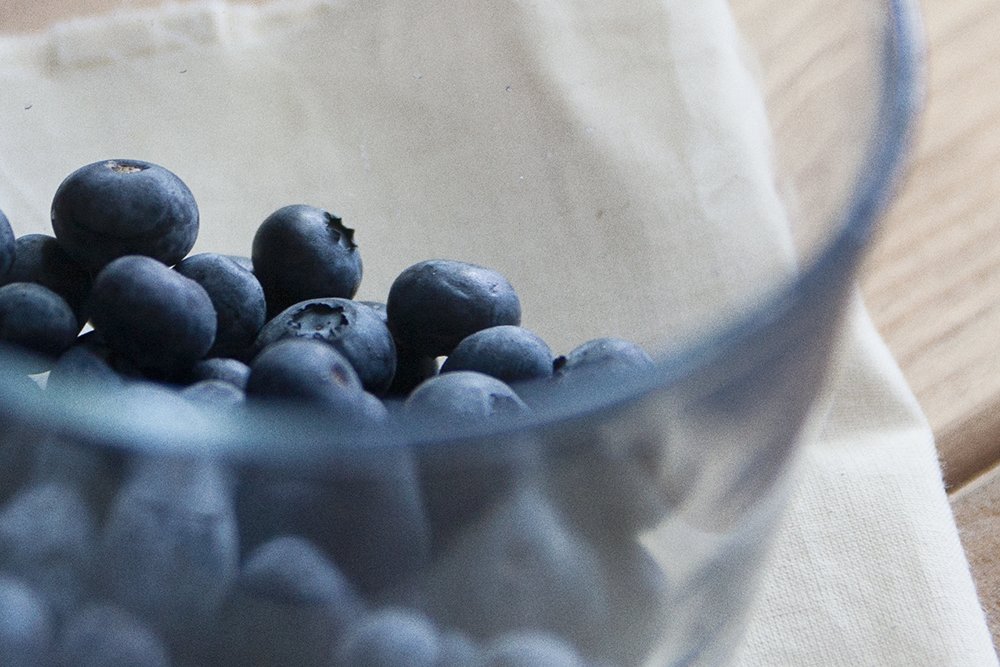
The ice cream came out with just the right amount of tang, sort of similar to the plain-flavored fro-yo that’s so popular these days, but much creamier and smoother, like Cheesecake Lite. I also love how the blueberry sauce came out, streaks and pockets and bursts of lovely violet that taste delicately sweet against the sharpness of the sour cream.

I am a huge fan. And though I’m back in action in the kitchen, this is one easy recipe that I’ll be coming back to again and again.

Blueberry Sour Cream Ice Cream

One year ago: Apricot raspberry galette

BLUEBERRY SOUR CREAM ICE CREAM

Adapted from Gourmet
Makes about a quart

Ingredients:

For the blueberry sauce:

1-1/2 cups blueberries
3/4 cup sugar


For the ice cream:

1 16-ounce container chilled sour cream
1 cup chilled whole milk
3/4 cup sugar
1/2 cup chilled heavy cream
2 teaspoons fresh lime juice
1/2 teaspoon pure vanilla extract
pinch salt

Directions:

For the blueberry sauce:

Put the blueberries and sugar in a small saucepan, stir to mix, and bring to a boil over medium heat. Reduce heat and simmer, stirring occasionally, until the berries are very tender and the sauce is slightly thickened, about 8 minutes. Remove from the heat, and let cool. Refrigerate until cold before using.

For the ice cream:

Blend all the ingredients until mixture is smooth and sugar has dissolved. Chill until very cold, overnight if possible. Freeze mixture in ice cream maker. Transfer to an airtight container, drizzling in the blueberry sauce intermittently. Place in freezer until firm.


Subscribe for New Racipies

Get mental health tips, updates, and resources delivered to your inbox.

Is Basmati Rice Acidic? Its Role in Acid Reflux Management

Aneeza Pervez
Is Basmati Rice Acidic

When dealing with acid reflux or gastroesophageal reflux disease (GERD), making informed choices about the foods you eat becomes essential. Rice, particularly basmati rice, is a popular choice for many meals due to its light texture, aromatic flavor, and ease of digestion. However, for those managing acid reflux, it’s important to understand how different types of rice, including basmati, impact the digestive system. So, is basmati rice acidic? Let’s explore this question and discover how basmati rice can fit into a heartburn-friendly diet, its potential benefits, and tips on how to consume it safely to avoid triggering reflux symptoms.

Basmati Rice and Its pH: Is It Acidic or Alkaline?

Basmati rice, like most grains, is considered a low-acid food with a neutral pH. The pH level of basmati rice typically ranges between 6.0 and 7.0, placing it right in the middle of the acidic vs. alkaline scale. This makes it a gentle food choice for those suffering from acid reflux. Unlike acidic foods, which can trigger the production of stomach acid and lead to heartburn, basmati rice is unlikely to irritate the esophagus or stomach lining when consumed in moderation.

Additionally, basmati rice is a carbohydrate, and carbohydrates are usually easy to digest and less likely to cause discomfort compared to high-fat or high-protein foods. However, just because basmati rice itself is neutral doesn’t mean it’s completely free of potential reflux triggers. It’s important to consider how the rice is prepared and what it’s paired with to ensure that it remains gentle on the digestive system.


Author Tip: Are Rice Cakes Healthy? 

How Basmati Rice Affects Digestion for Acid Reflux Sufferers

When managing acid reflux, it’s essential to pay attention not only to the pH of foods but also to how they interact with your digestive system. According to health experts, basmati rice is a complex carbohydrate that provides a steady source of energy without spiking blood sugar levels. Its low glycemic index makes it a good choice for those looking to maintain stable energy levels throughout the day.

For acid reflux sufferers, the body’s ability to digest food without excess acid production is crucial. Basmati rice is known for being relatively easier on the stomach compared to other grains like white rice or oats. The digestion process involves breaking down the food into simpler components, and basmati rice does this efficiently. Additionally, the rice’s low fat content means it’s less likely to irritate the stomach, which could lead to reflux.

However, it’s important to note that portion control is key. Eating large quantities of basmati rice can lead to overloading the digestive system, potentially causing reflux symptoms in some individuals. Eating in moderation and ensuring that rice is paired with reflux-friendly foods can help prevent discomfort.

Is Basmati Rice a Good Choice for Acid Reflux Diets?

Many people with acid reflux struggle with finding foods that are both nutritious and gentle on the digestive system. Basmati rice can be an excellent addition to a reflux-friendly diet, thanks to its low-fat content and low-acidic properties. It provides an easy-to-digest source of carbohydrates that can be paired with vegetables, lean proteins, and other heartburn-friendly ingredients.

For acid reflux sufferers, a diet rich in whole grains and low-acid foods is often recommended. Basmati rice, being a whole grain when purchased in its brown form, offers significant nutritional benefits, including fiber, which promotes healthy digestion. The fiber content in basmati rice helps absorb stomach acid and can reduce the risk of reflux by keeping the digestive process smooth. Brown basmati rice also provides vitamins like B-complex, which support metabolic processes and contribute to overall health.

Another advantage of basmati rice is that it does not stimulate acid production in the stomach, unlike some foods with higher protein or fat content, which may increase the likelihood of acid reflux. By incorporating basmati rice into meals, individuals with acid reflux can enjoy satisfying, nutritious meals without the worry of aggravating their symptoms.


How to Cook Basmati Rice for Acid Reflux Relief?

While basmati rice itself is considered reflux-friendly, the method of preparation plays a significant role in determining its impact on acid reflux. How you cook basmati rice and what you pair it with can either help soothe or irritate the digestive system. Here are some tips for preparing basmati rice in a way that minimizes the risk of acid reflux:

  • Soaking the Rice: Soaking basmati rice before cooking it can help reduce the starch content, making it easier to digest. This process also helps soften the rice and may improve its overall texture, which is beneficial for sensitive stomachs.
  • Avoid Excessive Fats: When cooking basmati rice, avoid adding heavy fats or oils, such as butter or cream, which can aggravate acid reflux. Instead, opt for healthier fats like olive oil, which is gentle on the stomach and has anti-inflammatory properties.
  • Pairing with Reflux-Friendly Foods: To ensure that your meal remains heartburn-friendly, pair basmati rice with vegetables like zucchini, spinach, or sweet potatoes, and lean proteins such as chicken or fish. These foods are low in acidity and won’t trigger reflux when consumed with rice.
  • Avoid Spicy Additions: While basmati rice can be flavorful on its own, it’s important to avoid pairing it with spicy or heavily seasoned ingredients that can irritate the stomach. Opt for milder herbs and spices like parsley or ginger, which are known to have soothing effects on the digestive system.

By following these simple cooking tips, you can ensure that basmati rice remains a safe and satisfying option for managing acid reflux.

Other Considerations: Is Basmati Rice the Best Rice for Acid Reflux?

While basmati rice is an excellent choice for acid reflux sufferers, it’s important to consider other types of rice and grains that may also fit into a reflux-friendly diet. Brown rice and wild rice are also low-acid options that can offer similar digestive benefits. However, basmati rice, particularly in its brown form, stands out due to its aromatic flavor, texture, and the fact that it’s often considered easier to digest than other varieties.

For individuals who are particularly sensitive to starches or carbohydrates, it may be worth experimenting with other grains such as quinoa or oats, which are also generally gentle on the digestive system. Ultimately, the key to managing acid reflux is to choose a variety of foods that work well with your body, paying attention to your symptoms and making adjustments based on your tolerance.

Frequently Asked Questions (FAQs)

1. Is basmati rice acidic?

Basmati rice is considered a neutral food, with a pH range of 6.0 to 7.0, making it non-acidic. This makes it a safe option for individuals managing acid reflux or heartburn, as it does not trigger excess acid production in the stomach.

2. Can I eat basmati rice if I have acid reflux?

Yes, basmati rice is a great option for acid reflux sufferers. Due to its low acidity and easy digestibility, it is gentle on the stomach and unlikely to trigger reflux symptoms when eaten in moderation and paired with other heartburn-friendly foods.

3. Does basmati rice cause heartburn?

Basmati rice itself is unlikely to cause heartburn, as it has a low acid content. However, portion control and preparation are important. Avoid cooking it with heavy fats or spicy ingredients, as these can contribute to heartburn in sensitive individuals.

4. Is brown basmati rice better than white basmati rice for acid reflux?

Both brown and white basmati rice are reflux-friendly options, but brown basmati rice offers higher fiber content, which may help with digestion and reduce the likelihood of reflux. However, both types are generally safe for acid reflux when consumed in moderation.


5. How should I cook basmati rice to prevent acid reflux?

To make basmati rice more reflux-friendly, soak it before cooking to reduce starch content and make it easier to digest. Avoid adding spices, heavy fats, or acidic ingredients. Pair it with vegetables like zucchini or sweet potatoes and lean proteins for a heartburn-safe meal.

6. Can basmati rice help with digestion?

Yes, basmati rice is a digestive-friendly food, especially when consumed in its whole grain (brown) form. The fiber in brown basmati rice promotes healthy digestion and helps absorb stomach acid, reducing the chances of reflux.

7. Is basmati rice a good choice for a low-acid diet?

Basmati rice is an excellent choice for a low-acid diet. Its neutral pH and low-fat content make it an ideal base for meals that do not trigger acid reflux. Pair it with non-acidic foods like leafy greens and lean meats for a balanced meal.

8. Can I eat basmati rice every day on a reflux diet?

While basmati rice is generally safe for acid reflux sufferers, it’s important to practice moderation and variety in your diet. Eating too much of any food, even a gentle one like basmati rice, can lead to digestive issues. Balance it with other low-acid, nutritious foods.

Conclusion: Enjoying Basmati Rice Without Worrying About Heartburn

Basmati rice, with its mild pH, low fat content, and easy digestibility, is a safe food choice for those dealing with acid reflux. Whether you choose white or brown basmati rice, it provides nutritional benefits, supports healthy digestion, and can be included in a reflux-friendly diet when prepared properly. Remember to soak or rinse the rice before cooking, avoid excessive fats, and pair it with low-acid foods for the best results. By following these guidelines, you can enjoy this flavorful grain without the worry of triggering heartburn.


Subscribe for New Racipies

Get mental health tips, updates, and resources delivered to your inbox.