
Are Almond Milk Good for Acid Reflux?
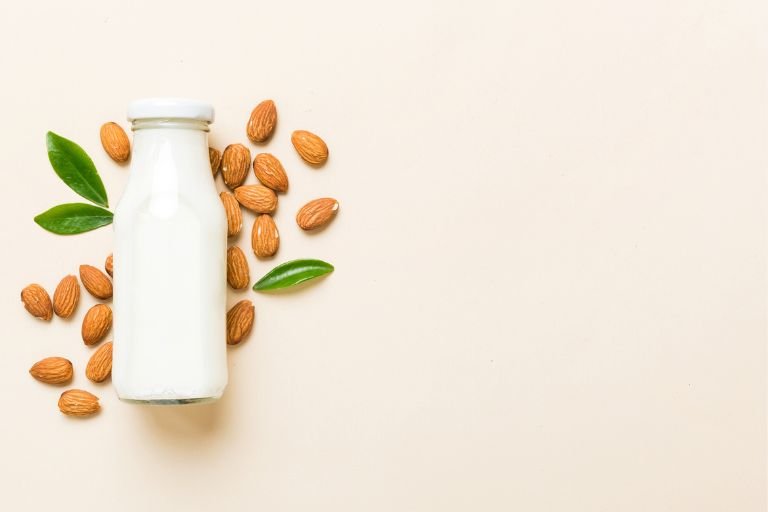
Almond milk, a popular dairy alternative, has gained significant attention for its creamy texture, mild flavor, and impressive nutritional profile. For those who struggle with acid reflux or GERD (gastroesophageal reflux disease), finding safe beverages can be challenging. So, the question arises: “Is almond milk good for acid reflux?”
The short answer is: Yes, almond milk is generally good for acid reflux. Its naturally low acidity, soothing properties, and absence of lactose make it a safe and often beneficial choice for those managing acid reflux symptoms. Additionally, almond milk is rich in nutrients that support overall digestive health, making it a great alternative to cow’s milk, which may exacerbate reflux for some individuals.
In this article, we’ll explore why almond milk is considered reflux-friendly, its nutritional benefits, and tips for incorporating it into your diet to manage acid reflux effectively.
Is Almond Milk Acidic or Alkaline?
Almond milk is considered alkaline and has a pH level that ranges from 6.0 to 7.0, depending on the brand and added ingredients. Its alkalizing properties make it an excellent choice for neutralizing stomach acid and soothing the esophagus, which is often irritated by acid reflux.
Compared to cow’s milk, which is mildly acidic (especially full-fat or flavored varieties), almond milk is less likely to aggravate reflux symptoms. This makes it a popular dairy-free alternative for individuals who are lactose intolerant or sensitive to dairy.
Related to Read: Is Coconut Milk Acidic?
Nutritional Profile of Almond Milk
Almond milk is packed with essential nutrients that contribute to its health benefits, particularly for those managing acid reflux. Here’s a breakdown of almond milk nutritional components:
1. Low in Fat
- Unsweetened almond milk contains only about 2.5 grams of fat per cup, making it a low-fat option that is less likely to relax the lower esophageal sphincter (LES)—a common cause of acid reflux.
2. Naturally Lactose-Free
- Almond milk is plant-based and contains no lactose, making it easier to digest for individuals who experience bloating or reflux symptoms with dairy milk.
3. Rich in Calcium
- Most almond milk is fortified with calcium, providing up to 30% of the daily recommended intake per cup. Calcium supports healthy muscle function, including the LES, which helps prevent acid reflux.
4. Source of vitamin D
- Fortified almond milk contains vitamin D, which supports bone health and helps regulate inflammation in the digestive tract.
5. Low in Calories
- Unsweetened almond milk has only 30–40 calories per cup, making it a weight-friendly choice for individuals managing acid reflux through weight loss.
6. Contains Magnesium
- Almond milk contains magnesium, a mineral that promotes muscle relaxation in the digestive tract and reduces symptoms of GERD.
Why Almond Milk is Good for Acid Reflux?
Almond milk offers several benefits that make it a great choice for individuals managing acid reflux:
1. Soothes the Esophagus
- Almond milk’s alkaline properties can help neutralize stomach acid and create a protective coating for the esophagus, reducing irritation caused by acid reflux.
2. Gentle on the Stomach
- Unlike acidic beverages such as citrus juices or coffee, almond milk is gentle on the stomach and does not stimulate excess acid production.
3. Supports Digestion
- Almond milk’s natural magnesium content supports the muscles of the digestive tract and promotes smooth digestion, reducing bloating and discomfort.
4. Dairy-Free and Lactose-Free
- Many individuals with acid reflux are sensitive to lactose or dairy proteins, which can trigger symptoms. Almond milk provides a safe and nutritious alternative.
5. Aids in Weight Management
- Maintaining a healthy weight is crucial for managing acid reflux, as excess weight can put pressure on the stomach and worsen symptoms. Almond milk’s low calorie and fat content make it a weight-friendly beverage.
Author Tip:Is Almond Yogurt Acidic?
Tips for Using Almond Milk Safely with Acid Reflux
While almond milk is generally safe and beneficial for acid reflux, the following tips can help you make the most of it:
1. Choose Unsweetened Almond Milk
- Sweetened almond milk often contains added sugars, which can exacerbate acid reflux symptoms. Opt for unsweetened varieties to minimize the risk.
2. Avoid Flavored Almond Milk
- Flavored almond milk (such as chocolate or vanilla) may contain added ingredients, like artificial flavors or acidic additives, that can trigger reflux symptoms. Stick to plain almond milk.
3. Watch for Additives
- Some brands add thickeners or stabilizers to almond milk that may irritate sensitive stomachs. Look for brands with minimal ingredients.
4. Monitor Your Portion Sizes
- Although almond milk is low in fat and calories, consuming large quantities in one sitting can still put pressure on the stomach. Stick to 1–2 cups per serving.
5. Pair with Reflux-Friendly Foods
- Use almond milk in recipes that include other reflux-friendly ingredients, such as bananas, oats, or spinach, to create balanced meals and snacks.
Reflux-Friendly Almond Milk Recipes
1. Almond Milk Smoothie
Ingredients:
- 1 cup unsweetened almond milk
- 1 banana
- 1/2 cup frozen mango
- 1 teaspoon honey (optional)
Instructions:
- Blend all ingredients until smooth.
- Serve as a refreshing, reflux-friendly snack or breakfast.
2. Creamy Oatmeal with Almond Milk
Ingredients:
- 1/2 cup oats
- 1 cup unsweetened almond milk
- 1/2 teaspoon cinnamon (optional)
- 1 teaspoon maple syrup (optional)
Instructions:
- Cook oats in almond milk over medium heat until creamy.
- Stir in cinnamon and maple syrup for added flavor.
- Serve warm as a comforting, reflux-safe breakfast.
3. Almond Milk and Spinach Soup
Ingredients:
- 2 cups spinach leaves
- 1 cup unsweetened almond milk
- 1/2 cup low-sodium vegetable broth
- A pinch of salt
Instructions:
- Heat vegetable broth and spinach in a pot until spinach wilts.
- Blend the mixture with almond milk until smooth.
- Season with salt and serve warm.
Almond Recipes: Almond Shortbread Cookies
Almond Macarons With Caramelized White Chocolate Ganache
Frequently Asked Questions About Almond Milk and Acid Reflux
1. Is almond milk good for GERD?
Yes, almond milk is good for GERD because it is low in acidity, soothing for the digestive system, and free of lactose, which can exacerbate GERD symptoms in some individuals.
2. Can almond milk trigger acid reflux?
Almond milk is unlikely to trigger acid reflux when consumed in moderation. However, flavored or sweetened varieties may contain additives that can cause discomfort for some people.
3. Is almond milk better than cow’s milk for acid reflux?
For many individuals with acid reflux, almond milk is a better option than cow’s milk because it is lower in fat and lactose-free, both of which can reduce reflux symptoms.
4. Can I drink almond milk every day with acid reflux?
Yes, almond milk can be consumed daily as part of a reflux-friendly diet. Just ensure you’re choosing unsweetened and minimally processed varieties.
5. What other plant-based milks are good for acid reflux?
Other plant-based milks that are good for acid reflux include oat milk, coconut milk (in moderation), and rice milk, all of which are low in acidity and gentle on the stomach.
Final Thoughts
Almond milk is a nutritious, alkaline, and reflux-friendly beverage that can be safely included in the diets of those managing acid reflux or GERD. Its low acidity, absence of lactose, and anti-inflammatory properties make it a soothing alternative to cow’s milk and other dairy products.
Whether used in smoothies, oatmeal, or soups, almond milk is a versatile ingredient that can help neutralize stomach acid and reduce reflux symptoms. Just remember to choose unsweetened varieties, avoid additives, and consume it in moderation for the best results.
Gluco6 Reviews
ProstaVive Reviews
Mitolyn Reviews
Nagano Tonic Reviews
Nerve Fresh
Lipozem Reviews
Sugar defender
CelluCare Reviews
Nitric Boost Ultra Reviews
Pineal XT Reviews
Related Posts


Subscribe for New Racipies
Get mental health tips, updates, and resources delivered to your inbox.
Brussels Sprouts, Momofuku-style

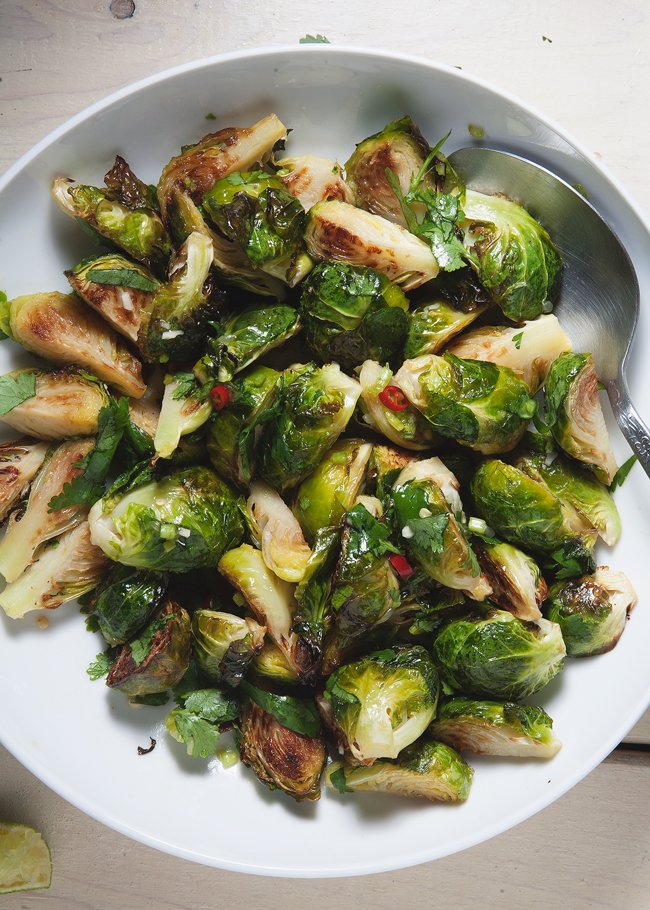
I’ve been testing out a couple Thanksgiving recipes (my contributions to Thursday’s dinner) and was floored by this brussels sprouts recipe. If you’re still planning a side dish, I submit this one as a contender.

This recipe is by David Chang of Momofuku fame. Enough said, maybe?
If not, consider the brilliance behind this recipe: it take a standard fall/winter ingredient and infuses it with a lively combination of tart, spicy, sweet, and savory, effectively transforming stodgy old brussels sprouts into a stunner. And a delectable one at that. I’m all for food makeovers.
Anyway, this one’s going on the Thanksgiving spread—and winter rotation. I hope you give it a try!
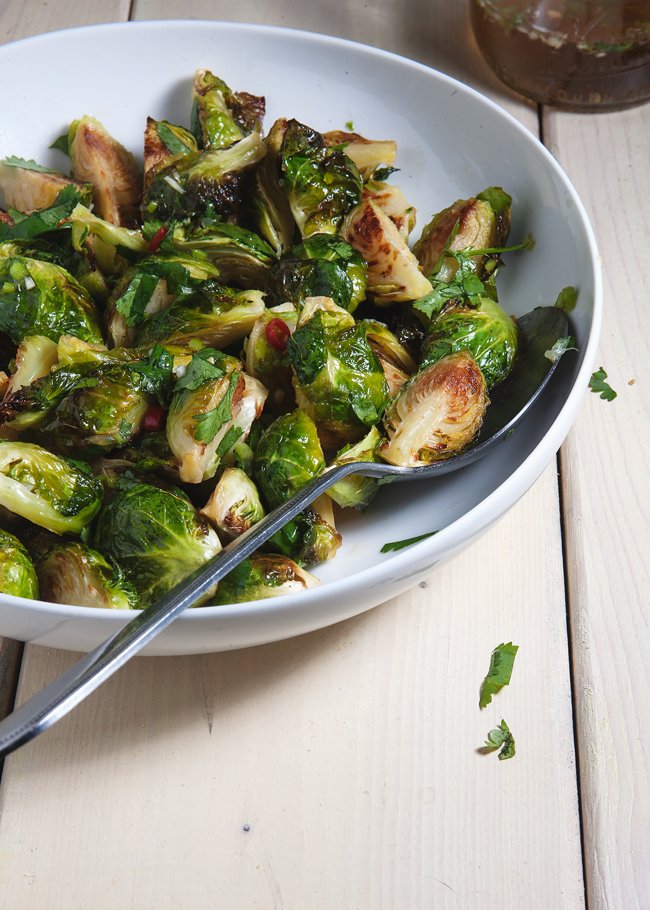
BRUSSELS SPROUTS, MOMOFUKU-STYLE
Adapted from Momofuku via Food52
Serves 4
Ingredients:
2 lbs. Brussels sprouts
2 Tbsp vegetable oil
1/2 cup chopped cilantro leaves
For the vinaigrette:
2 Tbsp thinly-sliced cilantro stems
1/2 cup fish sauce
1/4 cup water
2 tablespoons rice vinegar
Juice of 1 lime
1/4 cup sugar
1 garlic clove, minced
1 to 3 red bird’s-eye chiles, thinly sliced, seeds intact
Directions:
Combine all the ingredients for the vinaigrette and set aside (it can be made up to a week in advance if stored in the fridge).
Preheat oven to 400 degrees F. Trim the sprouts, cutting off the dry part of the stem and peeling away any yellow or loose leaves. Dry very well. Cut the sprouts in halves, large ones in quarters. Toss them with the oil, then lay them, cut sides down, in one layer on a large baking sheet (you may need two). Roast for about 15 minutes, then, if they’re browning, flip them with a spatula. Continue roasting until they’re tender and nicely brown, another 10 minutes or so.
When ready to serve, toss with dressing to taste and cilantro leaves.

Related Posts


Subscribe for New Racipies
Get mental health tips, updates, and resources delivered to your inbox.