
Are Dried Beans Acidic? What You Need to Know

Medically reviewed by Aneeza Pervez Updated Date: January 2, 2026

Dried beans are a staple in many diets due to their high nutritional value, affordability, and versatility. They are rich in protein, fiber, vitamins, and minerals, making them a popular choice for vegetarians, vegans, and anyone looking to improve their overall health. However, if you suffer from acid reflux or gastroesophageal reflux disease (GERD), you may be wondering whether dried beans are acidic and whether they could trigger your symptoms.
In this article, we’ll explore the pH level of dried beans, how they relate to acid reflux, and whether or not they should be part of your diet if you have digestive issues. We’ll also provide insights into the best ways to enjoy dried beans while managing acid reflux.
What Are Dried Beans?
Dried beans are legumes that have been harvested and left to dry. Common varieties include kidney beans, black beans, chickpeas, lentils, and pinto beans. These beans are a rich source of plant-based protein, fiber, iron, and folate. Dried beans are commonly soaked before cooking, which helps reduce cooking time and enhance their digestibility. Once cooked, they can be used in a wide variety of dishes, from soups to salads and stews.
Are Dried Beans Acidic?
To understand whether dried beans are acidic, we need to examine their pH level. The pH scale measures how acidic or alkaline a substance is. On the pH scale, 7 is neutral, values below 7 are acidic, and values above 7 are alkaline.
Most dried beans are considered mildly acidic to neutral, with a pH that typically falls between 5.5 and 6.5. This makes them slightly acidic, but not extremely so. The acidity of beans can vary slightly depending on the variety and how they are prepared, but in general, they are less acidic than many other foods like citrus fruits or tomatoes.
Common pH levels of dried beans:
- Kidney beans: pH 6.0
- Black beans: pH 5.5
- Chickpeas: pH 6.0
- Pinto beans: pH 6.0
Since beans are mildly acidic, they are less likely to trigger acid reflux compared to more acidic foods. However, for some individuals with sensitive digestive systems, beans may cause discomfort due to their high fiber content or their tendency to produce gas.
Dried Beans and Acid Reflux
Acid reflux occurs when stomach acid flows backward into the esophagus, leading to symptoms such as heartburn, chest pain, and regurgitation. For people suffering from acid reflux or GERD, managing diet plays an essential role in controlling symptoms. It’s important to know whether certain foods, like dried beans, can trigger or alleviate acid reflux.
How Dried Beans Affect Acid Reflux:
While dried beans are mildly acidic, they are not considered a common trigger for acid reflux. In fact, beans have several properties that may help in managing acid reflux:
- High Fiber Content:
- Dried beans are an excellent source of soluble fiber, which can help regulate digestion and prevent constipation. Proper digestion may help reduce the likelihood of acid reflux, as delayed digestion can contribute to the production of excess stomach acid.
- Low Fat Content:
- Dried beans are naturally low in fat, which makes them less likely to trigger acid reflux symptoms. High-fat foods, particularly fried or greasy foods, are known to relax the lower esophageal sphincter, allowing stomach acid to travel up into the esophagus.
- Alkalizing Effect:
- While beans themselves are mildly acidic, they have an alkalizing effect on the body once digested. This can help neutralize excess acid in the stomach and esophagus, which is beneficial for acid reflux sufferers.
- Protein Source:
- Beans are a good plant-based protein source, and protein-rich foods are generally considered less likely to exacerbate acid reflux when compared to highly acidic or fatty meats.
However, for some individuals, beans can still cause discomfort, particularly if they are not properly cooked or if you have a sensitivity to certain fibers. Beans contain oligosaccharides, a type of carbohydrate that can cause gas and bloating, which may lead to discomfort in people with sensitive digestive systems. This can sometimes exacerbate acid reflux symptoms indirectly by increasing abdominal pressure.
Author Tip: 7 Kinds of Foods to Avoid with GERD
Managing Acid Reflux with Dried Beans
If you have acid reflux or GERD and wish to include dried beans in your diet, there are several tips to help minimize the risk of discomfort:
- Soak Beans Before Cooking:
- Soaking dried beans before cooking helps break down some of the oligosaccharides responsible for gas production. This can make beans easier to digest and reduce the likelihood of bloating or discomfort.
- Cook Beans Thoroughly:
- Always cook beans thoroughly to ensure they are easy to digest. Undercooked beans may be harder on the digestive system, leading to gas and bloating.
- Combine Beans with Alkaline Foods:
- Pair dried beans with alkaline foods such as spinach, cucumbers, or bananas to help neutralize any potential acidity and support digestion.
- Limit Portion Size:
- If you are sensitive to beans, it’s best to consume them in smaller portions. Eating large amounts of beans in one sitting can put extra pressure on your digestive system and exacerbate acid reflux symptoms.
- Consider Bean Varieties:
- Some beans may be easier to digest than others. For example, lentils and split peas tend to cause less gas than kidney or black beans and may be a better choice for individuals with acid reflux.
Author Tip: 7-Day Meal Plan For Gastritis
Scientific Research on Beans and Acid Reflux
While there is limited direct research on the effects of dried beans on acid reflux, studies examining the role of fiber-rich foods in digestive health support the idea that beans can aid in reducing symptoms.
Study 1: The Role of Fiber in Digestive Health
A study published in the American Journal of Gastroenterology found that a high-fiber diet, including beans, can improve symptoms of acid reflux by promoting healthy digestion and reducing constipation. The research also suggests that fiber-rich foods help prevent acid reflux by improving the function of the lower esophageal sphincter.
Study 2: Plant-Based Diets and GERD
Another study conducted by the Journal of the Academy of Nutrition and Dietetics indicated that plant-based diets, which include legumes like beans, may help reduce acid reflux symptoms. The research highlighted the potential benefits of fiber, antioxidants, and other nutrients found in legumes.
Conclusion
To answer the question, are dried beans acidic?: While dried beans are mildly acidic, they are not highly acidic and are not considered common triggers for acid reflux. In fact, beans have a range of benefits for digestive health, including being a rich source of fiber, protein, and antioxidants. When prepared and consumed properly, beans can be an excellent addition to a reflux-friendly diet.
If you experience discomfort after eating beans, consider soaking and cooking them thoroughly, starting with small portions, and combining them with other alkaline foods. As always, it’s a good idea to consult with a healthcare provider before making any significant changes to your diet, especially if you have chronic acid reflux or GERD.
Related Posts



Subscribe for New Racipies
Get mental health tips, updates, and resources delivered to your inbox.
Split Pea Soup, Round And Whole And Filling

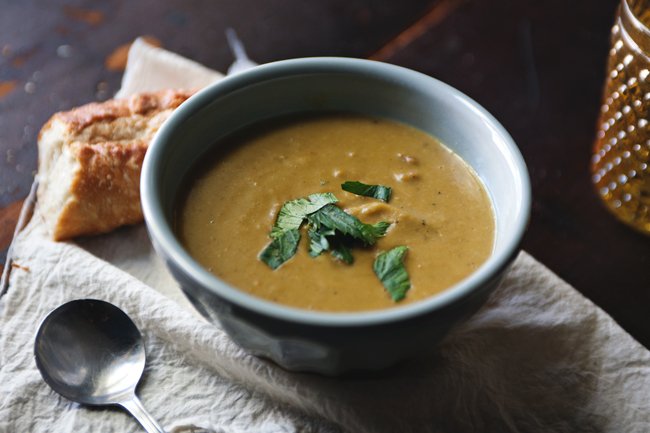
Chris and I split a can of clam chowder the other day. You know, the readymade stuff. I’d forgotten how convenient it was to prepare. You just slap it into a pot and let it come to a boil, and then it’s ready. I’d also forgotten how much I liked it. I hope you’re not shaking your head, shuddering at all the preservatives and chemicals we consumed. Seriously, when you’re in the need for a quick soup fix, canned clam chowder always hits the spot.
And with that, soup season officially began.
After the clam chowder, I immediately found myself craving split pea soup, which I didn’t realize involved tossing a part of a pig into a pot to simmer alongside green split peas and other ingredients. There’s something elusively tantalizing about the smell of smoked meat—it feels round. Round and whole and filling. I think it strikes an instinctual cord in me, the part that huddles as close to a fire as possible until the flames practically lick my hands. No, maybe not that close. I’m a tiny bit afraid of fire.

This soup is a mishmash of legume and vegetables, too. You know what they do? They soften, and sort of melt. The immersion blender finishes the job. The result reminds me of baby food. Green pea puree or something along those lines. Soupy mush in that rare not-quite-yellow, not-quite-green color. Winsome description, I know. But the flavor! I’m not so sure a baby would be able to handle such a taste explosion; it would be too much to process.
I hope you make a huge pot of this soup on a chilly day. You might want to open a couple windows, you’ll be so warmed to the soul.

SPLIT PEA SOUP
Adapted from Bon Appétit
Serves 6
Ingredients:
2 Tbsp butter
1 medium onion
2 cloves garlic
1 cup chopped celery
1 cup chopped peeled carrots
1-1/2 lbs. smoked pork hocks
2 tsp dried marjoram
1 tsp dried oregano
2 cups green split peas
6 cups water
Directions:
Melt butter in heavy large pot or Dutch oven over medium-high heat. Add onion, garlic, celery, and carrots. Sauté until vegetables begin to soften, about 8 minutes. Add pork, marjoram, and oregano; stir 1 minute. Add peas, then water, and bring to boil.
Reduce heat to medium-low. Partially cover pot; simmer soup until pork and vegetables are tender peas are falling apart, stirring often, about 1 hour and 10 minutes.
When ready, remove hocks. Using an immersion blender or regular blender (being careful not to overfill it), puree the soup. Cut pork off bones, dice it, and return to soup. Season with salt and pepper.
Related Posts
Subscribe for New Racipies
Get mental health tips, updates, and resources delivered to your inbox.