
Brooklyn Blackout Cake

Medically reviewed by Christiana George Updated Date: June 8, 2023
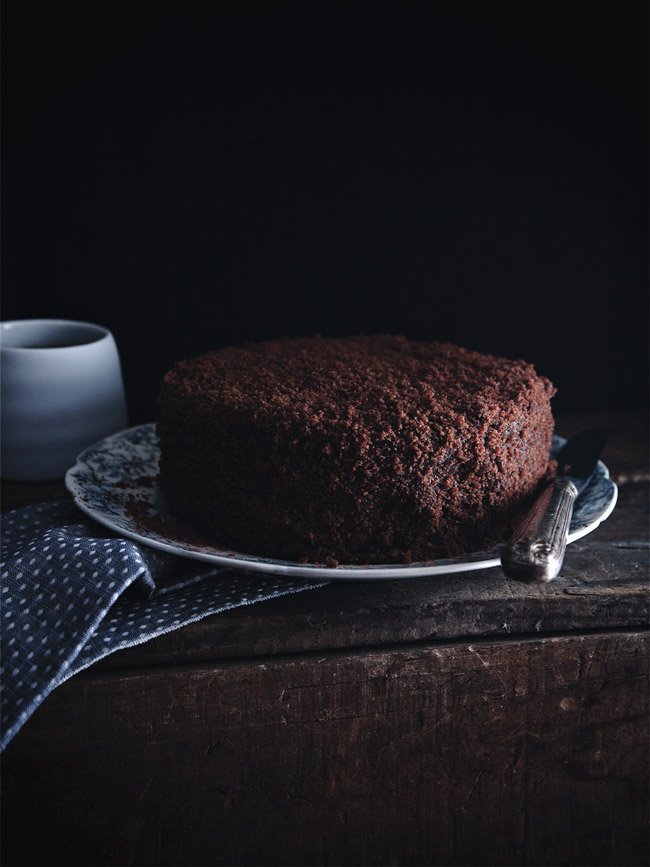
A proper celebratory cake should consist of at LEAST three layers, am I right? Unless the two layers are really thick, or the one layer is a flourless chocolate cake, or an olive oil cake, or something else rustic (and probably foreign). That being said, this cake features three teeny-tiny layers, so maybe it’s only technically a one-and-a-half layers tall. But that’s neither here nor there. The official story is, I made a three-layer cake, and that’s that.
The occasion? My birthday! (I know, I know, who makes their own birthday cake? Hello, a food blogger, duh!) We celebrated on Saturday, therefore the cake was consumed that day. I had to hustle to complete it because my original idea for a twenty-something-layer crepe cake flopped (also, I discovered that Trader Joes’s powdered sugar is slightly gray-colored. Ever seen a gray glaze on a cake? Probably not, because it’s gross-looking.)
For those unfamiliar with the Brooklyn blackout cake, it’s Americana at its finest. Its name was coined during World War II—the most patriotic name possible for a chocolate cake with chocolate pudding frosting and a chocolate crumb exterior, right?—and for a few decades, it reigned as one of the most delicious, iconic food items in the New York area. Unfortunately, the bakery that invented the cake went out of business, and it vanished. Well, not quite. It’s still plenty nostalgia- and saliva-inducing, but the original recipe is, like all good things, cloaked in secrecy.
You’ll find versions of it here and there, back-engineered attempts at recapturing the chocolate on chocolate on chocolate magic. Strangely, my favorite rendition isn’t from a bakery in the borough in which its name was clinched, but rather, from a tiny Upper East Side bakery called Two Little Red Hens, which turns out such a DENSE and MOIST slice, that I can only eat half of it (granted, Chris and I always order a slice of cheesecake along with it).
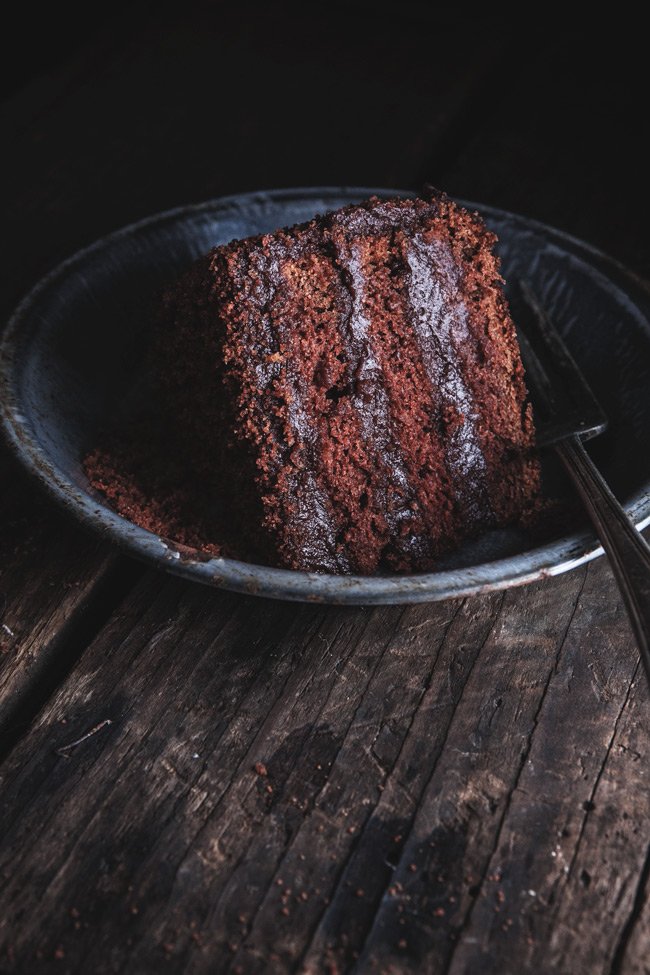
While the cake was consumed in its entirety, I did manage to save a slice so you could see the layers within. For what it’s worth, I found it a bit flat-tasting, lacking in depth, the frosting especially. I was surprised, since it’s from the Hummingbird Bakery cookbook, but then again, I did learn recently that there is such thing as too much chocolate. If you make it, let me know what you think. I may have to adjust my chocolate expectations.

BROOKLYN BLACKOUT CAKE
Makes one 3-layer 6-inch cake
Adapted from the Hummingbird Bakery Cookbook, via Hummingbird High
Note: This recipe was created by Hummingbird Bakery, a London bakery. Michelle wrote that she found the chocolate pudding difficult to make, but I used an immersion blender to mix the corn starch with the water and had no problems with the pudding coming together whatsoever. (A lot of Chinese dishes involve slurries, corn starch with water mixes used to thicken sauces, so maybe I’m just used to the weird properties of corn starch.)
Ingredients:
- For the frosting:
- 1-3/4 cups water plus 1/4 cup water, separated
- 1-3/4 cups granulated sugar
- 1/2 Tbsp light corn syrup
- 1/2 cup unsweetened cocoa powder
- scant 1/3 cup cornstarch
- 3 Tbsp unsalted butter, cold and cut into 1-inch cubes
- 1/4 tsp pure vanilla extract
For the cake:
- 3-1/2 Tbsp unsalted butter, at room temperature
- 10 Tbsp granulated sugar
- 1 egg, room temperature
- 1/4 tsp vanilla extract
- 1/6 cup unsweetened cocoa powder
- scant 1/2 tsp baking powder
- scant 1/2 tsp baking soda
- a pinch of salt
- 1 1/3 cups all-purpose flour
- 2/3 cup whole milk
Directions:
For the frosting: Ideally start on this the day before to give it time to cool fully. Combine 1-3/4 cups water, sugar, light corn syrup, and cocoa powder into a small sauce pan and bring to a boil over medium heat, whisking occasionally. In the meantime, combine the remaining 1/4 cup water with corn starch in a cup and mix with an immersion blender until dissolved. It’ll be relatively thin and uniformly opaque.
Slowly pour the corn starch mix into the sauce pan, whisking vigorously. Let the mix come back to a boil, whisking still. Continue whisking as the pudding thickens. It shouldn’t take more than a few minutes for it to reach a thick chocolate pudding-like consistency. Turn off the heat and stir in the butter, incorporating it completely. The pudding should be shiny and thick.

Pour the pudding into a receptacle, cover the surface with plastic wrap, and place it in the fridge until completely cool.
For the cake: Preheat the oven to 325 degrees F. Butter a 6-inch round pan, and lay a circular parchment paper round on the bottom.
In a stand mixer bowl, cream the butter and sugar until light and fluffy, about 5 minutes. On low speed, mix in the egg until it’s completely incorporated. Scrape down the sides of the bowl, then, on low speed, beat in the vanilla extract, cocoa powder, baking powder, baking soda, and salt. Continue mixing until just combined, then add about half the flour as well as the milk. When just combined, add the remainder of the flour, mixing until just combined.
Pour the batter into the prepared pan, and place it in the oven. Bake for about 30 minutes, until a skewer inserted in the middle comes out clean and the top bounces back a little when you push it. Let the pan cool for a minutes, then empty the cake onto a cooling rack to completely cool. Remove the parchment paper round.
Assembling: Slice off the domed top of the cake. Save it for the crumb topping. Carefully, slice the cake into three even-sized layers (they’ll be quite thin, so be careful). Proceed the way you’d normally assemble a layer cake, adding about 1/4 of the chocolate pudding frosting between layers. (When you take the pudding out of the fridge, it’ll be kind of hard to work with initially, but will become more malleable once it’s been worked with a spatula for a bit.) Cover the exterior of the cake with the rest of the chocolate pudding.
Finally, take that saved dome and process it in a food processor until it turns into fine crumbs. Using a sieve, spread the crumbs evenly across the top of the cake. With the remaining crumbs, cover the sides. I found this easiest to do by taking a handful and patting them onto the sides, first covering the bottom, then moving onto the top.
Related Posts





Subscribe for New Racipies
Get mental health tips, updates, and resources delivered to your inbox.
Are Millet Safe for Acid Reflux?


Introduction: Millet as a Gut-Friendly Grain
Millet, an ancient grain widely consumed across the globe, is gaining popularity for its impressive nutritional value and versatility. It’s naturally gluten-free, easy to prepare, and a staple in many cuisines. However, for individuals managing acid reflux, the question arises: Is millet safe for acid reflux sufferers?
Acid reflux, also known as gastroesophageal reflux disease (GERD), can be triggered by various foods, making dietary choices critical for symptom management. This article explores the role of millet in a reflux-friendly diet, analyzing its pH level, nutritional benefits, and tips for consuming it safely.
Understanding Acid Reflux: Causes and Symptoms
What Is Acid Reflux?
Acid reflux is a digestive condition where stomach acid flows back into the esophagus, causing irritation. This occurs when the lower esophageal sphincter (LES) – the muscle responsible for keeping stomach contents in place – becomes weak or relaxed.
Common Symptoms of Acid Reflux Include:
- Heartburn: A burning sensation in the chest.
- Regurgitation: Sour or bitter taste in the mouth.
- Difficulty swallowing or a feeling of a lump in the throat.
- Bloating, nausea, or chronic cough.
While the condition can vary in severity, dietary management is a key component in reducing symptoms.
Dietary Triggers of Acid Reflux
Certain foods are known to trigger or worsen acid reflux by either increasing stomach acid production or relaxing the LES. These include:
- Acidic foods: Citrus fruits, tomatoes, and vinegar.
- Fatty or fried foods.
- Spicy ingredients and caffeinated beverages.
- Chocolate and peppermint.
Understanding how millet fits into this framework can help you make informed dietary choices.
Author Tip: 7 Kinds of Foods to Avoid with GERD
Nutritional Profile of Millet
Key Nutrients in Millet
Millet is a highly nutritious grain offering a variety of health benefits:
- Complex Carbohydrates: Provides sustained energy and supports healthy blood sugar levels.
- Dietary Fiber: Aids digestion and promotes gut health.
- Essential Minerals: Rich in magnesium, phosphorus, and potassium.
- B Vitamins: Supports energy metabolism and brain health.
- Protein: Contains moderate amounts of plant-based protein, making it an excellent choice for vegetarians and vegans.
Health Benefits of Millet
- Digestive Support: The fiber in millet promotes regular bowel movements and helps prevent constipation, which can reduce abdominal pressure and lower the risk of reflux.
- Gluten-Free: Ideal for individuals with gluten sensitivities or celiac disease.
- Heart Health: Magnesium and potassium help regulate blood pressure and improve cardiovascular health.
- Weight Management: Millet is low in calories and high in fiber, promoting satiety and preventing overeating.
These benefits make millet a valuable addition to a balanced diet, but how does it impact acid reflux specifically?
Is Millet Acidic or Alkaline?
The pH of Millet
Millet is classified as a mildly alkaline grain. Unlike highly acidic grains like wheat, millet’s pH levels make it a neutral or slightly alkalizing food. Alkaline foods are beneficial for acid reflux sufferers because they help neutralize stomach acid and reduce irritation in the esophagus.
Why Alkaline Foods Are Ideal for Reflux Sufferers?
Foods that are alkaline or neutral help maintain the stomach’s natural pH balance. Millet, being slightly alkalizing, is less likely to aggravate acid reflux compared to acidic grains. Incorporating millet into your diet can help soothe symptoms and provide a nutrient-dense alternative to traditional grains.
How Millet May Impact Acid Reflux?
Benefits of Millet for Acid Reflux
Research suggest that millet has therapeutic effect for human body. Such as it can benefit the acid reflux in the following manner:
- Low Acidity: Millet’s alkaline nature makes it a gentle option for those with sensitive digestive systems.
- Rich in Fiber: Fiber aids digestion and helps prevent constipation, a common trigger for reflux.
- Easy to Digest: Unlike heavy or fatty foods, millet is light on the stomach and less likely to trigger symptoms.
- Gluten-Free: For individuals with gluten sensitivities, millet offers a safe and nutritious alternative that won’t exacerbate reflux.
Potential Drawbacks
While millet is generally safe for acid reflux sufferers, there are a few considerations to keep in mind:
- Overeating: Consuming large portions of any food, including millet, can increase abdominal pressure and trigger reflux.
- Preparation Methods: Adding acidic or fatty ingredients to millet-based dishes can negate its benefits.
Tips for Including Millet in a Reflux-Friendly Diet
Portion Control
Start with a small serving (1/2 cup cooked) and observe how your body reacts. Avoid overeating, as larger portions can increase the risk of reflux.
Reflux-Friendly Millet Recipes
- Millet Porridge: Cook millet with almond milk and sweeten with non-acidic fruits like bananas or apples.
- Millet Salad: Combine cooked millet with cucumbers, leafy greens, and a drizzle of olive oil.
- Millet Pilaf: Pair millet with steamed vegetables like broccoli or zucchini for a nutrient-packed meal.
Pairing Millet with Alkaline Foods
Enhance the reflux-friendly properties of millet by pairing it with:
- Leafy greens like spinach or kale.
- Non-acidic vegetables such as carrots or sweet potatoes.
- Alkaline proteins like tofu or white fish.
Related to Read: Are Salads Healthy?
Alternatives to Millet for Acid Reflux
If millet doesn’t suit your palate or dietary needs, consider these alternatives:
Quinoa
A complete protein and naturally gluten-free, quinoa is easy to digest and mildly alkaline.
Brown Rice
While slightly acidic, brown rice is high in fiber and can be tolerated well when paired with alkaline ingredients.
Oats
oats are a great choice for acid reflux sufferers when prepared without added sugar or acidic toppings because it is rich in fiber.
Related to Read:
Lifestyle Tips to Manage Acid Reflux
Adopt Healthy Eating Habits
- Eat smaller, more frequent meals.
- Avoid lying down for at least 2–3 hours after eating.
- Chew food thoroughly to aid digestion.
Identify and Avoid Trigger Foods
Keep a food diary to track which foods worsen your symptoms and eliminate them from your diet.
Maintain a Healthy Weight
Excess weight can put pressure on the stomach, increasing the likelihood of acid reflux. Incorporate regular exercise and a balanced diet to manage weight effectively.
Conclusion: Is Millet Safe for Acid Reflux?
Millet is a reflux-friendly grain that offers numerous health benefits. Its mildly alkaline nature, high fiber content, and easy digestibility make it a safe and nutritious choice for individuals managing acid reflux.
To reap the benefits, practice portion control, pair millet with alkaline foods, and avoid adding acidic or fatty ingredients. As with any dietary change, monitor your symptoms and adjust accordingly. With the right preparation, millet can be a valuable addition to your reflux-friendly diet.
FAQs: Millet and Acid Reflux
Q1: Is millet acidic or alkaline?
Millet is mildly alkaline, making it a good choice for individuals with acid reflux.
Q2: Can millet trigger acid reflux?
Millet is unlikely to trigger reflux when consumed in moderation and prepared without acidic or fatty additions.
Q3: How should I prepare millet for acid reflux?
Cook millet with water or non-dairy milk and pair it with alkaline foods like leafy greens or non-acidic fruits.
Q4: Are there alternatives to millet for reflux sufferers?
Yes, alternatives like quinoa, oats, and brown rice are also suitable for managing acid reflux.
Q5: Is millet gluten-free?
Yes, millet is naturally gluten-free and suitable for individuals with gluten sensitivities.
Related Posts



Subscribe for New Racipies
Get mental health tips, updates, and resources delivered to your inbox.