
10 Best Foods to Eat to Lose Belly Fat

Medically reviewed by Christiana George Updated Date: May 13, 2026

Belly fat is one of the most stubborn problems people encounter. No matter how much cardio you do, or weight lifting you try, or diet plans you stick to, that pooch never seems to go away. Maybe you feel uncomfortable in a swimsuit or in a fitted dress or suit because your belly shows. Alas!
Fortunately, you can correct your belly fat with the top 10 best foods to eat to lose belly fat (listed below in the guide).
Yes, you’ve read right. You can lose your stubborn belly fat by selecting and eating good food. Research suggests that eating food rich in probiotics, plant proteins, healthy fats, and fiber is highly efficient for losing fat from the stomach areas.
So, what are the best foods to eat to lose belly fat? Here we come up with the top 10 best natural fat-burners scientifically proven to help weight loss for the abdominal region. Here we go!
What Are the Best Foods to Eat to Lose Belly Fat?
Food rich in gut-healthy bacteria, omega-3 fatty acids, antioxidants, and soluble fiber is exceptionally good for losing belly fat. Scroll down to find out what foods effectively burn fat from the belly.
#1 Food Rich in Lean Bacteria
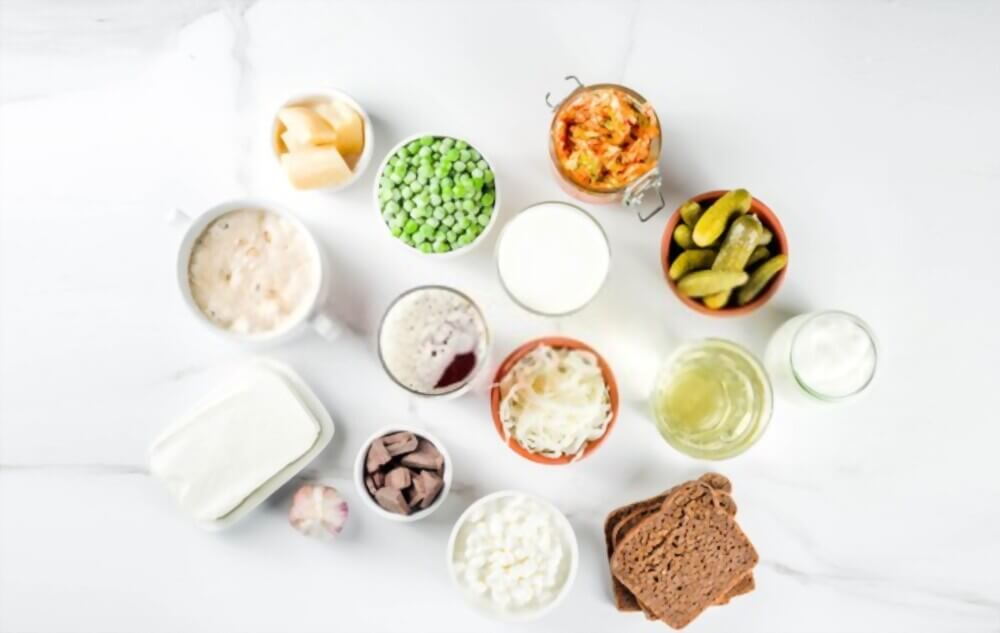
You may have probably seen people who eat a lot but never put on any weight; one of the primary reasons for this blessing is the higher concentration of lean bacteria in their gut which keeps them slim. Although it is a natural distribution, luckily, some foods can help you raise your gut lean bacteria naturally, which promotes the better digestion of food, prevents fat accumulation, combats obesity, and helps to melt down the stored fat for energy.
Here are the best foods which help to boost the lean bacteria in the gut:
- Pickles
- Dandelion greens
- Cranberries
- Whole grains
- Gapes
- Soybeans
- Yogurt
- Flaxseeds
- Chicory root
- Red grapes
- Olive oil
- Raw vegetables
- Asparagus
- Kombucha
Also, polyphenol-rich and fiber-rich foods encourage the growth of gut-beneficial bacteria, which further restores the gut microbiome (health-promoting living organisms in the alimentary canal).
#2 Green Vegetables
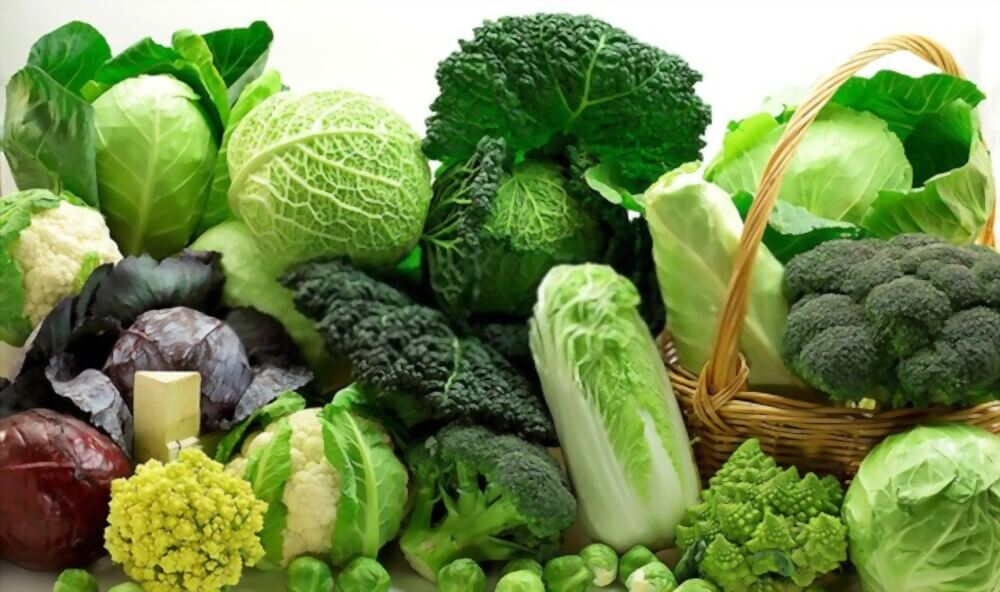
Green vegetables should be your top priority when looking for fat-burning food. Irrespective of their natural origin, they have an extensive nutrient profile that improves your digestion and overall health.
Green vegetables are very low in calories, low in fat content, and incredibly rich in dietary fiber, which makes them perfect for a fat-burning diet. Besides, they are rich in phytochemicals such as beta-carotene and other flavonoids, which help to support weight loss naturally.
Moreover, green veggies are a powerhouse of macro and micronutrients, including potassium, folate, magnesium, calcium, copper, manganese, vitamins, antioxidants, minerals, and the list goes on.
Following is the list of green vegetables which are extensively used and highly efficient for weight loss (you can have some of them raw, make juice, or eat them cooked):
- Lettuce
- Spinach
- Broccoli
- Peas
- Mustard Greens
- Beet-Greens
- Kale
- Water Spinach
- Swiss chard
- Green beans
- Dandelion Greens
- Green Jalapenos
- Grape leaves
- Pumpkin leaves
- Zucchini
- Parsley
- Chicory leaves
- Celery
- Cucumber
#3 Fiber-Rich Foods
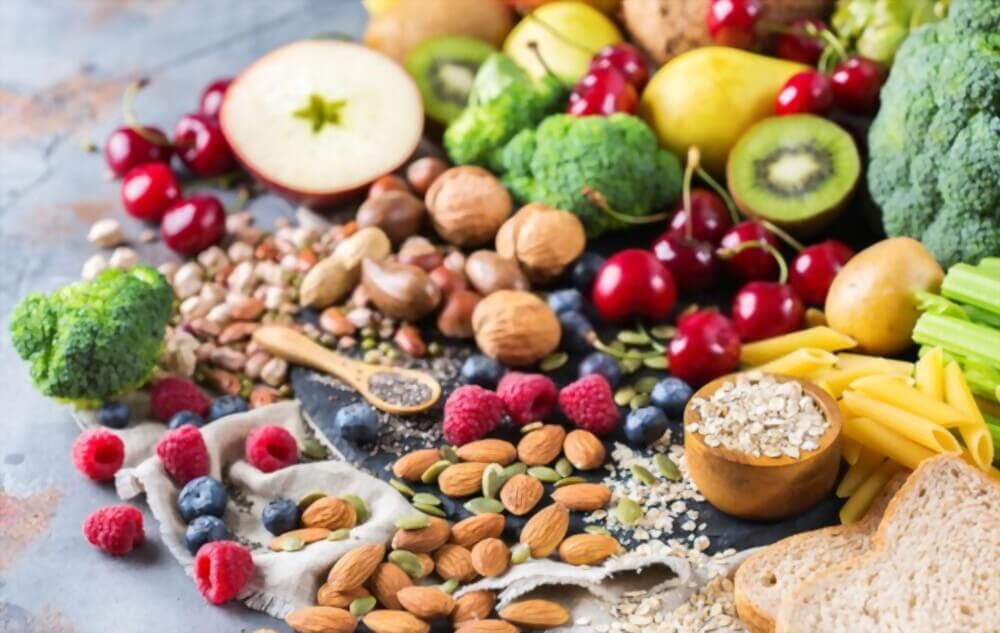
Dietary fiber is an incredible nutrient for stomach health and weight loss. Research at Harvard Health Publication suggests that taking 30 grams of fiber daily helps to lose weight. Fiber is a satiating agent that helps to reduce calorie intake, increase intestinal transit, ease bowel movements, and promote digestion.
Insoluble fiber from foods like green veggies, beans, and wheat flour helps reduce hunger pangs. While soluble fiber from foods like citrus fruits, apples, and peas helps promote the growth of healthy gut bacteria and improve digestive health.
Following is the list of food rich in fiber content:
- Whole grains
- Berries
- Prunes
- Popcorn
- Oatmeal
- Barley
- Kidney beans
- Lima beans
- Pear with skin
- Apple with skin
- Avocado
- Broccoli
- Edamame
- Artichoke
- Almonds
- Chia seeds
- Dark chocolate
#4 Fish Rich in Omega 3 Fatty Acids
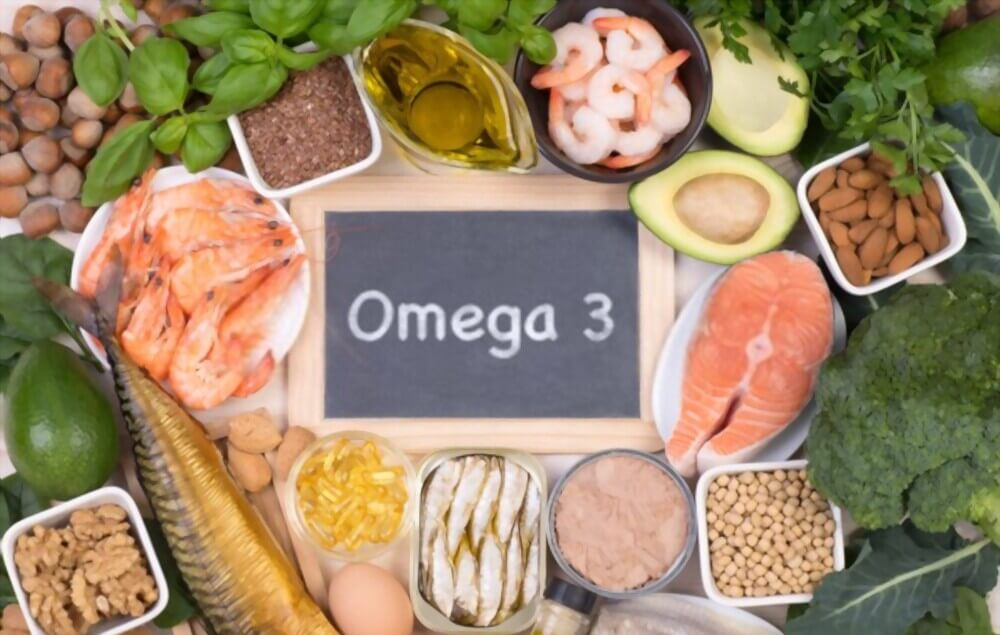
Fish rich in omega-3 fatty acids are the fuel for burning fat cells. Research suggests that foods rich in omega-3 fatty acids help to reduce inflammation, boost metabolism, suppress appetite, and speed the fat-burning process. In animal models, omega-3 fatty acids have been shown to reduce the fat present in the visceral areas (fat around the abdominal organs).
You should eat low-calorie fish to promote healthy fat loss. Cod, tuna, salmon, and sardine contain less than 120 calories per servings, and are rich in protein and omega-3 fatty acids. The following is a list of fish that are very helpful in improving fat burn from the stomach areas:
- Salmon
- Tuna
- Bluefish
- Sardines
- Herring
- Halibut
- Mackerel
- Lake trout
- Herring
- Anchovies
#5 Healthy Fats Foods
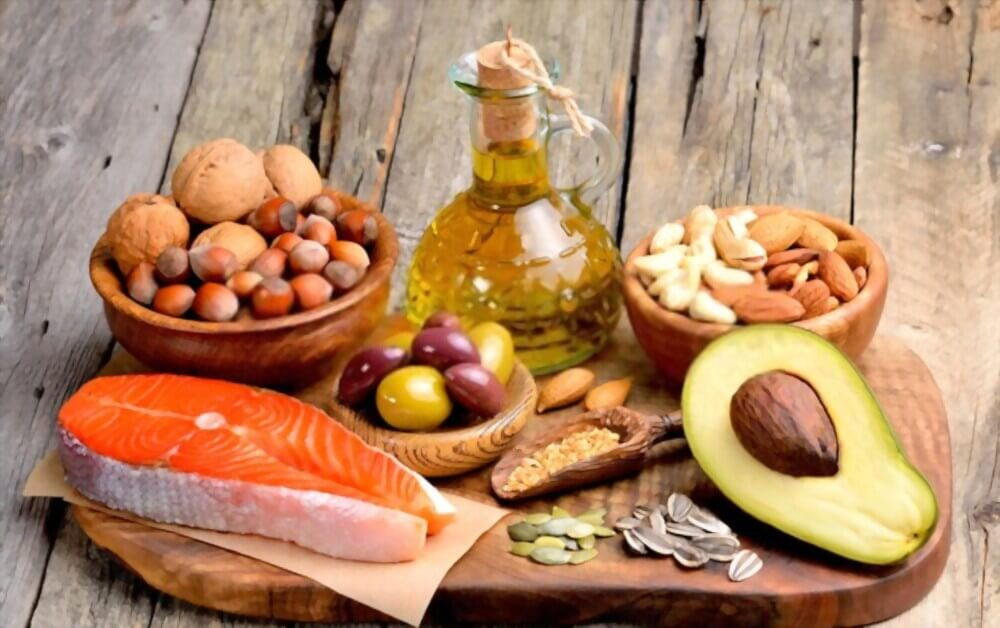
Fats are essential to lose fats – sound weird? Let me show you how fats help burn fat.
There are two primary types of fats: unsaturated (good fats) and saturated fats (bad fat, which becomes part of the body as bulgy arms, or belly pouches). The human body needs unsaturated fats for proper bodily function, including growth promotion, energy, and burning from fat stores within the belly.
Foods rich in mono-unsaturated fats such as cashew, almonds, avocados, pumpkin seeds, olive oil, pecans, peanut butter, and canola oil helps to raise the HDL cholesterol level (good cholesterol) in the body. These foods help prevent the accumulation of fat around the visceral organs.
Foods rich in polyunsaturated fatty acids are often also incredibly rich in omega 3 and 6 fatty acids; this list includes fish, flaxseeds, walnuts, and canola oil. As a result, they help lower the LDL (bad) cholesterol and prevent fat accumulation around the organs in the abdomen cavity.
Following is the list of foods that are good sources of healthy fats for stomach fat loss:
- Sunflower seed
- Olive oil
- Fish
- Walnut
- Almonds
- Sesame seeds
- Pumpkin seeds
- Pecans
- Hazelnut
- Flaxseed oil
#6 Lean Meat
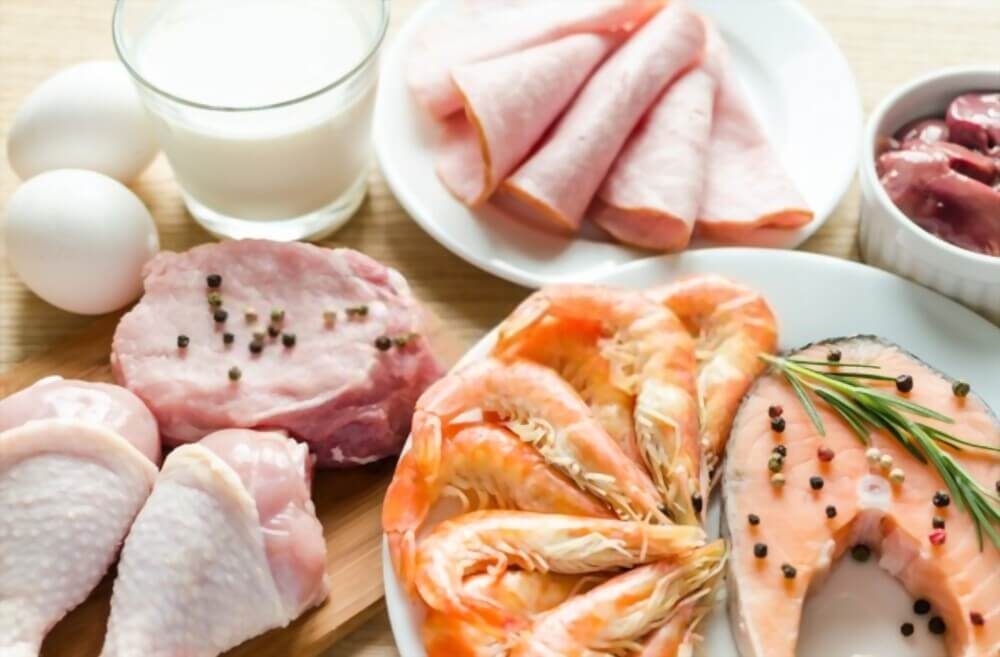
Lean meat is meat relatively low in fat, and usually also low in calories. Moreover, it is high in protein, bioavailable iron, and macronutrients. As a result, it helps significantly in managing weight due to its low-calorie content, high satiation, and elevated proteins, which help greatly trim body fat, build lean muscles and prevent calorie gain.
Following is the list of lean meats which help to burn belly fat and achieve lean muscles:
- Skinless chicken
- Chicken breast
- Grass-fed beef
- White-fleshed fish
- Lean beef
- White meat
- Canned light tuna
- Salmon
- Bush birds
- Emu
- Ostrich
#7 Fruits
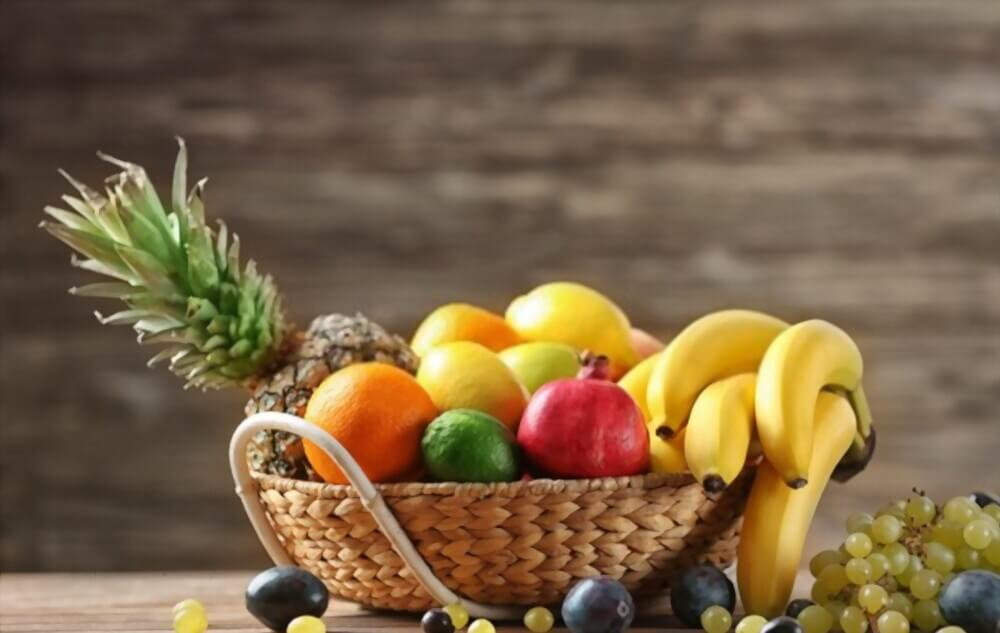
Fruits are naturally chock-full of nutrition and water. However, they are also incredibly rich in dietary fiber, plant proteins, healthy flavonoids, vitamins, minerals, and water which help to support weight loss.
Weight loss relies heavily on hydration. It improves lipid metabolism and prevents fat storage.
Eating fruits helps keep you hydrated and nourished, which helps to burn and avoid fat in the body. For example, apples and watermelons contain 85 and 92% water.
Besides hydration, fruit is high in fiber which promotes digestion and gut health. Moreover, fruits are naturally low in calories and fat while rich in vitamins, antioxidants, and essential minerals, which promote overall health.
Following is the list of fruits that are incredibly good for fat loss from the stomach:
#8 Foods Rich in Plant Protein
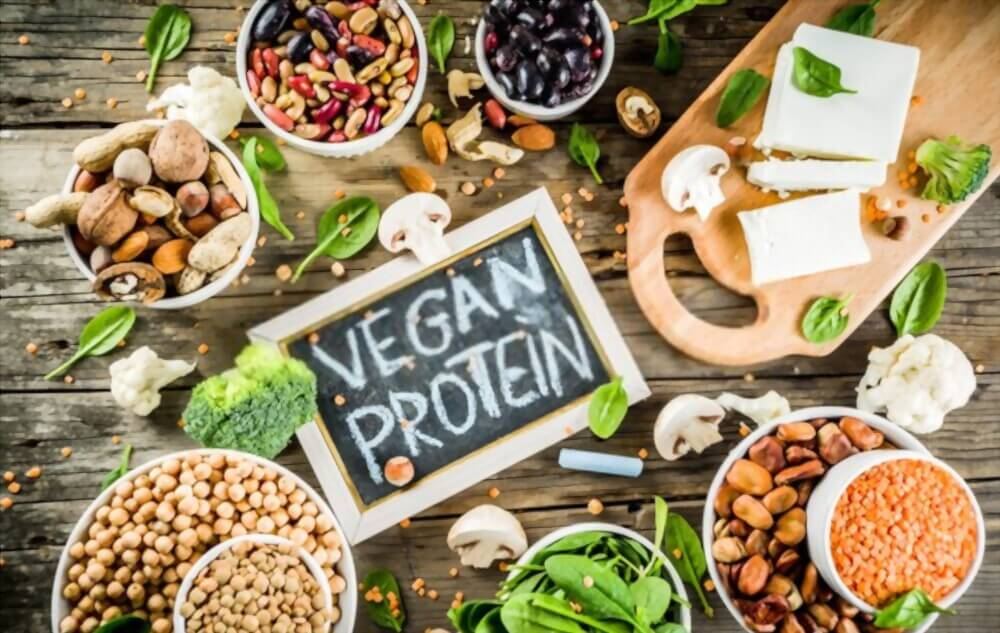
Vegetarians who avoid animal protein can add foods rich in plant protein to burn belly fat. Plant protein simply means protein sourced from plants. Unlike animal-based proteins, plant proteins are highly satiating. It increases the hunger-reducing hormone called ghrelin which suppresses appetite. It helps to lower calorie intake and prevent weight gain.
Vegan foods rich in protein content are widely used in dietary supplements due to their high efficiency in reducing extra pounds and trimming the waistline naturally.
Following is the list of vegan foods rich in protein:
- Tofu
- Soy beans
- Nuts
- Seeds
- Peas
- Legume
- Beans
- Lentils
- Tempeh
- Edamame
- Quinoa
#9 Salad

Salad is one of the most comforting and nourishing food sources people eat to get a lean body.
A low-calorie salad made with green veggies, fruit pieces, lean meat, and protein-rich grains is a complete meal with a complete package of fat-burning nutrients. Salad helps lower calorie intake, boost metabolism, accelerates fat burn, and supports weight loss.
Following is the list of best ingredients you can add to your weight loss salad:
- Lettuce
- Spring greens (mustard seeds, spinach, arugula, beet greens)
- Colorful veggies (red, orange, purple, yellow, and green)
- Healthy fats (avocado, olive oil, nuts, and seeds)
- Lean meat
- Grains (brown rice, quinoa, barley)
- Herbs (dill, cilantro, parsley, thyme, chives)
#10 Beans, Pulses, and Legumes
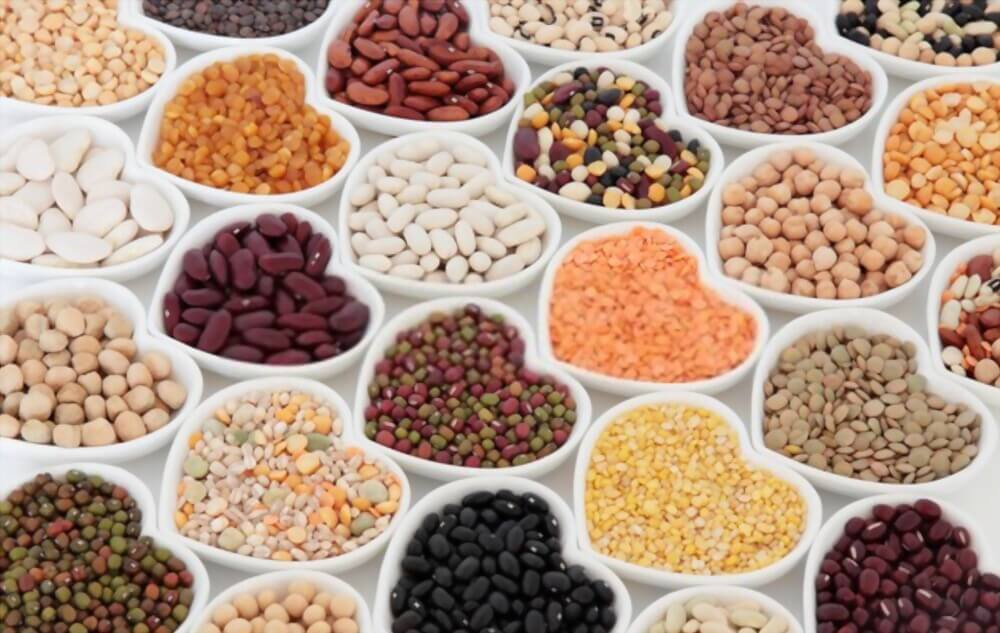
Beans, and legumes are rich sources of protein. It helps build and strengthen muscles while trimming off excess fat. In addition, beans, pulses, and legumes are highly satiating, fiber-rich, low-calorie, and low-fat food that promotes fat burn.
Following is the list of beans and legumes which are good for weight loss and fat burn:
- Green beans
- Kidney beans
- Red lentils
- Chickpeas
- Fava beans
- Navy beans
- Pinto beans
- Split peas
- Lima beans
What Is the Number One Food That Burns Belly Fat?
Food items rich in protein are best to burn belly fat. Typically, seafood, lean meat, and eggs are the richest source of protein.
However, you can also make a customized high-protein diet which may include seafood, lean meats, legumes, grains, eggs, and nuts; for instance, a lean meat omelet, baked beans with wholegrain bread, seafood salads, shrimp curry, etc.
In general, you should consume about 20 to 30% of your calories in the form of protein for maximum weight loss. However, don’t rely only on protein for your appetite; try to mix it with a balanced diet that includes healthy fats, carbs, and fiber.
What Is the Quickest, Fastest Way to Lose Belly Fat?
Although food has a significant effect on burning fat, but, if you combine it with weight loss exercise, a balanced diet, and a healthy lifestyle, it would accelerate your fat burn. Following are a few tips that will help support your weight loss:
- Avoid food with trans and saturated fats.
- Avoid food high in sugar and simple carbohydrates.
- Drink plenty of water and stay hydrated.
- Do cardio and weight lifting.
- Do yoga.
- Get plenty of restful sleep.
- Avoid stress.
- Cut back on carbonated drinks and refined carbs.
- Stop drinking manufactured juices, and try to make them healthier at home.
- Take prebiotic, and probiotic along with your diet and exercise.
FAQs
What Foods Burn Belly Fat Overnight?
As a matter of fact, there is no such miracle food that can help you lose belly fat overnight. However, eggs, fish, nuts, and citrus fruits can help you lose fat even when you’re doing nothing or during sleep.
What Are the 2 Vegetables That Destroy Stomach Fat?
Broccoli and beans are vegetables that can destroy stomach fat. Moreover, green veggies and leafy veggies are also good for weight management.
What Are Good Foods to Eat When Trying to Lose Belly Fat?
When trying to lose weight, you should focus on anti-inflammatory, protein-rich, and antioxidant-rich food, which should also be low in calories and fats.
What Food Burns Fat While You Sleep?
Foods rich in protein help to lose fat while you sleep. These include walnuts, almonds, hazelnuts, cashew, tofu, pumpkin seeds, avocados, eggs, sesame seeds, pine nuts, and sunflower seeds.
What Can I Drink to Burn Belly Fat?
Green tea, green smoothies, hot water, protein water, ginger water, fennel water, and detox water can help you burn belly fat. To learn more read, 11 effective homemade drinks that burn fat while sleeping.
Conclusion
Indeed, food is the main source of nutrition and energy. You can get your desired weight loss benefits with the right selection of foods. We have mentioned the ten best types of food to eat to lose belly fat which can help you to achieve a contoured body.
Moreover, by combining it with exercise and following a low-calorie diet (fewer than 2000 calories a day), you can get the fat off within weeks. Although food helps, lifestyle changes are a must to live a healthy life!
Related Posts


Subscribe for New Racipies
Get mental health tips, updates, and resources delivered to your inbox.
Are Cashews Good for GERD?

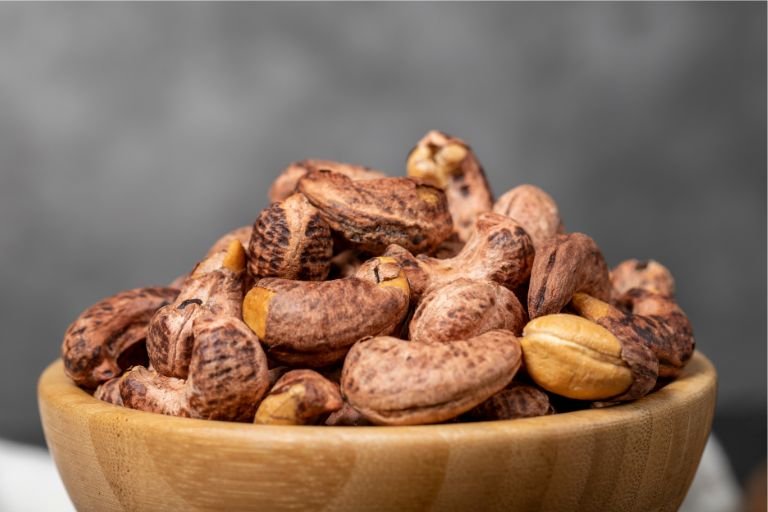
Cashews, with their creamy texture and rich flavor, are a popular snack and ingredient in many dishes. Known for their nutritional benefits, cashews are often included in healthy diets. But for individuals with GERD (gastroesophageal reflux disease) or acid reflux, the question arises: “Are cashews good for GERD?”
The short answer is: Cashews can be good for GERD if consumed in moderation, but they may not be suitable for everyone. While cashews are nutrient-dense and rich in healthy fats, their fat content—albeit healthy—can sometimes trigger reflux symptoms in sensitive individuals. The key to safely consuming cashews with GERD lies in portion control, preparation, and individual tolerance.
In this article, we’ll explore the benefits and potential drawbacks of cashews for those with GERD, their nutritional profile, and tips for incorporating them into a reflux-friendly diet.
Are Cashews Acidic or Alkaline?
Cashews are considered neutral to mildly alkaline, with a pH level that ranges between 6.1 and 6.5. This makes them less likely to contribute to stomach acidity compared to acidic foods like citrus fruits or coffee.
While cashews are not acidic, their effect on GERD symptoms depends more on their fat content and how they are consumed than their pH level.
Author Tip: Are Pecans Good for Acid Reflux? A Guide to GERD-Friendly Nuts
Nutritional Profile of Cashews
Cashews are a nutrient-dense food, providing essential vitamins, minerals, and healthy fats. Here’s a breakdown of their key nutritional components:
1. High in Healthy Fats
- Cashews contain monounsaturated and polyunsaturated fats, which are heart-healthy and anti-inflammatory. One ounce of cashews (about 18 nuts) provides approximately 12 grams of fat, mostly from healthy sources.
2. Source of Plant-Based Protein
- Cashews are a good source of protein, with about 5 grams per ounce, making them a satisfying snack that helps prevent overeating—a common trigger for GERD.
3. Rich in Magnesium
- Cashews are packed with magnesium, which helps relax the muscles of the digestive tract, including the lower esophageal sphincter (LES), reducing reflux episodes.
4. Contains Fiber
- One ounce of cashews provides about 1 gram of fiber, which supports healthy digestion and prevents constipation and bloating.
5. Loaded with Antioxidants
- Cashews are rich in antioxidants like vitamin E and zinc, which reduce inflammation and promote healing in the esophagus.
6. Low in Sugar
- Cashews are naturally low in sugar, making them a better snack option than sugary treats that can exacerbate GERD symptoms.
Related to Read: Are Hazelnuts Good for Acid Reflux?
Can Cashews Trigger GERD Symptoms?
While cashews are generally considered a healthy food, their fat content can sometimes trigger GERD symptoms in certain individuals. Here’s why:
1. High Fat Content
- Even though the fats in cashews are healthy, all fats—whether healthy or not—can relax the lower esophageal sphincter (LES), which separates the stomach from the esophagus. A relaxed LES increases the likelihood of stomach acid flowing back into the esophagus, causing reflux.
2. Overeating
- Eating large portions of cashews can overwhelm the stomach, leading to bloating and increased pressure on the LES. This can exacerbate GERD symptoms.
3. Individual Sensitivities
- Some people may have difficulty digesting nuts, including cashews, and experience symptoms like bloating, gas, or reflux.
Benefits of Cashews for GERD
When consumed in moderation and as part of a balanced diet, cashews can offer several medicinal benefits for individuals with GERD:
1. Prevents Overeating
- Cashews are satisfying and filling, thanks to their protein and healthy fat content. This can help prevent overeating, which is a common trigger for reflux symptoms.
2. Supports Muscle Function
- The magnesium and potassium in cashews help support proper muscle function, including the LES, which is responsible for keeping stomach acid from flowing back into the esophagus.
3. Anti-Inflammatory Properties
- Cashews contain antioxidants and anti-inflammatory compounds that may help soothe irritation in the esophagus caused by stomach acid.
4. Low Glycemic Index
- Cashews provide sustained energy without causing blood sugar spikes, which can indirectly help manage reflux symptoms.
5. Promotes Healthy Digestion
- The fiber content in cashews supports healthy digestion, which can reduce bloating and gas that may contribute to reflux.
Tips for Eating Cashews Safely with GERD
If you enjoy cashews and want to include them in your diet without triggering GERD symptoms, follow these tips:
1. Stick to Small Portions
- Limit your serving size to 1 ounce (about 18 nuts) per sitting. Eating large quantities can increase stomach pressure and exacerbate reflux.
2. Choose Unsalted, Plain Cashews
- Opt for raw or dry-roasted cashews without added salt, sugar, or flavorings that can irritate the stomach.
3. Avoid Eating Late at Night
- Refrain from consuming cashews or other snacks within 2–3 hours of bedtime to reduce the risk of nighttime reflux.
4. Chew Thoroughly
- Chewing cashews thoroughly aids digestion and reduces the likelihood of bloating or discomfort.
5. Monitor Your Body’s Reaction
- Pay attention to how your body reacts to cashews. If you notice symptoms like bloating, heartburn, or discomfort, it’s best to limit or avoid them.
Reflux-Friendly Ways to Enjoy Cashews
1. Cashew and Banana Smoothie
Ingredients:
- 1 cup unsweetened almond milk
- 1 ripe banana
- 1 tablespoon cashew butter
- 1 teaspoon honey (optional)
Instructions:
- Blend all ingredients until smooth.
- Serve as a soothing, reflux-friendly snack or breakfast.
2. Cashew Oatmeal
Ingredients:
- 1/2 cup oats
- 1 cup unsweetened almond milk
- 1 tablespoon chopped cashews
- 1/2 teaspoon cinnamon
Instructions:
- Cook oats in almond milk as directed.
- Top with chopped cashews and sprinkle with cinnamon.
- Serve warm for a hearty, reflux-friendly breakfast.
3. Cashew and Spinach Salad
Ingredients:
- 2 cups fresh spinach
- 1/4 cup chopped cashews
- 1/2 cup diced cucumber
- 1 tablespoon olive oil
Instructions:
- Combine spinach, cashews, and cucumber in a bowl.
- Drizzle with olive oil and toss to combine.
- Serve as a light and nutritious lunch or side dish.
Frequently Asked Questions About Cashews and GERD
1. Are cashews good for GERD?
Yes, cashews can be good for GERD if consumed in moderation. Their healthy fats, magnesium, and protein make them a nutrient-dense option, but large portions may trigger reflux symptoms in some individuals.
2. Can cashews cause acid reflux?
Cashews can cause reflux in some individuals if consumed in excess due to their fat content, which may relax the LES.
3. Are raw or roasted cashews better for GERD?
Both raw and dry-roasted cashews are good options for GERD. However, avoid heavily salted or flavored varieties, as they may irritate the stomach lining.
4. How many cashews can I eat if I have GERD?
Stick to a serving size of 1 ounce (about 18 nuts) to minimize the risk of triggering reflux symptoms.
5. Are other nuts better than cashews for GERD?
Almonds are often considered the most reflux-friendly nut due to their slightly alkaline nature and lower fat content. Walnuts, pistachios, and sunflower seeds may also be good options in moderation.
Final Thoughts
Cashews can be a healthy and satisfying snack for individuals with GERD when consumed in moderation. Their magnesium, protein, and healthy fats make them a nutritious choice, but their fat content can trigger reflux symptoms in some individuals if eaten in large quantities.
By choosing plain, unsalted cashews and sticking to small portions, you can enjoy the benefits of this nutrient-dense food without aggravating your GERD symptoms. As always, monitor your body’s reaction and adjust your intake accordingly to find what works best for you.
Related Posts
Subscribe for New Racipies
Get mental health tips, updates, and resources delivered to your inbox.