
Does Mello Yello Have Caffeine? (Content, Ingredients, History & Availability Guide)

Medically reviewed by Dr. Aris Thorne Updated Date: May 4, 2026
As a primary care physician, patients frequently ask me about the beverages they consume daily. A very common question I hear in the clinic is: does Mello Yello have caffeine? People are becoming much more aware of their daily stimulant intake and how it affects their bodies.
Just last month, I interviewed a patient who struggled with severe sleep disruption. She switched from dark colas to bright citrus sodas, assuming they lacked stimulants entirely. Consequently, her heart raced at night, and she could not figure out why.
This is exactly why understanding the ingredients in your favorite soft drink is so crucial for your overall health. Because of this widespread confusion, I have put together this comprehensive guide to break down everything you need to know about this popular beverage.
TL;DR: Quick Overview
- Yes, this popular citrus beverage absolutely contains chemical stimulants.
- A standard 12-ounce can provides approximately 51 milligrams of active stimulants.
- It serves as a direct competitor to Mountain Dew, featuring a very similar flavor and energy profile.
- The Coca-Cola Company manufactures and distributes this product globally.
- While the company has not discontinued it, regional availability varies significantly across the United States.
The Reality of Stimulants in Citrus Sodas
When you reach for a brightly colored, fruit-flavored soft drink, you might naturally assume it is simply carbonated juice. However, beverage companies formulate many commercial citrus sodas specifically to provide an energetic kick.
So, if you find yourself asking, does Mello Yello have caffeine? the answer is a definitive yes. It absolutely contains a moderate dose of active central nervous system stimulants designed to keep you alert.
Because Coca-Cola originally engineered it to compete directly with other high-energy sodas, the formulation requires this chemical addition. Therefore, you must treat it exactly like a cup of mild coffee, a strong dark tea, or a highly caffeinated dessert like chocolate coffee bundt cake when tracking your daily dietary intake.
Caffeine Content in This Beverage (Detailed Breakdown)
To properly manage your cardiovascular health, you need exact numbers, not just vague guesses, to understand how much and does Mello Yello have caffeine. A standard 12-ounce can delivers approximately 51 to 53 milligrams of stimulating compounds directly into your bloodstream.
In addition, if you purchase a larger 20-ounce plastic bottle from a convenience store, you consume roughly 85 milligrams. This constitutes a highly significant dose that will absolutely trigger physiological responses in your body.
Furthermore, fountain drinks at restaurants often serve massive 32-ounce portions without clear nutritional labeling. Consequently, drinking a large fountain cup could easily flood your system with over 130 milligrams of stimulants in a single sitting.
Is This Citrus Drink Considered Caffeine-Rich?
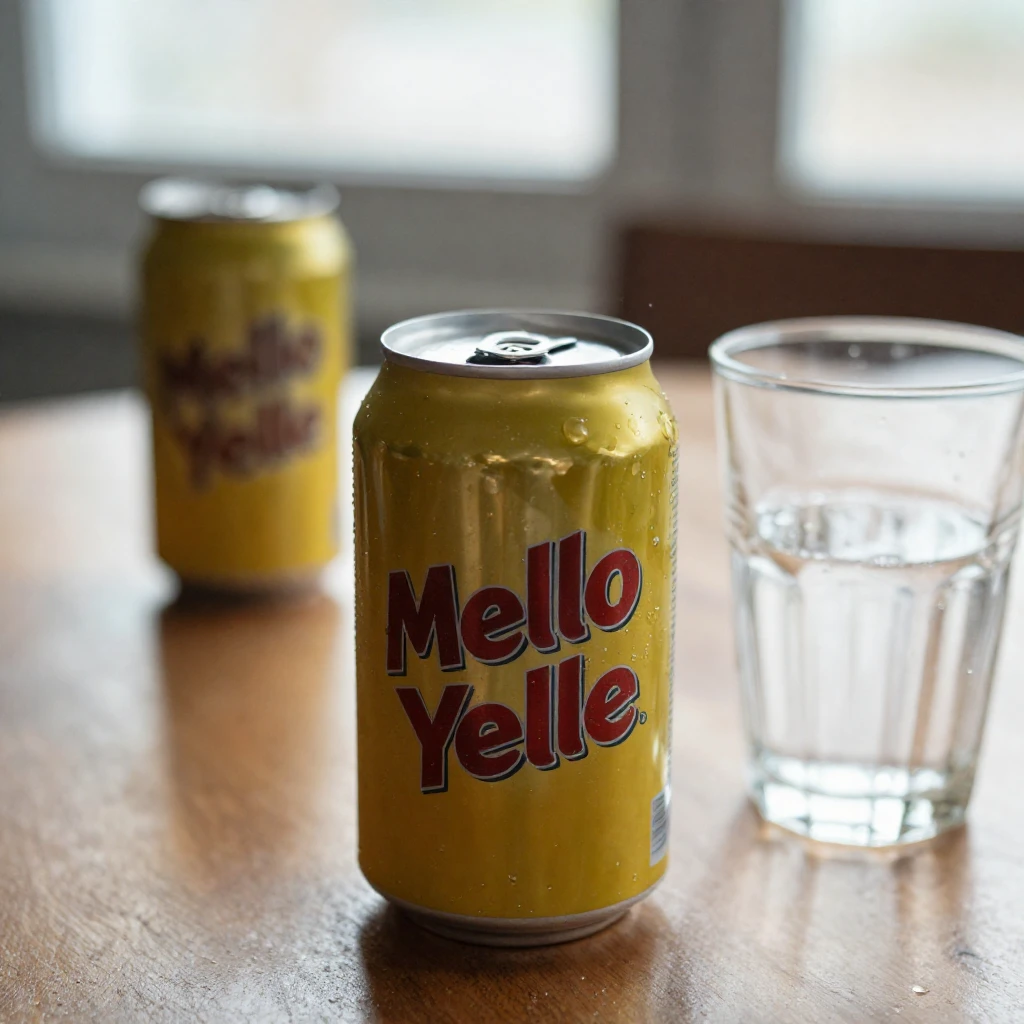
In the medical community, we evaluate beverages on a spectrum of stimulant density. When patients ask me, does Mello Yello have caffeine? I explain that compared to a standard cola (which usually contains about 34 milligrams per can), this citrus drink is notably stronger.
However, when you compare it to modern, highly concentrated energy drinks, it falls into a much lower category. Many commercial energy drinks pack a staggering 150 to 300 milligrams into a single can.
Therefore, while it certainly packs more stimulants than a standard cola, medical professionals still consider it a moderate-tier beverage. Due to this moderate profile, most healthy adults can process a single can without experiencing severe, immediate cardiac distress.
Comprehensive Ingredients Breakdown (MD Analysis)
As a medical professional, I always urge my patients to look beyond the colorful packaging and read the actual ingredient label. What you consume directly dictates your metabolic function, cellular health, and long-term disease risk. To truly understand this beverage, we must meticulously break down its primary chemical components.
Sugar and Carbonation Risks
First of all, the absolute primary ingredient is carbonated water. This serves as the liquid delivery system for all the other chemical compounds. While carbonated water itself is generally harmless, the aggressive carbonation process creates carbonic acid, which can slowly erode your dental enamel over time if you consume it excessively.
Secondly, the formulation relies heavily on High Fructose Corn Syrup (HFCS) for its intense sweetness. This represents a highly processed, liquid sugar that metabolizes very differently than natural fruit sugars. When you flood your liver with liquid fructose, your body rapidly converts a massive portion of it directly into visceral fat. Furthermore, consuming high amounts of HFCS daily heavily spikes your insulin levels, placing you at a severe risk for developing type 2 diabetes and non-alcoholic fatty liver disease.
In addition to the massive sugar load, the recipe includes concentrated citric acid. Manufacturers use this to recreate the sharp, biting tartness of natural citrus fruits. While citric acid occurs naturally in lemons and limes, the synthetic version used in sodas corrodes your teeth incredibly fast. It aggressively lowers the pH level in your mouth, creating a highly acidic environment that invites severe bacterial decay, which can eventually make eating even a soft dessert like upside down pear cake painful.
Stimulants and Artificial Dyes
Another critical ingredient addresses our main question: does Mello Yello have caffeine? Yes, the added caffeine acts as a pharmaceutical-grade central nervous system stimulant. Once absorbed, it aggressively blocks your brain’s adenosine receptors, essentially preventing your neurology from realizing it feels fatigued. While this provides a temporary illusion of energy, it ultimately leads to a harsh physiological crash once the chemical wears off.
Finally, the beverage contains Sodium Benzoate and Yellow 5 (Tartrazine). Manufacturers use Sodium Benzoate as a chemical preservative to prevent mold growth in highly acidic liquids. They use Yellow 5, an artificial petroleum-based dye, solely to give the liquid its bright, neon appearance.
Some clinical studies suggest that artificial dyes like Tartrazine can trigger mild allergic reactions and behavioral hyperactivity in highly sensitive children. Therefore, I strictly advise parents to avoid giving these artificially dyed beverages to their toddlers.
What Does the Flavor Profile Taste Like?
If you have never tasted this specific Coca-Cola product, it presents a very unique sensory experience. Coca-Cola intentionally designed it to be a highly aggressive, sweet citrus blend.
Most people describe the flavor as a heavy mixture of concentrated sweet lemon, tart lime, and a subtle hint of artificial orange. It tastes notably sweeter and feels slightly thicker on the palate than a traditional, crisp lemon-lime soda or a homemade gin thyme lemonade.
Because of the massive sugar content, a syrupy finish heavily mutes the citrus flavor. Food scientists chemically engineered this specific flavor profile to appeal to younger demographics looking for a bold, extreme taste experience.
Comparing This Beverage to Sprite
Many patients assume that all clear or yellow sodas belong to the exact same nutritional category. However, when we compare this specific drink to Sprite, we uncover a massive physiological difference.
Sprite completely lacks any central nervous system stimulants. It simply contains carbonated water, sugar, and lemon-lime flavoring.
In contrast, Coca-Cola fortifies our subject beverage heavily with active stimulants. Therefore, if you wonder does Mello Yello have caffeine like Sprite does, remember the difference: if you suffer from nighttime anxiety or insomnia, Sprite provides a vastly safer, non-stimulating alternative to pair with your evening meal or a light, nutritious tomato soup.
The Mountain Dew Rivalry
To truly understand this product, you must understand its primary market rival. The Coca-Cola Company specifically invented this drink to directly attack the massive market share held by PepsiCo’s Mountain Dew.
Both beverages feature a nearly identical neon-yellow color and an aggressive, syrupy citrus flavor profile. Furthermore, both companies utilize chemical stimulants to provide an energy boost to the consumer.
However, Mountain Dew possesses a slightly stronger formula, containing roughly 54 milligrams of active stimulants per 12-ounce can. While the difference of three milligrams means very little clinically, it proves that both companies fiercely battle for the exact same high-energy demographic.
Is The Soda Still Made or Discontinued?
I frequently hear rumors in the clinic from patients who believe their favorite childhood drinks no longer exist. Because you rarely see aggressive television marketing for this brand anymore, many assume Coca-Cola stopped making it.
The truth is, The Coca-Cola Company still actively manufactures and produces thousands of gallons of this syrup every single day. They have absolutely not discontinued it on a national level.
However, the company heavily restricts its distribution based on regional sales data. Therefore, while you might easily find it at every gas station in the American Midwest, you might find it nearly impossible to locate in certain coastal cities.
The Historical Origin of the Brand
Understanding the history of our food supply helps explain why food scientists add certain chemicals to our diets. Coca-Cola officially launched this particular beverage into the American market in 1979.
During the late 1970s, extreme sports and high-energy marketing began taking root in American culture. Coca-Cola recognized a massive void in their product lineup for a highly caffeinated, youth-oriented citrus drink.
Consequently, they developed this specific formula to directly siphon young, energetic consumers away from competing brands. They did not add chemical stimulants by accident; they made a highly calculated business decision to drive repeat consumption.
Corporate Ownership and Production
When managing your health, you must know exactly who manufactures your food. As mentioned previously, The Coca-Cola Company entirely owns, formulates, and distributes this beverage.
They produce the highly concentrated chemical syrup at their central manufacturing plants. Then, they ship this heavy syrup to independent, regional bottling facilities across the globe.
Because local bottlers control the final mixing process, slight variations in carbonation levels occasionally occur. However, the corporate headquarters strictly mandates that the stimulant and sugar ratios remain perfectly consistent in every single batch.
Where to Purchase the Product Today
If you want to locate this beverage for a specific recipe or nostalgic reason, you have several options. You will find the highest probability of success checking massive regional grocery chains, particularly in the Southern and Midwestern United States.
In addition, large national convenience store chains frequently stock it in their refrigerated sections. You will often find the 20-ounce plastic bottles sitting right next to the energy drinks.
Finally, if you live in a region where the local bottler refuses to carry it, you can easily purchase cases through major online retailers. Many specialty beverage websites will ship 12-packs directly to your front door.
Evaluating the Zero Sugar Alternative
For patients actively trying to lose weight, I often discuss transitioning to zero-calorie alternatives. The company does manufacture a specific zero-sugar variant of this citrus drink.
This alternative replaces the massive dose of High Fructose Corn Syrup with artificial, non-caloric sweeteners like Aspartame and Acesulfame Potassium. By making this switch, you immediately eliminate roughly 170 empty calories from your daily diet, which allows you more flexibility to enjoy a sensible morning meal like buckwheat crepes.
However, if you ask, does Mello Yello have caffeine in its zero-sugar version? you must know that it retains the exact same 51 milligrams of active stimulants. Therefore, while it benefits your waistline, it still aggressively stimulates your cardiovascular system and blocks your sleep receptors.
Clinical Health Perspective (MD Review)

As a board-certified physician, I must emphasize that beverages like this require strict dietary moderation. During routine checkups, I regularly observe the devastating long-term effects of chronic, high-sugar soda consumption on my patients.
First of all, the combination of liquid sugar and chemical stimulants creates a highly addictive neurological loop. The sugar triggers a massive dopamine release in your brain, while the stimulant provides a sharp spike in perceived energy.
Because this energy remains artificial, the body inevitably suffers a severe physiological crash a few hours later. This crash prompts the patient to consume yet another can, creating a vicious cycle of dependency, weight gain, and intense cravings for high-calorie treats like devils food cake with swiss meringue buttercream.
Safe Daily Stimulant Guidelines
To protect your heart, you must adhere to established medical safety thresholds. The United States Food and Drug Administration (FDA) clearly states that healthy adults should consume no more than 400 milligrams of total stimulants per day.
Since one can of this citrus soda contains roughly 50 milligrams, a healthy adult can safely drink a single serving. It only utilizes about twelve percent of your maximum daily allowance.
However, you must calculate your cumulative daily intake from all sources, whether it is morning coffee, tea, or sweet caffeinated snacks like mocha swirl mm cookies. If you drink three cups of coffee and two of these sodas, you dangerously approach the threshold for cardiac toxicity.
Identifying High-Risk Populations
While a healthy adult can easily process a single can, certain populations must strictly avoid this beverage entirely. Children and young adolescents lack the neurological maturity and liver enzymes required to safely metabolize heavy chemical stimulants.
Furthermore, pregnant people must exercise extreme caution, as these molecules easily cross the placental barrier and can restrict fetal blood flow. Medical consensus strongly advises pregnant individuals to limit their total intake to under 200 milligrams per day.
Finally, if you suffer from generalized anxiety disorder, clinical insomnia, or diagnosed cardiac arrhythmias, you should eliminate these beverages entirely. The active chemicals only exacerbate your symptoms, increasing your resting heart rate and triggering severe panic responses.
Frequently Asked Questions
Does Mello Yello have caffeine?
Yes, it absolutely does. Coca-Cola specifically formulates it with approximately 51 to 53 milligrams of active central nervous system stimulants per standard 12-ounce serving.
Has the manufacturer officially discontinued the brand?
No, The Coca-Cola Company still actively produces the beverage. However, you might struggle to find it in certain states because local bottling companies ultimately decide which products they distribute regionally.
How does its stimulant level compare to a standard cup of coffee?
It feels significantly milder than a standard cup of home-brewed drip coffee. A typical 8-ounce cup of coffee contains nearly double the amount of active stimulants, usually hovering around 95 to 100 milligrams.
Can drinking this beverage negatively impact my sleep schedule?
Yes, absolutely. Because the active molecules aggressively block your brain’s sleep receptors, consuming this beverage late in the afternoon or evening will likely cause severe insomnia and fragmented sleep cycles.
Is the zero-calorie version completely free of chemical stimulants?
No, the zero-sugar variant only removes the high fructose corn syrup. Coca-Cola retains the exact same stimulant profile as the original recipe to ensure consumers get the same energetic boost.
Conclusion
Understanding exactly what you put into your body serves as the fundamental cornerstone of long-term preventative medicine. Through this comprehensive clinical breakdown, we have definitively answered the primary question: does Mello Yello have caffeine? We established that it represents a moderately stimulating, highly sweetened beverage designed to provide a rapid burst of artificial energy.
As a medical professional, I always encourage my patients to view these processed beverages as occasional treats rather than daily hydration sources. The combination of high fructose corn syrup and chemical stimulants creates a perfect storm for metabolic dysfunction if you consume it recklessly.
If you rely on these specific sodas to get through your afternoon slump, I highly recommend evaluating your baseline sleep hygiene and transitioning to natural, unsweetened teas. Ultimately, by monitoring your daily stimulant intake and reading nutritional labels carefully, you can protect your cardiovascular health while still occasionally enjoying the bold citrus flavors you love.
Evidence-Based References:
- U.S. Food and Drug Administration (FDA) — Spilling the Beans: How Much Caffeine is Too Much?
- American Heart Association (AHA) — Added Sugars
- Harvard T.H. Chan School of Public Health — Sugary Drinks
- Mayo Clinic — Caffeine: How much is too much?
- Mayo Clinic — Caffeine content for coffee, tea, soda and more
- MedlinePlus — Caffeine
- MedlinePlus — Caffeine in the diet: MedlinePlus Medical Encyclopedia
- MedlinePlus — Caffeine overdose: MedlinePlus Medical Encyclopedia
- American Diabetes Association — Potential Health Risks From Beverages Containing Fructose Found in Sugar or High-Fructose Corn Syrup
- World Health Organization — Sugars intake for adults and children
Related Posts

Subscribe for New Racipies
Get mental health tips, updates, and resources delivered to your inbox.
Split Pea Soup, Round And Whole And Filling

Chris and I split a can of clam chowder the other day. You know, the readymade stuff. I’d forgotten how convenient it was to prepare. You just slap it into a pot and let it come to a boil, and then it’s ready. I’d also forgotten how much I liked it. I hope you’re not shaking your head, shuddering at all the preservatives and chemicals we consumed. Seriously, when you’re in the need for a quick soup fix, canned clam chowder always hits the spot.
And with that, soup season officially began.
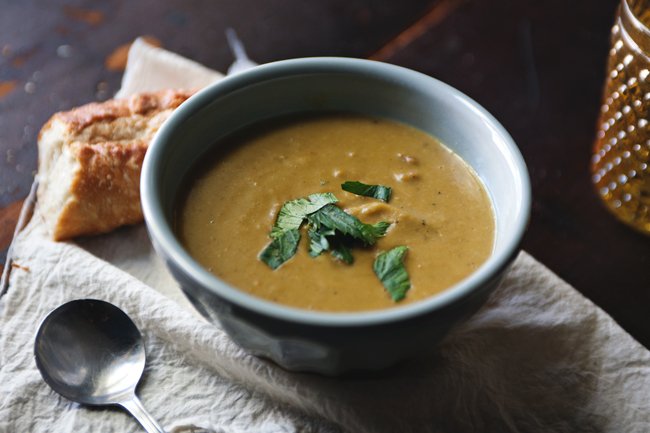
After the clam chowder, I immediately found myself craving split pea soup, which I didn’t realize involved tossing a part of a pig into a pot to simmer alongside green split peas and other ingredients. There’s something elusively tantalizing about the smell of smoked meat—it feels round. Round and whole and filling. I think it strikes an instinctual cord in me, the part that huddles as close to a fire as possible until the flames practically lick my hands. No, maybe not that close. I’m a tiny bit afraid of fire.

This soup is a mishmash of legume and vegetables, too. You know what they do? They soften, and sort of melt. The immersion blender finishes the job. The result reminds me of baby food. Green pea puree or something along those lines. Soupy mush in that rare not-quite-yellow, not-quite-green color. Winsome description, I know. But the flavor! I’m not so sure a baby would be able to handle such a taste explosion; it would be too much to process.
I hope you make a huge pot of this soup on a chilly day. You might want to open a couple windows, you’ll be so warmed to the soul.

SPLIT PEA SOUP
Adapted from Bon Appétit
Serves 6
Ingredients:
2 Tbsp butter
1 medium onion
2 cloves garlic
1 cup chopped celery
1 cup chopped peeled carrots
1-1/2 lbs. smoked pork hocks
2 tsp dried marjoram
1 tsp dried oregano
2 cups green split peas
6 cups water
Directions:
Melt butter in heavy large pot or Dutch oven over medium-high heat. Add onion, garlic, celery, and carrots. Sauté until vegetables begin to soften, about 8 minutes. Add pork, marjoram, and oregano; stir 1 minute. Add peas, then water, and bring to boil.
Reduce heat to medium-low. Partially cover pot; simmer soup until pork and vegetables are tender peas are falling apart, stirring often, about 1 hour and 10 minutes.
When ready, remove hocks. Using an immersion blender or regular blender (being careful not to overfill it), puree the soup. Cut pork off bones, dice it, and return to soup. Season with salt and pepper.
Related Posts


Subscribe for New Racipies
Get mental health tips, updates, and resources delivered to your inbox.