
Summer Greek-Style Pasta With Fresh Tomatoes, Feta, and Dill

Medically reviewed by Christiana George Updated Date: June 8, 2023

On Saturday, when the sky was all kinds of bruised, I hurried to the Meatpacking District to attend a fashion show. In the fashion industry, the spring season is showcased in September of the previous year and the fall season is showcased in February, so it was a Spring/Summer 2013 show I was going to see. This can be disorienting. I mean, the clothes seen on runways won’t appear in stores for another half year or so. And by the time the clothes featured half a year ago hit the stores, they already seem outdated.
On the other hand, I’ve always been the kind to be stuck in the past. To bemoan how quickly time passes, to feel tugs of anxiety when I rip another page from my calendar, to cling to the smoldering embers of things that once were. I realized that last week, I seemed to have offhandedly written off summer, as if I was ready to move on and let it go. As if I’d gotten my fill of summer fruit and summer weather and long days with endless, golden light. As if I had renounced it for its cooler, crisper sibling, who wears tissue-thin black turtlenecks with A-line skirts and knee-highs and the most stylish tortoiseshell glasses imaginable.
I still want to eat all the peaches I can get my hands on, throw together caprese salads with those glorious in-season tomatoes, walk through farmer’s markets stocked with the most vibrant produce. I wish watermelon would last and last, and that livin’ was always easy. I realize a lot of people are in one camp or the other, but I’ve always been an indecisive person, so I want the best of both worlds. Is that possible?
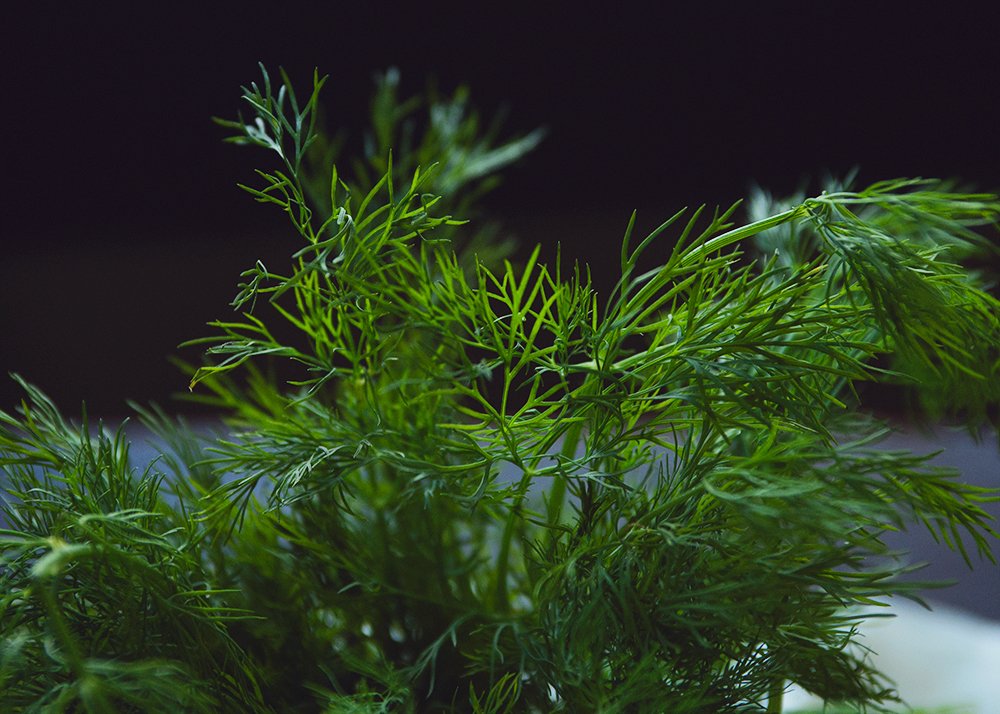
This pasta recipe slinked (slunk?) onto the scene, begging to be made. It’s totally an end-of-summer dish: the sauce is uncooked, requiring the freshest tomatoes, herbs, and feta you can procure. But it’s pasta, which I’ve avoided up to this point, because it’s been the last thing I’ve felt like eating in 90+ degree, humid-as-hell weather.
This dish is light, it’s hearty, and it gently eases me into a more forward way of thinking. So while I may not be ready for Spring/Summer 2013, I can begin feeling excited about wearing long sleeves again
SUMMER GREEK-STYLE PASTA WITH FRESH TOMATOES, FETA, AND DILL
Adapted from Bon Appétit
Serves 2
Ingredients:
1 pound tomatoes, halved, chopped (I used cherry tomatoes)
1/2 cup chopped scallions (white and light green parts only)
4 ounces feta cheese, crumbled
1/4 cup fresh parsley, chopped
2 Tbsp fresh dill, chopped
juice from 1 lemon
2 Tbsp EVOO
2 servings of pasta
Directions:
Mix the first 7 ingredients together in a medium bowl. Set aside.
Make the pasta. When ready, reserve some of the pasta water if needed and drain. Add hot pasta to tomato mixture and toss to coat. Season with salt and pepper and serve. Also good cold.
Note: This should be good with pitted Kalamata olives as well, but I don’t really like them so I didn’t use them. Let me know if you do!
Also, I failed to describe the show, didn’t I? For those of you who are interested, here are some pictures I took (I decided to omit the rated-R photos, haha).
Imitation of Christ Spring/Summer 2013




It was more of a non-show. It was more of a presentation. Like an installation, rife with social commentary (on appearance pressures? Vanity and narcissism? The disturbing effect that fashion can have on women?). There was no apparent clothes on display. But lots of women of various ages in various states of undress. It was bizarre.
Related Posts



Subscribe for New Racipies
Get mental health tips, updates, and resources delivered to your inbox.
Are Longans Acidic? “Dragon Eye” Fruit pH

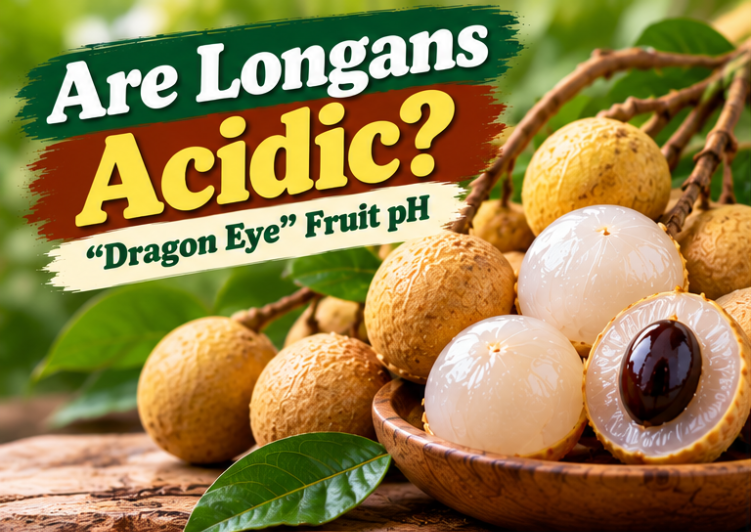
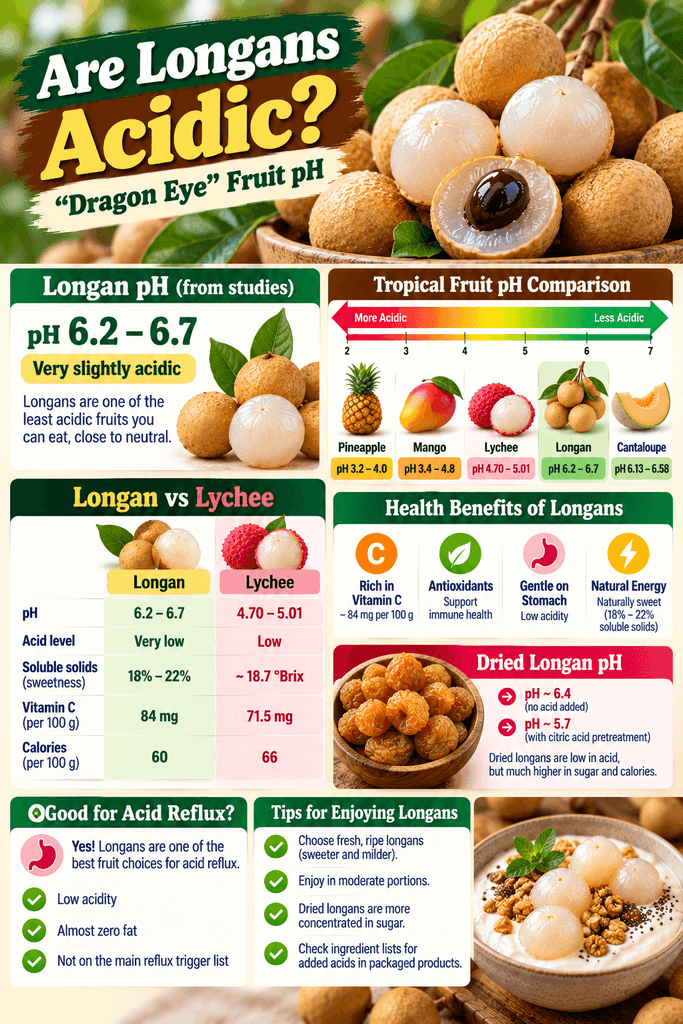
Longans are barely acidic at all. They’re one of the least acidic fruits you can eat. The University of California’s postharvest program reports that longan has low titratable acidity and a pH of about 6.2 to 6.7 (Kader, UC Davis Postharvest Center). That’s close to neutral (pH 7) and in the same range as cantaloupe and avocados. It also makes longans noticeably less acidic than their close cousin, the lychee (pH 4.70 to 5.01).
If you have acid reflux, sensitive teeth, or a touchy stomach, longans are one of the gentlest fruit choices out there. This guide explains longan pH, how fresh and dried longans compare, where longans rank among other fruits, and how to enjoy them.
Key Takeaways
- Longans are only very slightly acidic, with a pH of about 6.2 to 6.7, close to neutral.
- They’re less acidic than lychees, which measure about pH 4.70 to 5.01.
- Their sweetness comes from sugar, not low acid alone. Longans contain about 18% to 22% soluble solids (mostly sugar).
- Dried longans are also low in acid (about pH 6.4 in one study) but are about 5 times more concentrated in sugar and calories.
- They’re one of the best fruits for acid reflux, though their sugar content means portions still matter.
- Fresh longans are rich in vitamin C, with about 84 mg per 100 g.
Are Longans Acidic? The Short Answer
Barely. Technically, anything with a pH below 7 is acidic, so longans fall just inside that line. But at about pH 6.2 to 6.7, they’re close to neutral, about as acidic as cantaloupe or avocado.
The FDA’s widely used pH table doesn’t list longan (FDA), so here’s what other sources report:
| Longan sample | pH | Other acidity notes | Source |
| Fresh longan | 6.2–6.7 | “Titratable acidity is low” | Kader, UC Davis |
| Dried longan, no acid pretreatment | 6.4 | Not measured | Tassanaudom & Kengkhetkit, 2009 |
| Dried longan, dipped in citric acid | 5.7 | Acid was added during processing | Tassanaudom & Kengkhetkit, 2009 |
Values vary with cultivar, ripeness, and processing. We found few published pH measurements for longan, so these figures come from a limited number of sources.
Notice the last row: when dried longans were pretreated with citric acid to improve their color, their pH dropped to 5.7. Some commercial dried or canned longan products may include added acids, so check the ingredient list if you’re very acid-sensitive.
Longan vs Lychee: Which Is More Acidic?
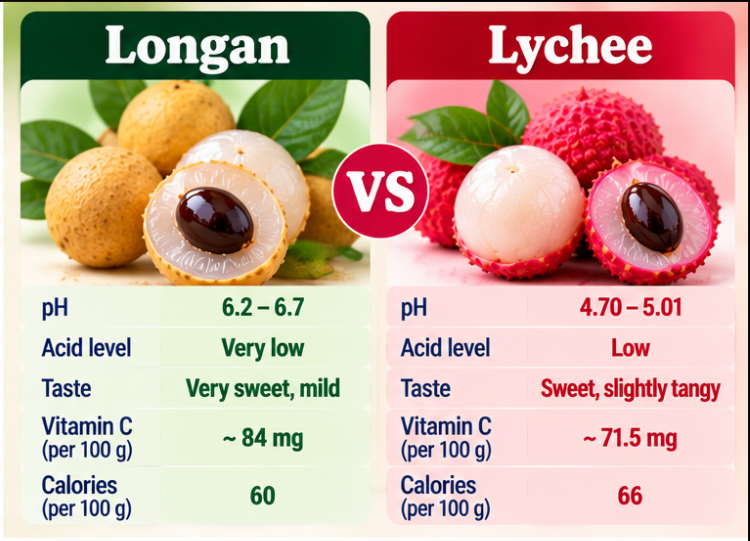
Longans and lychees are close relatives, and they look similar inside: translucent white flesh around a shiny dark seed. But their acidity is noticeably different.
| Longan | Lychee | |
| pH | About 6.2–6.7 | 4.70–5.01 |
| Acid level | Very low, close to neutral | Low |
| Soluble solids (sweetness) | About 18%–22% | About 18.7 °Brix in one Indian study |
| Vitamin C (per 100 g) | 84 mg | 71.5 mg |
| Calories (per 100 g) | 60 | 66 |
Sources: longan pH and soluble solids from UC Davis; lychee pH from the FDA; lychee soluble solids from Singh et al., 2013; nutrition from USDA FDC 169089 and 169086.
A pH difference of about 1.5 units means lychee is roughly 30 times more acidic than longan, since each pH step is a tenfold change. Both are gentle fruits, but longan is the milder of the two. Read our full guide to lychee acidity for more on its malic acid content and safety tips.
Why Do Longans Taste So Sweet?
Longans have a sweet, musky, almost honey-like flavor. That comes from two things working together:
- Very little acid. UC Davis describes longan’s titratable acidity as low (Kader, UC Davis), so there’s almost no tartness to balance the sugar.
- Plenty of sugar. Soluble solids range from about 18% to 22%, and UC Davis suggests a minimum of 20% as a sign of harvest maturity (Kader, UC Davis). University of Florida describes the pulp as “flavorful and sweet with 12-21% soluble solids” (Crane et al., UF/IFAS FC49).
With so little acid, longans taste purely sweet rather than sweet-tart like mangoes, pineapple, or apricots.
How Longans Compare to Other Fruits
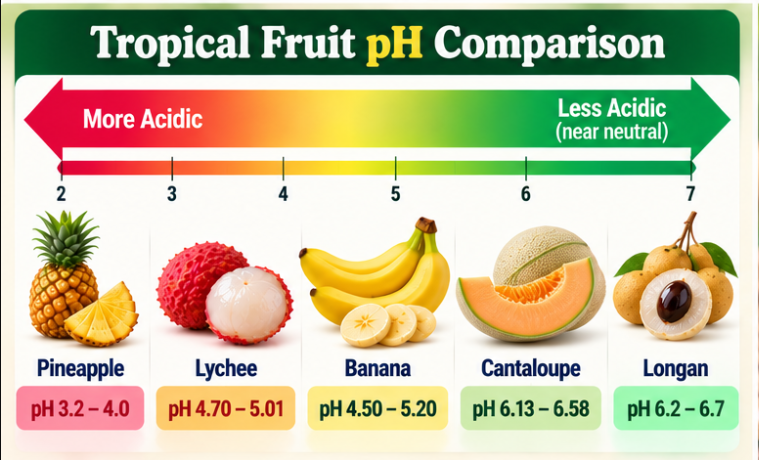
Here’s where longans fall on the pH scale compared with other fruits (FDA):
| Fruit | Approximate pH |
| Lemon juice | 2.00–2.60 |
| Passion fruit pulp (studies) | About 2.4–3.2 |
| Pineapple | 3.20–4.00 |
| Mangoes, ripe | 3.40–4.80 |
| Guava, fresh (studies) | About 3.7–4.2 |
| Persimmons | 4.42–4.70 |
| Bananas | 4.50–5.20 |
| Lychee | 4.70–5.01 |
| Papaya | 5.20–6.00 |
| Watermelon | 5.18–5.60 |
| Melons, honeydew | 6.00–6.67 |
| Cantaloupe | 6.13–6.58 |
| Longan (UC Davis) | About 6.2–6.7 |
| Avocados | 6.27–6.58 |
Source: FDA, Approximate pH of Foods and Food Products; longan from UC Davis; passion fruit and guava from published studies.
A few takeaways:
- Longans are at the very bottom of the fruit acidity scale, alongside cantaloupe, honeydew, and avocados.
- They’re milder than other low-acid favorites like bananas, lychees, dragon fruit, and persimmons.
- They’re far gentler than tangy tropical fruits like passion fruit, pineapple, guava, and starfruit.
For the full picture, see our complete guide to acidic foods.
Fresh vs Dried Longans
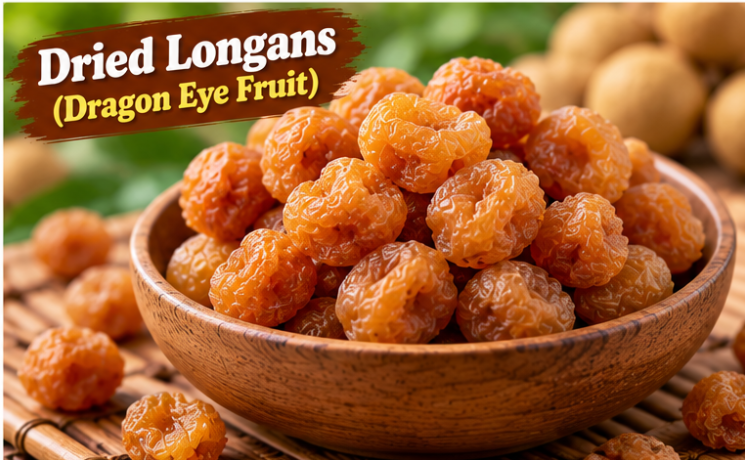
Dried longans, sometimes sold as “dragon eye” fruit in Asian markets, are popular in snacks, teas, and desserts. University of Florida notes that in other producing countries, longans are commonly dried and canned (UF/IFAS FC49).
| Per 100 g | Fresh longans | Dried longans | About how many times more |
| Water | 82.8 g | 17.6 g | — |
| Calories | 60 | 286 | about 4.8× |
| Carbohydrates | 15.1 g | 74 g | about 4.9× |
| Vitamin C | 84 mg | 28 mg | about 3× less |
| Potassium | 266 mg | 658 mg | about 2.5× |
| pH | About 6.2–6.7 | About 6.4 (no acid added) | similar |
Sources: USDA FoodData Central, Longans, raw (FDC 169089) and Longans, dried (FDC 169907); pH from UC Davis and Tassanaudom & Kengkhetkit, 2009. Multiples are our own rounded calculations.
What this means:
- Dried longans stay low in acid. In the Thai study, dried longans with no acid pretreatment measured pH 6.4, about the same as fresh (Tassanaudom & Kengkhetkit, 2009).
- But they’re very concentrated. Drying removes most of the water, so dried longans pack about 5 times more calories and carbohydrates per gram. The same study measured soluble solids of 70 to 72 °Brix in dried longans, compared with about 18% to 22% in fresh fruit.
- Vitamin C drops. Fresh longans have 84 mg per 100 g, but dried longans have only about 28 mg, even though everything else is concentrated.
We see the same concentration pattern with other dried fruits, like dried apricots and dates. For acid reflux, dried longans are still low in acid, but small portions are wise because of the sugar and calorie load.
Are Longans Good for Acid Reflux?
For most people, longans are an excellent fruit choice for reflux. They aren’t on the National Institute of Diabetes and Digestive and Kidney Diseases (NIDDK) list of foods that may worsen reflux, which includes citrus fruits, tomatoes, alcohol, chocolate, coffee and caffeine, high-fat foods, mint, and spicy foods (NIDDK). They’re also nearly neutral in pH and very low in fat.
Reflux triggers still vary from person to person. The American College of Gastroenterology’s 2022 guideline recommends that people with GERD identify their own triggers and avoid eating within 2 to 3 hours of bedtime (Katz et al., 2022).
Tips for eating longans with reflux
- Choose fresh longans when you can. They’re lower in sugar and calories per bite than dried.
- Keep dried longan portions small, since they’re much more concentrated.
- Pair them with other gentle foods, like oatmeal, Greek yogurt, or cottage cheese.
- Use longans as a swap for sharper fruits like pineapple, citrus, or passion fruit in fruit salads and smoothies.
- Check labels on canned or dried longans for added citric acid or heavy syrup.
- Eat them earlier in the day. NIDDK suggests eating meals at least 3 hours before lying down if you have nighttime symptoms (NIDDK).
For a broader list, see our guide to foods to avoid with GERD. If you have heartburn more than twice a week, trouble swallowing, or symptoms that don’t improve, talk with your doctor.
Longans, Teeth, and Gastritis
Teeth: Longans are nearly neutral in pH, so they’re one of the gentlest fruits for tooth enamel. Their sugar is still worth keeping in mind, especially with sticky dried longans. The American Dental Association recommends eating acidic foods as part of a meal, rinsing with water or having milk or cheese afterward, and waiting about an hour before brushing (American Dental Association). The same habits help with sugary snacks. Our article on whether apples are good for your teeth covers similar questions.
Gastritis: Very low-acid fruits are usually the easiest to tolerate with gastritis, so fresh longans are a reasonable fruit to try in small amounts. Our 7-day meal plan for gastritis has more gentle meal ideas.
Longan Nutrition
Per 100 grams, fresh longans provide (USDA FDC 169089; UF/IFAS FC49):
| Nutrient | Per 100 g |
| Water | 82.8 g |
| Calories | 60 |
| Carbohydrates | 15.1 g |
| Fiber | 1.1 g |
| Protein | 1.3 g |
| Fat | 0.1 g |
| Vitamin C | 84 mg |
| Potassium | 266 mg |
| Copper | 0.17 mg |
| Riboflavin | 0.14 mg |
A few highlights:
- Vitamin C: At 84 mg per 100 g, a single 100-gram serving covers most or all of the adult Recommended Dietary Allowance of 75 to 90 mg per day (NIH Office of Dietary Supplements).
- Potassium: 266 mg per 100 g.
- Low fiber, mostly sugar: Longans have only about 1.1 g of fiber per 100 g, and most of their carbohydrate is sugar. If you’re managing blood sugar, keep portions moderate. Our guide on whether apples are good for diabetics covers how to think about fruit and blood sugar.
Storing longans
University of Florida notes that longans have a relatively short shelf life at room temperature, but you can keep them in plastic bags in the refrigerator for 5 to 7 days (UF/IFAS FC49).
Acid-Smart Ways to Enjoy Longans
Fresh longans are easy to eat: crack the thin shell, pop out the translucent fruit, and discard the seed. Here are a few ideas:
- Smoothies: Blend peeled, seeded longans into our fruit yogurt shake for natural sweetness without added acid.
- Breakfast bowls: Top oatmeal or yogurt with fresh longans and our pumpkin pie spice granola.
- Creamy desserts: Serve longans with our whipped ricotta with mixed berries or a scoop of ginger ice cream.
- Tropical treats: Chop a few longans into our tropical dream rice krispie treats.
- Dried longan snacks: Add a few chopped dried longans to trail mix or oatmeal, but keep the portion small.
The longan swaps haven’t been tested in our kitchen, so adjust to taste.
Kitchen tip: Remove the seed before serving longans to young children, and cut the fruit into small pieces.
Frequently Asked Questions
Are longans acidic or alkaline?
Longans are only very slightly acidic. UC Davis reports a pH of about 6.2 to 6.7, which is close to neutral. That makes them one of the least acidic fruits.
Are longans less acidic than lychees?
Yes. Longans measure about pH 6.2 to 6.7, while the FDA lists lychee at 4.70 to 5.01. That means lychee is roughly 30 times more acidic than longan.
Are longans good for acid reflux?
For most people, yes. They’re nearly neutral in pH, low in fat, and not on NIDDK’s list of common reflux triggers. Watch portions, especially with dried longans.
Are dried longans acidic?
Not much. One study found dried longans measured pH 6.4 without any acid pretreatment, but 5.7 when dipped in citric acid during processing. Dried longans are also much higher in sugar and calories per gram.
Why are longans called “dragon eye”?
The name comes from the fruit’s appearance. When you peel a longan, the dark seed showing through the translucent white flesh looks like an eye [VERIFY: etymology is widely reported but not from a cited source].
Are longans healthy?
Yes, in reasonable amounts. Fresh longans are rich in vitamin C (84 mg per 100 g), low in fat, and hydrating. They’re also fairly high in natural sugar and low in fiber.
How should you store longans?
Keep fresh longans in plastic bags in the refrigerator, where they’ll last about 5 to 7 days, according to University of Florida.
The Bottom Line
Longans are barely acidic, with a pH of about 6.2 to 6.7, close to neutral. They’re less acidic than lychees, bananas, and nearly every other fruit, and they sit in the same group as cantaloupe and avocados. Their honey-like sweetness comes from lots of sugar and very little acid.
For people with acid reflux, sensitive teeth, or a touchy stomach, fresh longans are one of the gentlest fruits you can choose. Just keep portions sensible, especially with dried longans, which are about 5 times more concentrated in sugar and calories.
Keep exploring with Are Lychees Acidic?, Are Dragon Fruits Acidic?, Are Bananas Acidic?, or our complete guide to acidic foods.
Medical disclaimer: This article is for general information only and isn’t a substitute for professional medical advice. If you have frequent heartburn, GERD, diabetes, or ongoing digestive symptoms, talk with your doctor or a registered dietitian.
References
- Kader AA. Longan: Recommendations for Maintaining Postharvest Quality. UC Davis Postharvest Research and Extension Center.
- Tassanaudom U, Kengkhetkit N (2009). The color attribute improvement of dried longans. NU Science Journal 6(S1):114–122. PDF
- Crane JH, Balerdi CF, Sargent S, Maguire I. Longan Growing in the Florida Home Landscape (FC49). UF/IFAS Extension.
- USDA FoodData Central. Longans, raw (FDC 169089); Longans, dried (FDC 169907); Litchis, raw (FDC 169086).
- Singh A, et al. (2013). Physico-chemical changes in litchi cv. Rose Scented. Indian J. Hortic. 70(3):328–332. PDF
- U.S. FDA. Approximate pH of Foods and Food Products.
- NIH Office of Dietary Supplements. Vitamin C Fact Sheet.
- NIDDK. Eating, Diet & Nutrition for GER & GERD.
- Katz PO, et al. (2022). ACG Clinical Guideline for GERD. doi:10.14309/ajg.0000000000001538
- American Dental Association. Dietary Acids and Your Teeth.
Related Posts
Subscribe for New Racipies
Get mental health tips, updates, and resources delivered to your inbox.