
Are Green Beans Good for You? Guide to Nutrition, Weight Loss, and Benefits
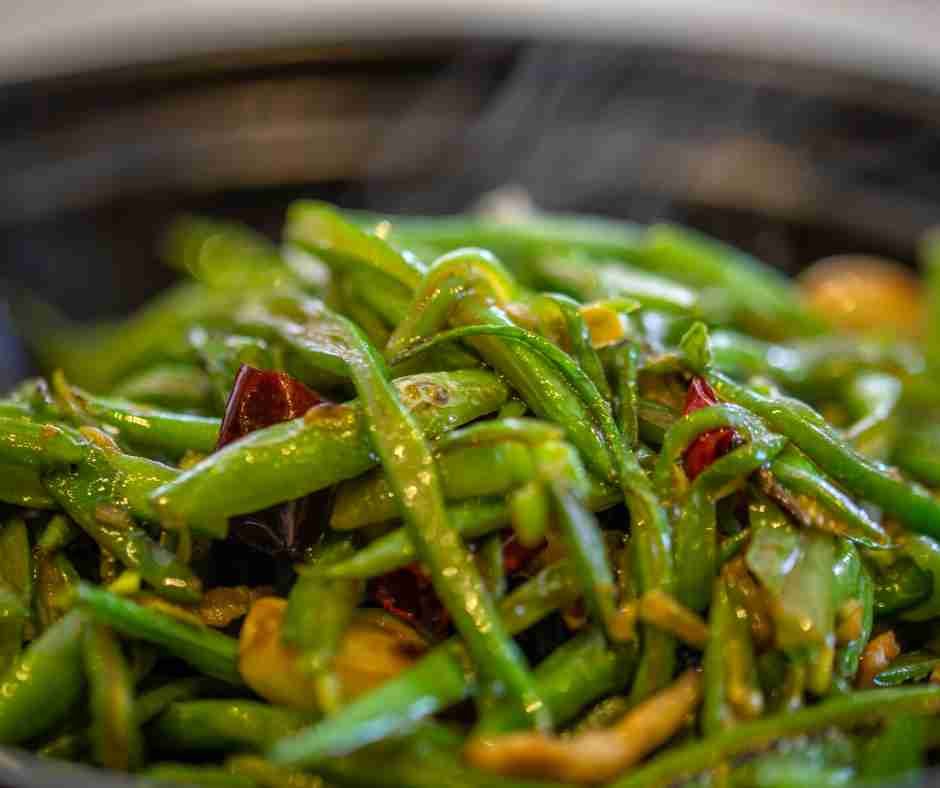
They are the reliable side dish at holiday dinners, the crunchy snack in a school lunchbox, and a staple in bodybuilder meal preps. But when you look past the casserole and the butter, you might wonder: Are green beans good for you?
The short answer is a resounding yes. Green beans (also known as string beans or snap beans) are a nutritional powerhouse masquerading as a humble vegetable.
Unlike starchy vegetables like potatoes or corn, green beans are low in calories and carbohydrates, yet high in fiber and essential nutrients. They bridge the gap between “leafy greens” and “legumes,” offering the best of both worlds.
Whether you are trying to lose belly fat, manage diabetes, or just improve your digestion, green beans are one of the most versatile tools in your dietary arsenal.
However, not all green beans are created equal. Is that can of beans with 500mg of sodium healthy? Are frozen green beans good for you? And what about the “anti-nutrients” like lectins that some fad diets warn against?
In this extensive guide, we will peel back the pod. We will analyze the green beans’ nutrition facts, explore their impact on specific organs like the heart and liver, compare fresh vs. canned, and provide the healthiest ways to cook them.
Let’s dive in.
Green Beans Nutrition Facts (Raw & Cooked)
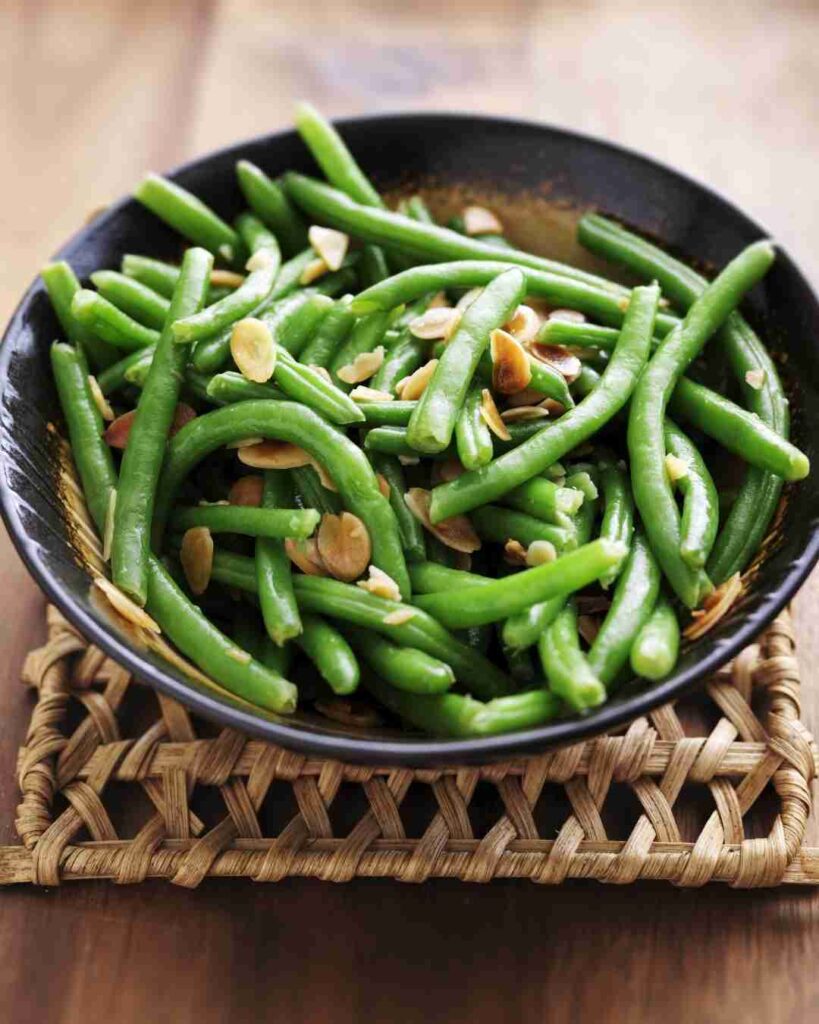
To understand why green beans are good for you, we first need to look at the numbers. Green beans are nutrient-dense, meaning they pack a lot of vitamins into a very low-calorie package.
Nutritional Breakdown (1 Cup, Raw)
- Calories: ~31
- Carbohydrates: 7 grams
- Fiber: 2.7 grams
- Sugar: 3.3 grams (Natural)
- Protein: 1.8 grams
- Fat: 0.2 grams
Key Vitamins & Minerals
- Vitamin K: A single cup provides roughly 20-25% of your daily recommended intake. Vitamin K is crucial for blood clotting and bone health.
- Vitamin C: An antioxidant powerhouse that supports immune function and collagen production.
- Folate (Vitamin B9): Essential for DNA synthesis and cell division.
- Silicon: Green beans are one of the best plant sources of silicon, a mineral vital for bone strength and connective tissue.
- Manganese: Helps with metabolism and antioxidant defense.
Raw vs. Cooked Nutrition
Does cooking destroy the health benefits of green beans?
- Vitamin C: Heat sensitive. Boiling green beans for too long can reduce Vitamin C content by up to 30%.
- Antioxidants: Interestingly, cooking can increase the availability of certain antioxidants like carotenoids (beta-carotene), making them easier for your body to absorb.
- Digestibility: Cooking breaks down tough cellulose fibers, making the beans significantly easier to digest and neutralizing small amounts of lectins (more on this later).
Verdict: Green beans’ benefits and side effects rely heavily on preparation, but nutritional density remains high in both forms.
Why Are Green Beans Good for You? (Health Benefits Explained)
Beyond the basic vitamins, why are green beans good for you on a cellular level?
1. Powerful Antioxidant Support
Green beans are rich in flavonoids, particularly quercetin and kaempferol. These antioxidants fight oxidative stress in the body. Oxidative stress is the damage caused by free radicals, which accelerates aging and contributes to chronic diseases like cancer. By eating green beans, you are essentially arming your cells with shields.
2. Anti-Inflammatory Effects
Chronic inflammation is the root of many modern ailments, from arthritis to heart disease. The phytonutrients in green beans have been shown to lower levels of inflammatory markers in the blood. This is a key benefit of eating green beans regularly—they help cool down the system.
3. Blood Sugar Control
Green beans have a low Glycemic Index (GI), estimated at around 15-32. This means they digest slowly and do not cause a spike in blood sugar. For diabetics or those with insulin resistance, green beans are a “free food” that provides bulk and satisfaction without the glucose crash.
4. Gut Microbiome Support
The fiber in green beans acts as a prebiotic. While your stomach cannot digest this fiber, the beneficial bacteria in your gut can. They ferment the fiber, producing short-chain fatty acids that heal the gut lining and reduce inflammation.
Are Green Beans Good for Weight Loss & Belly Fat?
If you scroll through fitness forums, you will see green beans everywhere. Are green beans good for you to lose weight? They are arguably one of the best foods for fat loss.
The “Volume Eating” Hack
Weight loss ultimately comes down to a calorie deficit. However, being hungry makes sticking to a deficit miserable.
- Volume: You can eat an entire pound of green beans for roughly 140 calories. Compare that to pasta, where 140 calories is just a few bites.
- Satiety: The high water content (90%) and fiber physically stretch the stomach, sending “I’m full” signals to your brain faster.
Are Green Beans Good for Losing Belly Fat?
Spot reduction isn’t possible, but visceral fat (belly fat) responds well to low-glycemic, high-fiber diets. By replacing calorie-dense sides like French fries or white rice with green beans, you drastically reduce your caloric intake without feeling deprived.
Why Do Bodybuilders Eat Green Beans?
You will often see bodybuilders eating chicken, rice, and green beans.
- Micronutrients: They need vitamins to support intense training.
- Digestion: Green beans are easier to digest than broccoli or cauliflower, which can cause severe bloating (the dreaded “bubble gut”) before a competition.
- Hunger Management: During a “cutting” phase, bodybuilders use green beans to fill their plates so they don’t feel starved.
5-Day “Greens & Lean” Meal Plan for Weight Loss
The Strategy:
- High Protein: To preserve muscle and keep you satiated.
- High Volume: Using green beans to bulk up meals so you don’t feel deprived.
- Low Glycemic: Keeping blood sugar stable to prevent cravings.
Quick Shopping List
- Produce: 2-3 lbs Fresh Green Beans (or frozen haricots verts), Spinach, Bell Peppers, Lemons, Garlic, Onions, Sweet Potatoes, Berries, Avocado.
- Proteins: Chicken Breast (3-4 breasts), Lean Ground Turkey (1 lb), White Fish (Cod/Tilapia) or Tofu, Eggs, Greek Yogurt, Canned Tuna.
- Pantry: Olive Oil, Soy Sauce (or Coconut Aminos), Quinoa/Brown Rice, Almonds, Hummus.
Day 1: The Classic Kickstart
- Breakfast: Spinach & Feta Omelet (2 eggs, handful of spinach, 1 tbsp feta) + 1 slice whole wheat toast.
- Lunch: Tuna “Niçoise” Salad Bowl. Mixed greens topped with 1 can of tuna (in water), 1 hard-boiled egg, cherry tomatoes, and 1 cup chilled steamed green beans. Drizzle with lemon vinaigrette.
- Dinner: Lemon-Herb Chicken & Roasted Green Beans. Baked chicken breast seasoned with lemon and oregano. Serve with a massive side of Roasted Garlic Green Beans (tossed in 1 tsp olive oil) and ½ small baked sweet potato.
- Snack: 1 cup Plain Greek Yogurt with a dash of cinnamon.
Day 2: Asian Fusion (Stir-Fry Day)
- Breakfast: Overnight Oats made with almond milk, chia seeds, and ½ cup blueberries.
- Lunch: Leftover Lemon-Herb Chicken chopped over a bed of greens.
- Dinner: Turkey & Green Bean Stir-Fry. Sauté lean ground turkey with ginger, garlic, and 2 cups of cut green beans (cut into bite-sized pieces). Use soy sauce or coconut aminos for flavor. Serve over ½ cup of cauliflower rice or brown rice.
- Snack: 1 Apple + 10 Almonds.
Day 3: Light & Lean Fish
- Breakfast: Avocado Toast. 1 slice whole grain bread, ¼ avocado smashed, topped with red pepper flakes and a poached egg.
- Lunch: Leftover Turkey & Green Bean Stir-Fry. (Tip: This reheats perfectly).
- Dinner: Baked Cod with Almondine Green Beans. Bake white fish with lemon slices. Sauté 1.5 cups green beans with 1 tsp butter and slivered almonds.
- Snack: Carrot sticks with 2 tbsp Hummus.
Day 4: Mediterranean Flavors
- Breakfast: Green Smoothie. (1 cup spinach, ½ banana, 1 scoop protein powder, water/almond milk).
- Lunch: Mediterranean Green Bean Salad. Toss 1.5 cups cooked green beans (cooled) with ½ cup chickpeas, diced cucumber, red onion, feta cheese, and balsamic vinegar.
- Dinner: Sheet Pan Sausage & Veggies. Sliced chicken sausage (check labels for low fat), bell peppers, onions, and green beans roasted at 400°F until crispy.
- Snack: 2 Hard-boiled eggs.
Day 5: The “Volume Eater” Special
- Breakfast: Scrambled Eggs with “Breakfast Beans.” Sauté 1 cup chopped green beans in the pan before adding your 2 beaten eggs. The beans add crunch and volume to the scramble. Top with salsa.
- Lunch: Leftover Mediterranean Green Bean Salad or Leftover Sheet Pan Sausage.
- Dinner: Lean Beef & Green Bean “Fries.” 4oz lean steak (flank or sirloin) grilled. Serve with Air Fryer Green Beans (seasoned with garlic powder and parmesan) and a side salad.
- Snack: ½ cup Cottage Cheese with sliced cucumber.
3 Rules for Success
- Pre-Steam Your Beans: On Sunday, steam a big batch of green beans for 3-4 minutes and keep them in the fridge. This makes throwing them into lunches (Days 1 & 4) instant.
- Seasoning is Key: Green beans are mild. Don’t be shy with garlic, lemon juice, red pepper flakes, or vinegar. These add zero calories but massive flavor.
- Drink Water: With the increase in fiber from the beans, ensure you are drinking plenty of water to keep digestion smooth.
Is It Healthy to Eat Green Beans Every Day?
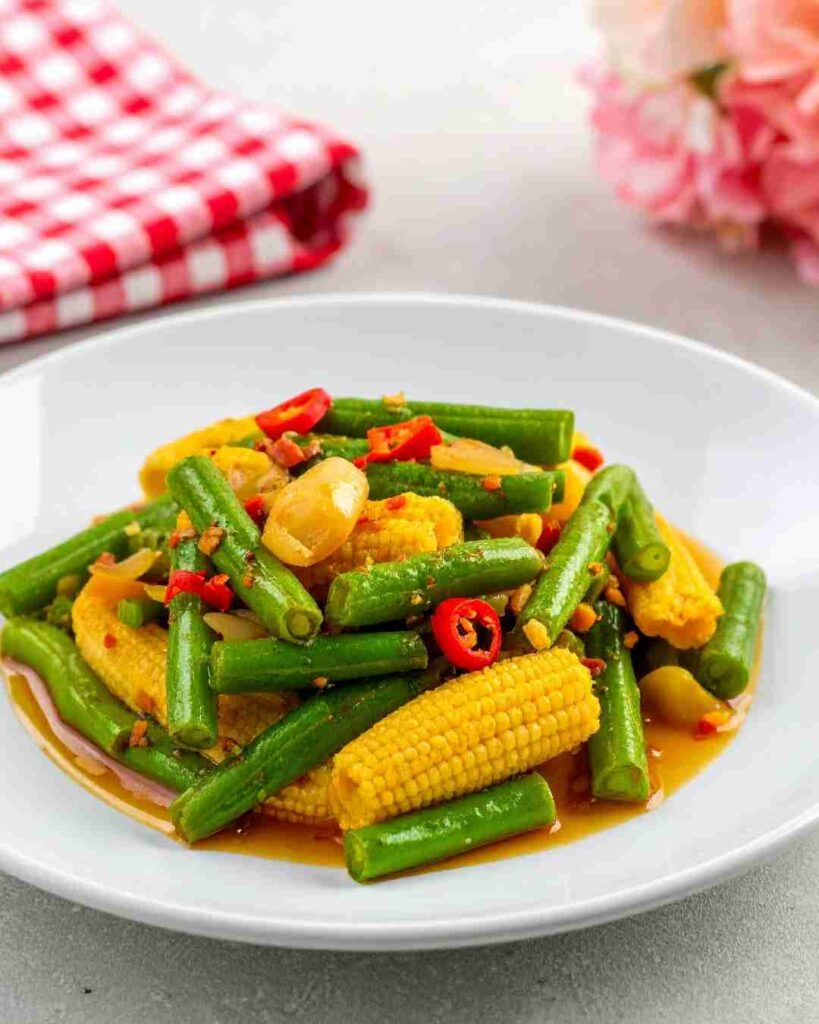
You bought the Costco-sized bag. Is it healthy to eat green beans every day?
Daily Intake Safety
Yes. There are very few downsides to daily consumption for the average person. In fact, consistently eating green beans ensures a steady supply of Vitamin K and fiber.
How many? A serving is typically 1 cup. Eating 2-3 cups a day is perfectly safe and beneficial.
Portion Control & Variety
While green beans’ benefits and side effects are mostly positive, relying only on green beans for your vegetable intake limits your exposure to other nutrients. Eat them daily, but rotate them with leafy greens, cruciferous veggies (broccoli), and colorful veggies (peppers/carrots) to get a full spectrum of phytonutrients.
Pros and Cons of Green Beans (Balanced View)
To provide a complete picture, we must look at the pros and cons of green beans. Why are green beans not good for you in some scenarios?
The Pros
- Low Calorie: Excellent for weight management.
- Bone Health: High Silicon and Vitamin K.
- Heart Health: No cholesterol, low sodium (naturally).
- Budget-Friendly: One of the cheapest vegetables year-round.
The Cons
- Lectins: Green beans contain lectins, a type of protein that binds to carbohydrates. In large amounts, active lectins can cause nausea or digestive distress. However, cooking destroys almost all lectins. Eating raw green beans in large quantities is the only real risk here.
- Phytic Acid: Like most legumes, they contain phytates, which can slightly inhibit mineral absorption. This is generally not a concern unless you have a severe mineral deficiency.
- Vitamin K Interference: If you are on blood thinners (like Warfarin), suddenly increasing your Vitamin K intake can interfere with your medication. Consistency is key—don’t go from eating zero green beans to eating a pound a day without consulting your doctor.
Are Green Beans Good for Digestion, Gut & Stomach Health?
If you have a sensitive stomach, are green beans good for your gut health?
Fiber Types
Green beans contain both soluble and insoluble fiber.
- Insoluble Fiber: Adds bulk to stool and helps food pass more quickly through the stomach and intestines, preventing constipation.
- Soluble Fiber: Dissolves in water to form a gel-like substance, which can help lower cholesterol and regulate blood sugar.
IBS & FODMAPs
For those with Irritable Bowel Syndrome (IBS), green beans are somewhat controversial.
- FODMAP Status: Green beans contain sorbitol and mannitol (types of sugar alcohols). According to Monash University, a serving of roughly 15 beans (75g) is considered Low FODMAP.
- Portion Matters: Eating a huge bowl (over 125g) pushes them into the High FODMAP category, which might trigger bloating or gas in sensitive individuals.
Are green beans good for your stomach? Generally, yes, but if you have IBS, stick to the recommended serving size (approx. 15 beans).
Are Green Beans Good for Skin, Heart, Liver & Kidneys?
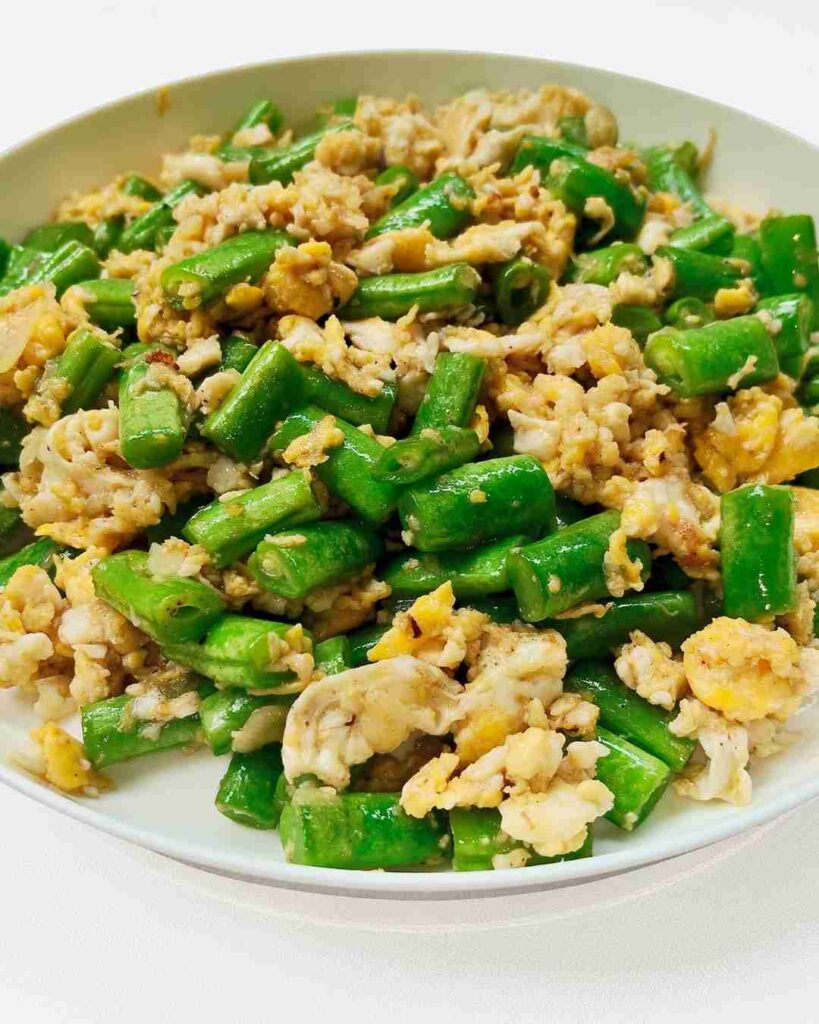
The benefits of green beans extend to vital organs.
Are Green Beans Good for Your Skin?
Green beans benefit skin health through two main components:
- Vitamin C: Essential for the synthesis of collagen, the protein that keeps skin elastic and wrinkle-free.
- Silicon: While less discussed, silicon is vital for skin strength. Brittle nails and thinning hair can sometimes be linked to low silicon intake.
Are Green Beans Good for Your Heart?
Absolutely. They are a heart-healthy food for three reasons:
- Potassium: Helps regulate blood pressure by counteracting sodium.
- Fiber: Soluble fiber binds to cholesterol particles in the digestive system and moves them out of the body before they’re absorbed.
- Low Fat: They are naturally free of saturated and trans fats.
Are Green Beans Good for Your Liver?
Green beans are often recommended in liver-cleansing diets. Their high antioxidant content helps protect the liver from oxidative stress caused by toxins and alcohol.
Furthermore, preventing obesity (via low-calorie foods like green beans) is the #1 way to prevent Non-Alcoholic Fatty Liver Disease (NAFLD).
Are Green Beans Good for Your Kidneys?
For most people, yes. However, green beans contain a moderate amount of oxalates. If you are prone to calcium-oxalate kidney stones, you may need to moderate your intake. They are not as high in oxalates as spinach or rhubarb, but they are not oxalate-free.
Are Green Beans Safe During Pregnancy?
Expectant mothers often ask, Are green beans good for you while pregnant?
Folate is Key
Folate (Vitamin B9) is critical during the first trimester to prevent neural tube defects like spina bifida. One cup of cooked green beans provides about 10-15% of the daily recommendation.
Fiber & Constipation
Pregnancy hormones often slow down digestion, leading to constipation. The insoluble fiber in green beans helps keep things moving naturally, without the need for laxatives.
Food Safety
Important: Pregnant women should avoid eating raw green beans due to the risk of bacterial contamination (Listeria/E. coli) and the presence of lectins. Always wash and cook them thoroughly.
Are Canned, Frozen & Pickled Green Beans Good for You?
Not everyone has access to a garden. Are canned green beans good for you? What about frozen?
1. Frozen Green Beans (The Best Option)
Are frozen green beans good for you? Yes. In fact, they are often healthier than fresh beans sold in the grocery store.
- Why? They are flash-frozen within hours of harvest, locking in the Vitamin C and other nutrients. Fresh beans may sit on a truck for days, losing nutrients as they oxidize.
2. Canned Green Beans (The Sodium Trap)
Are can green beans good for you? It depends on the label.
- The Issue: The canning process requires high heat (lowering Vitamin C) and usually involves adding salt for preservation. A single cup can have 25–30% of your daily sodium limit.
- The Fix: Buy “No Salt Added” or “Low Sodium” varieties. Rinsing regular canned beans can remove about 30-40% of the sodium, but they will still be salty.
3. Pickled Green Beans (Dilly Beans)
Are pickled green beans good for you?
- Pros: They may contain probiotics if lacto-fermented (sold in the fridge section).
- Cons: They are extremely high in sodium. Treat pickled green beans as a condiment, not a vegetable side dish.
Types of Green Beans: Are Some Healthier Than Others?
- String Beans / Snap Beans: The standard variety. Nutritious and versatile.
- French Haricots Verts: Are French green beans good for you? Yes. They are simply a thinner, more tender variety of the common green bean. They have the same nutritional profile but cook faster.
- Lima Beans: Are green lima beans good for you? Lima beans are technically different (butter beans). They are starchy legumes, higher in calories and protein than green beans. They are healthy, but not a direct low-calorie substitute.
- Romano Beans: Flat, Italian green beans. They have a meatier texture but similar nutritional stats.
Are Cooked Green Beans Still Healthy?
Some raw foodists claim cooking kills the vegetable. Are cooked green beans good for you?
Actually, cooked green beans are arguably better for you than raw ones.
Nutrient Bioavailability
Cooking breaks down the tough cell walls (cellulose). This releases the nutrients trapped inside, making it easier for your body to absorb the carotenoids and vitamins.
Reducing Anti-Nutrients
As mentioned, raw beans contain lectins, which can cause nausea. Boiling, steaming, or roasting neutralizes these lectins.
Best Cooking Methods
To retain the most nutrients:
- Steaming: Best for Vitamin C retention.
- Microwaving: surprisingly good for nutrient retention due to short cooking time.
- Blanching: Quick boil followed by ice bath.
- Boiling: Worst option if you discard the water, as vitamins leach out.
Green Beans vs Broccoli: Nutrition Comparison
The battle of the greens. Green beans vs broccoli nutrition: who wins?
| Feature | Green Beans (1 cup) | Broccoli (1 cup) | Winner |
| Calories | ~31 | ~31 | Tie |
| Fiber | 2.7g | 2.4g | Green Beans (Slightly) |
| Protein | 1.8g | 2.5g | Broccoli |
| Vitamin C | 12mg | 81mg | Broccoli (Landslide) |
| Vitamin K | 14mcg | 92mcg | Broccoli |
| Digestion | Moderate | Difficult (Gas) | Green Beans |
Conclusion: Broccoli is technically more nutrient-dense (especially for Vitamin C and K), but green beans are easier to digest. Eat both!
How to Cook Green Beans (Healthy Methods)
If you boil them until they are gray mush, you won’t want to eat them. Here is how to cook fresh green beans so they are delicious and vibrant.
1. How to Blanch Green Beans
This is the secret to bright green, crunchy beans.
- Bring a large pot of salted water to a boil.
- Drop trimmed beans in for 2–3 minutes.
- Immediately transfer them to a bowl of ice water (shocking).
- Drain. They are now cooked but crisp.
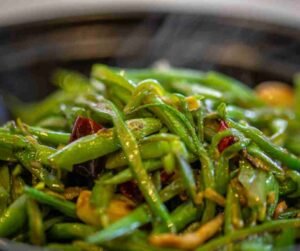
2. Sauteed Green Beans (Garlic Style)
Sauteed green beans are rich and flavorful.
- Heat 1 tbsp olive oil in a skillet over medium-high heat.
- Add blanched or raw beans.
- Toss for 5–7 minutes until blistered spots appear.
- Add minced garlic in the last 30 seconds (so it doesn’t burn).
- Season with salt, pepper, and lemon juice.
3. How Long to Boil Green Beans
If you just want to boil them:
- Fresh beans: 4–5 minutes for crisp-tender. 6–8 minutes for soft.
- Frozen beans: 3–4 minutes.
Air Fryer, Roasted & Garlic Green Beans (Recipes)
Air fryer green beans are a game-changer. They turn into crispy “fries.”
Crispy Air Fryer Green Beans
Ingredients: 1 lb fresh beans, 1 tbsp olive oil, garlic powder, and parmesan cheese.
- Preheat Air Fryer to 375°F (190°C).
- Toss beans with oil and spices.
- Cook for 8–10 minutes, shaking the basket halfway.
- Result: Crispy, wrinkled, and addictive.
Roasted Green Beans
Roasted green beans develop a deep, caramelized flavor.
- Preheat oven to 425°F (220°C).
- Spread beans on a sheet pan.
- Drizzle with oil and salt.
- Roast for 15–20 minutes.
Garlic Green Beans Variation: Toss with 3 cloves of minced garlic before roasting.
Popular Green Bean Side Dish Recipes
Green Beans Almondine
A classic French dish.
- Sauté sliced almonds in butter until golden.
- Toss with steamed green beans and a squeeze of lemon juice.
Healthy Green Bean Casserole
Skip the canned cream of mushroom soup.
- Sauce: Make a roux with olive oil, flour, skim milk, and fresh mushrooms.
- Topping: Use air-fried onions instead of the deep-fried canned ones.
- Base: Use fresh green beans in the casserole rather than canned for better texture.
Canning & Preserving Green Beans at Home
If you have a garden overflow, canning green beans is a great way to save money.
Safety Warning: Green beans are a low-acid food.
- You CANNOT water-bath can un-pickled green beans. You risk botulism, a deadly toxin.
- You MUST use a Pressure Canner. This is the only way to reach temperatures high enough (240°F) to kill botulism spores.
- Exception: Pickled green beans (with vinegar) can be water-bath canned because the acidity makes them safe.
Green Beans on Reddit: Common Questions & Myths
A look at “Are green beans good for you?” Reddit threads reveal common themes.
- “Do they cause gas?” Reddit Answer: Yes, for some. But usually less than broccoli or cauliflower.
- “Can I eat them raw?” Reddit Answer: Most people agree that a few are fine, but a whole bowl causes a stomachache due to lectins.
- “Are they Keto?” Reddit Answer: Yes. 1 cup has roughly 4g net carbs, making it a staple for Keto dieters.
Frequently Asked Questions
Are green beans good for losing belly fat?
Yes. They are high in fiber and low in calories, helping to reduce visceral fat by keeping insulin levels stable and promoting satiety.
Why do bodybuilders eat green beans?
They provide volume to meals without adding significant calories or carbohydrates, helping bodybuilders feel full while cutting fat. They also digest easily compared to other fibrous veggies.
Are green beans fattening?
No. It is virtually impossible to gain fat from eating plain green beans. However, green bean casseroles loaded with heavy cream and fried onions can be fattening.
Can you eat green beans every day?
Yes. Eating them daily is safe and healthy, provided you do not have a specific sensitivity to FODMAPs or risk of oxalate kidney stones.
Are canned green beans healthy?
They can be, but you must watch the sodium. Rinse them thoroughly or buy “No Salt Added” versions to make them a healthy choice.
Final Verdict
The evidence is clear. Green beans are exceptional.
They are one of the few foods that balance affordability, availability, and nutrient density perfectly. Whether you are blanching fresh haricots verts for a dinner party or microwaving a bag of frozen beans for a quick post-workout meal, you are doing your body a favor.
What are green beans good for?
- Weight Loss: High volume, low calorie.
- Longevity: Packed with antioxidants and heart-healthy fiber.
- Digestion: Gentle fiber that keeps you regular.
The Takeaway:
Don’t fear the bean. Skip the heavy cream sauces, watch the salt on canned varieties, and enjoy them crisp and seasoned. Your heart, waistline, and wallet will thank you.
References & Further Reading
- USDA FoodData Central: Green beans, raw vs cooked nutrition.
- Monash University: High and Low FODMAP Foods.
- National Institutes of Health (NIH): Vitamin K Fact Sheet for Health Professionals.
- Cleveland Clinic: The Health Benefits of Green Beans.
Related Posts

Subscribe for New Racipies
Get mental health tips, updates, and resources delivered to your inbox.
Are Nutri Grain Bars Healthy? Expert Insights and Nutrition Analysis

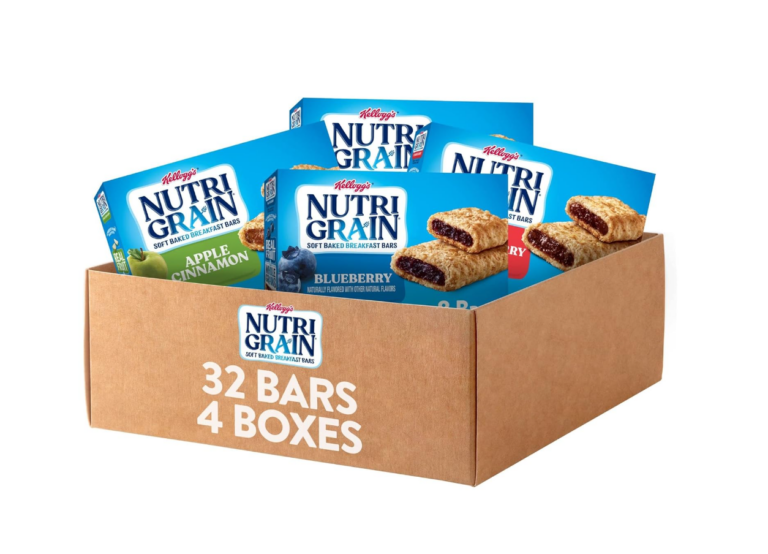
‘Nutri’ and ‘grain’- reading this, you might be wondering if all the healthy stuff is infused in Nutri Grain bars, right? Nutri Grain bars are indeed one of the most popular snack food items on the market right now, but are Nutri Grain bars healthy as you might think?
Nutri Grain bars are marketed as nutritious, low-calorie snacks that contain lots of essential vitamins and minerals, like calcium and iron. Yet Nutri Grain bars aren’t as healthy as you might think; in fact, their high calorie and sugar content can do more harm than good if you eat them regularly.
Here are some reasons Nutri Grain bars may not be as healthy as you think they are and some healthier alternatives to fill you up!
Are Nutri Grain Bars Healthy?
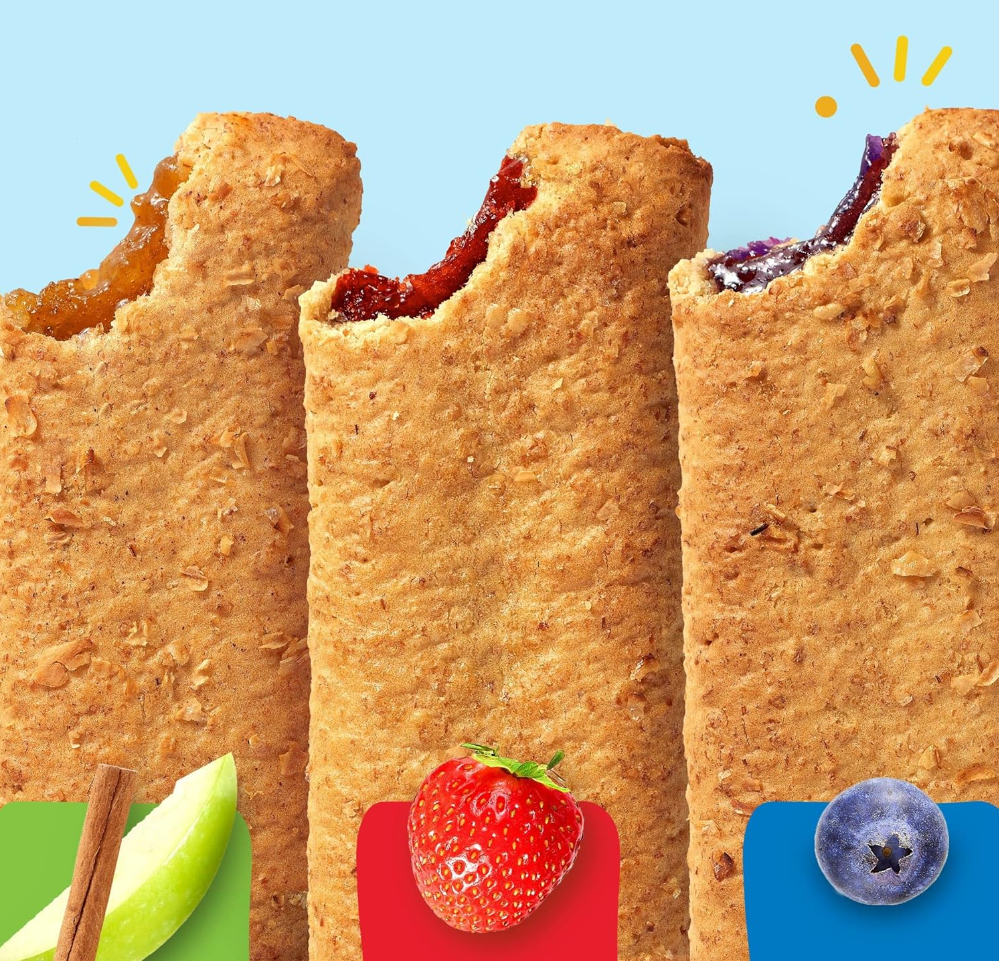
Who doesn’t know the Nutri Grain bars you find at the grocery store? They’re those delicious, crunchy little bars made of whole grains and nuts that are supposedly good for you, right? However, it turns out not so much.
Here are a few reasons Nutri Grain bars may not be as healthy as you think they are
- Excess Sugar, High Fructose Corn Syrup, And Hydrogenated Vegetable Oils
Many people think that just because it’s healthy to eat whole grains like oatmeal or wheat toast, it must be good for you to eat Nutri Grain bars as well.
While Nutri-Grain bars contain some whole grains, they also contain a lot of sugar, high fructose corn syrup, and hydrogenated vegetable oils. These ingredients can offset any health benefits that whole grains might provide.
- Inclusion Of Unnecessary Ingredients
While some of the ingredients in Nutri Grain bars are healthy, like whole grains and dried fruit, there are also a lot of unnecessary ingredients like added sugars and artificial flavors. And while they may be advertised as all-natural, the ingredient list proves otherwise.
For example, one bar includes a natural maple flavor but also contains monosodium glutamate (MSG) as well as partially hydrogenated soybean oil.
- Additives Contain Questionable Ingredients
If you take a look at the list of ingredients on a Nutri Grain bar, you’ll notice that many of them are additives. Additives are substances added to food to enhance its flavor, texture, or shelf life. These preservatives can be harmful to your health and may offset any benefits you would get from eating whole grains.
Some people avoid these additives because they may be unnatural and unhealthy. In fact, artificial sweeteners have been linked to an increased risk for cancer and neurotoxicity in lab animals!
- Contains Low Protein And Fiber Content
Although Nutri Grain bars contain negligible vitamins and minerals, they lack protein and fiber. Protein and fiber are essential nutrients that help keep you feeling full and satisfied after eating.
Low-quality protein also means a reduced ability to build muscle, repair tissues, and fight inflammation. On the other hand, fiber helps with digestion and may also help regulate blood sugar levels by slowing down the release of sugar into the bloodstream.
Related Article: Are Waffles Healthy? Exploring Expert Insights for Nutritious Choices
Nutritional Value of Nutri Grain Bars
Let’s look at the nutritional value of nutri-grain bars.
Nutritional fact of kellog’s Nutri Grain bar Mixed berry – 1 bar (116 g)
| Calories | 130 |
| Total fatSaturated fat | 3 g0.5 g |
| Cholesterol | 0 mg |
| Sodium | 105 mg |
| Potassium | 85 mg |
| Total carbsDietary fiberSugar | 25 g2 g13 g |
| Protein | 2 g |
| CalciumIron. | 2%4% of DV. |
While Nutri-Grain bars may be marketed as a healthy snack option, they may not be as healthy as you think.
For one, they are high in sugar. In fact, a single Nutri Grain bar can have up to 16 grams of sugar. All other flavors of these bars contain the same amount of sugar – plain strawberry (12 g), blueberry (13 g), and apple cinnamon (13 g).

Nonetheless, they also often contain large amounts of artificial sweeteners like sucralose, which may provide instant energy but has been linked to liver toxicity and stomach ulcers in the long run.
Moreover, there is no ingredient in the bars rich in protein, for which the protein content is equivalent to 1 g. It is not an ideal energy snack when you are on a diet or doing heavy workouts.
Finally, the fats found in many Nutri-Grain bars are typically unhealthy saturated fats that increase the risk of heart disease and stroke.
Related Article: Are Ritz Crackers Healthy? Expert Insights and Tips
Side Effects of Over Consuming Nutri Grain Bars
One mixed berry Nutri Grain bar from Kellogg’s contains 13 grams of sugar! Plus, the artificial ‘blueberry’ filling contains many additives. So, imagine what if you consume 4 bars at a time every day- that’s nearly 54 grams of added sugar, which is over the limit of the daily value (25-36 grams).
Compared to the number of calories in a single bar, which is 130-140, this much sugar content is insane.
Moreover, there is an unacceptable amount of sodium content in a single bar. The American Heart Association used to recommend 2300 mg of sodium daily in a normal adult’s diet, but now they recommend 1500 mg.
Covered by the sweetness of the bars, you may feel like there is no sodium in them. But unknowingly, you are consuming the same amount of salt as compared to a salty snack.
Sugar and salt are already slow poison that leads to many short- and long-term health problems.
Some side-effects of over-consuming Nutri-Grain bars include:
- Spike in blood sugar
- Abdominal pain
- Allergic reactions
- Weight gain/ obesity
- Diabetes
- Lower immune system
- Spike in blood pressure.
You won’t see these side effects in a single day or two unless you don’t overeat these unhealthy Nutri-Grain bars.
Who Should Avoid Nutri Grain Bars
Don’t worry; Nutri-Grain bars are not fatal and won’t kill you! Since it contains many unhealthy ingredients and somewhat allergic ones, some people should eat it as little as possible or even avoid it.
- People with celiac disease or gluten intolerance should avoid eating Nutri Grain bars as they contain gluten in the form of enriched flour to obtain that chewy texture.
- Additionally, people with nut allergies should avoid them as they contain nuts.
- Those following a vegan diet may also want to stay away from these bars as they may contain animal products like milk and eggs.
- Even though Nutri-Grain bars are marketed as a healthy snack, they may not be the best choice for diabetic patients. This is because Nutri-Grain bars are high in sugar and carbs, which can cause blood sugar levels to spike. If you have diabetes, limit your Nutri Grain bar consumption to one or two bars a week.
Related Article: Are Pretzels Healthy? – Pros, Cons and Healthy Alternative
Healthy Alternatives to Nutri Grain Bars
If you’re looking for a healthier alternative to Nutri-Grain bars, try making your own granola bars at home. Plenty of recipes online use healthy ingredients like oats, honey, and dried fruit. Not only are they filling, but nutritious too. With a few variations in flavor, it’s easy to make them taste just the way you want.
Meal-replacement shakes can also be an excellent option if you need something filling but don’t have time to prepare food. It takes just seconds to blend up a shake with yogurt, milk, protein powder (whey or soy), fruit, peanut butter or almond butter, and ice cubes. The options are limitless!
FAQs
Are Nutri-Grain bars good for weight loss?
Nutri Grain bars may not be the best choice if you’re trying to lose weight. Though they’re convenient and easy to eat on the go, they’re often high in sugar and calories, which can lead to weight gain. In the long run, if you continue to eat them on a daily basis, you may be able to gain weight instead of losing it.
Are Nutri-Grain bars vegan?
While many Nutri-Grain bars are vegan, some contain honey, which is a non-vegan ingredient. In addition, some of the flavors of Nutri-Grain bars contain dairy and other animal-based products.
So, it is always better to read the labels to see what ingredients are your preferred bars made of.
Are Nutri-Grain bars healthy for toddlers?
If you’re looking for a healthy snack for your toddler, Nutri Grain bars may not be the best choice. Because they’re high in sugar, the ingredients aren’t natural, there’s no nutritional value in the sugar, and they contain artificial flavors.
Moreover, they’re loaded with fats that raise cholesterol levels and increase the risk of heart disease and stroke. And finally, they don’t give children enough vitamins and minerals that they need to grow up strong and healthy!
Are Nutri-Grain bars good for diabetics?
While Nutri-Grain bars may be marketed as a healthy snack option, they may not be the best choice for people with diabetes. This is because Nutri-Grain bars are high in sugar and added sugar, which can cause blood sugar levels to spike.
Final Thought
If you are thinking – are Nutri Grain bars healthy – it’s time to throw out Nutri-Grain bars from your regular diet. The high sugar and calorie content can offset any nutritional benefits, and the processed ingredients may not be ideal for everyone.
However, there is no harm in treating yourself with one bar once in a while. The bottom line is that there are healthier options out there than Nutri-Grain bars.
Related Posts
Subscribe for New Racipies
Get mental health tips, updates, and resources delivered to your inbox.